

Comfort, Style, and Versatility for Every Outfit
In the rhythm of daily life, what we wear on our feet often dictates the tempo of our day. It’s not merely about covering our feet; it’s about choosing a companion that supports every step, complements every look, and adapts to every scenario. The modern individual seeks a trifecta: uncompromising comfort, undeniable style, and seamless versatility. This isn’t a passing trend but a fundamental shift in how we view footwear—as an integral component of both personal well-being and aesthetic expression. From the morning commute to an evening stroll, from a casual brunch to a busy workday, the right pair of shoes can elevate the ordinary to the extraordinary. This article delves into the core principles that make this possible, dissecting the science, the art, and the practical wisdom behind building a footwear collection that truly works for you. We will move beyond superficial advice and explore the foundational elements that transform a simple shoe into a cornerstone of your daily life.

The Unshakeable Foundation: Deconstructing Comfort
Comfort is frequently invoked but rarely understood in its full biomechanical complexity. It is not synonymous with softness; rather, it is the harmonious absence of negative stimuli—pain, pressure, friction, and instability—over extended periods. Scientifically, comfort in a walking shoe is engineered through a synergy of midsole cushioning, heel-to-toe drop, arch support, and breathable materials. Research from the Human Performance Laboratory at the University of Calgary emphasizes that optimal cushioning reduces peak impact forces on joints, potentially mitigating long-term wear and tear. A well-crafted walking shoe acts as a shock absorber, dispersing the gravitational force that travels up your skeleton with each step. Consider the memory foam or advanced polymer gels used in brands like Brooks or Hoka; these materials aren’t just marketing gimmicks but are applications of viscoelastic science, providing adaptive support that contours to your unique foot morphology.
Furthermore, the concept of the “heel-to-toe drop” or offset—the difference in height between the heel and forefoot—plays a critical role in gait alignment. A lower drop often promotes a more natural, midfoot strike, which can reduce strain on the knees and hips for many individuals. However, this is not a universal rule. As noted by podiatrists on platforms like Quora and in publications from the American Podiatric Medical Association, a person with Achilles tendonitis or certain calf tightness might benefit from a moderate drop. The true mark of a comfortable walking shoe is its ability to feel like an extension of your body, not an appendage. It should require no “break-in” period, a myth that often excuses poor initial fit. When you try on the perfect pair, you should feel an immediate sense of relief and support, a feeling poetically described by renowned designer Tinker Hatfield in interviews about Nike’s philosophy: “The best design is the one you don’t notice because it works so perfectly.”
Style as Silent Communication: Beyond Aesthetic Appeal
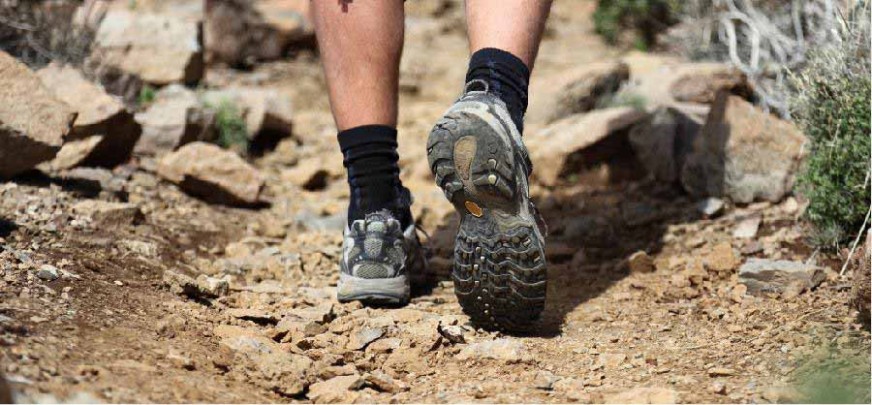
Style in footwear is a language. It communicates personality, intention, and attention to detail before a single word is spoken. In the 21st century, the dichotomy between “comfort shoes” and “fashion shoes” is rapidly dissolving. The rise of “athleisure” and sophisticated minimalist design proves that functionality and form are not mutually exclusive. A versatile walking shoe today can possess the clean lines of a classic sneaker, the sleek profile of a loafer, or the rugged appeal of a trail shoe, all while housing cutting-edge comfort technology. Think of the ubiquitous popularity of brands like Allbirds or Cole Haan’s Zerogrand line. Their success is built on the premise that people refuse to sacrifice elegance for ease.
This shift is reflected in cultural commentary. In her book “The Curated Closet,” style consultant Anuschka Rees argues that versatile pieces, including shoes, form the backbone of a intentional wardrobe. They are the “connective tissue” that allows for mix-and-match efficiency without sacrificing a cohesive look. A great walking shoe should transition effortlessly from jeans and a t-shirt to chinos and a blazer, or from a workout session to running errands. Its style should be timeless enough to avoid seasonal obsolescence yet contemporary enough to feel relevant. The color palette—often neutral tones like black, white, grey, navy, or olive—becomes crucial here. As fashion icon Gianni Versace once famously stated, “Don’t be into trends. Don’t make fashion own you, but you decide what you are, what you want to express by the way you dress and the way you live.” A truly stylish walking shoe allows you to embody that sentiment, giving you the freedom to express yourself without being a slave to fleeting trends.
The Engine of Adaptability: What Makes a Shoe Versatile?
Versatility is the practical magic of a superior shoe. It is the attribute that delivers maximum value from a single purchase. A versatile shoe is context-agnostic; it performs reliably across a spectrum of activities and environments. This is achieved through design intelligence and material selection. The outsole, for instance, needs a tread pattern that offers secure grip on both polished office floors and damp pavement, yet is not so aggressive that it looks out of place indoors. The upper material should be durable yet flexible, breathable for warm days, and ideally possess some water-resistant properties for unexpected drizzles.
From a user’s perspective, versatility translates to reduced decision fatigue and a lighter suitcase. You no longer need to pack three different pairs of shoes for a weekend trip—one well-chosen pair suffices. This principle is championed by minimalist travel experts and lifestyle bloggers, who often cite a single pair of versatile shoes as their most important packing hack. The economic and environmental benefits are also significant: buying fewer, higher-quality, multi-purpose items is a cornerstone of sustainable consumption. A study from the MIT Sustainable Fashion Lab suggests that extending the active life of a garment or shoe by just nine months can reduce its carbon and water footprint by 20-30%. Therefore, choosing a versatile, durable walking shoe is not just a personal convenience but a conscientious choice. It’s an investment in a product that earns its place in your life through repeated, varied use, eliminating the need for redundant, single-purpose footwear.
Synthesizing the Triad: A Guide to Your Next Purchase
Knowing the theory is one thing; applying it is another. When you next stand before a wall of shoes or browse an endless online catalog, filter your choices through these three lenses. First, prioritize comfort with a forensic approach. Read reviews from reputable sources like Runner’s World or Wirecutter that conduct lab tests on cushioning, flexibility, and stability. Look for technologies with proven track records, such as Adidas’s Boost or Asics’s Gel. Remember, the best walking shoe for someone else might not be the best for you, due to differences in arch type (neutral, pronated, supinated) and foot width.
Second, assess style through the lens of your existing wardrobe. Does the shoe’s silhouette and color complement the majority of your outfits? Avoid overly sporty logos or loud colors if your goal is seamless integration. Finally, test the concept of versatility. Mentally walk through a typical week in the shoes. Could you wear them to your job, on a light hike, and to a casual dinner? The construction should feel robust, the materials should appear easy to clean, and the design should not scream for a specific, limited context. Bringing professional knowledge to this decision empowers you to bypass marketing hype. And while premium technology commands a price, the landscape is rich with value. End-of-season sales, outlet stores, and reputable online retailers often offer significant discounts on previous models, where the core technology remains excellent and only the colorways have changed. The goal is to acquire enduring quality, not just the latest hype, at a price that reflects smart consumption.
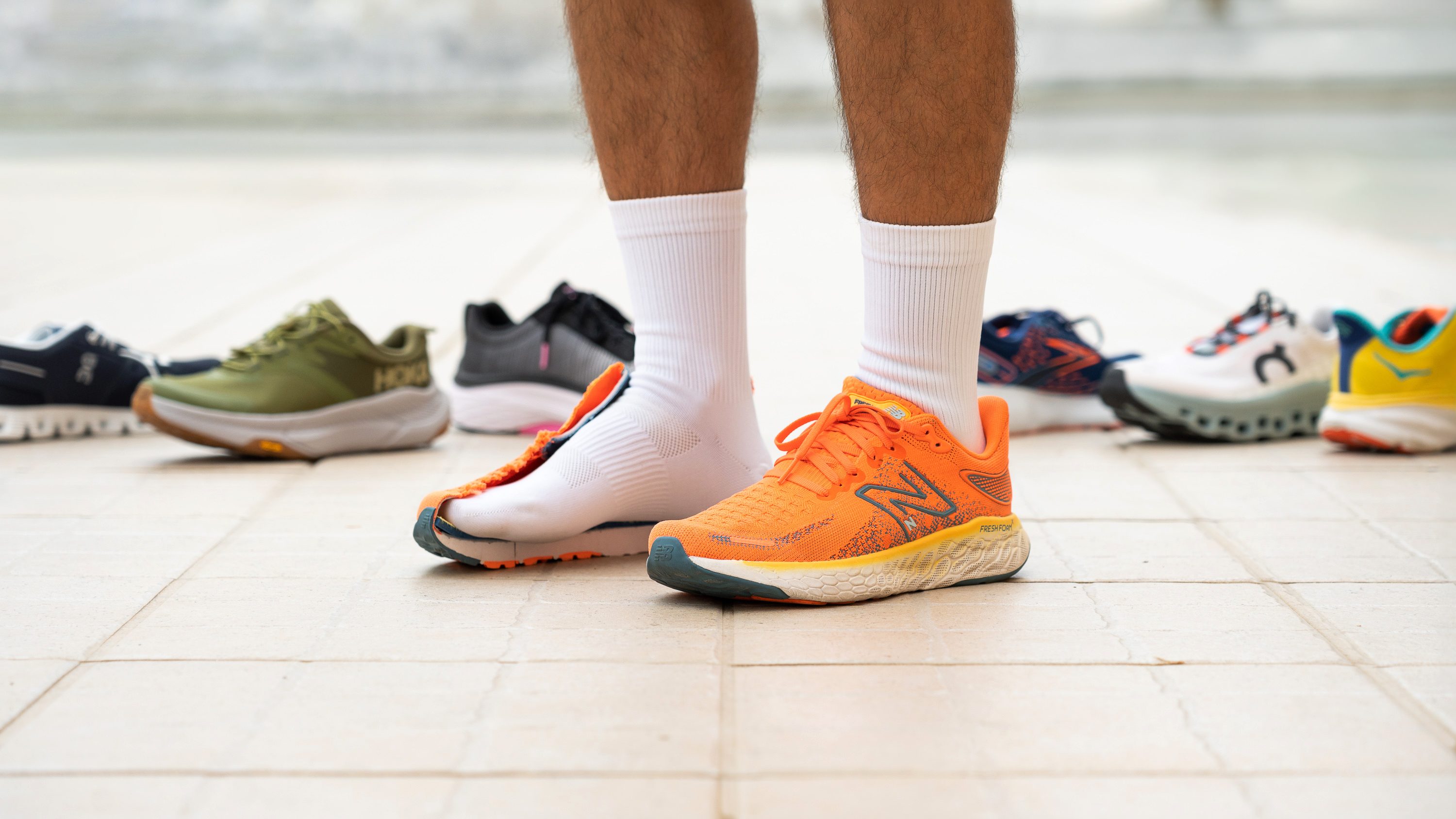
The pursuit of the perfect shoe is, in many ways, a pursuit of a more fluid and empowered daily experience. It is about refusing to accept that discomfort is the price of looking good, or that style must be abandoned for the sake of practicality. The modern walking shoe stands as a testament to human ingenuity, merging biomechanical research with design philosophy. It proves that we can have it all: a foundation that cares for our bodies, a form that delights our eyes and expresses our identity, and a functional breadth that simplifies our lives. When you lace up a shoe that embodies comfort, style, and versatility, you are not just putting on footwear; you are equipping yourself for the day on your own terms, ready to move through the world with confidence, ease, and intention. This is the new standard, and it is within reach for every step you take.
