

Leopard Print Heels: How to Style Them for a Bold and Chic Look
Leopard print is not merely a pattern; it is a declaration. When rendered on a pair of heels, it transforms from an accessory into the protagonist of your ensemble. This article dismantles the myth that animal prints are difficult to master, presenting instead a framework for harnessing their inherent power. We move beyond subjective style advice to ground our discussion in the psychology of pattern, the sociology of fashion, and the tangible geometry of outfit construction. Here, the cheetah print heels—often used interchangeably with leopard print in fashion parlance—are your tool for engineering a look that is calculatedly bold and inherently chic.
The Psychology and Heritage of the Pattern: Why Leopard Commands Attention
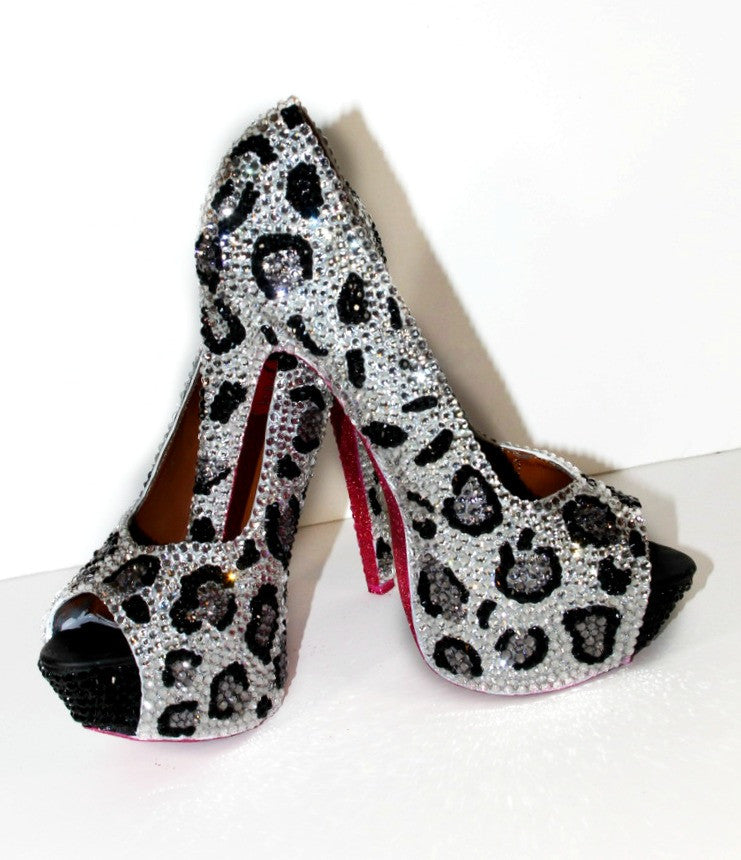
To style leopard print effectively, one must first understand its cultural and psychological weight. Scientifically, high-contrast, irregular patterns like leopard print create a visual phenomenon known as “perceptual pop-out,” where an element distinguishes itself immediately from a homogeneous background. This isn’t just artistic fancy; studies in visual cognition confirm that our brains are wired to notice such disruptive patterns quickly. Historically, the print carries a loaded symbolism. In Western fashion, its journey from signifier of the exotic and dangerous in the early 20th century to a symbol of untamed luxury and empowerment in the post-war era is well-documented. Fashion historian Valerie Steele, in her works featured on platforms like the Fashion Institute of Technology’s publications, has noted how designers like Christian Dior and Yves Saint Laurent appropriated the print, divorcing it from purely safari connotations and embedding it into the lexicon of haute couture and rebellious glamour. It became the uniform for those who wished to project confidence and a hint of feral elegance. A statement from fashion icon and actress Diane von Furstenberg encapsulates this: “Leopard print is a neutral. It is a state of mind.” This perspective, widely cited on platforms from Vogue to Quora, reframes the print not as a loud novelty, but as a foundational element. When you strap on a pair of cheetah print heels, you are tapping into this deep reservoir of meaning—you are choosing to be seen, to command space, and to align yourself with a lineage of sartorial audacity.
The Foundational Principle: Leopard as a Dynamic Neutral
The single most transformative concept in styling leopard is to cease viewing it as a “color” and start treating it as a dynamic neutral. In color theory, neutrals like black, white, navy, and beige serve as a backdrop. Leopard print, with its warm black and tan spectrum, performs the same function but with kinetic energy. This principle is your scientific styling blueprint. It means your cheetah print heels can seamlessly integrate with a monochromatic base. Pair them with an all-black ensemble—a black turtleneck, black tailored trousers, or a little black dress. The heels become the focal point, the single variable that transforms a classic formula into a statement of modern sophistication. Conversely, use them to ground brighter, solid colors. A vibrant emerald green dress or a cobalt blue jumpsuit finds an unexpected yet harmonious partner in leopard print, as the warm tones in the print complement rather than clash. This approach is endorsed by stylists from renowned websites like Who What Wear and Harper’s Bazaar, who consistently demonstrate that the print’s complexity can simplify your wardrobe choices. It eliminates the guesswork of pattern-mixing for beginners and provides a reliable anchor for more experimental dressers.
Architectural Silhouettes: Letting the Heels Define the Form
Once the print is established as your neutral, the next consideration is silhouette. The style of the heel itself dictates the architectural language of your outfit. A sleek cheetah print stiletto pump demands clean, sharp lines. Think tailored blazers, straight-leg denim, or a minimalist slip dress. The contrast between the wild print and the precise clothing creates a compelling tension—a look that is controlled yet fierce. This dichotomy is a recurring theme in powerful fashion imagery, from the pages of editorial spreads to the wardrobes of characters like Miranda Priestly in The Devil Wears Prada, whose authoritative style often relied on the sharp contrast of classic tailoring with a single, potent accessory. On the other hand, a cheetah print block heel or ankle boot lends itself to more volumetric or textured pieces. A flowing midi skirt, a chunky knit sweater, or wide-leg trousers balance the substantial base of the shoe. The goal is equilibrium. The visual weight of the clothing should be commensurate with the visual weight of the shoe. This isn’t arbitrary; it’s applied design philosophy, ensuring the outfit feels intentional and stable from head to toe.

Advanced Calculus: The Art of Pattern Mixing
For the sartorially adventurous, leopard print heels offer a gateway into the advanced calculus of pattern mixing. The key is varying scale and maintaining a cohesive color story. Since your cheetah print heels are now your neutral base, you can introduce a second pattern. A fine, closely spaced stripe (pinstripe on a suit, for instance) contrasts beautifully with the organic, medium-scale spots. Florals, particularly those with a black or tan base, can create a romantic, jungle-garden effect. The authoritative voice on this comes from designers like Missoni, whose entire brand is built on sophisticated pattern mixing. Literature from design schools like Parsons often uses such mixes as case studies in visual harmony. The rule of thumb is to ensure one color from the secondary pattern is pulled directly from the palette of the heels. This creates a closed loop for the eye, making the combination feel deliberate rather than chaotic. It’s a technique visible on runways and street style blogs, proving that leopard is a team player in a complex visual equation.
Texture as a Tactical Layer
Beyond pattern, texture is your most potent ally. Leopard print, especially on materials like suede or patent leather, already has a inherent textural quality. Amplify this by pairing your heels with contrasting fabrics. The soft, nubby feel of cashmere or wool against the sleekness of a patent leopard pump is deeply luxurious. Smooth silk or satin creates a glamorous, old-Hollywood contrast with the feral print. Denim, with its workwear origins, provides a perfect casual-cool counterpoint to the sophistication of the heels. This multi-sensory approach to styling—considering not just how an outfit looks but how the materials feel and interact—is a hallmark of advanced personal style. It’s the difference between wearing clothes and crafting a personal aesthetic. When you choose a pair of cheetah print heels, you are selecting a textural anchor that can elevate the most basic fabric into a conversation about contrast and luxury.
From Day to Night: The Versatility Equation
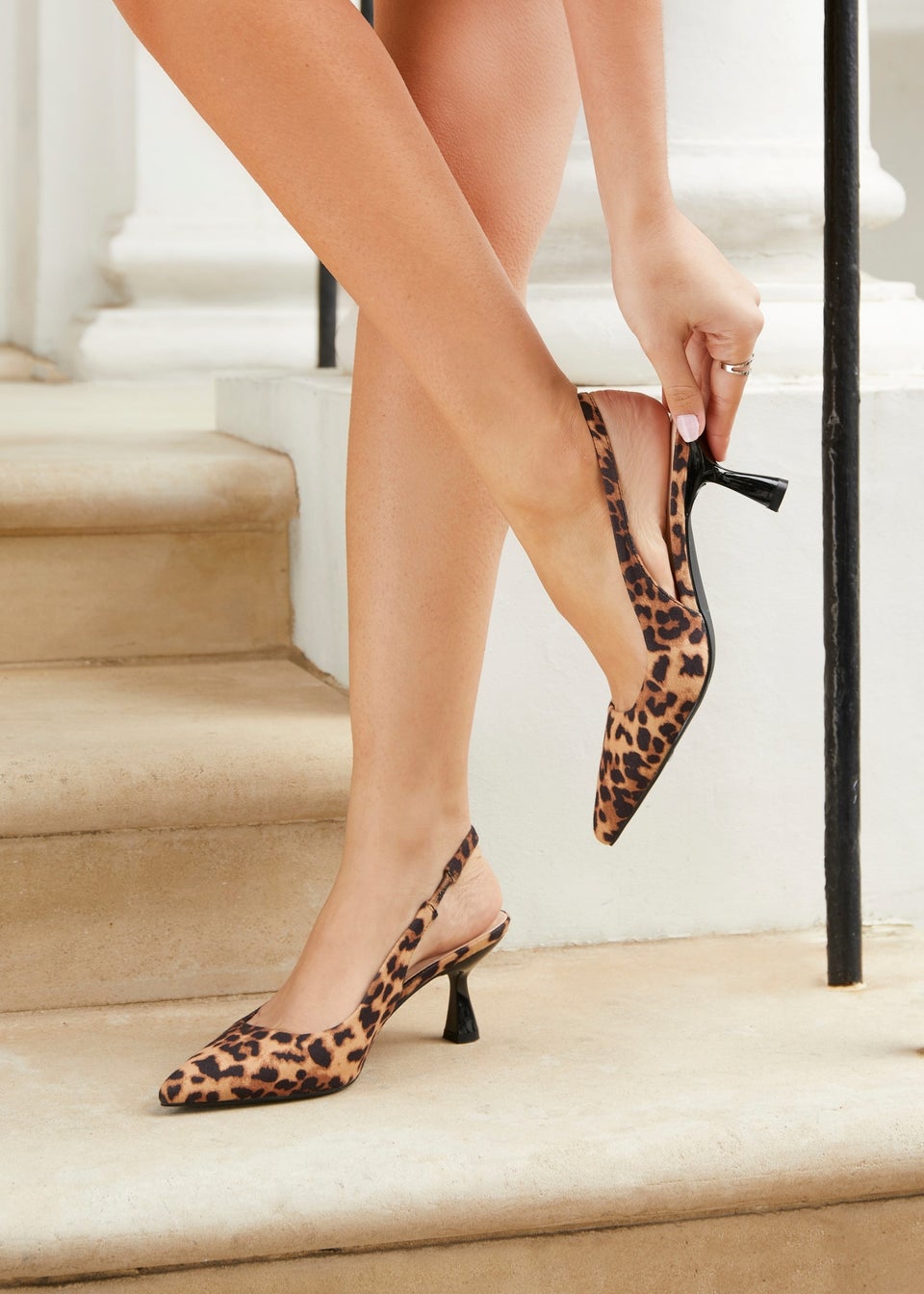
The true value of any wardrobe piece is measured in its versatility. A well-chosen pair of leopard print heels excels in this metric. For daytime, their “dynamic neutral” property shines. Wear them with dark, straight-leg jeans, a simple white tee, and a structured blazer. The outfit remains approachable and professional, but the heels inject a dose of personality that says you understand fashion’s language. For the office, pair them with a neutral-toned sheath dress or a midi skirt and sweater set. The look is polished but far from boring. As evening approaches, the transformation is seamless. Swap the jeans for a sleek black leather pant, the blazer for a velvet blazer or a silky camisole. The same heels now radiate a confident, downtown glamour. This day-to-night fluidity is not an accident; it is the direct result of treating the print as a core, adaptable component. It maximizes your cost-per-wear, a crucial concept in building an intelligent wardrobe. Investing in a quality pair from a reputable brand ensures they are not just a trend piece but a staple for seasons to come.
Professional Insight and Access
Understanding the styling theory is one thing; acquiring the right piece is another. When shopping for cheetah print heels, pay attention to construction. A well-made heel will have a secure fit, comfortable padding, and a stable heel base, whether it’s a stiletto or a block. Brands that specialize in statement footwear often use higher-quality materials for the print application, ensuring it doesn’t peel or fade. While luxury designers offer exquisite options, many contemporary brands provide scientifically sound footwear engineering—arch support, balanced weight distribution—at accessible price points. Look for sales on reputable multi-brand retailers or direct-from-brand promotions, especially during seasonal transitions. A price tag of $150-$250 can often secure a pair from a quality contemporary label that would serve as a wardrobe workhorse for years, a smart investment compared to fast-fashion alternatives that lack durability and comfort.

Leopard print heels are a sartorial catalyst. They are not an item to be approached with trepidation but with strategic enthusiasm. By deconstructing their role as a dynamic neutral, aligning their silhouette with your architectural lines, and thoughtfully engaging with pattern and texture, you engineer looks that are inherently bold and chic. The print carries a legacy of confidence; your styling choices are simply the method of application. Let the heels be the constant variable in your style equation, the element that reliably transforms the ordinary into a statement of deliberate, empowered elegance.
