

The Ultimate Guide to Tennis Shoes for Everyday Walking
For years, the debate has simmered: can a shoe designed for the lateral cuts and sprints of a tennis court truly support the repetitive, linear motion of a daily walk? The answer, supported by biomechanics and evolving design, is a resounding yes. The modern tennis shoes for walking have transcended their court-bound origins, offering a unique fusion of stability, cushioning, and durability that makes them a compelling, often superior, choice for the urban explorer and fitness walker alike. This guide isn’t about repurposing old sports gear; it’s about recognizing a specialized category of footwear engineered to meet the complex demands of your stride on pavement, trail, and everything in between.
The Biomechanical Bridge: Why Tennis Shoes Align with Walking
To understand the suitability of tennis shoes for ambulation, one must first dissect the biomechanical demands of both activities. Walking is a controlled fall, a cyclic motion where each foot undergoes a heel strike, midfoot stance, and toe-off. The primary forces are vertical and forward-propulsive. Tennis, however, is a symphony of explosive movements—sudden starts, stops, and lateral shifts. The key intersection lies in the foot’s need for stability and impact absorption. A study from the University of Calgary’s Human Performance Laboratory highlights that while running generates forces of 2-3 times body weight, brisk walking can still produce forces of 1-1.5 times body weight, concentrated on the heel and forefoot. Tennis shoes are inherently built to manage high-impact, multi-directional forces. Their midsole foams, like ASICS’ GEL or Nike’s Air, are designed to dissipate shock from hard court surfaces—a property directly transferable to concrete sidewalks. Furthermore, the reinforced “outrigger” or widened lateral sole found in many tennis models, crucial for preventing ankle rolls during side-to-side movement, provides an exceptional base of support for walkers, especially those with overpronation. As renowned podiatrist Dr. William Rossi noted in his book The Professional Shoe Fitting Manual, “The foot does not know if it is on a court or a path; it knows only if it is supported, cushioned, and allowed to function naturally.” The structural integrity built into a quality pair of tennis shoes for walking addresses these fundamental needs, creating a biomechanical bridge between two seemingly different worlds.
Deconstructing the Anatomy: Key Features of a Walking-Ready Tennis Shoe
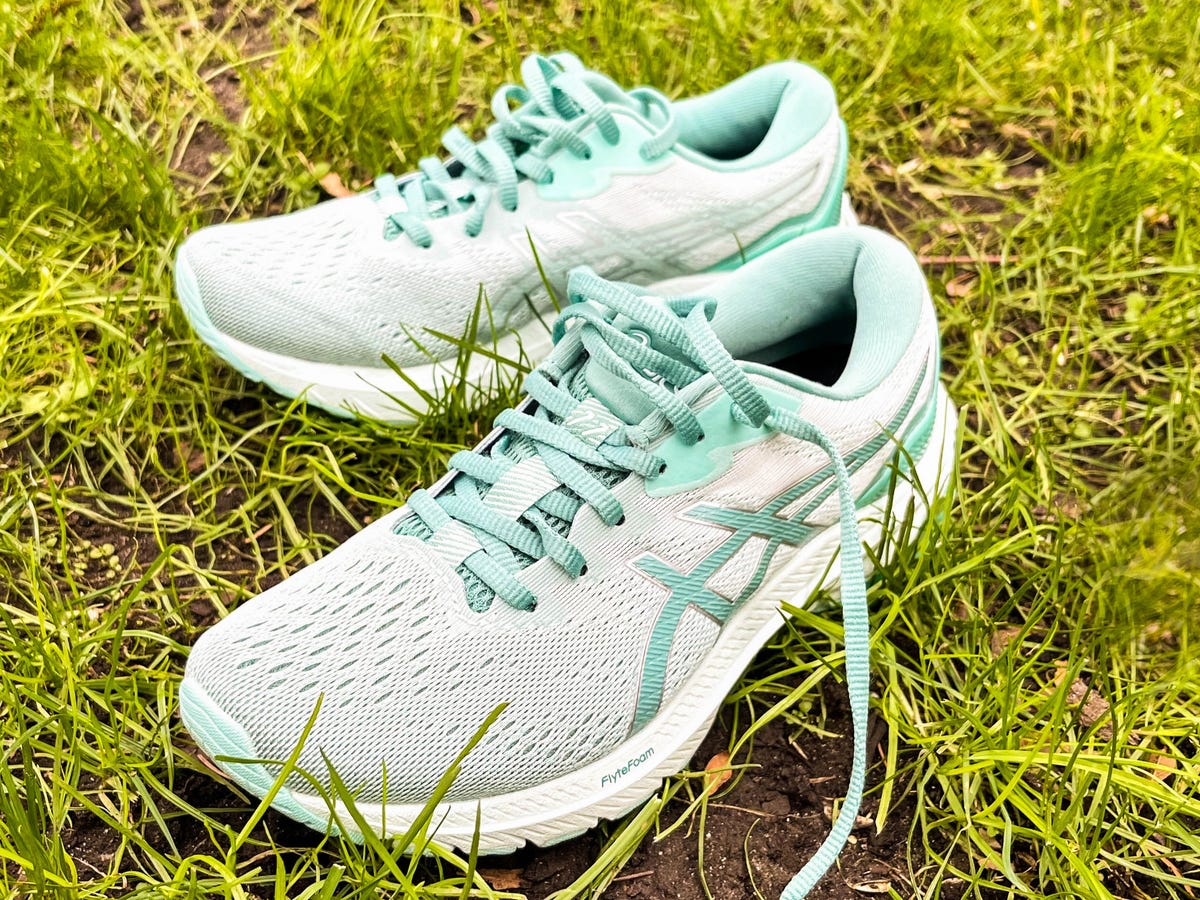
Not all tennis shoes are created equal for pedestrian purposes. The ideal candidate possesses a specific anatomy. First, examine the upper. While traditional running shoes may prioritize ultra-lightweight, breathable meshes, tennis uppers often incorporate more durable synthetic leather or reinforced textiles in high-wear areas (the toe drag zone). This translates to exceptional longevity for walkers, resisting scuffs from curbs and debris. Next, the midsole is the heart of the matter. Look for technologies that offer a balance of responsive cushioning and stability. For instance, Adidas’ Boost foam, celebrated for its energy return, was born from a partnership with chemical giant BASF and provides relentless comfort mile after mile. The outsole pattern is equally critical. A herringbone or modified tread pattern common on tennis shoes offers superb traction on a variety of dry surfaces, from asphalt to boardwalk. However, it may lack the deep lugs needed for muddy trails. Finally, the heel counter—the rigid cup at the back—is typically more robust in tennis shoes to lock the heel down during aggressive play, a feature that minimizes heel slippage and promotes a secure, stable walking gait. This confluence of durable uppers, shock-absorbing midsoles, grippy outsoles, and secure heel counters defines the archetype of an excellent tennis shoes for walking.

A Comparative Lens: Tennis Shoes vs. Dedicated Walking Shoes
Placing the tennis shoe beside its dedicated walking counterpart reveals a nuanced picture. Traditional walking shoes, like those from Skechers or New Balance’s walking line, often emphasize a pronounced rocker sole. This curved geometry is designed to propel the foot forward smoothly, reducing strain on the Achilles and calf. Tennis shoes typically have a flatter profile to ensure full-court ground contact. For walkers who prefer a more natural, less “rocking” gait, this can be an advantage. In terms of cushioning, walking shoes may focus on plush, soft foams (like memory foam) for immediate comfort, while tennis shoes prioritize resilient, durable foams that retain their bounce over time. The trade-off is often initial feel versus long-term performance. As highlighted in a comparative review by Verywell Fit, a trusted health and fitness site, “A performance tennis shoe can offer a level of medial support and torsional rigidity that some dedicated walking shoes sacrifice for flexibility.” Therefore, the choice isn’t about which is universally better, but which aligns with your biomechanics. If you value supreme stability, durability, and a grounded feel, a well-chosen tennis shoe may outperform a generic walking model. The versatility of tennis shoes for walking shines here, offering a performance-oriented alternative.
Selecting Your Perfect Pair: A Practical Framework
Choosing the right model requires a strategic approach. Begin with fit. Your walking shoe should have a thumb’s width of space in the toe box to allow for natural foot splay and swelling during long walks. The width is crucial; tennis shoes can sometimes run narrow to enhance a “locked-down” feel. Brands like New Balance often offer wide options. Second, consider your walking terrain and style. For primarily pavement pounding on a regular route, a hard-court tennis shoe with durable rubber is ideal. If your walks incorporate gravel paths or park trails, an all-court or clay-court model with a more versatile tread might be better. Third, prioritize cushioning technology. Brands invest heavily in proprietary systems. For example, Nike’s React foam is lauded for its lightweight, springy cushioning, ideal for a brisk, energetic walking pace. As professional tennis player and commentator Chris Evert once remarked,
“On the court, your shoes are your foundation. You don’t think about them when they’re right; you only notice when they’re wrong. That same principle applies off the court. The right support lets you focus on the journey, not your feet.”
This insight underscores the importance of invisible support. Finally, do not underestimate weight. A lighter shoe reduces leg fatigue over distance. Modern tennis shoes, using materials like engineered mesh and phylon foam, have become remarkably light without sacrificing structure. Applying this framework transforms the search from overwhelming to targeted, guiding you to a pair of tennis shoes for walking that feel like a natural extension of your body.

Investment and Value: The Longevity Equation
From a value perspective, tennis shoes present a compelling argument. Their construction is battle-tested. The abrasion-resistant toe guards, robust outsoles made of high-density rubber (like Adidas’ Adiwear), and reinforced uppers are designed to withstand the sandpaper-like friction of a hard court. This durability directly translates to a longer lifespan on pavement. While a typical running shoe might be recommended for replacement every 300-500 miles, a durable tennis shoe used exclusively for walking can often exceed that range, making the cost-per-mile more favorable. Furthermore, the performance heritage often means they incorporate a brand’s latest cushioning and support technologies. You are, in effect, getting “trickle-down” performance engineering. It’s also worth monitoring sales cycles. Major sporting goods retailers frequently discount previous-season models of performance tennis shoes. A top-tier model from ASICS, Nike, or Adidas, originally priced for serious athletes, can often be found at a significant discount—sometimes 30-40% off—once the new colorways are released. This allows you to access premium technologies at an accessible price point, making the investment in a high-quality pair of tennis shoes for walking both a smart biomechanical and financial decision.

The journey to finding ideal walking footwear need not be confined to a single aisle labeled “walking.” By embracing the engineered stability, adaptive cushioning, and proven durability of modern tennis shoes, you unlock a category of footwear uniquely qualified to support your daily miles. They offer a foundation that is both resilient and responsive, turning every walk from a simple commute into a comfortable, supported pursuit. The evidence from biomechanics, material science, and practical longevity converges on a single point: for many walkers, the path to greater comfort and performance is paved not with specialized walking shoes, but with the versatile, robust excellence of tennis shoes for walking.
