

The Ultimate Guide to Toe Walker Shoes for Effortless Chic
Forget everything you thought you knew about footwear. The pursuit of style often feels like a compromise, a delicate dance between aesthetic allure and physical comfort. We’ve been told that elegance requires a certain posture, a specific heel height, a particular arch. But what if the most effortless chic emerged not from contorting the foot, but from liberating it? This is the promise and the paradigm shift offered by toe walker shoes. They are not merely a trend; they are a reclamation of natural biomechanics, wrapped in sophisticated design. This guide isn’t about understanding a niche product; it’s about discovering a tool for a more aligned, confident, and stylish way of moving through the world.
Deconstructing the Step: The Science of Natural Gait
To appreciate the revolution of toe walker shoes, we must first examine the conventional shoe’s impact. For centuries, mainstream footwear, particularly those with elevated heels and rigid soles, has fundamentally altered human gait. As noted in biomechanics literature from institutions like Harvard University’s Skeletal Biology Lab, the natural human walking pattern is a complex, energy-efficient sequence involving heel strike, foot flat, mid-stance, and finally, toe-off. The propulsion phase—the toe-off—is crucial for forward momentum. Traditional shoes with a significant heel-to-toe drop (the height difference between heel and forefoot) encourage a pronounced heel strike, which can send shockwaves up the kinetic chain, affecting ankles, knees, and even the lower back. In contrast, the design philosophy behind toe walker shoes seeks to minimize this drop, promoting a more neutral, mid-foot or forefoot strike. This isn’t a novel, fringe idea. The concept finds roots in the barefoot running movement, popularized by books like Christopher McDougall’s “Born to Run,” which highlighted how cultures without modern footwear exhibited remarkably low rates of foot-related injuries. The toe walker shoes translate this principle into everyday wear, offering a sole that allows the foot’s intrinsic muscles to engage, the arch to support itself naturally, and the toes to splay for balance—cornerstones of what podiatrists call “foot core” stability.
From Clinic to Catwalk: The Evolution of a Style Statement
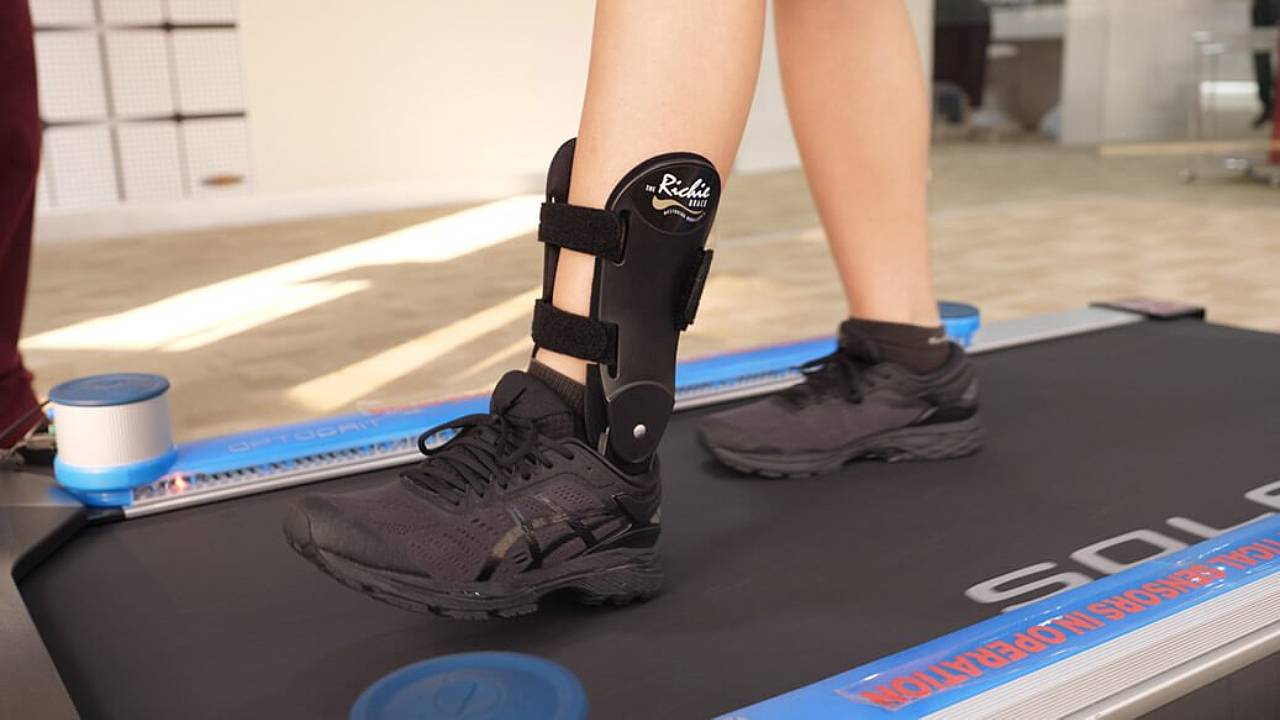
The journey of these shoes from specialized gear to fashion staple is a fascinating case study in form meeting function. Initially, minimalist footwear was confined to athletic or therapeutic contexts. However, visionary designers saw potential beyond the gym or clinic. They asked: what if we imbued this biomechanically sound foundation with high-fashion materials, sleek silhouettes, and artisanal craftsmanship? The result is the modern toe walker shoes you see today. Brands have masterfully integrated luxe leathers, sustainable textiles, and architectural shapes with the essential zero- or minimal-drop sole. This fusion has been endorsed by style icons and wellness advocates alike. On platforms like YouTube, certified movement coaches and physiotherapists, such as those from The Gait Guys channel, often discuss the benefits of minimalist footwear for posture and pain reduction. Simultaneously, fashion influencers on Instagram and Twitter showcase how these shoes pair seamlessly with everything from tailored suits to flowing dresses, proving that anatomical correctness does not preclude aesthetic excellence. The shoe has shed its purely clinical skin to become a symbol of intelligent luxury—a purchase that cares for the body while adorning it.
The Anatomy of Effortless Chic: Key Design Features
Not every flat shoe qualifies. True toe walker shoes are defined by a constellation of specific design features that work in concert. First, the Zero-Drop Platform: This is the non-negotiable core. The heel and forefoot are on the same plane, aligning the spine into a more neutral position, as explained by chiropractic literature from sources like the Journal of Chiropractic Medicine. This alignment reduces strain on the Achilles tendon and calf muscles, encouraging a more upright, poised posture. Second, Flexible, Thin Soles: The sole provides essential protection from the ground while maintaining sensory feedback. You can almost “feel” the terrain, which enhances proprioception—your body’s awareness of its position in space. This feature is frequently cited on Quora discussions by long-term barefoot shoe wearers who report improved balance and foot strength. Third, A Wide Toe Box: Unlike conventional shoes that taper, these allow your toes to rest in their natural, splayed position. This design, supported by studies from the American Podiatric Medical Association, helps maintain the foot’s natural width, prevents issues like bunions, and creates a stable base of support. Finally, Secure Heel Counter: While the front is free, the heel is snugly held to prevent slippage and ensure stability with each step. Together, these elements create a shoe that doesn’t just house your foot but collaborates with it.

Curating Your Wardrobe: Styling for Impact and Ease
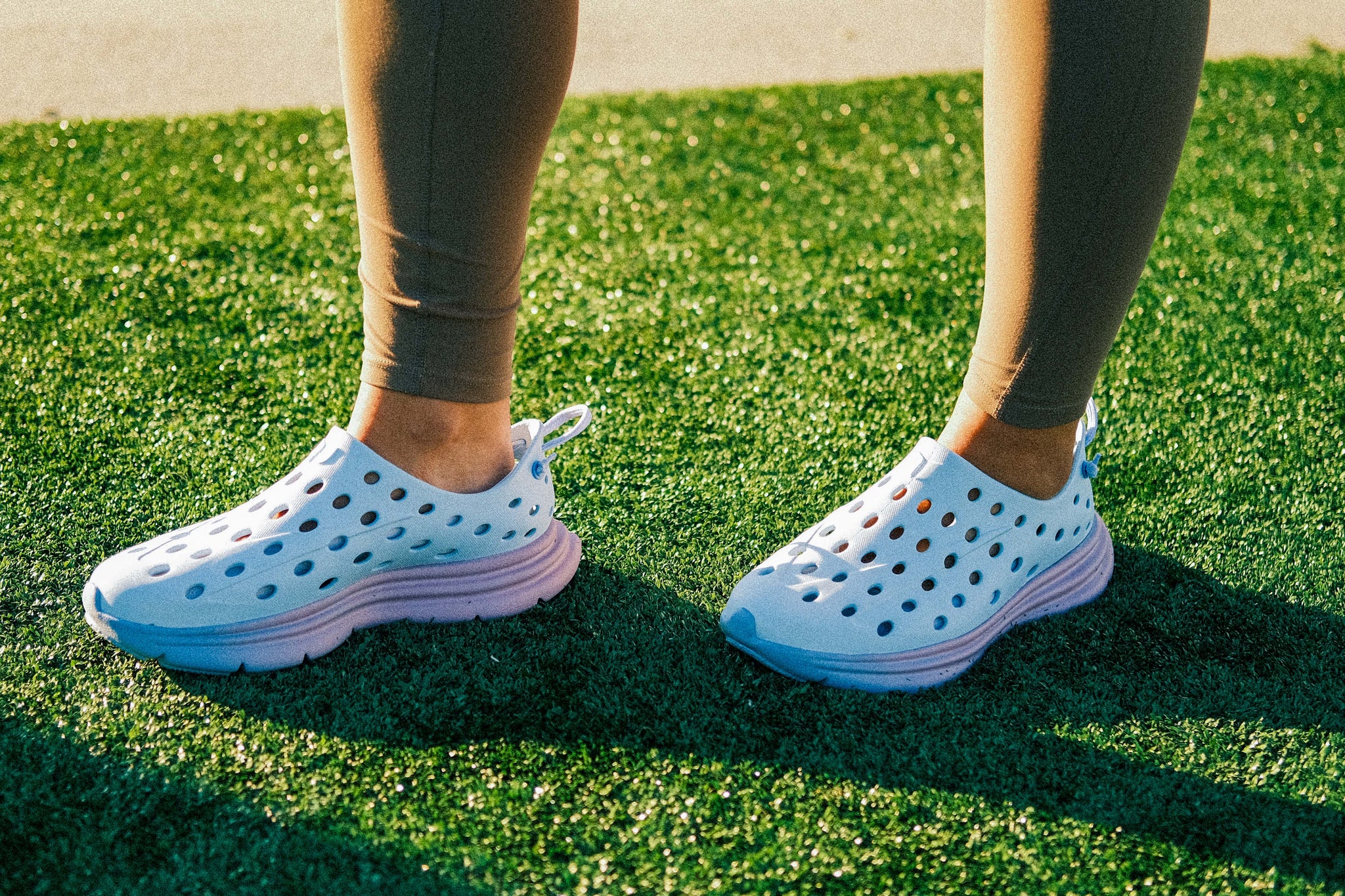
The beauty of these shoes lies in their chameleonic versatility. Their clean, often minimalist lines make them a perfect foundational piece. For a look of powerful elegance, pair a sleek, black leather pair with wide-leg trousers and a structured blazer. The elongated line created by the flat, fluid shoe visually lengthens the leg, an effect celebrated by stylists on fashion websites like Who What Wear. For a softer, romantic aesthetic, consider a style in suede or with subtle detailing alongside a midi dress or a flowing skirt. The shoe grounds the outfit without weighing it down. Even in casual settings, with denim and a simple tee, the right pair elevates the ensemble from slouchy to intentionally relaxed. The style philosophy here mirrors the functional one: remove the unnecessary. By stripping away the artificial height and constraint, the focus returns to the cut of your clothing, the drape of the fabric, and the confidence of your stride. As the famous designer Coco Chanel once advised, “Elegance is refusal.” In this context, toe walker shoes are an elegant refusal of discomfort and impracticality, a choice that prioritizes the body’s wisdom.
An Investment in Longevity: Beyond the Price Tag
Adopting this footwear is an investment, both financially and physiologically. High-quality pairs from reputable brands command a price that reflects their specialized materials, ergonomic research, and ethical manufacturing. However, this cost must be viewed through the lens of cost-per-wear and holistic value. A well-constructed pair, often featuring resoleable Goodyear welts or premium full-grain leathers, can last for years, far outliving fast-fashion alternatives. More importantly, the investment in your musculoskeletal health is incalculable. By promoting natural alignment, these shoes can help mitigate common issues like plantar fasciitis, knee pain, and lower back tension, potentially reducing future medical expenses. To make this investment more accessible, savvy shoppers should look for end-of-season sales, subscribe to brand newsletters for exclusive discounts, or explore slightly older models from a brand’s core collection, which often retain the key technological features at a reduced price. Remember, you are not just buying a shoe; you are investing in a tool for sustained well-being and style—a purchase that pays dividends with every comfortable, chic step you take.
The First Step: A Mindful Transition
If your feet have spent a lifetime in conventional shoes, a transition period is not just recommended; it is essential. Your foot and calf muscles, potentially underused for decades, need time to adapt and strengthen. Start by wearing your new toe walker shoes for just an hour or two indoors. Gradually increase the duration over several weeks. You may experience some mild calf tightness as your body relearns its natural gait pattern—this is normal. Complement the transition with simple foot exercises: toe spreads, calf raises, and rolling the sole of your foot over a frozen water bottle. Resources from authoritative sources like the American College of Sports Medicine provide excellent guidance on foot strengthening. Listen to your body. The goal is not to endure pain, but to build capability. This mindful approach ensures that the shift is sustainable, allowing you to fully embrace the freedom and elegance these shoes are designed to provide.

The narrative around footwear is changing. We are moving away from the idea that style must be a sacrifice, that beauty is synonymous with suffering. Toe walker shoes stand at the intersection of this change, offering a profound alternative: sophistication born from simplicity, elegance derived from ease, and style powered by science. They invite you to walk as nature intended, but to do so with unparalleled grace and intention. This isn’t the conclusion of a style search; it’s the beginning of a more authentic, aligned, and effortlessly chic way of moving through life.
