

The Ultimate Walking Shoe Guide: Comfort Meets Style for Every Step
Forget the notion that comfort and style exist in separate worlds. The modern walking shoe has evolved into a sophisticated fusion of biomechanical engineering and aesthetic design, a tool that empowers every stride of your day. Whether you’re navigating city streets, exploring nature trails, or simply seeking relief during long hours on your feet, the right pair is not an accessory but a foundation for well-being. This guide delves beyond superficial trends, anchoring its advice in scientific principles and expert insights to help you discover footwear that truly supports your journey. We’ll dissect the anatomy of the perfect walk, translate technical jargon into actionable knowledge, and connect you with options that honor both your body’s needs and your personal style, all while keeping an eye on value.
The Foundation: Understanding Foot Biomechanics and Shoe Anatomy
To choose intelligently, one must first understand what a walking shoe is engineered to do. Walking is a complex, repetitive gait cycle involving heel strike, midfoot roll, and toe-off. Each phase places distinct demands on footwear. According to research from institutions like the University of Virginia’s Motion Analysis and Motor Performance Laboratory, improper shoe support can lead to a cascade of issues, from plantar fasciitis and shin splints to knee and hip pain. The core components of a walking shoe each play a critical role. The midsole, often made from EVA (ethylene-vinyl acetate) foam or polyurethane, is the primary shock absorber. Its density and construction determine cushioning and stability. The outsole provides traction and durability; its pattern and rubber compound vary for pavement versus trail. The upper must offer a secure, breathable fit, while the heel counter—the firm cup at the back—stabilizes the foot to prevent excessive rolling (overpronation or supination). As Dr. Casey Kerrigan, a former Harvard Medical School professor and gait analysis expert, has often highlighted, “Shoes that are too rigid can inhibit natural foot motion, while those too flexible may offer insufficient support.” The ideal walking shoe finds the balance, protecting without interfering.
Cushioning vs. Support: Decoding the Core Debate
A common point of confusion lies in distinguishing between cushioning and support. They are complementary, not identical. Cushioning refers to the shoe’s ability to attenuate impact forces—the “softness” you feel when your heel hits the ground. Advanced materials like Adidas’s Boost or Brooks’s DNA LOFT offer responsive, energy-returning cushioning. However, as noted in reviews on authoritative sites like Runner’s World, maximal cushioning isn’t always better for everyone; it can sometimes create instability. Support, on the other hand, involves structural elements that guide the foot’s motion. This includes medial posts (denser foam on the inner side of the midsole for overpronators), arch shapes, and the aforementioned heel counter. A well-supported shoe feels secure and “guides” your step without forcing it. Think of it this way: cushioning is about comfort upon impact, while support is about control throughout the entire gait cycle. Your need for each depends on your foot type (neutral, flat, or high-arched), weight, and walking terrain. A proper gait analysis, often available at specialty running stores, can provide invaluable data here.
The Material World: Innovation in Comfort and Durability
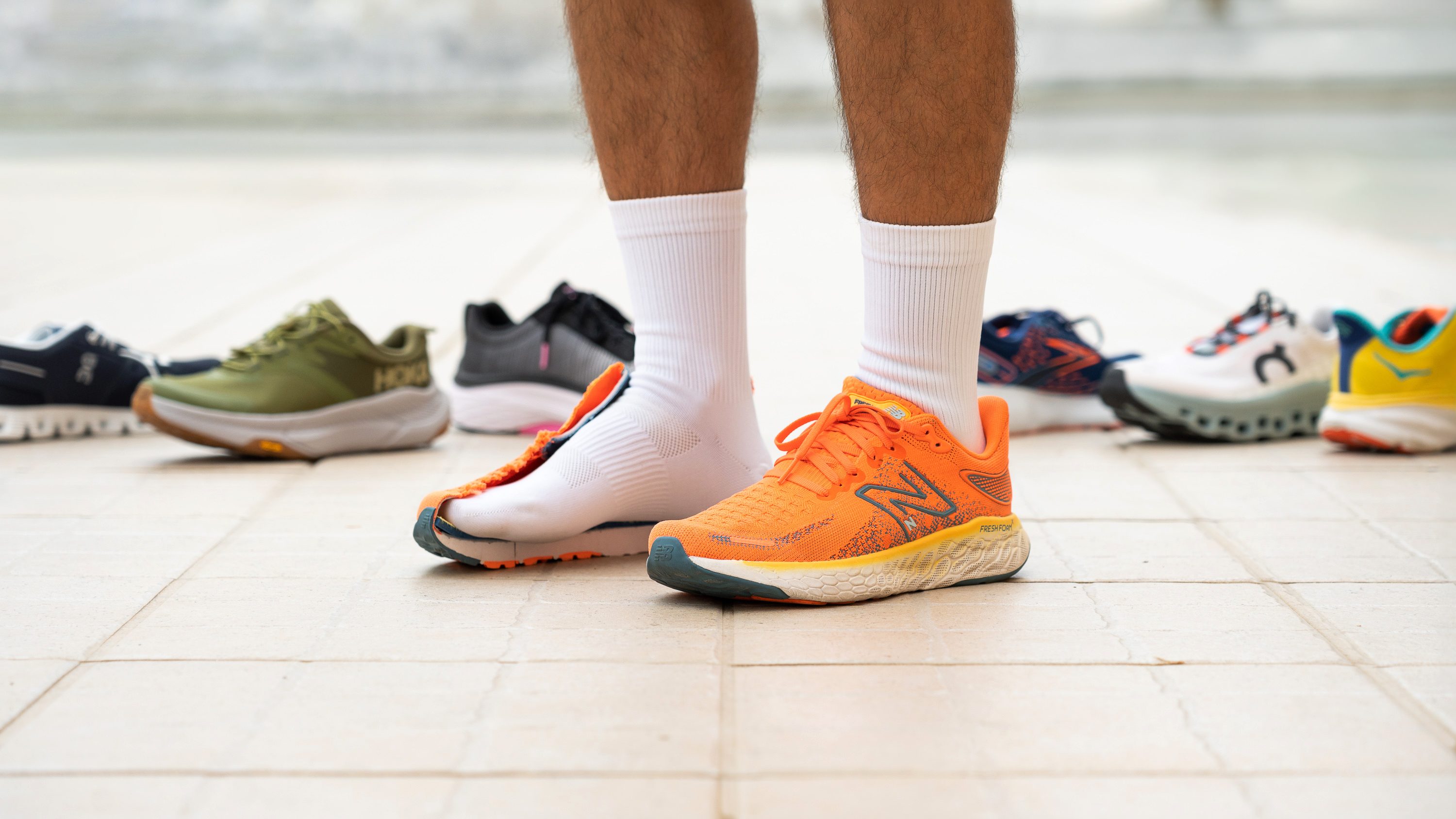
The evolution of materials has revolutionized what a walking shoe can be. Traditional leather uppers, while durable, are giving way to engineered meshes and knit fabrics. These modern materials, like those used in brands such as Allbirds or Nike’s Flyknit, provide targeted breathability and adaptive stretch, conforming to the foot’s shape for a sock-like fit. In the midsole, the shift from standard EVA to thermoplastic polyurethanes (TPU) and supercritical foams has been a game-changer. As explained in material science publications, these compounds offer greater energy return and longer-lasting resilience, meaning the cushioning doesn’t “pack out” and lose its spring as quickly. The outsole, too, has seen innovation with carbon rubber for high-wear areas and blown rubber for lighter weight and better grip. When evaluating a shoe, consider the lifecycle of these materials. A YouTube channel like Rose Anvil, which cuts shoes in half to analyze construction, provides a stark, objective look at durability and material quality, often revealing the true value proposition behind the marketing.
From Pavement to Path: Selecting the Right Tool for the Terrain
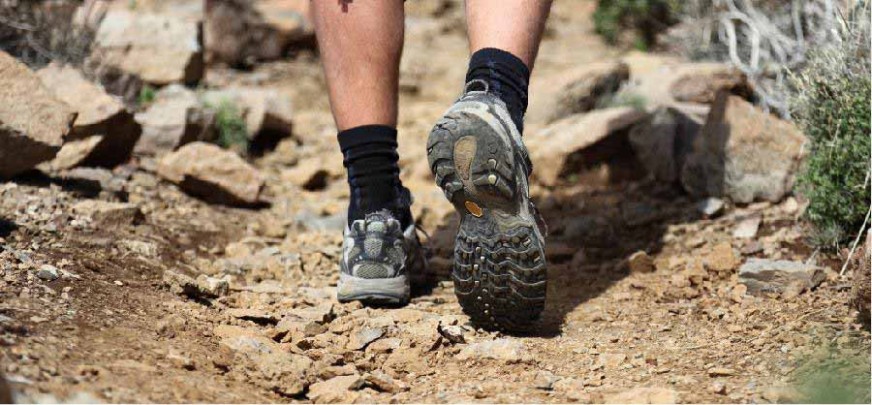
Your walking environment dictates specific shoe requirements. Road Walking Shoes prioritize cushioning to handle relentless hard surfaces and often feature smoother, more flexible outsoles for efficient heel-to-toe transition. They tend to be lighter. Trail Walking Shoes introduce elements like aggressive, multi-directional lugs on the outsole for mud and loose dirt, protective rock plates to shield the foot from sharp stones, and more durable, often water-resistant uppers. A hybrid category, sometimes called “light trail” or “urban hiker,” blends a rugged look with sufficient cushioning for mixed surfaces. The choice isn’t merely practical; it’s a safety consideration. Slipping on a wet rock or experiencing foot fatigue from inadequate pavement cushioning can cut a wonderful walk short. Renowned outdoor educator and author John Muir, though he hiked in simpler footwear, implicitly understood the principle: “The mountains are calling and I must go”—but going prepared, with the right equipment, ensures you can answer that call repeatedly and joyfully.
The Style Equation: When Your Shoes Reflect Your Persona
Let’s address the elephant in the room: for decades, “comfort shoes” were synonymous with clunky, aesthetically challenged designs. That era is over. Today, brands from ECCO and Cole Haan to On and Hoka have demonstrated that technical performance can coexist with sleek, modern silhouettes. The rise of “athleisure” has normalized wearing performance footwear in everyday contexts. Choosing a stylish walking shoe is not vanity; it’s an expression of holistic self-care. When you feel good about what you’re wearing, you’re more likely to walk more, to choose stairs over elevators, to extend that evening stroll. It integrates wellness seamlessly into your identity. Fashion icons have taken note. As designer Tom Ford once stated, “Dressing well is a form of good manners.” Extending that philosophy to footwear means respecting both your body’s needs and the social or professional context you’re in. The market now offers everything from polished leather walkers that fit in at an office to vibrant, fashion-forward sneakers that make a statement.
The Investment and The Cycle: Cost, Value, and Knowing When to Let Go
A high-quality walking shoe is an investment in your physical health. While prices can range from $50 to over $200, the key metric is cost per mile. A $150 shoe that lasts 500 miles of walking costs 30 cents per mile. A $60 shoe that breaks down or loses support after 150 miles costs 40 cents per mile and may lead to discomfort or injury. Look for value in construction, material quality, and brand reputation for durability. Furthermore, even the best shoes have a finite lifespan. The American Podiatric Medical Association recommends replacing walking shoes every 300-500 miles. Signs of wear aren’t always on the outsole; the midsole compresses long before the bottom wears through. If the shoe no longer feels supportive or resilient, or if you start developing new aches, it’s time. To maximize value, consider previous-season models, which often see significant discounts (sometimes 30-50% off) as new colorways are released, without sacrificing core technology.
:max_bytes(150000):strip_icc()/when-should-i-replace-my-walking-shoes-3436325-0801-7a1840d83573471092e0380f9e230ecc.jpg)
The journey to finding your perfect walking companion is a blend of self-knowledge and technical understanding. It requires listening to your body, analyzing your habits, and interpreting the language of shoe design. By prioritizing the symbiotic relationship between biomechanical support and personal expression, you elevate walking from a mere mode of transport to a sustained, joyful practice. The right shoe unlocks potential—for longer explorations, pain-free days, and a confident stride that carries you through life’s varied landscapes. Let your choice be informed, intentional, and a step toward a more active, comfortable you.
