

The Walking Shoe: Your Ultimate Guide to Comfort and Style for Every Outfit
Forget the notion that practicality must sacrifice aesthetics, or that a stylish shoe condemns you to a day of discomfort. The modern walking shoe has evolved into a sophisticated hybrid, a piece of engineering designed to carry you through miles of pavement or errands while complementing, not clashing with, your personal style. This isn’t about a single, bulky sneaker hidden in the closet for “walking days.” It’s about cultivating a small, intentional collection of footwear that serves as the foundation for a dynamic, comfortable, and confident life. We’re moving beyond mere foot coverings; we’re discussing tools for wellness, expressions of personal taste, and the unsung heroes of daily mobility. The right pair can transform a commute into a pleasure, a shopping trip into an adventure, and an outfit from “complete” to “cohesive.” Let’s dismantle the old paradigms and explore how the perfect walking shoe seamlessly integrates into every facet of your wardrobe and life.
The Foundation: Understanding Foot Biomechanics and Shoe Architecture
Before we delve into style pairings, we must first appreciate the science beneath our feet. Walking is a complex series of biomechanical events—heel strike, foot flattening (pronation), mid-stance, and toe-off. A proper walking shoe is architecturally distinct from a running shoe. As noted by researchers at the University of Virginia’s Motion Analysis and Motor Performance Laboratory, the gait cycle for walking involves a longer period of heel contact and a more rolling motion through the foot. Therefore, an ideal walking shoe features a beveled or rounded heel to facilitate a smooth heel-to-toe transition, ample flexibility at the forefoot to aid push-off, and firm heel counter to stabilize the rearfoot. The concept of “cushioning” is often misunderstood. It’s not simply about softness; it’s about targeted energy return and shock dissipation. Materials like EVA (Ethylene-Vinyl Acetate) foam, polyurethane, and advanced gels (like ASICS’ GEL technology, famously visible in their transparent heel units) are engineered to absorb vertical impact forces that travel up the skeletal system. Dr. Casey Kerrigan, a former Harvard Medical School professor and founder of a biomechanics-focused footwear company, has published studies suggesting that overly cushioned shoes can sometimes lead to increased joint loading by altering natural gait patterns. Thus, the “best” cushioning is that which provides protection without overly interfering with the foot’s intrinsic motion. This scientific foundation is non-negotiable; style is built upon this pillar of biomechanical integrity.
Style Synergy: Pairing Walking Shoes with Your Wardrobe Archetypes
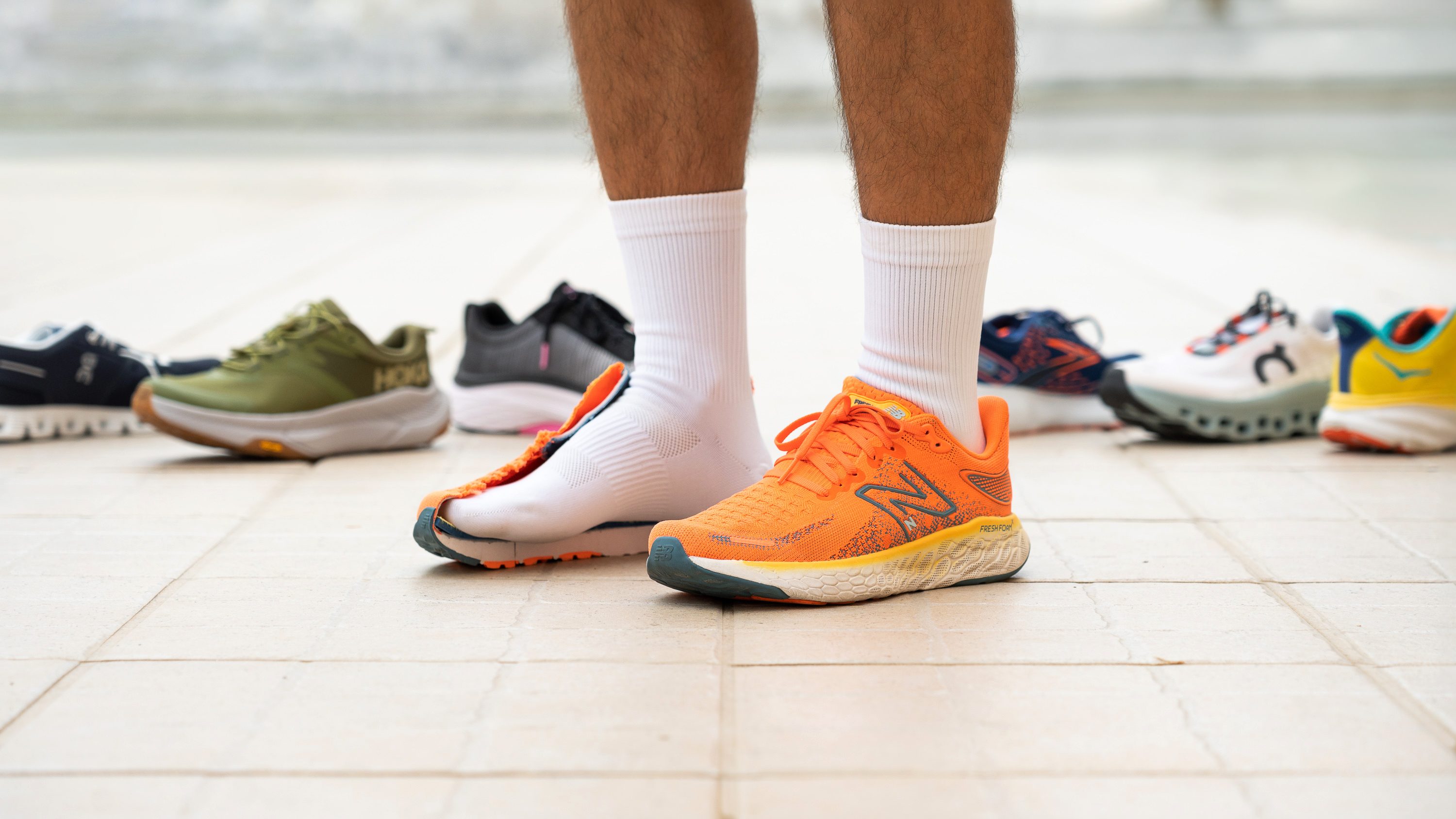
The days of the purely athletic sneaker dominating the walking category are over. Today’s market offers a spectrum that bridges performance and fashion. Let’s categorize your potential wardrobe and match it with the appropriate walking shoe silhouette. For the Classic & Tailored wardrobe, think crisp chinos, button-downs, blazers, and simple dresses. Here, a minimalist white leather or grey suede sneaker from brands like Cole Haan or certain ECCO styles excels. They offer the clean lines of a fashion sneaker but with the hidden comfort technology of a performance brand. The key is a lack of overt, colorful technical branding. For the Urban & Casual style, encompassing denim, tees, hoodies, and utility wear, the chunkier “dad shoe” or retro runner aesthetic works perfectly. Brands like New Balance 990 series or Asics Gel-Kayano provide iconic styles with legendary comfort. As sneakerhead culture, documented extensively on platforms like Complex and Hypebeast, has shown, these shoes are as much a fashion statement as they are functional. For Active & Technical attire, where you might go from a walk straight to a gym session, a shoe like the HOKA Clifton or Bondi series is ideal. Their maximalist cushioning and rocker soles are designed for mileage, and their sleek, monochromatic colorways pair surprisingly well with technical fabrics and leggings. Finally, for Smart-Casual or business-casual environments that require a polished look, consider leather walking shoes or “comfort dress” hybrids. Brands like Rockport and Clarks have pioneered this space, embedding cushioning systems into oxfords, loafers, and ankle boots. The goal is synergy—your shoes should feel like a natural, intentional extension of your outfit, not a practical afterthought.
:max_bytes(150000):strip_icc()/vwt-asics-womens-gel-pulse-16-jinfeng-chen-21-712f0f140e834b84b3a8dcf0bf154771.jpeg)
The Technology Deep Dive: Materials That Make the Mileage
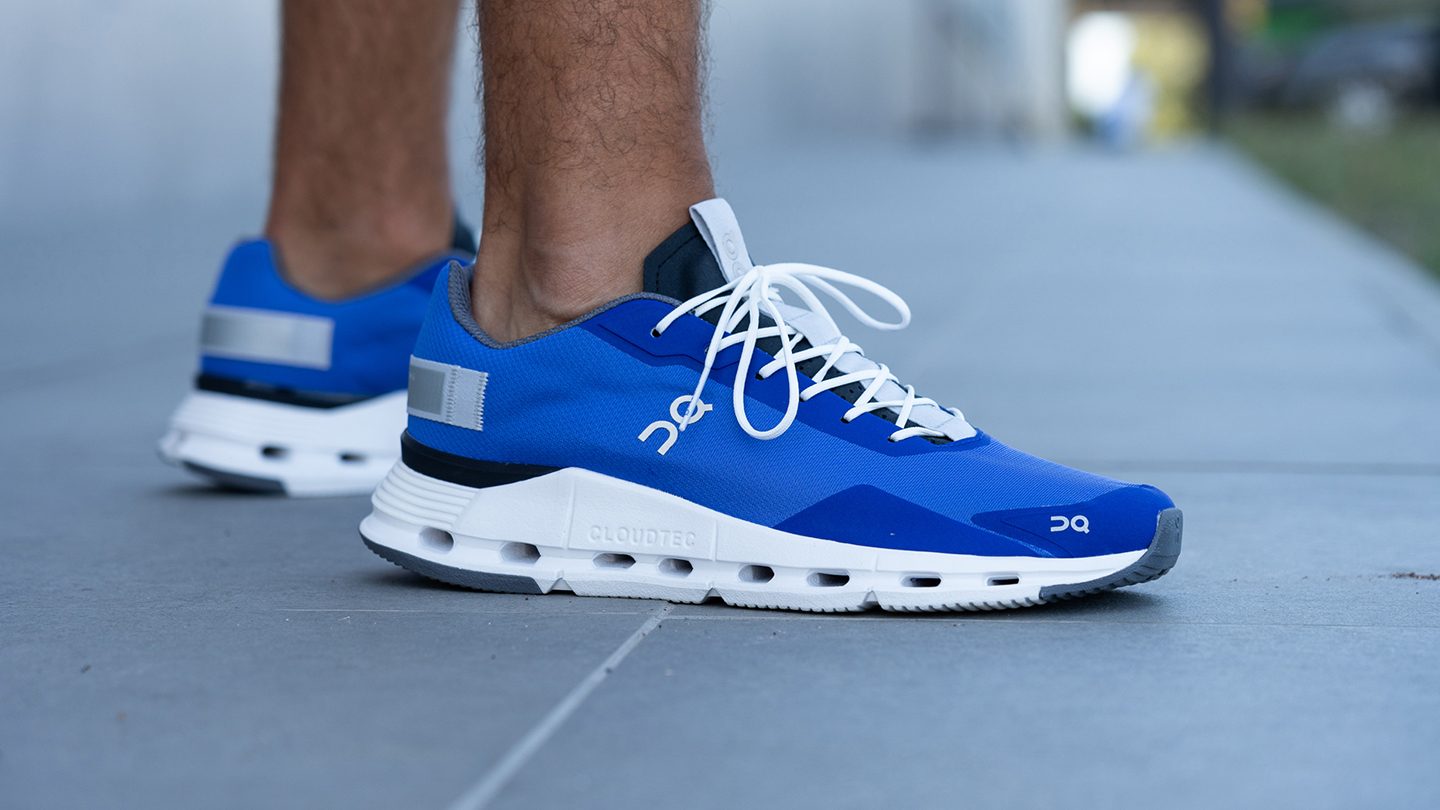
What separates a good walking shoe from a great one often lies in the invisible technology. Let’s demystify the jargon. The midsole is the heart of comfort. Traditional EVA foam compresses over time, losing its cushioning. Advanced materials like Brooks’ DNA LOFT, Adidas’ Boost, and Nike’s React foam are engineered for durability and consistent energy return. They are often described as “responsive” – they give back some of the energy you put in with each step. The insole or sockliner is your first point of contact. Many high-quality walking shoes feature removable, molded footbeds made from memory foam or anti-microbial materials for breathability and odor control. The upper material dictates breathability, durability, and look. Engineered mesh provides lightweight ventilation, while leather or suede offers structure and a more polished aesthetic. Innovations like Gore-Tex liners create waterproof, breathable shells for all-weather readiness. Perhaps most critically, the outsole rubber compound and tread pattern determine grip and longevity. Carbon rubber in high-wear areas (like the heel) is more durable than blown rubber, which is lighter and offers better cushioning. The tread should provide multi-directional traction to prevent slips on varied surfaces. Understanding these components empowers you to make informed choices beyond color and brand name.
Investment vs. Expense: The Long-Term Value of Quality Footwear
It’s tempting to see a high price tag on a premium walking shoe as an expense. In reality, it’s an investment in your long-term musculoskeletal health and daily quality of life. Consider the cost-per-wear calculation: a $150 shoe worn nearly every day for a year before retirement costs about $0.41 per day. A cheap, poorly constructed $50 shoe that causes discomfort and needs replacing in three months costs about $0.55 per day and may incur hidden “costs” in the form of foot pain, plantar fasciitis, or joint stress. Podiatrists frequently cite improper footwear as a contributing factor to common ailments. As noted by the American Podiatric Medical Association, “Shoes that fit properly and provide adequate support can prevent many foot problems.” Furthermore, premium brands often offer better construction, meaning they maintain their structural integrity and cushioning properties longer. Many also provide robust warranty programs or satisfaction guarantees. Look for seasonal sales from authorized retailers, end-of-model-year clearances (when new versions are released), and membership discounts. For instance, last season’s Brooks Glycerin or Saucony Triumph, often discounted by 30-40%, still offer 95% of the technology of the newest model at a fraction of the price. Investing in quality is an investment in your mobility and comfort—assets that appreciate with every step you take.
A Word from the Experts: Voices on Comfort and Design
It’s one thing to hear it from a guide, another to hear it from those who study and design for our feet. Their perspectives solidify the argument for intentional shoe selection.
“The shoe is an interface between the human and the ground. Its design shouldn’t fight the body’s natural mechanics, but support and enhance them. A great walking shoe is one you forget you’re wearing because it’s doing its job so seamlessly.” – This sentiment echoes the philosophy of many leading footwear designers, such as those at Mephisto, who often emphasize the “invisible” comfort of their biomechanically engineered footwear.
“On my YouTube channel, I’ve reviewed over 500 pairs of shoes. The number one mistake people make is buying for looks first. Fit is non-negotiable. Your foot should feel secure in the heel, with room to wiggle your toes. There should be no ‘break-in’ period for a proper walking shoe—it should feel right from the first step.” – A consensus view among reputable footwear reviewers like “Doctors of Running” or “The Run Testers,” who stress scientific fit analysis.
These insights underscore that the pursuit of the perfect walking shoe is a confluence of art and science, of personal expression and physiological necessity. It is a deliberate choice to refuse the false dichotomy between comfort and style. By understanding the biomechanics, embracing the technological advancements, and strategically pairing form with function, you equip yourself not just with footwear, but with a foundational tool for a more active, comfortable, and stylish life. Your journey begins with a single, well-supported step.

