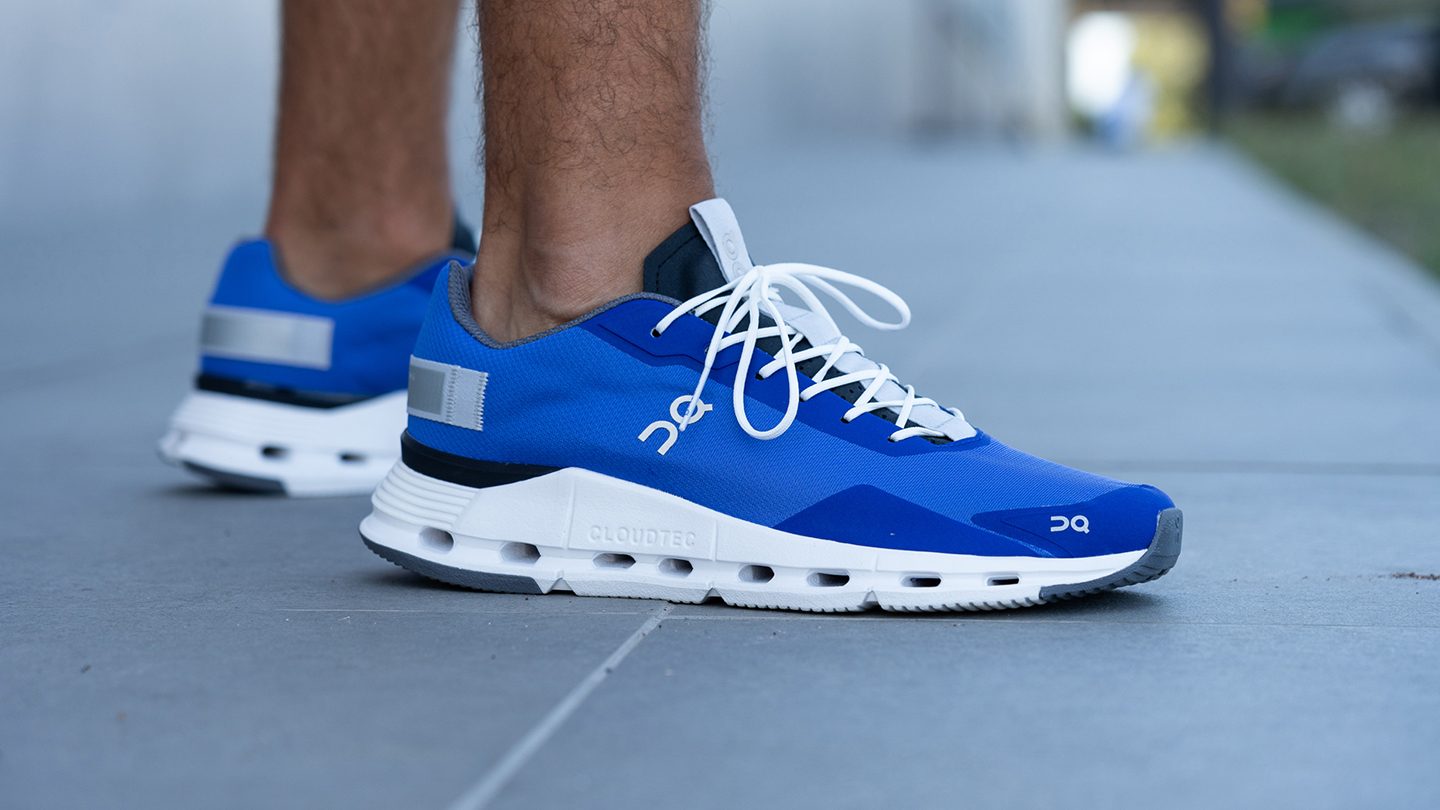
The Walking Shoe: Your Ultimate Guide to Comfort and Style for Every Outfit
Forget the notion that practicality and style are mutually exclusive. The modern world demands footwear that can transition from a morning commute to an evening out, from a weekend errand run to a casual meeting, without missing a beat. At the heart of this versatile wardrobe lies a single, pivotal item: the walking shoe. This is not about specialized athletic gear or fleeting fashion trends. It is about a foundational piece engineered for the biomechanics of movement while seamlessly integrating into your personal aesthetic. We are moving beyond mere footwear; we are discussing a tool for living well. This guide dismantles the old compromises, offering a roadmap to finding that perfect pair—the one that supports your body, complements your style, and empowers your daily journey.
The Anatomy of Comfort: More Than Just a Soft Sole
Comfort in a walking shoe is a complex symphony of engineering, not a single note. It begins with understanding the gait cycle—the series of motions from heel strike to toe-off. As noted in biomechanics literature from institutions like Stanford University, efficient walking involves a controlled roll from the outside of the heel, through the arch, and off the ball of the foot. A shoe that disrupts this natural pronation can lead to discomfort and injury. Therefore, the midsole, often made from advanced materials like EVA (ethylene-vinyl acetate) or polyurethane, is critical. It must provide cushioning to absorb the impact force, which can be 1.2 to 1.5 times your body weight with each step, while also offering enough resilience or “energy return” to not feel dead underfoot. The insole and arch support are equally vital. A study cited by the American Podiatric Medical Association emphasizes that proper arch support maintains the foot’s natural alignment, preventing strain on the plantar fascia—the band of tissue running along the bottom of the foot. A shoe that merely feels soft in the store may lack the structural integrity needed for sustained walking, leading to fatigue. True comfort is dynamic; it is the feeling of supported, effortless propulsion mile after mile.
:max_bytes(150000):strip_icc()/when-should-i-replace-my-walking-shoes-3436325-0801-7a1840d83573471092e0380f9e230ecc.jpg)
Style as Function: The Aesthetics of Versatility
Style in this context is not about ornamentation, but about intelligent design that communicates purpose and fits context. The great designer Dieter Rams famously advocated for products that are “as little design as possible.” This principle applies perfectly to the modern walking shoe. Clean lines, a considered color palette (think neutrals like taupe, grey, navy, or classic white), and the absence of overly aggressive, sporty detailing allow the shoe to integrate rather than dominate an outfit. Consider the minimalist sneaker trend championed by brands like Common Projects or Axel Arigato. Their popularity, as dissected in fashion analyses from Business of Fashion, stems from a “quiet luxury” that pairs equally well with tailored trousers and denim. This is the essence of versatile style. It is the shoe you can wear with a midi dress without looking like you just left the gym, or with chinos for a smart-casual office environment. The silhouette should be sleek enough to avoid bulk but substantial enough to promise comfort. Materials matter too; premium suedes, leathers, and technical meshes elevate the look from purely athletic to contemporary lifestyle. Your walking shoe becomes a sartorial anchor, a reliable constant around which you can build countless outfits with confidence.
The Technical Breakdown: Key Features to Decode
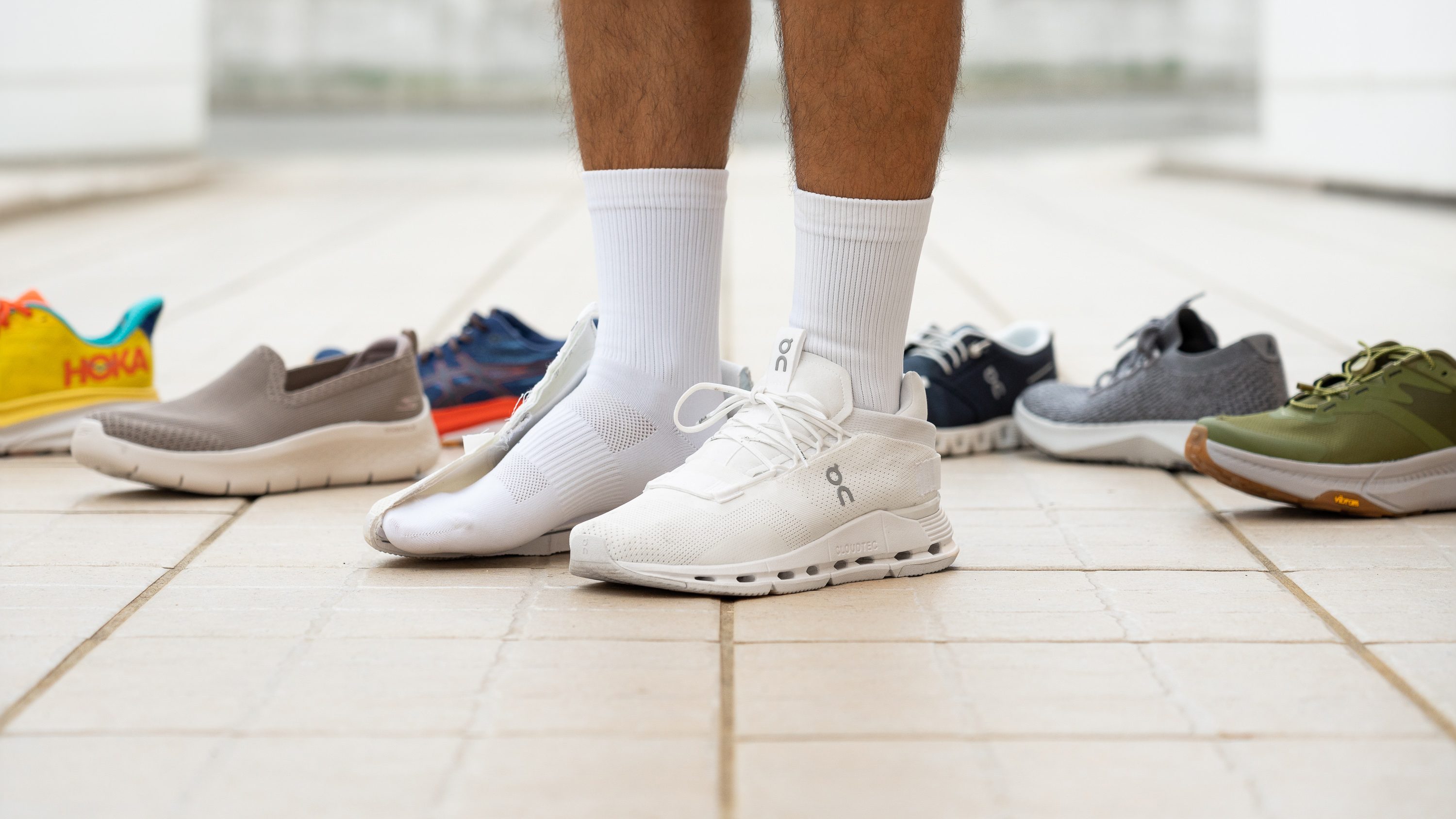
Navigating product descriptions requires a decoder ring. Let’s demystify the jargon. First, upper construction: Look for seamless or welded uppers, which reduce friction points and potential for blisters compared to stitched seams. Materials like engineered mesh offer breathability and adaptive stretch. Second, the heel counter: This is the firm cup at the back of the shoe. A rigid, well-padded heel counter stabilizes the foot, preventing excessive side-to-side motion—a key point highlighted in runner’s forums and podiatrist advice on platforms like Quora. Third, toe box geometry: There should be about a thumb’s width of space between your longest toe and the end of the shoe. A rounded or foot-shaped toe box allows your toes to splay naturally upon impact, improving balance and stability. As biomechanist Katy Bowman discusses in her book Move Your DNA, natural foot function is crucial for whole-body health. Fourth, outsole flexibility and grip: The shoe should bend easily at the ball of the foot, where your foot naturally flexes, but remain torsionally rigid. The rubber compound and tread pattern should provide reliable traction on both wet pavement and dry surfaces.
The Perfect Pairing: Syncing Shoes with Your Wardrobe DNA
The ultimate test of a walking shoe is its chameleon-like ability to adapt. This requires a strategic approach to your selection. For a wardrobe leaning towards classic, neutral tones, a clean white leather sneaker is a powerhouse. As fashion influencer and author Brittany Bathgate often demonstrates, it can break up an all-black ensemble or add crispness to beige and navy outfits. If your style is more rugged or utilitarian, consider a walking shoe in a nubuck suede with a slightly more robust sole unit, like those from brands such as Salomon’s lifestyle lines or Merrell. These pair effortlessly with raw denim, canvas pants, and field jackets. For those who wear a lot of skirts and dresses, the low-profile “trainer” or “tennis shoe” style, reminiscent of classic Keds or Veja’s Campo model, offers a feminine, retro touch. The goal is cohesion. Your shoe should feel like a considered extension of your clothing, not a disconnected piece of gear. It’s about creating a unified look where comfort is the invisible, enabling foundation.
Investment and Value: Beyond the Price Tag
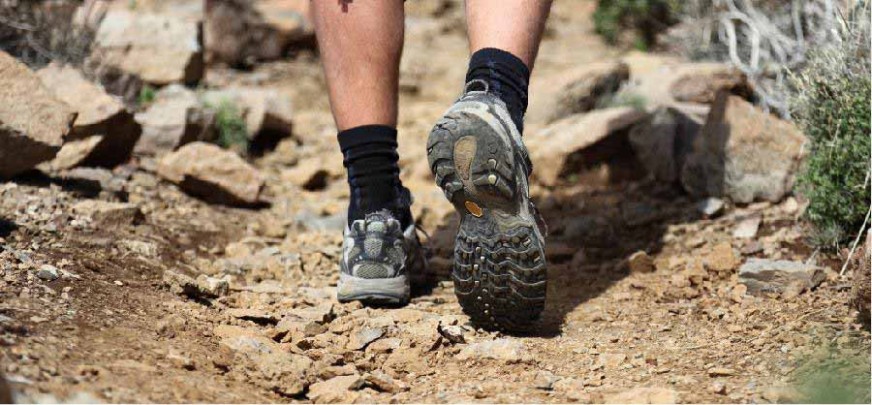
Viewing a quality walking shoe as an investment is a shift in perspective with tangible returns. A well-constructed pair from a reputable brand, often in the $120-$200 range, uses durable materials, advanced cushioning compounds that resist compaction, and superior construction methods. They are designed to last for 300-500 miles of walking before the midsole loses its protective properties, as per guidelines from Runner’s World and orthopedic sites. Compare this to a $50 disposable fashion sneaker that may break down in a matter of weeks under daily use. The cost-per-wear plummets with the better shoe. Furthermore, the right shoe is preventative healthcare. As noted by Dr. Miguel Cunha, a podiatrist quoted in Forbes, improper footwear can contribute to a cascade of issues: plantar fasciitis, Achilles tendinitis, knee pain, and even back problems. The potential savings in avoided medical bills, pain, and inconvenience are immense. Look for brands that offer technologies backed by research, such as Brooks’ DNA LOFT cushioning or ASICS’ GEL technology, originally developed for running but perfected for walking. This is where professional knowledge pays off—understanding the tech justifies the investment.
The Final Step: Making Your Informed Choice
The journey culminates in an act of informed self-knowledge. It requires honesty about your daily step count, your dominant environments (city streets, park paths, office floors), and your stylistic non-negotiables. Visit a specialty store in the late afternoon when your feet are naturally slightly swollen. Try shoes with the sock thickness you intend to wear. Walk properly on a hard surface, don’t just stand on carpet. And remember the words of legendary shoe designer Manolo Blahnik, who, despite being known for heels, understood the core principle: “Shoes are the foundation of your look. If you are not comfortable, it shows in your face, in your posture, in your spirit.” Your ideal walking shoe is the one that disappears on your foot, not because you forget it’s there, but because it functions so harmoniously with your body and your life that it becomes a silent partner in your day. It is the piece that bridges the gap between how you need to move and how you wish to be seen, proving definitively that when it comes to modern footwear, the choice between comfort and style is a false dichotomy. The right shoe delivers both, unconditionally.