

The Walking Shoe: Your Secret to Effortless Style and All-Day Comfort
Forget the notion that comfort and style exist in separate realms. The modern walking shoe has evolved into a sophisticated hybrid, a piece of footwear engineered not just for movement but for living. It is the unsung hero of the urban landscape, the foundation upon which a day of confidence, energy, and poise is built. This isn’t about athletic performance in the traditional sense; it’s about the performance of daily life. From the morning commute to an evening stroll, the right shoe doesn’t just carry you—it elevates you. The secret lies in understanding that true style is effortless, and true effortlessness is born from scientific comfort. Let’s dismantle the old paradigms and explore how this essential item has become the cornerstone of a practical, yet profoundly stylish, existence.
The Anatomy of All-Day Comfort: More Than Just a Soft Sole
The comfort of a superior walking shoe is not a happy accident; it is the result of deliberate engineering targeting the biomechanics of walking. The human foot is a complex structure of 26 bones, 33 joints, and over 100 muscles, tendons, and ligaments. A shoe that merely cushions is like building a house on sand—initially soft, but ultimately unstable. The core principle is support. According to research from institutions like the University of Pittsburgh Medical Center, proper arch support is critical in distributing pressure evenly across the foot, preventing the overpronation or supination that leads to fatigue and injury. The midsole, often crafted from advanced materials like ethylene-vinyl acetate (EVA) or polyurethane, isn’t just for shock absorption; it provides the necessary rebound that propels you forward with less muscular effort. The heel counter—the firm cup at the back—stabilizes the foot, ensuring your stride is efficient and aligned. Think of it as the chassis of a car; without a rigid frame, even the plushest seats won’t prevent a bumpy, exhausting ride. This scientific approach transforms walking from a taxing activity into a sustainable, energy-efficient mode of transport for your body.
Where Biomechanics Meets Aesthetics: The Design Revolution
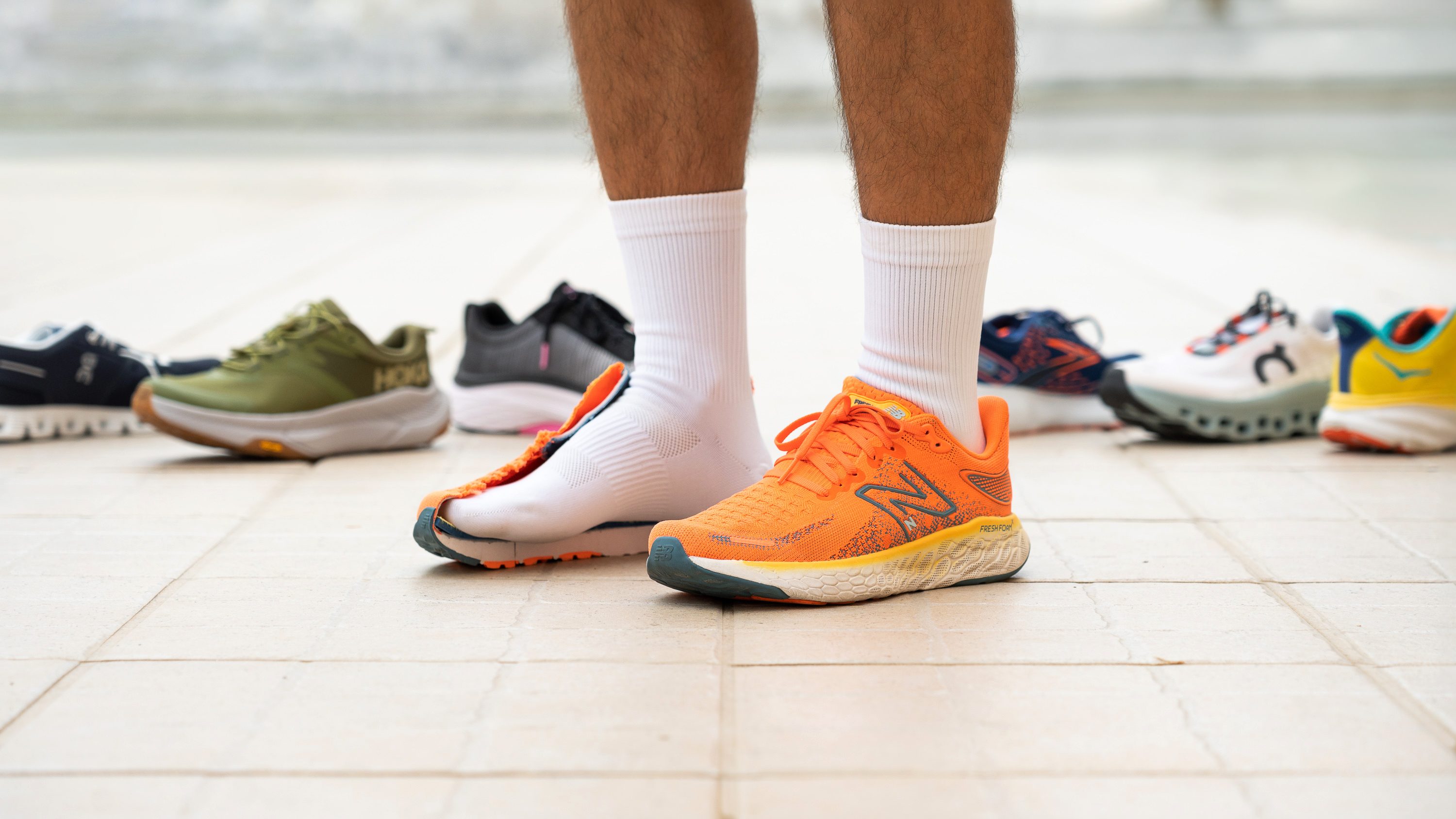
Gone are the days when ergonomic shoes were clunky eyesores. The current generation of walking shoes represents a triumphant marriage of form and function. Designers now operate with a fundamental understanding that aesthetics are a component of wellness. As renowned designer Tinker Hatfield, the mind behind many iconic Nike silhouettes, once stated, “Design must reflect the practical and aesthetic in business but above all… good design must primarily serve people.” This philosophy is evident in the sleek profiles, minimalist color palettes, and thoughtful material choices seen in brands like Cole Haan, Allbirds, and certain lines from New Balance. The uppers utilize breathable, flexible knits and sustainable materials that mold to the foot like a sock, eliminating pressure points while offering a contemporary look. The outsole patterns are not just for traction; they are often designed with a specific rolling motion in mind, facilitating a natural gait cycle from heel strike to toe-off. This design revolution means you no longer have to choose between a shoe that looks good on your feet and one that feels good on your body. They are now one and the same, allowing your personal style to shine without compromise.
The Silent Investment: Long-Term Health and Sustained Energy
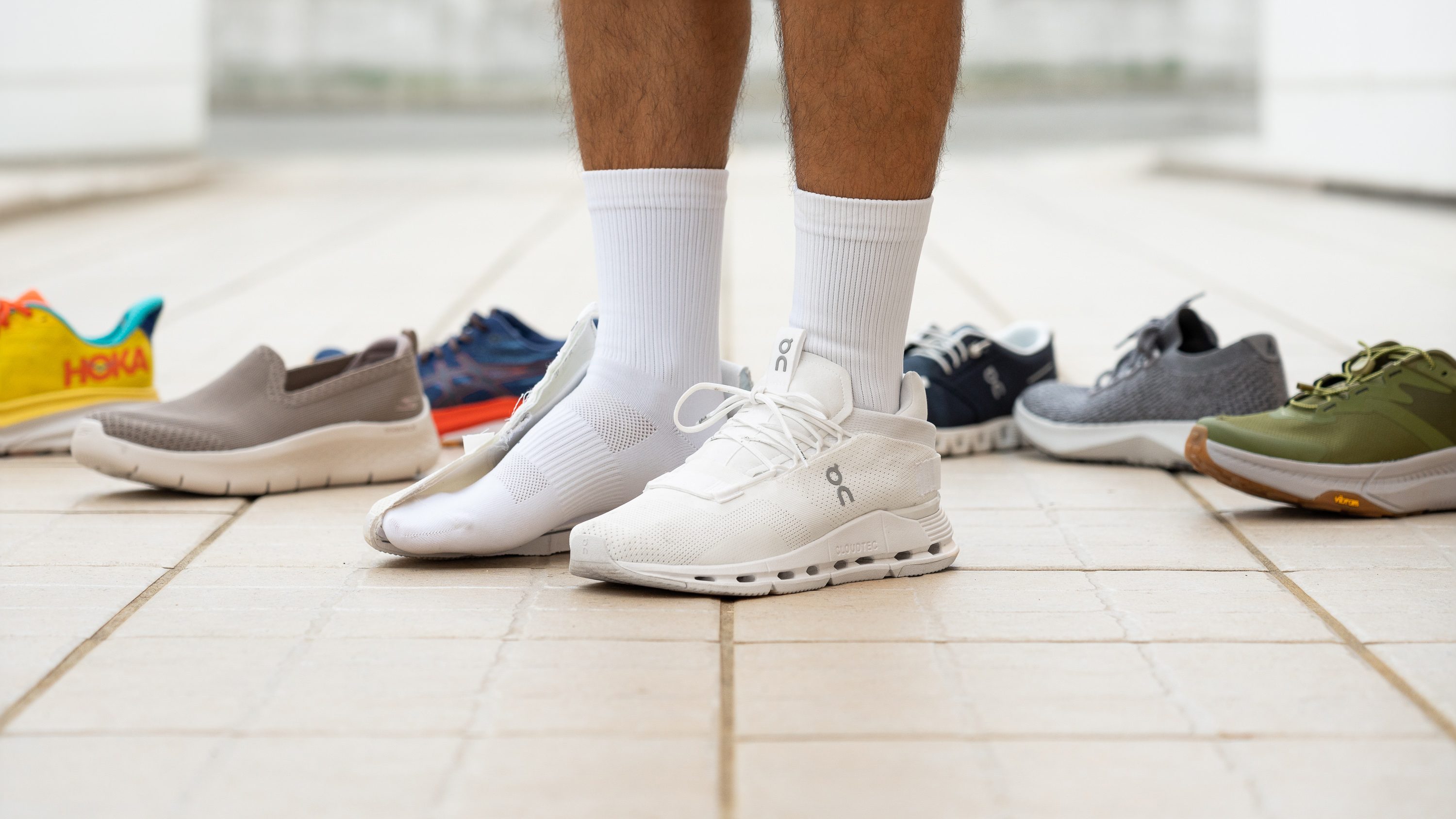
Viewing a quality walking shoe as a mere purchase is a profound underestimation; it is an investment in your long-term physical capital. The implications of improper footwear extend far beyond sore feet. The body operates as a kinetic chain; misalignment at the feet can cascade upwards, affecting ankles, knees, hips, and even the lower back. The American Podiatric Medical Association consistently highlights the role of appropriate footwear in preventing common ailments like plantar fasciitis, shin splints, and stress fractures. But the benefits are more immediate than avoiding future pain. By reducing the impact force with each step and optimizing energy return, a well-designed shoe conserves your body’s resources. This conservation translates directly into sustained vitality. You arrive at your destination—be it a meeting, a social event, or simply home—not depleted from the journey, but energized. It’s the difference between ending your day drained and ending it with reserves left for living. This is the silent, compounding return on investment that a proper walking shoe delivers daily.
Demystifying the Purchase: A Guide to Informed Selection
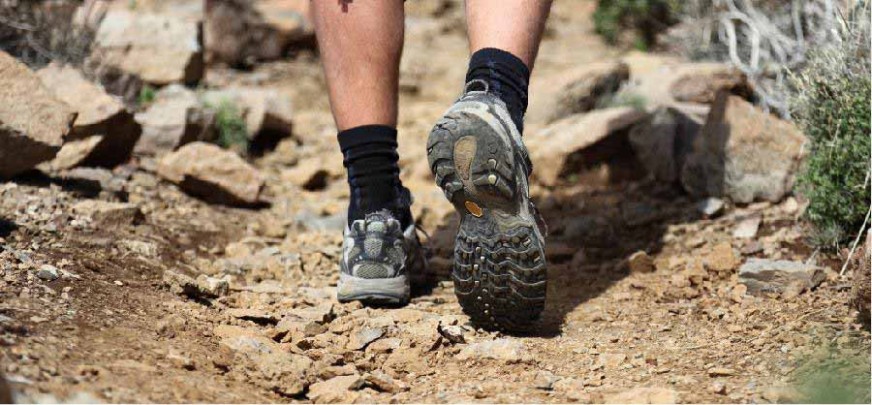
With a market saturated by options, selecting the right pair can feel overwhelming. The key is to move beyond marketing buzzwords and focus on the specifications that matter for your unique physiology and lifestyle. First, understand your foot type. A simple “wet test” (stepping on a paper bag to see your arch imprint) can tell you if you have low, neutral, or high arches, guiding you toward the correct level of support. Second, prioritize fit over size. Your shoe should have about a thumb’s width of space between your longest toe and the end, and the widest part of your foot should align with the widest part of the shoe. Third, consider the primary terrain. A shoe designed for paved city streets will have a different outsole pattern and cushioning density than one meant for light trails. Finally, heed the replacement timeline. As noted by exercise physiologists, the cushioning and support materials in shoes break down long before the exterior shows wear, typically after 300-500 miles of use. Ignoring this is like driving a car on bald tires—the structure is there, but the critical safety and performance features are gone.
:max_bytes(150000):strip_icc()/when-should-i-replace-my-walking-shoes-3436325-0801-7a1840d83573471092e0380f9e230ecc.jpg)
Professional Insight Meets Accessible Value
Armed with this knowledge, the final barrier for many is perceived cost. It’s true that the research, development, and premium materials that go into top-tier walking shoes command a price. However, the landscape of value has shifted dramatically. Direct-to-consumer brands and frequent sales cycles from major retailers have made professional-grade footwear more accessible than ever. The true cost is not the price tag, but the cost-per-wear and the cost of not investing in your well-being. A $150 pair of shoes worn nearly every day for a year before needing replacement breaks down to about forty-one cents per day. Compare that to the financial and personal cost of even a single visit to a specialist for foot or knee pain. Brands are increasingly transparent about their technologies, allowing you to make informed decisions. Look for seasonal sales, outlet offerings, and last-season’s models, which often contain the identical core technology at a significant discount. The goal is to bring professional-level support and design within reach, proving that looking after your feet and your style is an intelligent, attainable priority for everyone.

The journey through our days is composed of thousands of steps. Each one is an opportunity—either for cumulative stress or for sustained ease. The modern walking shoe stands as a testament to human ingenuity, a tool that seamlessly integrates the rigorous science of biomechanics with the expressive language of style. It quietly does its job, freeing you from discomfort and self-consciousness, allowing you to focus on the world ahead and the experience at hand. When your foundation is solid, comfortable, and confident, everything built upon it shares those qualities. This isn’t just about footwear; it’s about reclaiming your energy, defining your presence, and moving through life on your own terms, with grace and unwavering comfort.
