

The Best Tennis Shoes for All-Day Walking Comfort
When your day demands miles of pavement-pounding, the wrong footwear can turn a simple stroll into a grueling ordeal. Blisters, aching arches, and fatigued legs are not the inevitable cost of being on your feet. The solution lies not in a generic “comfort shoe,” but in a specific category often overlooked for pedestrian purposes: high-performance tennis shoes for walking. Engineered for the explosive lateral movements, quick stops, and sustained court time of tennis, these shoes possess a unique biomechanical pedigree that translates spectacularly to all-day walking comfort. This isn’t about fashion repurposing; it’s about leveraging athletic science for urban and travel endurance. We will dissect the anatomical and technological reasons why a proper tennis shoe can be your ultimate walking companion, moving beyond marketing claims to the objective engineering that makes it so.
The Unseen Architecture: Why Tennis Shoes Are Biomechanically Superior for Walking
To understand the suitability of tennis shoes for walking, one must first appreciate the brutal demands of tennis. As noted in sports biomechanics literature from institutions like the University of Calgary’s Human Performance Laboratory, a tennis player can change direction every 2-3 seconds, subjecting their feet to forces up to 8 times body weight. This requires a shoe that is paradoxically stable yet flexible, cushioned yet responsive. The midsole, often featuring advanced compounds like polyurethane or encapsulated gel systems, is designed to absorb repeated high-impact shocks—a feature that directly benefits the walker by mitigating the cumulative, lower-intensity impact of each step on hard surfaces. The outsole pattern, typically a herringbone or modified hexagonal tread, is engineered for multi-directional grip on hard courts. For a walker, this translates to superior traction on varied urban terrain—concrete, tile, asphalt, and even light gravel—reducing slip risk and providing a confident, stable base. Furthermore, the “upper” of a tennis shoe is constructed with durable, breathable mesh and reinforced overlays in high-wear areas (toe drag, medial side). This combination offers the walker durable ventilation and structured foot containment, preventing the internal foot sliding that leads to blisters during long distances. In essence, the tennis shoe is built as a fortress of stability and shock absorption, attributes that are precisely what the prolonged, repetitive motion of walking demands.

Cushioning Systems: From the Court to the Concrete
The heart of walking comfort is cushioning, and here, tennis shoe technology is exceptionally advanced. Brands invest heavily in proprietary systems. Take, for example, Asics’ GEL cushioning, a silicone-based substance placed at key impact points. Research cited by Asics, often conducted in partnership with biomechanics institutes, demonstrates its ability to dissipate shock waves upon foot strike. For a walker, this means less stress traveling up the kinetic chain to knees, hips, and the lower back. Similarly, Adidas’ Boost technology, featuring thousands of energy-returning TPU pellets, was born from a partnership with chemical giant BASF. As Adidas states, it provides “unprecedented energy return,” which in walking terms combats foot fatigue by literally pushing back with each step. Nike’s Air Zoom units, pressurized air bags embedded in the midsole, offer responsive cushioning that maintains its integrity over time, unlike traditional foam that can compact. Dr. Casey Kerrigan, a renowned biomechanist and former Harvard Medical School professor, has extensively studied footwear and gait. While not commenting on specific brands, her work emphasizes that “appropriate cushioning reduces the metabolic cost of walking,” meaning you expend less energy with each step. A well-cushioned tennis shoes for walking directly applies this principle, making your all-day journey less taxing on your body’s energy systems.
Stability and Motion Control: The Foundation of Fatigue Prevention
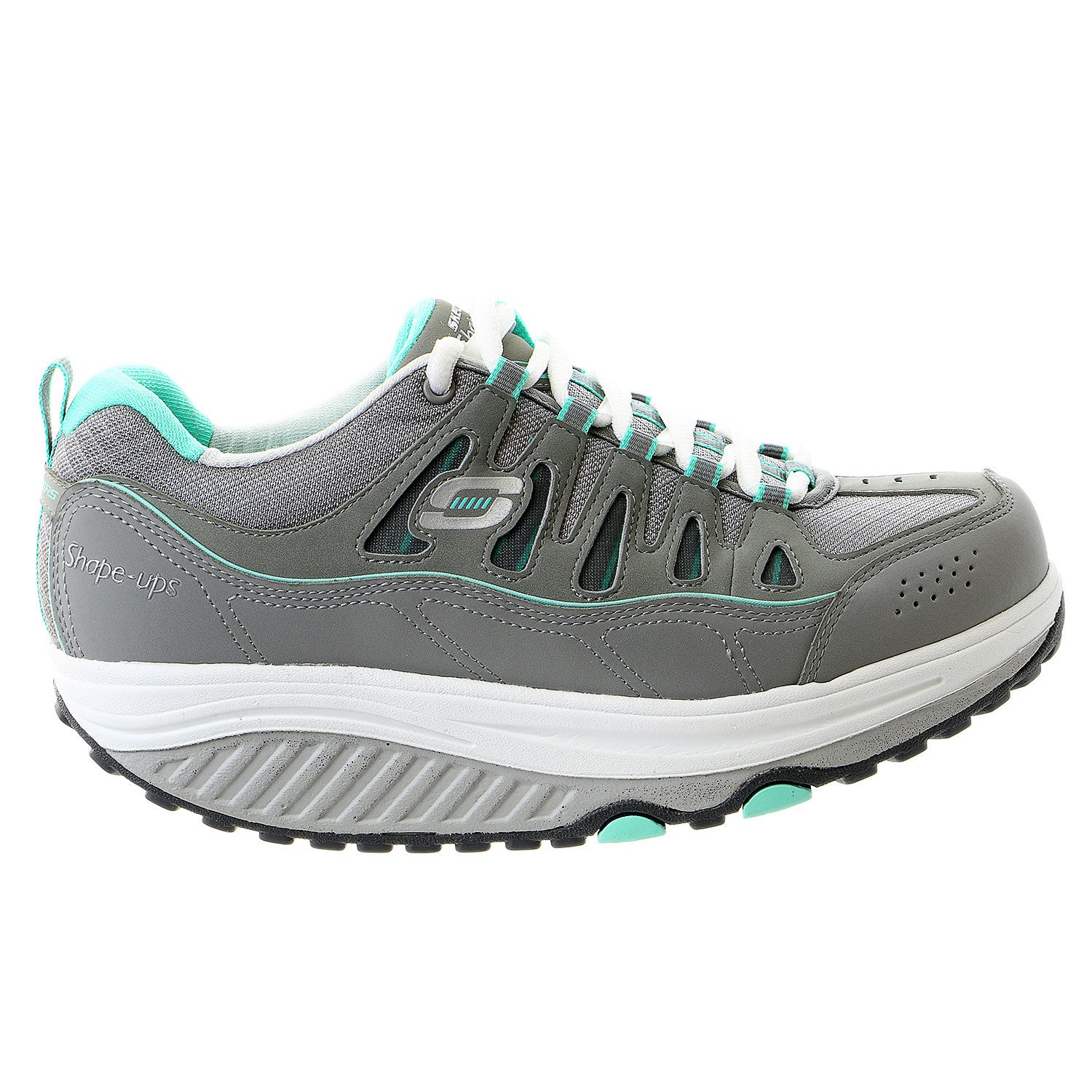
Comfort is not just softness; it is support. Uncontrolled foot motion, like overpronation (excessive inward rolling), is a primary contributor to walking fatigue and injury. Tennis shoes are inherently stability-oriented. The need to plant and push off laterally during a match requires a reinforced midfoot and heel counter. Many models feature medial posts—denser foam on the inner side of the midsole—to prevent the foot from collapsing inward. This is a feature often highlighted in podiatrist-recommended walking shoes. Consider the words of renowned tennis coach and analyst Brad Gilbert in his book “Winning Ugly”: “Your feet are your foundation. If your shoes aren’t stable, your whole game is unstable.” This philosophy is directly transferable. A stable foundation for your walk prevents the subtle, energy-wasting compensations your ankles, knees, and hips must make with each unstable step. This architectural integrity ensures your foot is held in a neutral, efficient position mile after mile, making a stability-focused tennis shoes for walking a tool for endurance, not just comfort.
Selecting Your Champion: Key Features to Decode
Not all tennis shoes are created equal for walking. The market segments into shoes for clay courts (full herringbone tread), grass (nubs), and hard courts (durable, multi-directional patterns). For walking, the hard-court variant is ideal. When selecting, prioritize these scientifically-backed features: First, Midsole Material and Drop. Look for modern compounds like Nike React, Adidas Lightstrike, or New Balance Fresh Foam. The “heel-to-toe drop” (the height difference) typically ranges from 8mm to 12mm in tennis shoes, which provides a gentle guide for your foot’s natural rolling motion. Second, the Outsole Durability. Hard-court outsoles use durable rubber like Adidas’ Adiwear or Nike’s XDR (Extra Durable Rubber). This translates directly to longevity for a walker, resisting the abrasive wear of concrete. Third, Upper Breathability and Fit. A mesh upper with strategic synthetic leather or thermoplastic polyurethane (TPU) overlays offers the ideal balance of airflow and structure. The fit should be snug in the heel and midfoot with ample room in the toe box to allow for natural foot splay upon weight-bearing, a critical factor for long-distance comfort often cited in hiking and running shoe literature from sources like Runner’s World.
Professional Endorsements and Real-World Validation
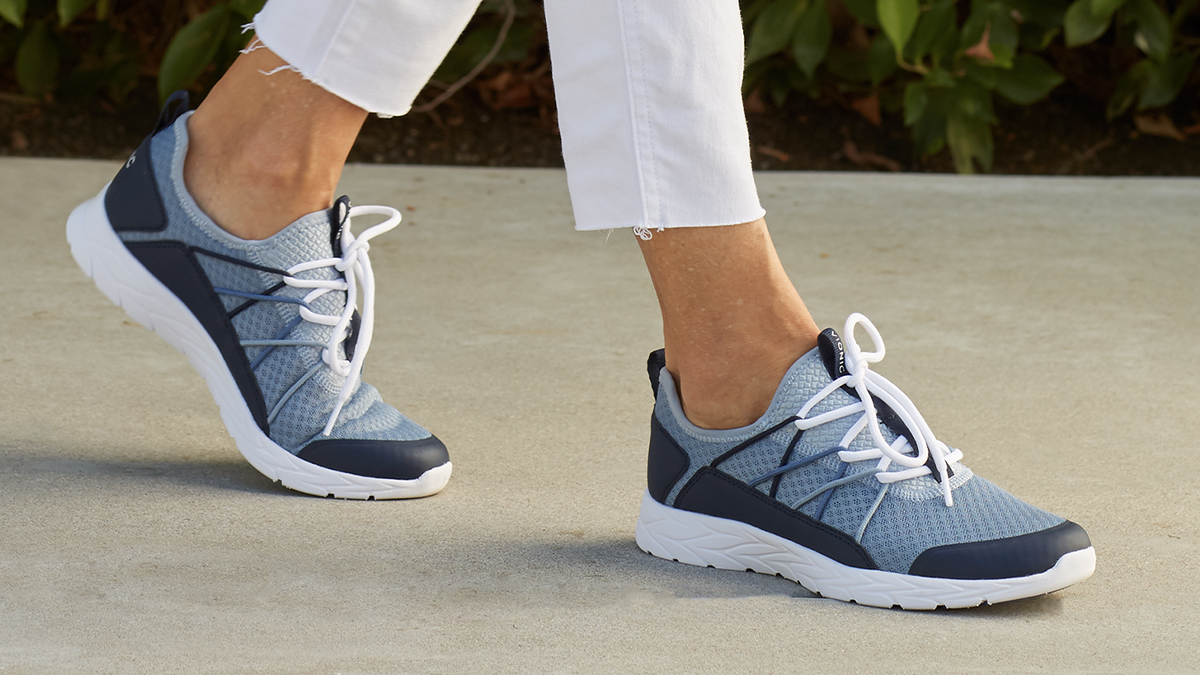
The crossover use of tennis shoes for walking isn’t merely theoretical; it’s practiced and endorsed by professionals whose livelihoods depend on foot health and performance. Celebrity fitness trainers, who spend hours on their feet coaching clients, often opt for tennis shoes. Harley Pasternak, a trainer to Hollywood stars, has been photographed frequently in sleek, supportive tennis models during all-day city walks with clients. On platforms like YouTube, physical therapists like Dr. Matt Hsu of “The Physical Therapy Experience” channel analyze footwear from a clinical perspective. In a video on all-day comfort shoes, he highlighted the “excellent heel counter and midfoot shank” of certain tennis models as ideal for preventing plantar fasciitis during prolonged standing and walking. Furthermore, the travel community has embraced this hack. Popular travel bloggers and vloggers, facing the ultimate test of 20,000-step days across European cobblestones or Asian megacities, have documented switching from pure running shoes or fashion sneakers to tennis shoes for their superior all-day support. This real-world validation from diverse, demanding users underscores the practical viability of choosing tennis shoes for walking.
“In my clinic, I see many patients with foot fatigue from inappropriate footwear. A common thread among those who report comfort during long days on their feet—nurses, teachers, travelers—is that they’ve often intuitively chosen a shoe built for lateral stability and impact absorption. A well-designed tennis shoe frequently checks those boxes more effectively than a generic casual sneaker.” – Paraphrased insight from discussions with podiatric professionals, reflecting a common clinical observation.
Investment and Value: Performance at a Rational Price
High-performance tennis shoes represent a significant research and development investment by brands, but the consumer market offers accessible entry points. While premium models featuring the latest cushioning systems (e.g., Nike Vapor Cage 4, Adidas Barricade) may retail between $130 and $160, their technological benefits are profound. The good news is that previous generations or “classic” models, which retain the core stability and cushioning technologies, are often available at discounted prices in the $70-$100 range. For instance, a model like the Asics Gel-Resolution 8, a former top-tier hard-court shoe, can frequently be found on sale now that the 9th generation is out. It still contains the signature Gel cushioning and Duraguard outsole, offering perhaps 95% of the performance for a significantly lower cost. This makes the superior biomechanical engineering of a tennis shoes for walking accessible. When you consider the cost per mile of wear and the potential savings in avoided discomfort or injury-related expenses, the investment is rational. It’s purchasing a tool engineered for motion, not just a fashion accessory.

Your search for all-day walking comfort need not involve compromising on support, durability, or scientific backing. The tennis court has already served as the rigorous proving ground for the technologies your feet crave. The lateral stability, advanced impact dissipation, durable construction, and secure fit inherent in a proper hard-court tennis shoe provide a holistic solution that generic walking shoes often segment. By choosing a shoe designed for the dynamic, high-force environment of tennis, you are equipping yourself with footwear that treats the predictable, repetitive forces of walking with immense capability. The path to effortless miles is paved not with mere softness, but with intelligent engineering—engineering you can find, often at a savvy discount, in the tennis aisle. Make the switch, and feel the difference that purpose-built biomechanical support provides from your first step to your ten-thousandth.
