

Step Into Comfort and Style with Vionic Walking Shoes
For years, the pursuit of the perfect walking shoe felt like a compromise. You could have cushioning that felt like walking on clouds, but the shoe lacked any structural support, leading to fatigue. You could find a shoe with excellent arch support, but it looked clinical and was something you’d only wear out of sheer necessity. This dichotomy between comfort and style, between biomechanical science and everyday aesthetics, has long plagued the footwear industry. Today, that compromise is no longer necessary. The evolution of footwear technology, combined with a deeper understanding of podiatric science, has given rise to a category of shoes designed to support your body without sacrificing your personal style. At the forefront of this movement is the vionic walking shoe, a product built not just on trends, but on a foundation of orthotic principles accessible to everyone.

The Foundation: Why Biomechanics Matter in Every Step
To appreciate what sets a specialized walking shoe apart, we must first understand the complex mechanics of human gait. Walking is a repetitive, weight-bearing activity that sends shockwaves through our skeletal system with every step. According to research from the Gait Analysis Laboratory at Stanford University, the forces exerted on the foot during walking can exceed 1.5 times your body weight. Without proper dissipation and control of these forces, the stress travels upward, potentially affecting the ankles, knees, hips, and even the lower back. This is where the concept of biomechanical alignment becomes critical. The foot’s arch acts as a natural shock absorber; when it collapses excessively (a condition known as overpronation) or doesn’t collapse enough (supination), the entire kinetic chain is thrown off balance. A vionic walking shoe is engineered to address this directly. It incorporates a built-in orthotic footbed, often derived from the principles of Australian podiatrist Dr. Phillip Vasyli, which is designed to stabilize the heel, cradle the arch, and promote a natural, healthy alignment from the ground up. This isn’t mere marketing; it’s applied podiatric science aimed at transforming a daily activity into a therapeutic one.
Debunking the “Cushioning is King” Myth
Popular culture, fueled by flashy advertisements from major sportswear brands, has often sold us the idea that maximum cushioning equates to maximum comfort. While cushioning has its place in impact absorption, it is only one piece of the puzzle. An analogy from architecture is useful here: you wouldn’t build a skyscraper on a foundation of marshmallows, no matter how soft they are. Similarly, a shoe with immense cushioning but no substantive support is like a soft, unstable foundation for your body. It may feel good initially, but over miles and months, it allows your feet to sink and roll uncontrollably, straining ligaments and muscles. The American Podiatric Medical Association (APMA) has long emphasized that proper support is paramount for foot health. Many vionic walking shoe models carry the APMA Seal of Acceptance, signifying they have been found to promote good foot health. This objective, third-party validation underscores a commitment to scientific design over fleeting fashion trends, ensuring that the comfort you feel is not superficial but structural and enduring.
Where Engineering Meets Elegance: The Style Revolution
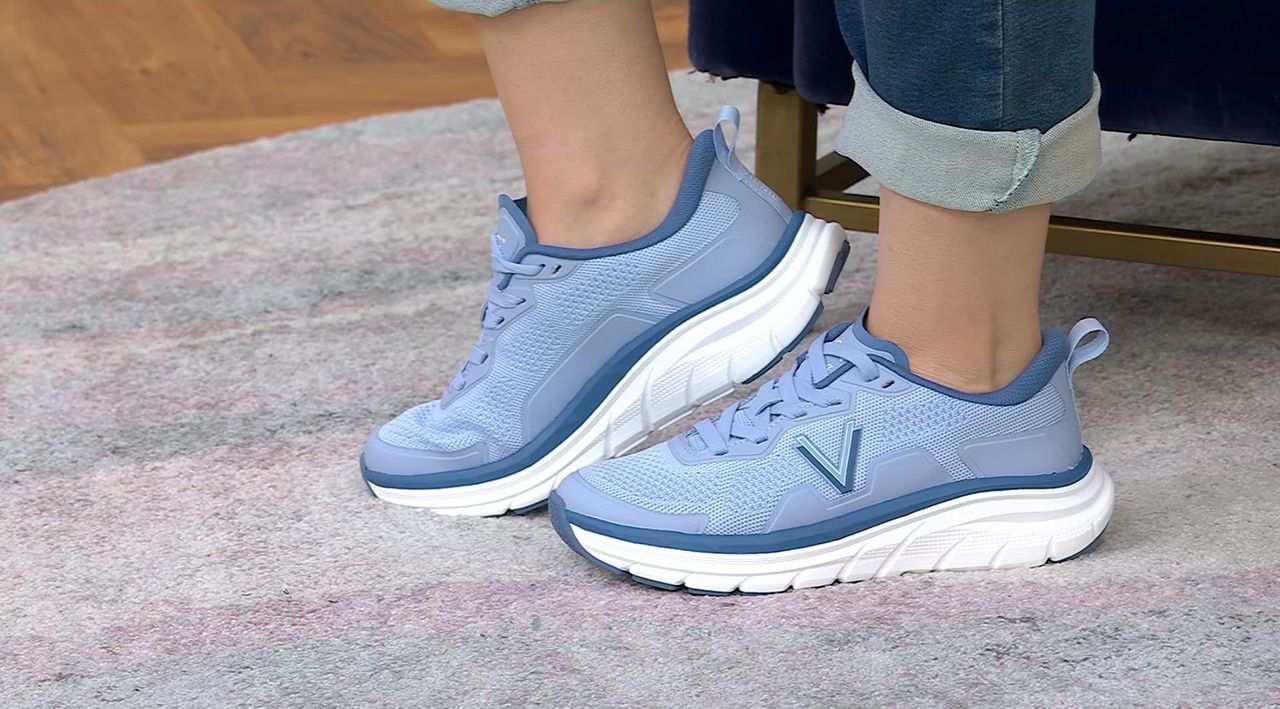
Historically, “orthopedic” or “comfort” shoes were synonymous with bulky, beige, and frankly, unattractive designs. They were shoes you hid, not shoes you showcased. This created a psychological barrier for many who needed support but were unwilling to sacrifice their style identity. The modern vionic walking shoe shatters this stereotype. Designers have successfully integrated the essential biomechanical components—the deep heel cup, the robust arch support, the strategically placed flex grooves—into silhouettes that are contemporary, versatile, and fashionable. From sleek sneakers and chic sandals to sophisticated loafers, the technology is seamlessly woven into the design. This aligns with a broader cultural shift noted by fashion commentators, where wellness and aesthetics are merging. We see it in the rise of “athleisure,” and now, in “wellness wear.” Wearing a shoe that looks good is no longer mutually exclusive with wearing a shoe that does good for your body. This fusion empowers you to make health-conscious choices without feeling like you’ve opted out of style, allowing your footwear to complement your life, whether you’re running errands, traveling, or enjoying a casual day out.
The Long-Term Investment: Beyond the Price Tag
When evaluating footwear, it’s easy to focus solely on the initial cost. However, a more holistic view considers cost-per-wear and, more importantly, cost-per-health-benefit. A cheap, poorly constructed shoe may save money upfront but can contribute to foot problems like plantar fasciitis, metatarsalgia, or tendonitis, leading to significant expenses in podiatrist visits, physical therapy, custom orthotics, and lost productivity. In contrast, a well-designed vionic walking shoe is an investment in preventative care. The built-in orthotic is a key differentiator. As noted by Dr. Jackie Sutera, a renowned New York City podiatrist, in various media interviews, “A good over-the-counter orthotic shoe can often prevent the need for costly custom orthotics later on.” By providing immediate and consistent support, these shoes help maintain proper alignment, reduce fatigue, and mitigate the wear-and-tear on joints. When you factor in the durability of quality materials and construction, the value proposition becomes clear. You are not just buying a shoe; you are investing in the foundation of your mobility and long-term well-being, a perspective that makes the initial price a wise and justifiable expenditure for your health.
Expert Voices and Real-World Validation
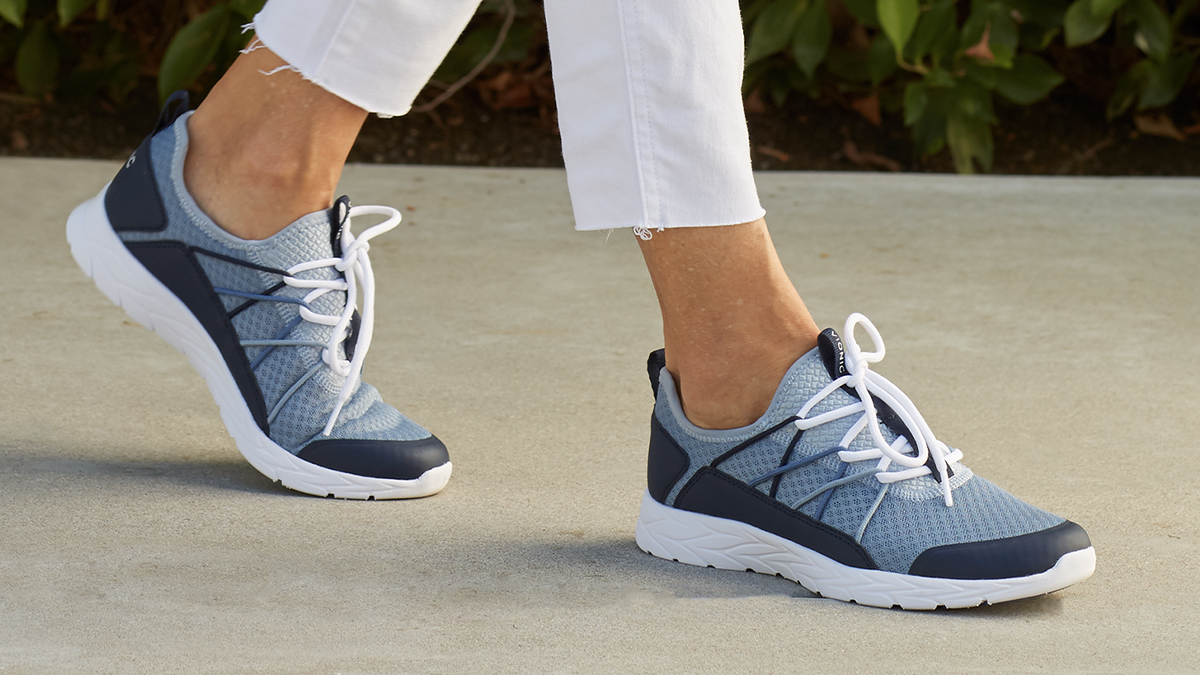
The credibility of any product is bolstered by the endorsements of experts and the testimonials of users. In the realm of foot health, podiatrists are the ultimate authority. Many podiatrists, beyond the brand’s founders, recommend or acknowledge the benefits of biomechanically designed footwear. For instance, discussions on professional platforms like Quora and healthcare blogs frequently cite brands with APMA recognition as a reliable starting point for patients seeking off-the-shelf support. Furthermore, the consumer voice is powerful. Across platforms like YouTube and dedicated review sites, long-form testimonials from individuals—from nurses who spend 12-hour shifts on their feet to travelers who explore cities on foot—consistently highlight a common narrative: a transformative reduction in foot and leg pain after switching to supportive shoes. One such reviewer stated,
“After years of thinking my knee pain was just something I had to live with, switching to a shoe with proper arch support was a revelation. The difference wasn’t subtle; it was a fundamental change in how my body felt at the end of the day.”
This convergence of professional recommendation and widespread user satisfaction forms a compelling body of evidence that moves the product from a simple commodity to a tool for enhanced quality of life.
Making the Choice Accessible: Knowledge and Value
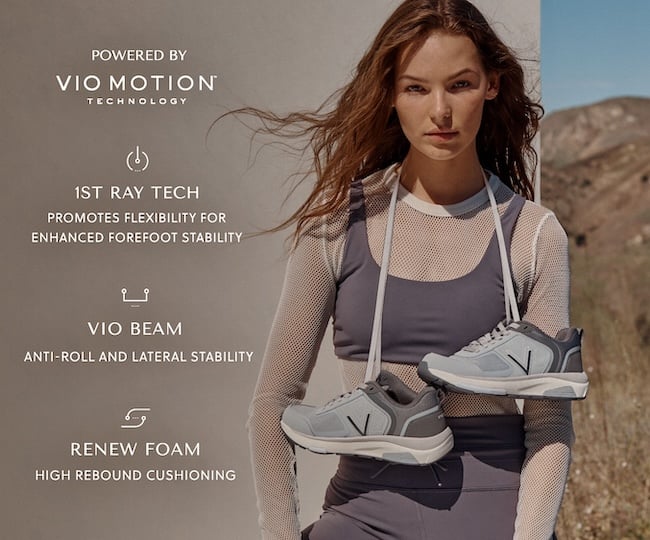
Understanding the “why” behind the design is the first step; the next is making an informed and value-conscious decision. The world of specialty footwear can be daunting, with myriad terms like motion control, neutral support, and footbeds. Reputable brands provide extensive educational resources, guiding you to identify your gait type and arch profile. This empowerment through knowledge ensures you select a shoe that addresses your specific needs, not just a generic “comfort” option. Furthermore, while premium technology commands a premium price, value is accessible. Direct-to-consumer models, seasonal sales, and bundled offers frequently bring these biomechanical tools within reach. Investing in your foot health doesn’t always require a prohibitive upfront cost; savvy shoppers can find exceptional value, acquiring a vionic walking shoe that offers both professional-grade support and contemporary style at a compelling price point. This democratization of podiatric science means that exceptional comfort and support are no longer a luxury, but an attainable standard for everyday life.
The journey toward effortless walking and enduring comfort is not about finding a temporary fix or a stylish accessory. It is about aligning your daily habits with the biomechanical reality of your body. The search ends when you stop seeing shoes as mere coverings for your feet and start recognizing them as essential partners in your movement. A shoe built on orthotic principles, validated by science, crafted with style, and celebrated by those who wear them represents this paradigm shift. It is an invitation to experience walking not as a mundane task, but as a supported, graceful, and pain-free activity. The path to that experience begins with a single, well-supported step.
