

The Walking Shoe: Your Ultimate Guide to Comfort and Style
Forget the notion that comfort and style are mutually exclusive. The modern walking shoe has evolved into a sophisticated piece of footwear technology, engineered to support your body through thousands of steps while making a deliberate statement about your personal aesthetic. This isn’t merely about finding something to wear; it’s about choosing a tool that enhances your daily life, protects your physical well-being, and reflects your approach to an active, engaged lifestyle. We are moving beyond the purely utilitarian and into an era where the shoes we walk in are a conscious choice for health, performance, and identity.
The Anatomy of Comfort: Deconstructing the Modern Walking Shoe
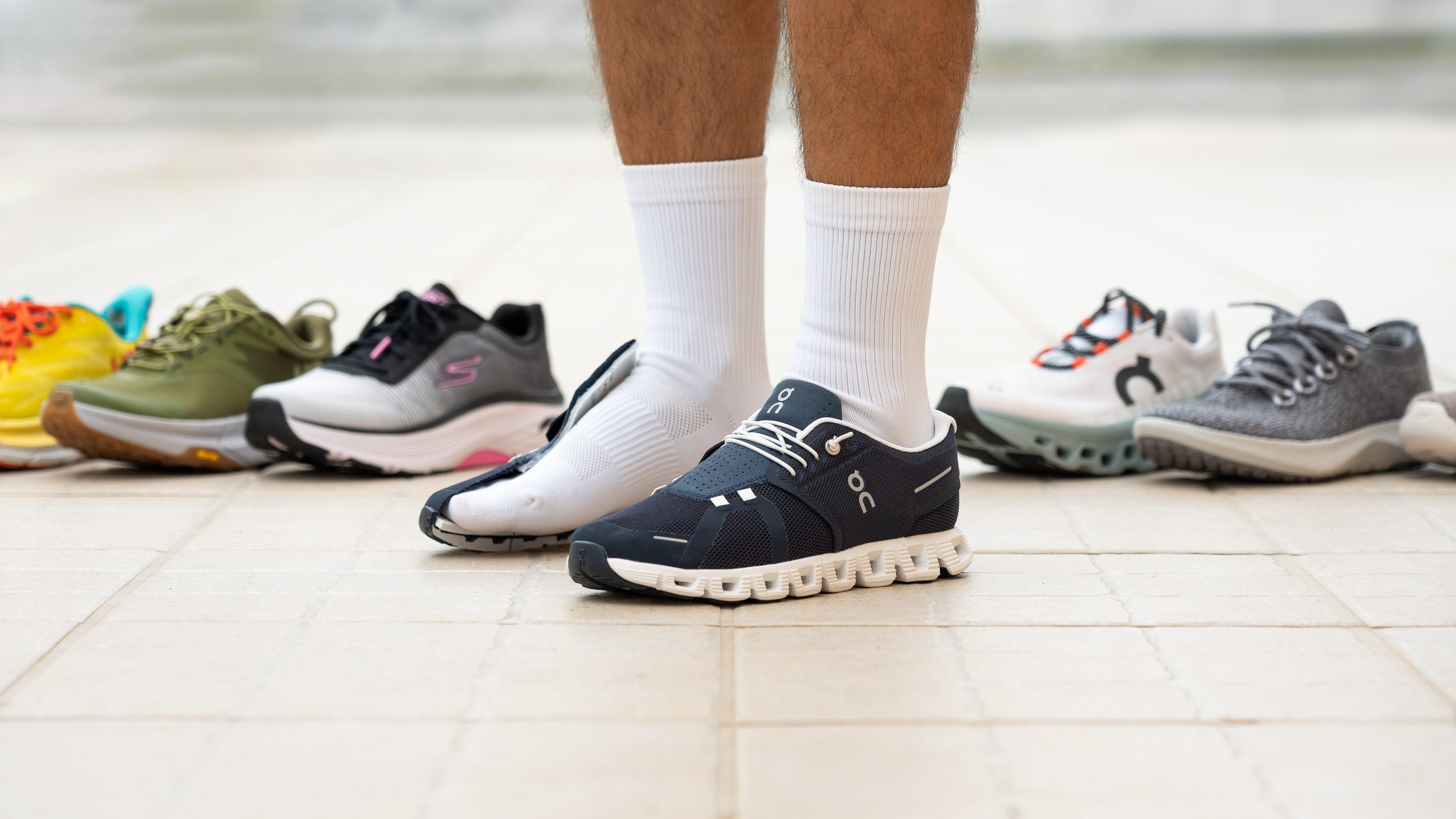
To understand why a great walking shoe feels like a revelation, we must look beneath the surface. The foundation is the midsole, typically crafted from materials like EVA (ethylene-vinyl acetate) foam or advanced polyurethanes. According to biomechanics literature from institutions like the University of Calgary’s Human Performance Laboratory, the midsole’s primary function is shock attenuation—dissipating the ground reaction forces that travel up your skeleton with each heel strike. A too-soft midsole may feel plush initially but can lack stability, while a too-firm one transmits excessive shock. The genius of contemporary designs lies in dual-density or zoned foams, offering cushioning where you need it (like the heel) and firmer support along the arch. The outsole, with its flex grooves and carbon rubber pads, isn’t just for traction; its pattern dictates the shoe’s natural bending point, encouraging a smooth roll from heel to toe-off, a gait cycle phase critical for efficiency. The upper, once just a leather or nylon shell, is now a breathable, often seamless, engineered mesh that conforms to the foot’s shape, reducing hot spots and blister-causing friction. This holistic integration of components is what separates a true walking shoe from a running shoe repurposed for walking, as the biomechanics and pressure distributions differ significantly.
Biomechanics in Motion: Why Your Gait Demands Specific Support
You might have heard terms like “pronation” or “supination” in running stores, but they are equally vital for walkers. Pronation is the natural inward roll of the foot after heel contact, which helps distribute impact. Overpronation, an excessive inward roll, can lead to strain on the knees, hips, and lower back. Conversely, supination (or underpronation) is an outward roll, placing pressure on the foot’s outer edge. The American Podiatric Medical Association emphasizes that selecting footwear to match your gait pattern is a cornerstone of preventive care. How do you know your pattern? The classic “wet foot test” on a paper bag offers a clue, but for a definitive analysis, a gait assessment at a specialty store is invaluable. A quality walking shoe will address this through features like medial posts—denser foam on the inner side of the midsole to curb overpronation—or curved lasts (the shoe’s form) that accommodate a more neutral or supinated gait. Ignoring your biomechanics is like driving a car with misaligned wheels; you’ll eventually wear down the “tires” (your joints) unevenly and inefficiently.
The Style Equation: When Form Meets Function Without Compromise
Gone are the days when “comfort shoes” were clunky eyesores. Today’s leading brands have embraced design philosophies that marry technical performance with contemporary aesthetics. Consider the minimalist, sleek profiles from brands like Cole Haan or Allbirds, which seamlessly transition from a morning walk to a business-casual office. Or the heritage-inspired designs from New Balance and Saucony, which tap into a nostalgia for classic athletic wear while incorporating modern cushioning systems. This shift is a response to a cultural movement, articulated by figures like designer Tinker Hatfield (the mind behind iconic Air Jordans), who famously stated in an interview with Fast Company: “Performance and style are not at odds. In fact, the best performance often leads to a form that is inherently beautiful.” The walking shoe has become a symbol of an integrated life, where health consciousness and personal style are not separate compartments but intertwined values. The color palettes, material textures, and silhouettes available today mean your footwear can express individuality without sacrificing an ounce of support.

The Investment in Longevity: Knowing When to Retire Your Shoes
A critical, often overlooked aspect of footwear is its lifespan. The cushioning materials in midsoles compress and lose their resiliency long before the outsole wears through. The general consensus among sports medicine professionals, echoed by resources from Verywell Fit and Runner’s World, is to replace walking shoes every 300 to 500 miles. For a daily walker covering 3 miles a day, that’s roughly every 4 to 6 months. Signs of retirement aren’t always dramatic; listen for a lack of “spring” in your step, increased joint or muscle fatigue after your usual route, or visible creasing and compression in the midsole foam. Persisting in worn-out shoes negates all the engineering you paid for, exposing you to a higher risk of overuse injuries. Think of it not as an expense, but as a non-negotiable reinvestment in your mobility and comfort. This proactive approach is far more cost-effective than dealing with physical therapy bills down the line.
:max_bytes(150000):strip_icc()/when-should-i-replace-my-walking-shoes-3436325-0801-7a1840d83573471092e0380f9e230ecc.jpg)
Making the Informed Choice: A Framework for Your Perfect Fit
Armed with knowledge, your purchasing journey becomes intentional. First, prioritize fit above all else. Your feet swell throughout the day, so shop in the afternoon or evening. There should be about a thumb’s width of space between your longest toe and the end of the shoe. Width is crucial; a shoe that’s too narrow will cause compression, while one too wide will allow slippage. Second, match the shoe to your primary activity. A fitness walker on paved paths needs a different walking shoe than a hiker on trails. Third, don’t be swayed by trends alone. Test the shoe’s flex point—it should bend easily at the ball of your foot, not the arch. Finally, bring the socks you intend to wear. The right pair of walking shoes, chosen with this deliberate methodology, ceases to be just an accessory and becomes a trusted partner in your daily movement.
Beyond the Purchase: Professional Insight and Accessible Value
The quest for the ideal shoe is supported by a wealth of professional knowledge now accessible to all. Podiatrists and orthopedic specialists frequently publish guidelines on footwear selection for common conditions like plantar fasciitis or bunions. YouTube channels dedicated to shoe reviews, such as those by certified pedorthists or long-distance walkers, offer real-world, long-term wear tests that go beyond marketing claims. Furthermore, the market today is wonderfully responsive. While premium technology commands its price, many of these innovations trickle down to mid-range models within a season. Seasonal sales, outlet stores, and previous-generation models are excellent avenues to acquire top-tier engineering at a significant discount. The goal is to democratize comfort—expert-level support shouldn’t be a luxury. By seeking out knowledge and being a savvy shopper, you empower yourself to find that perfect synergy of support, style, and value, step after confident step.
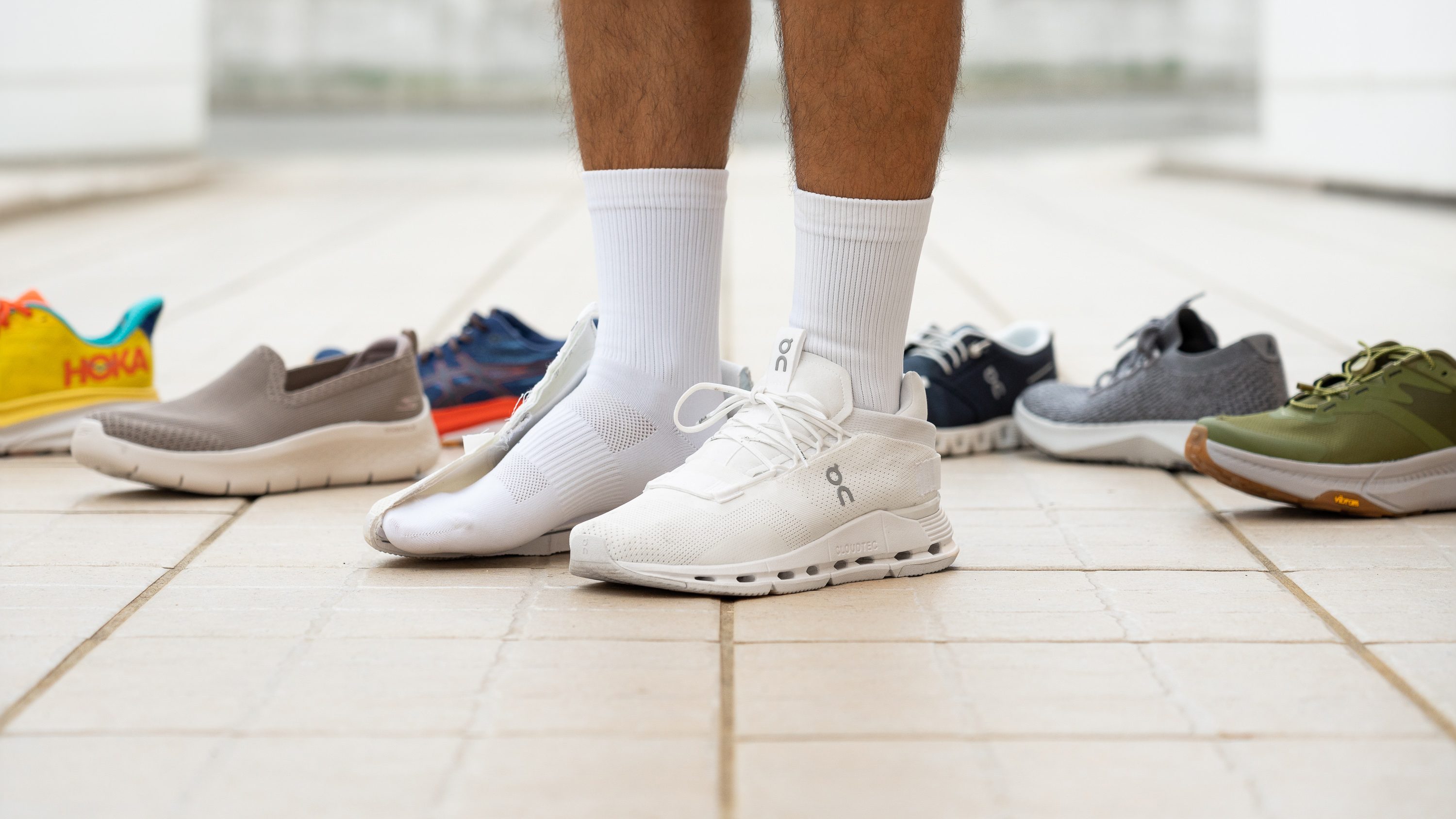
The journey through the world of walking shoes reveals a simple truth: what you put on your feet fundamentally shapes your experience of the world. It’s a choice that resonates through your joints, your posture, your energy, and your confidence. By selecting a walking shoe with intention—honoring both the science of your body and the expression of your style—you’re not just buying footwear. You’re investing in a foundation for a more active, comfortable, and vibrant life, one where every step feels considered and every destination is approached with ease.
