

The Walking Shoe: Your Secret Weapon for Effortless Everyday Style
Forget the endless chase for the perfect, fleeting fashion trend. The true cornerstone of personal style isn’t found in a runway look but in the foundation you stand on every single day. That foundation is the humble, yet profoundly powerful, walking shoe. It’s the unsung hero of your wardrobe, the piece that bridges the gap between aesthetic aspiration and the gritty reality of daily life. This isn’t about athletic performance or specialized gear; it’s about reclaiming comfort as a non-negotiable component of sophistication. The right pair of walking shoes doesn’t just carry you from point A to point B; it elevates your entire demeanor, granting you the confidence that comes from unwavering comfort and considered style. Let’s dismantle the outdated notion that comfort equates to frumpiness and explore how this single category of footwear can revolutionize your approach to getting dressed.
The Anatomy of Effortless: Deconstructing the Modern Walking Shoe
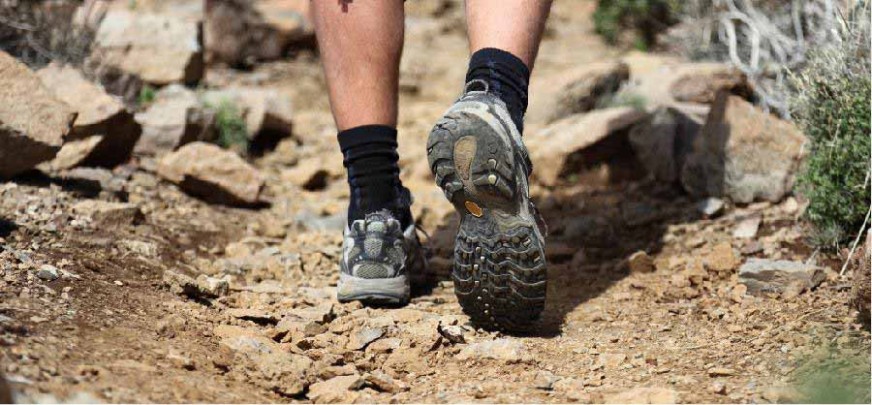
To appreciate the walking shoe as a style tool, one must first understand its evolution from a purely functional item to a design object. The science of walking, or gait analysis, has deeply informed modern shoe design. According to biomechanics literature from institutions like the University of Calgary’s Human Performance Laboratory, the human foot is a complex structure of 26 bones, 33 joints, and over 100 muscles, tendons, and ligaments. A shoe designed for sustained, comfortable walking must respect this complexity. Key features have emerged as non-negotiable: a flexible forefoot to allow the natural toe-off phase of the gait cycle, a cushioned midsole—often using proprietary foams like Adidas’s Boost or Brooks’s DNA LOFT—to absorb the repetitive impact forces (which can reach 1.5 times your body weight with each step), and a heel counter that provides stability without restriction. The upper materials have also evolved, with engineered meshes offering breathability and adaptive fit, moving far beyond the stiff, unforgiving leathers of the past. This marriage of orthopedics and material science creates a product that supports the body’s mechanics invisibly. When your feet, knees, and back are properly aligned and cushioned, your posture improves, your stride becomes more relaxed, and the tension that often manifests in a hurried, uncomfortable person simply melts away. This physiological ease is the bedrock of effortless style; you cannot look at ease if you are not at ease.
Beyond Sneakers: The Style Spectrum of Walking Footwear
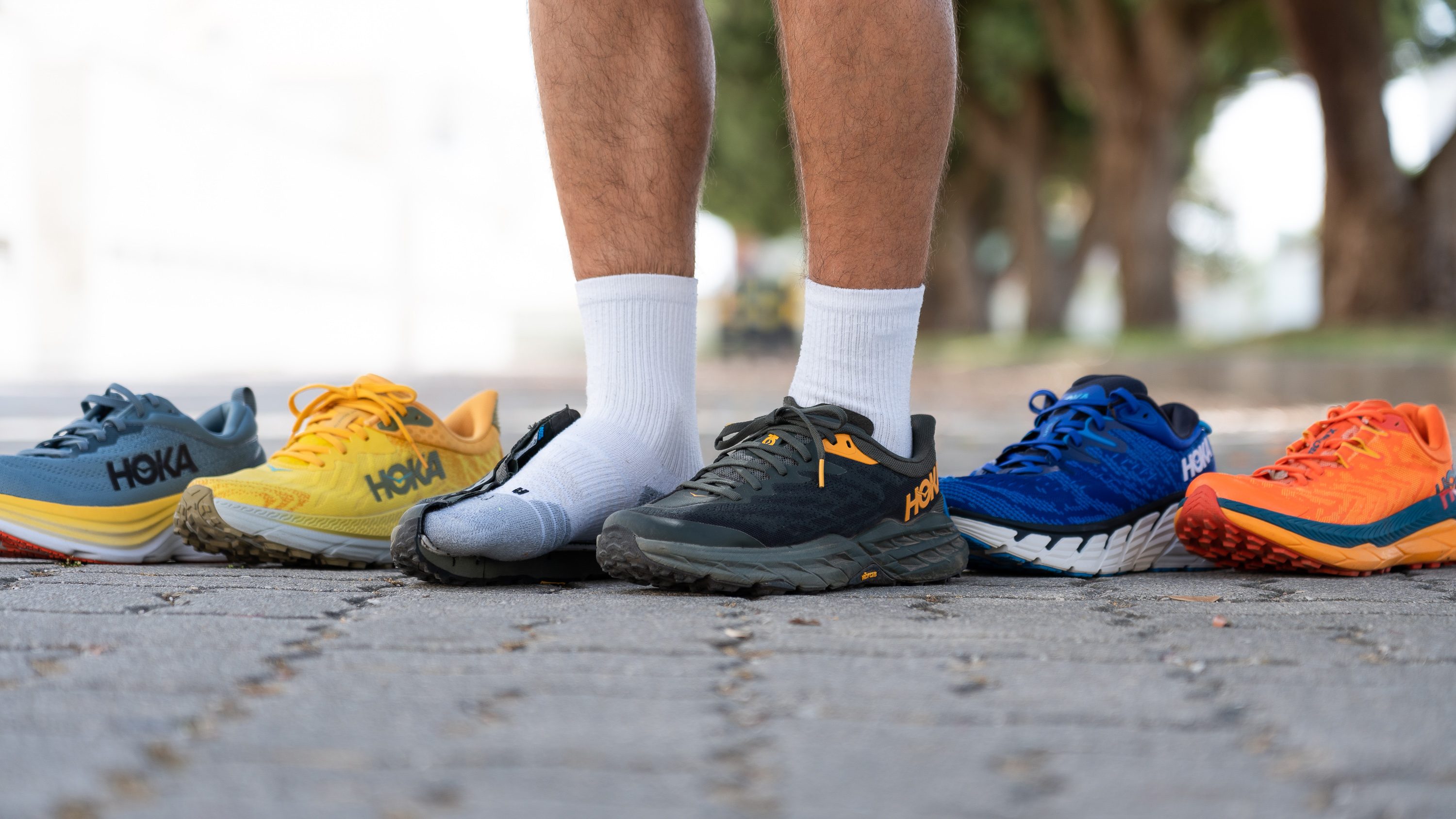
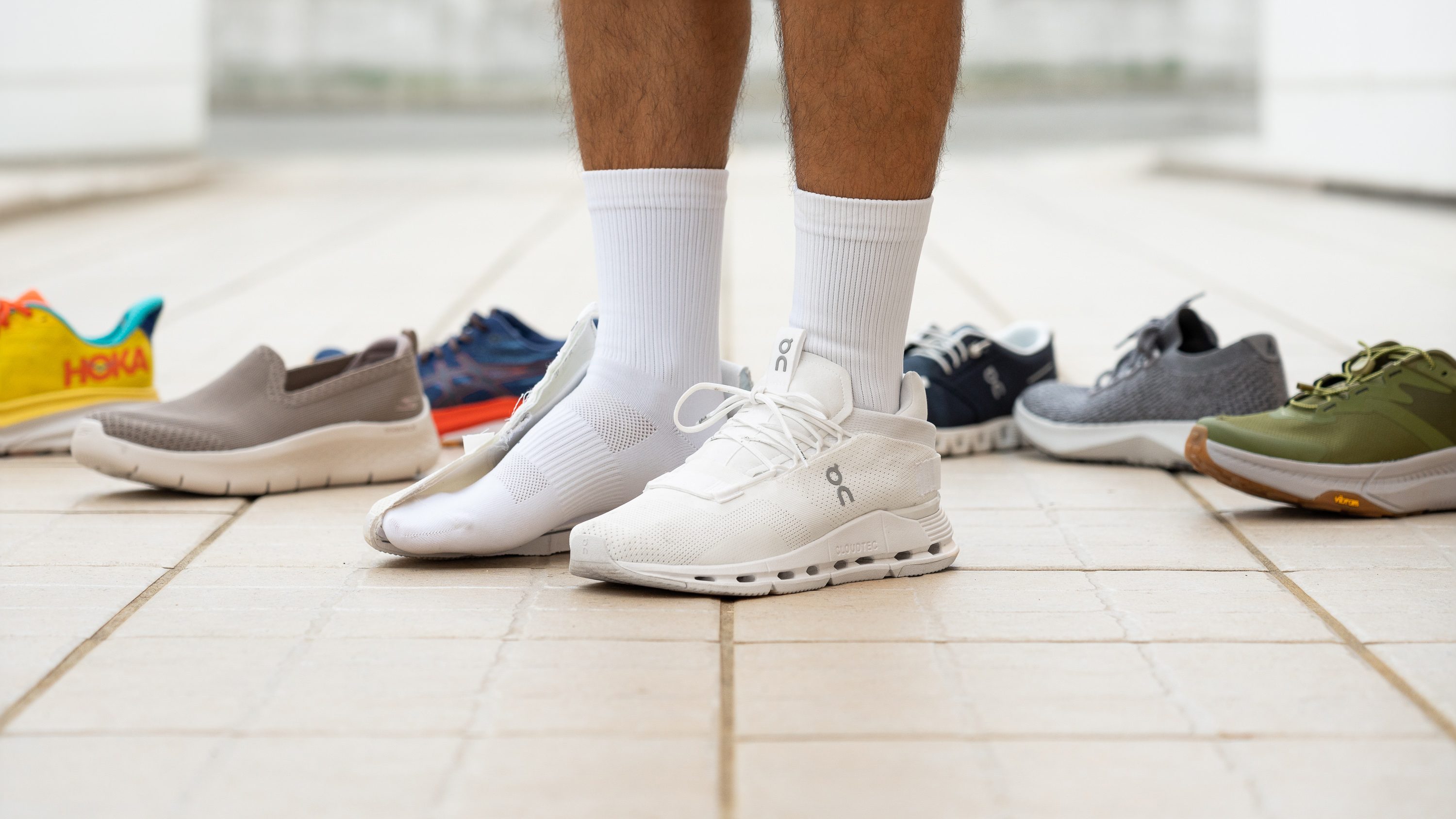
The term “walking shoe” often conjures images of bulky, white athletic sneakers. While those remain a valid (and increasingly fashionable) option, the category has exploded. Today, it encompasses sleek leather trainers from brands like Koio or Common Projects, which offer the same ergonomic principles in a minimalist, luxury package. It includes the technically advanced, maximalist comfort of Hoka One One, whose meta-rocker geometry is praised by podiatrists and urban explorers alike for propelling the foot forward with less effort. It even extends to sophisticated leather loafers or derbies built on hidden, cushioned platforms from brands like Cole Haan or M.Gemi. The common thread is intentional design for movement. As style commentator and author Brittany Bathgate has noted on her platform, “The most stylish people are those who look appropriate for their day, and for most of us, that day involves a significant amount of walking, standing, and transitioning between environments.” Choosing a shoe designed for this reality is not a style compromise; it is a style strategy. It allows you to navigate a day of meetings, errands, and social engagements without a second thought to your feet, freeing your mind to focus on the interactions and experiences that matter.
The Psychological Dividend: Confidence Built from the Ground Up
The impact of footwear on psychology is well-documented. A famous 2012 study published in the Journal of Experimental Social Psychology, known as “Enclothed Cognition,” demonstrated that the symbolic meaning of clothing and the physical experience of wearing it can systematically influence the wearer’s psychological processes. Applying this to footwear, a shoe that signifies comfort, preparedness, and self-care can literally alter your mindset. When you are not wincing with each step on cobblestone streets or slipping off your shoes under a restaurant table in relief, you project an image of composed capability. This is the secret weapon aspect. While others are distracted by discomfort, you are fully present. Your walking shoe becomes an enabler of confidence. This isn’t mere speculation; it’s echoed in the ethos of many design-led comfort brands. As Blake Mycoskie, founder of TOMS, famously stated, “Comfort is the ultimate luxury. When you feel good, you do good.” This philosophy transcends philanthropy and speaks directly to personal style. The confidence derived from physical ease allows your personal style—your choice of a great coat, the drape of your trousers, the statement of your accessories—to shine without the shadow of discomfort.
Curating Your Arsenal: A Practical Guide to Selection
Understanding the “why” is futile without the “how.” Selecting your ideal walking shoes requires a shift from purely visual shopping to experiential evaluation. First, prioritize fit over size. Sizes vary wildly between brands, and your foot likely swells throughout the day. Shop in the afternoon, wear the socks you intend to pair them with, and ensure there’s a thumb’s width of space between your longest toe and the end of the shoe. Second, test the shoe’s function. Don’t just stand on carpet; walk on a hard floor. Feel for heel slippage, pressure points across the top of your foot, and adequate arch support. Third, consider versatility. A neutral-colored shoe—black, white, grey, or tan—in a relatively clean silhouette will integrate into a wider wardrobe capsule, maximizing cost-per-wear. This is where professional knowledge translates to value. Investing in a technically superior pair from a brand like Brooks, Saucony, or New Balance, often available at discounted prices during seasonal sales or through outlet channels, is a smarter long-term play than buying multiple pairs of cheap, unsupportive fashion shoes that will need replacing and may cause physical issues.

The Sustainable Style Choice: Longevity Over Disposability
In an era of fast fashion, the well-made walking shoe is a beacon of sustainable practice. A quality pair, constructed with durable materials and robust stitching, is designed to last for hundreds, if not thousands, of miles. This longevity stands in direct opposition to the disposable nature of trend-driven footwear. By choosing a timeless style built for durability, you actively reduce waste and consumption. Furthermore, the comfort ensures you will actually wear them consistently, unlike impulse-buy shoes that languish in the closet. Brands are increasingly transparent about their use of recycled materials and ethical manufacturing in this category, allowing your style choice to align with your values. As environmental activist and author Lauren Singer advocates, “The most sustainable item is the one you already own, and the second most sustainable is the one you will use until it falls apart.” A versatile walking shoe is the epitome of this philosophy, becoming a reliable, long-term partner in your daily life.
The pursuit of style is often framed as an external endeavor—a curation of images and impressions. But the most resonant and authentic style emanates from an internal state of assurance and well-being. The walking shoe is the tangible tool that facilitates this state. It is the quiet, intelligent choice that prioritizes the body’s needs without sacrificing aesthetic sensibility. It grants you the freedom to move through your world with grace, to engage fully with your surroundings, and to present the best version of yourself—unhindered, confident, and effortlessly put together. In the end, true style isn’t about what you wear; it’s about how you wear your life. And that journey always begins with a single, comfortable step.
