The Ultimate Walking Shoe Guide: Style Meets Comfort for Every Step
Forget the notion that you must sacrifice aesthetics for support or fashion for function. The modern walking shoe has evolved into a sophisticated piece of footwear technology, engineered to cradle your foot through thousands of steps while complementing your personal style. Whether you’re navigating city streets, park trails, or the endless corridors of a busy life, the right pair is not just an accessory; it’s a foundation for well-being. This guide delves beyond marketing claims, merging objective science with practical insight to help you discover where true comfort intersects with enduring style.
The Anatomy of Comfort: Deconstructing the Modern Walking Shoe
To understand what makes a great walking shoe, we must first dissect its components. Comfort is not a vague feeling but the result of specific engineering principles applied to materials and design. The midsole, often made from EVA (ethylene-vinyl acetate) foam or advanced compounds like polyurethane, is the heart of cushioning. Its job is to absorb the shock of heel strike—a force that can be 1.5 times your body weight with each step, according to biomechanics research from institutions like the University of Calgary’s Human Performance Laboratory. Then comes the insole or sockliner, which provides immediate underfoot comfort and can often be removed for orthotic support. The upper, constructed from engineered mesh, leather, or knit materials, must offer a secure, breathable fit without pressure points. Finally, the outsole’s rubber compound and tread pattern determine grip and durability. A 2023 review on RunRepeat, an athletic shoe analytics platform, emphasized that the best walking shoes balance these elements without over-engineering any single part, creating a harmonious system that protects joints from the cumulative stress of repetitive motion.
Arch Support and Gait: The Invisible Science
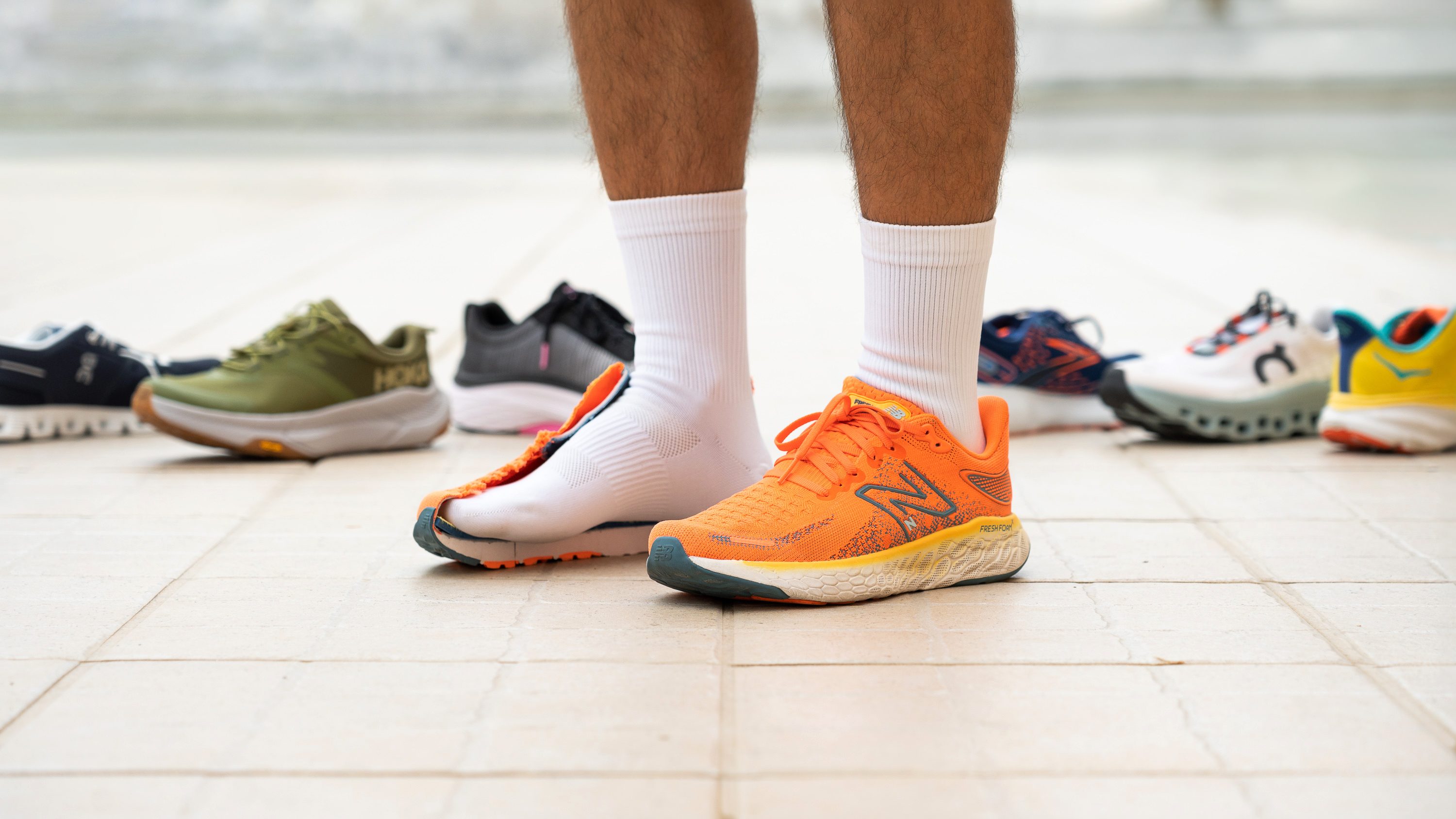
Perhaps the most critical yet misunderstood aspect is biomechanical alignment. Your foot’s arch type—whether neutral, low (overpronation), or high (supination)—dictates the level of stability you need. As noted by the American Podiatric Medical Association, improper support can lead to a chain reaction of discomfort, from plantar fasciitis to knee and back pain. A well-designed walking shoe incorporates features like medial posts (denser foam on the inner side) for overpronators or curved lasts (the foot-shaped form a shoe is built on) for high arches. This isn’t mere speculation; it’s podiatry in practice. Consider the words of renowned sports medicine specialist Dr. Jordan Metzl, who stated in an interview with Runner’s World: “The goal is to find a shoe that allows your foot to function as naturally as possible while providing the corrective support it inherently lacks. It’s about enabling efficient movement, not restricting it.” This principle is paramount. When you try on shoes, pay attention to how your foot settles. Does it roll inward excessively? Does the arch feel supportive without being intrusive? This minute engineering makes the monumental difference between a shoe you can wear for an hour and one you can live in all day.
Style as Function: When Design Complements Purpose
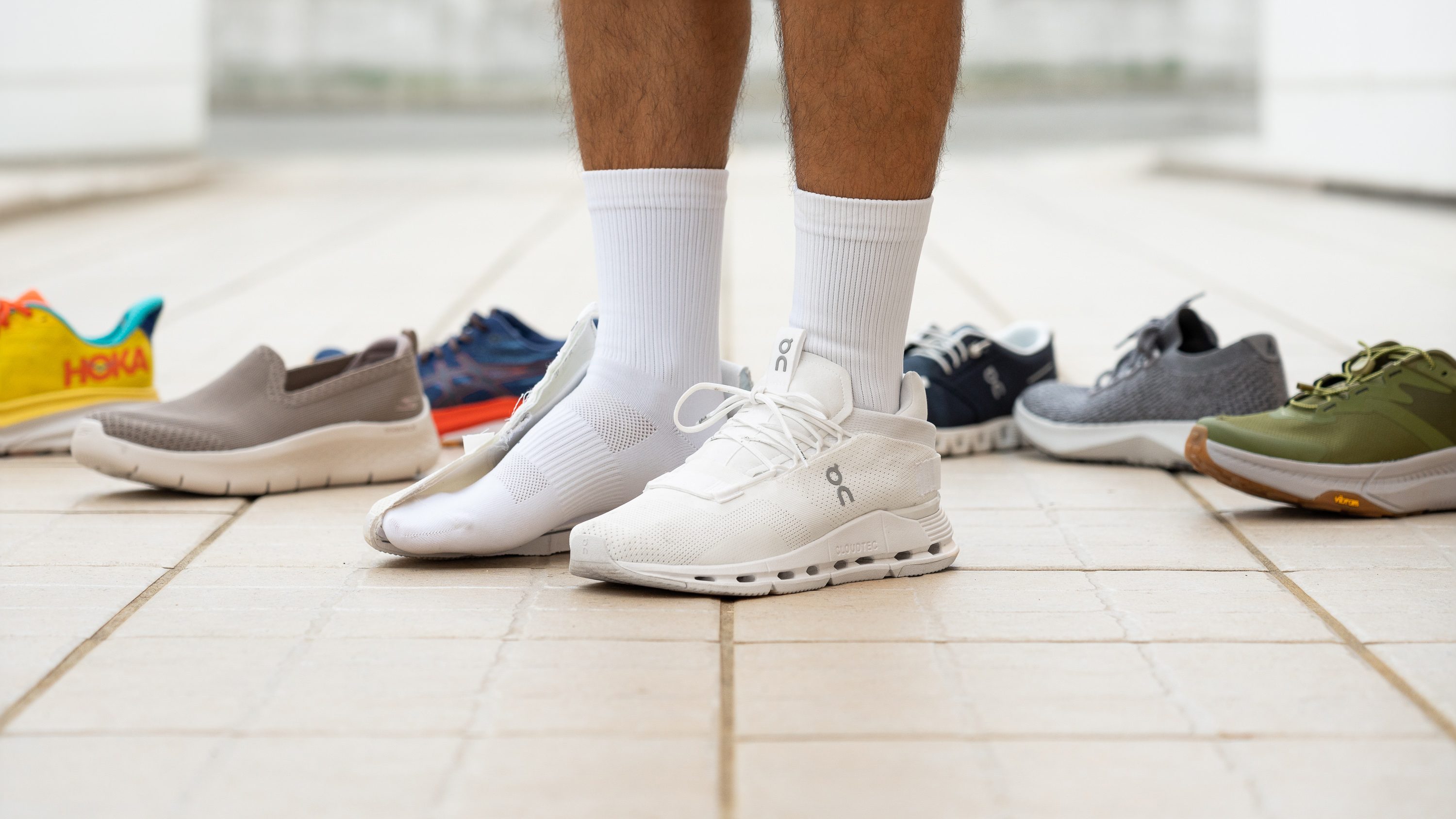
The era of clunky, purely utilitarian walking shoes is over. Today, leading brands leverage design to enhance function. A sleek, low-profile upper isn’t just about looks; it reduces unnecessary weight and bulk, promoting a more natural stride. Reflective details increase visibility for evening strolls, integrating safety into style. Color blocking and material textures are now used strategically to provide structure and adaptive fit. For instance, the popularity of knit uppers, pioneered by brands like Adidas with its Primeknit technology, offers a sock-like, seamless fit that molds to the foot, reducing the risk of blisters—a perfect marriage of contemporary aesthetics and practical comfort. As fashion critic and author Vanessa Friedman observed in The New York Times, the rise of “athleisure” has fundamentally blurred the lines, creating a demand for footwear that performs technically without visually announcing itself as a specialist sports product. This cultural shift means you no longer need to change shoes between a morning walk, a day of errands, and a casual lunch. The right walking shoe is a versatile tool, designed to move with you through all facets of a dynamic life.
Material Innovation: Breathability, Durability, and Sustainability
The quest for the perfect walking experience has driven remarkable material innovation. Modern uppers often feature engineered mesh with targeted zones of high breathability and reinforced durability. This isn’t just about comfort; it’s about foot health. A study cited by the American Orthopaedic Foot & Ankle Society highlighted that a cooler, drier shoe environment significantly reduces the risk of fungal infections and skin breakdown. Furthermore, sustainability has become a core component of design. Brands are increasingly using recycled polyester, ocean plastics, and bio-based foams. For example, Allbirds popularized the use of merino wool and sugarcane-based EVA, proving that eco-conscious materials can meet high performance standards. When evaluating a shoe, consider its material composition not just for how it feels today, but for its longevity and environmental footprint. A durable, well-constructed shoe from responsible materials is an investment in your comfort and your values, avoiding the disposable cycle of fast fashion footwear.
Selecting Your Perfect Pair: A Personal Journey
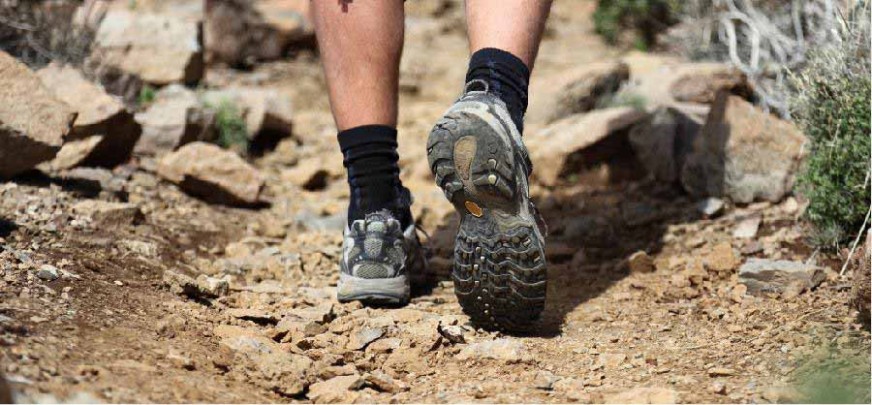
With the science in mind, how do you translate this into a personal choice? First, prioritize fit over everything else. Sizing can vary dramatically between brands and even models. Always try shoes on in the afternoon, as feet naturally swell throughout the day. Wear the socks you intend to walk in and ensure about a thumbnail’s width of space between your longest toe and the end of the shoe. Second, simulate the walking motion. Don’t just stand; walk around the store, on hard surfaces if possible. Feel for heel slippage, arch alignment, and flexibility at the ball of the foot. Third, consider your primary terrain. A shoe with a deep-lugged outsole is ideal for uneven trails but may feel unstable on polished concrete. Conversely, a smooth, flexible sole is perfect for pavement. Remember the wisdom from Wikipedia’s entry on footwear: “The functional attribute of footwear is to protect the foot against environmental hazards.” Your environment defines the needed protection.
Investing in Your Foundation: The Price-Performance Equation
While premium walking shoes from brands like Hoka, Brooks, or On Running often carry a higher initial price tag—typically ranging from $120 to $160—they represent an investment in proprietary cushioning technologies, superior materials, and rigorous durability testing. However, excellent options exist at accessible price points. Brands like New Balance and Skechers frequently offer models with proven comfort features for under $100. The key is to look for sales on previous seasons’ models, which are often discounted by 30-50% as new versions are released. Major retailers and brand outlets regularly run promotions, especially during holiday weekends and seasonal changes. As financial advisor and author Suze Orman often emphasizes, “An investment in your health always pays the best interest.” Spending wisely on quality footwear that prevents pain and injury can save thousands in potential medical costs and lost mobility down the line. It’s not an expense; it’s proactive healthcare.
The Journey Begins with a Single Step
The search for the ultimate walking shoe is a pursuit of harmony—between body and machine, science and style, investment and reward. It requires listening to the subtle feedback from your feet and trusting in the proven engineering that turns a simple step into a pleasure. Let this guide be your starting point. Lace up a pair that feels like an extension of yourself, and step out with confidence. The path ahead is best traveled on feet that are supported, comfortable, and stylishly equipped for every mile.