

How to Style These Wild Statement Shoes
Let’s be clear from the start: statement shoes, particularly those adorned with audacious patterns like animal prints, are not mere accessories. They are declarations. They are the exclamation point at the end of your sartorial sentence. This isn’t about timidly dipping a toe into trend-driven waters; it’s about embracing a tool for personal narrative and unapologetic self-expression. The goal here is to move beyond the simplistic question of “Can I wear these?” to the more empowered “How will I command these?” We will dismantle the intimidation factor, provide a scientific and cultural backbone to their appeal, and deliver a practical, actionable guide to integrating these wild pieces into a wardrobe that feels authentically and powerfully yours.
The Primal Allure: Why We’re Drawn to the Wild Print
Before we style, we must understand the “why.” The attraction to animal prints, especially the iconic leopard or cheetah pattern, is not a frivolous fashion invention but is rooted in deep-seated psychological and cultural symbolism. From a scientific perspective, our brains are wired to notice patterns and contrasts. The high-contrast, irregular spotting of a cheetah print heels creates visual complexity that captures attention more effectively than a solid block of color. This is linked to the concept of “visual entropy” – a measure of randomness and detail in an image. Research in perceptual psychology suggests that humans have a preference for intermediate levels of visual entropy; too simple is boring, too complex is chaotic. The animal print sits perfectly in that engaging middle ground. Culturally, the leopard print has a storied history. In many ancient cultures, from Africa to pre-Columbian Mesoamerica, wearing the skin or symbol of a powerful predator like a leopard or jaguar was believed to transfer the animal’s strength, speed, and ferocity to the wearer. This symbolism was famously adopted and democratized in the West by designers like Christian Dior in the 1940s and later epitomized by the fearless glamour of icons such as Eartha Kitt and, in a more rock ‘n’ roll context, the Rolling Stones’ guitarist Keith Richards. As fashion historian Dr. Valerie Steele noted in an interview for The Business of Fashion, “Animal print has never really gone away because it carries such a potent charge of danger, sexuality, and untamed nature.” It is this very charge that we seek to harness when we slip on a pair of bold, statement shoes.

Rule #1: The Foundation of Confidence is a Neutral Canvas
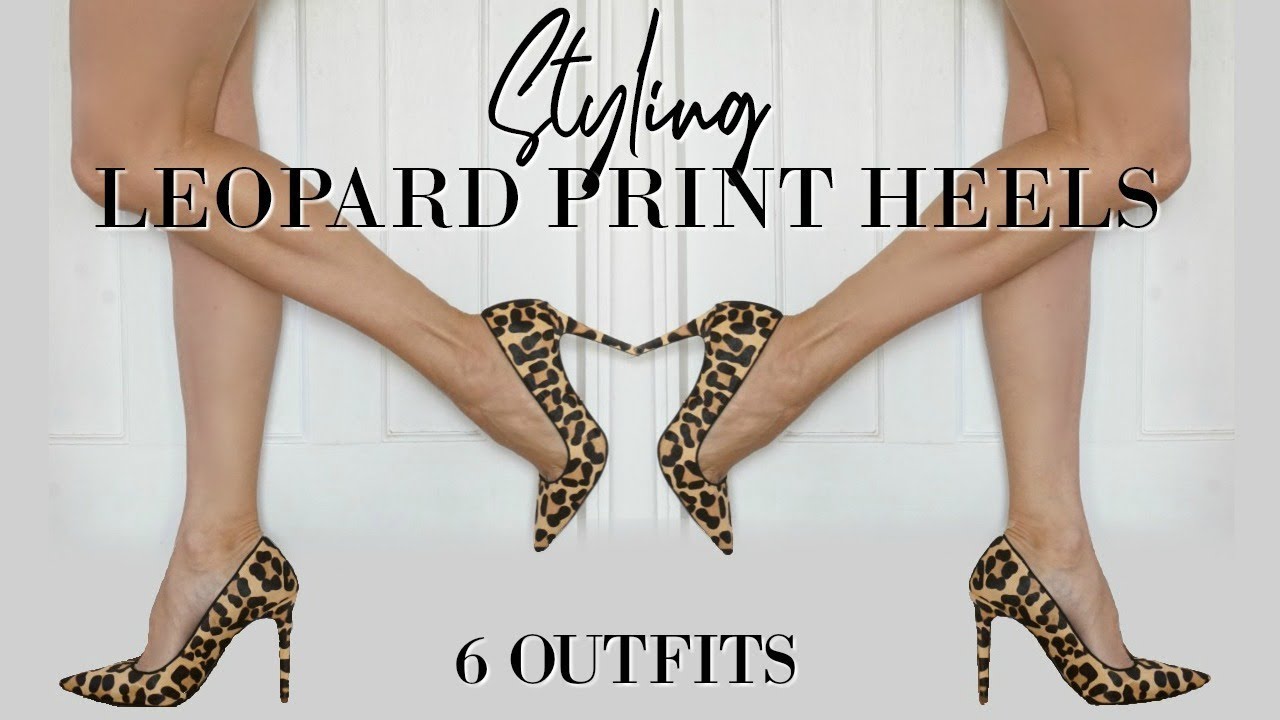
The single most important principle in styling wild statement shoes is to provide them with a stage, not a competing cast. Think of your outfit as a gallery wall: the shoes are the vibrant, focal-point painting, and everything else is the clean, white space that allows it to sing. This is where the concept of a “capsule neutral” comes into play. Build the foundation of your look with pieces in black, white, navy, camel, denim, or crisp grey. A perfectly tailored black blazer and trousers, a simple ivory silk slip dress, or a classic pair of dark-wash jeans and a white tee are not boring choices; they are strategic ones. They provide the visual rest needed to prevent sensory overload. For instance, pairing those dramatic cheetah print heels with a little black dress instantly transforms the look from potentially costumey to sophisticated and powerful. The neutrality of the base outfit doesn’t mute the shoes; it amplifies their character by creating stark contrast. This approach is endorsed by countless style authorities, from the timeless advice in InStyle magazine to the minimalist ethos championed by designers like Jil Sander. It’s a lesson in editing: by limiting the number of competing statements, you ensure your chosen statement has maximum impact and clarity.
Texture as Your Secret Weapon
While color should be reined in, texture is where you can add immense depth and luxury to your neutral foundation. The visual interest of the animal print plays beautifully against rich, tactile fabrics. Consider the juxtaposition of the flat, graphic pattern of your shoes against the nubby weave of a wool bouclé blazer, the soft drape of cashmere, the cool sleekness of leather, or the rustic feel of raw denim. This interplay creates a multi-dimensional look that is far from simple. A pair of leopard-print loafers paired with tailored wool crepe trousers and a silk camisole is a masterclass in mixed textures. It speaks to a nuanced understanding of style that goes beyond mere pattern-matching. As Tim Gunn often emphasized on Project Runway, “Fashion is about proportion and texture.” By focusing on texture within a neutral palette, you build an outfit with sophistication and tactile appeal that complements, rather than fights, the boldness of your footwear. This method allows the shoes to remain the star while ensuring the supporting ensemble is equally compelling upon closer inspection.
Rule #2: The Power of a Single Echo
Once you’ve mastered the neutral canvas, you can advance to the art of the subtle echo. This is not about matching, but about creating a thoughtful dialogue between your shoes and one other element in your outfit. The key is to choose one—and only one—additional piece that references the wild print, but in a different scale, form, or context. This creates cohesion without falling into the trap of being overly thematic. For example, if your statement is a pair of fierce cheetah print heels, your echo could be a silk scarf with a micro-leopard print tied in your hair or around the handle of your bag. It could be a belt with a slender animal-print band, or a simple gold ring with a leopard-head motif. The echo should be a whisper, not a shout. This technique is frequently used by stylists for editorial shoots and red-carpet looks to create a polished, intentional vibe. It signals that your choice of footwear was deliberate and part of a considered whole, not a random act of boldness. It’s the difference between wearing a costume and crafting a personal uniform.
Rule #3: Defying Expectation with Modern Silhouettes
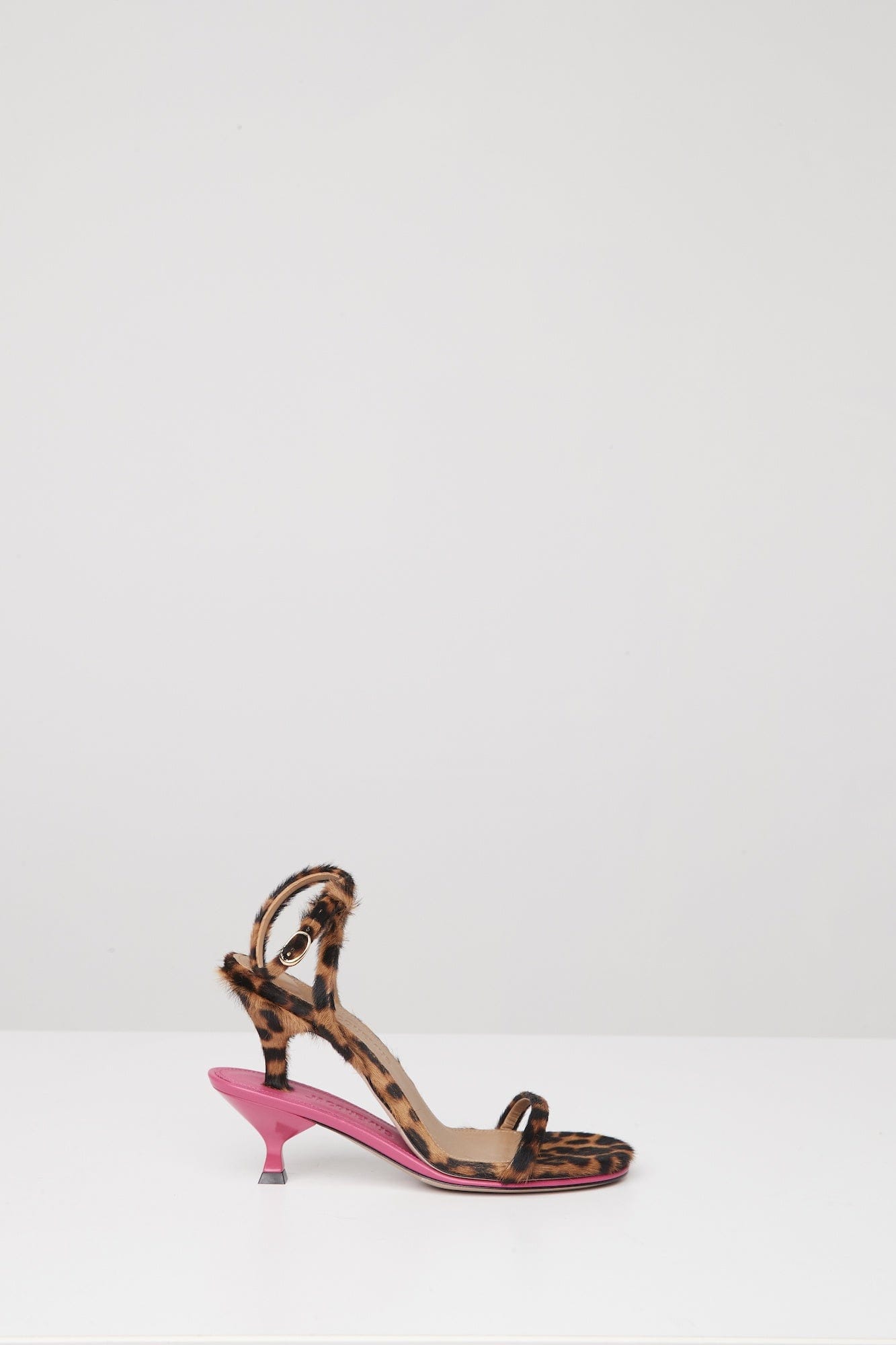
Perhaps the most exciting way to style wild statement shoes is to deliberately clash with their inherent vibe. This is where personal style truly shines. Animal prints are often historically associated with a certain va-va-voom, old-Hollywood glamour. Counter this by pairing them with hyper-modern, minimalist, or even utilitarian pieces. Imagine a slinky leopard-print mule paired with oversized, architectural cargo pants and a sleek tank top. Or, consider a chunky cheetah print heels grounded by a masculine-cut blazer, cycling shorts, and sporty socks. This juxtaposition—the feral against the functional, the ornate against the austere—creates fashion tension that is incredibly contemporary. It’s a look championed by street-style stars and designers alike, reflecting a postmodern approach to dressing where codes are meant to be broken. As designer Virgil Abloh once stated in a lecture at Harvard Graduate School of Design, his work was about “the power of the third meaning,” created by the collision of disparate references. Applying this to your wardrobe, pairing wild shoes with an unexpected silhouette doesn’t dilute their power; it recontextualizes it, making it uniquely and intelligently yours.

The Professional Frontier: Taming the Print for the Office
A common concern is the place of such bold footwear in a professional environment. The answer lies not in avoidance, but in strategic application. The neutral canvas rule is your best friend here. Pair your statement shoes with the most authoritative, classic pieces in your workwear arsenal: a sharply tailored pantsuit in charcoal grey, a modestly-cut sheath dress in navy, or a crisp button-down shirt and wide-leg trousers. The contrast between the conservative professionalism of the clothing and the confident flair of the shoes communicates a powerful message: you respect the conventions of your environment but are not confined by them. It signals creative thinking and assured individuality within a framework of competence. Opt for more refined styles like a pointed-toe flat or a block-heel pump in an animal print rather than a strappy sandal. This subtle shift in shoe style maintains the statement while aligning with a more formal context. Remember, as Sheryl Sandberg discussed in Lean In, personal style can be a component of personal branding. Choosing to incorporate a controlled element of wildness can become a signature, a talking point, and a subtle demonstration of confidence.
Your Curated Wild: Making It Personal and Accessible
Now that we’ve built the philosophy and the rules, let’s talk acquisition and integration. The world of statement shoes is vast, but the goal is intentional curation, not impulsive collection. Start by identifying the silhouette that makes you feel most powerful—is it a sleek pump, a comfortable loafer, a chunky boot, or a minimalist sandal? Seek out that silhouette in a quality animal print. Look for details like comfortable padding, sturdy construction, and a pattern that feels dynamic, not flat. And here’s the crucial, empowering part: commanding this style does not require a king’s ransom. The fashion market is wonderfully responsive, with high-street brands offering fantastic, trend-aware options at accessible price points. Websites like ASOS, & Other Stories, and even targeted sections of larger retailers frequently have versions of these statement pieces at a fraction of the designer cost, especially during seasonal sales. The investment is not necessarily in the price tag, but in the thought process of how this piece will integrate into your existing wardrobe to create new, exciting outfits. That pair of cheetah print heels you find on sale isn’t just a shoe; it’s a key that can unlock a dozen new combinations from clothes you already own.
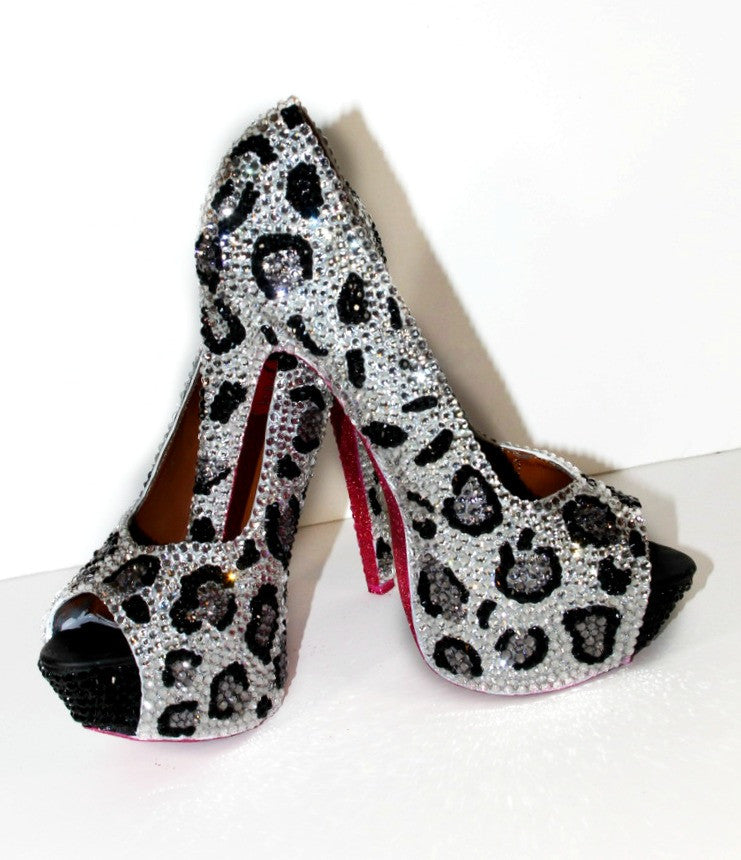
So, step out. Let those wild shoes be the punctuation to your story. They are not a costume, but an extension of your attitude—a little bit of calculated chaos, a touch of primal confidence, worn on your own terms. Style them not as a novelty, but as a foundational piece of your identity, and watch as they transform not just your outfit, but your entire presence in a room.
