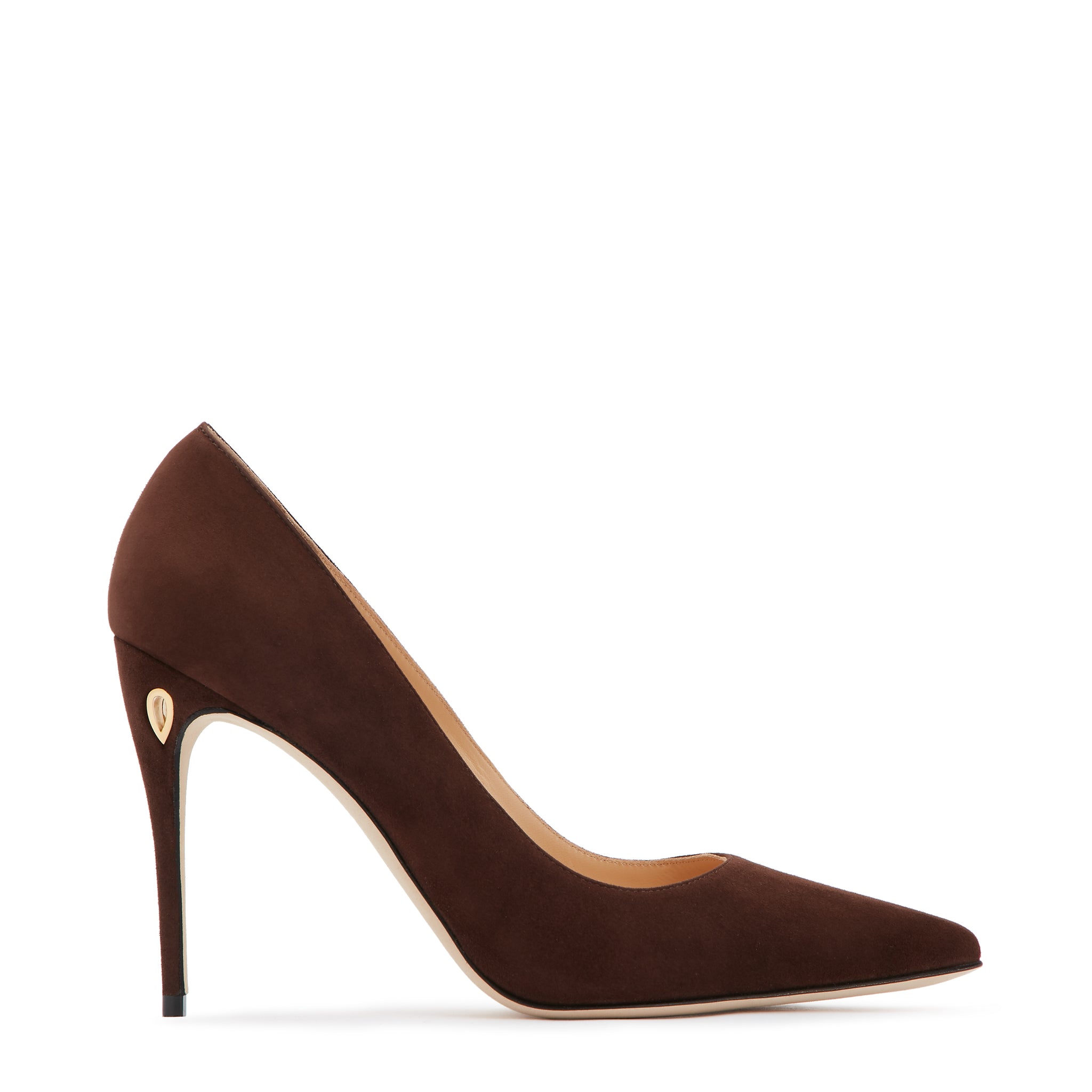
The Versatile Staple for Every Season’s Wardrobe
In the ever-evolving landscape of fashion, where trends flicker and fade with the seasons, true style is anchored by pieces that transcend the temporal. It is not about the loudest statement but the most resonant one—a piece so fundamentally sound in its design and function that it becomes a silent, powerful ally in daily life. This is the realm of the wardrobe staple, and within that category, few items possess the quiet authority and transformative power of a pair of chocolate brown heels. They are not merely shoes; they are a sartorial keystone, a versatile pivot around which countless outfits rotate, offering a unique blend of warmth, sophistication, and grounded elegance that black or nude tones often cannot achieve.
The Chromatic Psychology of Chocolate Brown
To understand the supremacy of this hue, one must first appreciate its scientific and psychological foundation. Color theory, a cornerstone of design disciplines from fashion to interior decorating, positions brown as an earth tone—a mixture of the primary colors, often with low lightness and saturation. According to authoritative resources like the Pantone Color Institute, brown evokes feelings of stability, reliability, and warmth. It is the color of rich soil, aged leather, and dark wood, all materials associated with durability, comfort, and timeless quality. In her book “The Psychology of Fashion,” Professor Carolyn Mair of the London College of Fashion notes that clothing colors directly influence both the wearer’s confidence and the observer’s perception. Brown, she argues, communicates approachable sophistication and grounded intelligence, a stark contrast to the austere authority of black or the fleeting novelty of seasonal brights. A chocolate brown heel leverages this psychology. It provides a visual anchor that is both strong and soothing, making the wearer appear assured yet accessible, a combination highly prized in both professional and social settings. This isn’t mere opinion; it’s an application of chromatics, where the specific, deep, and slightly warm shade of chocolate brown interacts with light and perception in a uniquely flattering way across various skin tones.

A Historical and Cultural Footprint
The journey of brown in fashion is a narrative of reclamation and elevation. Once relegated to workwear and utilitarian garb due to the natural dyes available, brown was famously shunned by European aristocracy for centuries, as documented in historian Michel Pastoureau’s work “Black: The History of a Color.” Its ascent began in the 20th century. The iconic trench coat, as worn by Humphrey Bogart, was often in khaki or tan. The rise of safari and utilitarian chic in the 1970s, popularized by figures like Yves Saint Laurent and later in films like “Out of Africa,” brought richer browns into the realm of luxury. Fast forward to the 21st century, and we see a deliberate, intellectual embrace of the shade. On platforms like Twitter, fashion critics like Vanessa Friedman have pointed to the “brown wave” as a reaction to fast fashion, signifying a return to authenticity and material quality. When you choose a pair of chocolate brown heels, you are not just selecting a color; you are aligning with a historical shift towards intentional, sustainable, and emotionally resonant dressing. It is a choice that speaks of cultural literacy, an understanding that fashion is as much about context and narrative as it is about aesthetics.
The Unmatched Versatility in Silhouette and Style
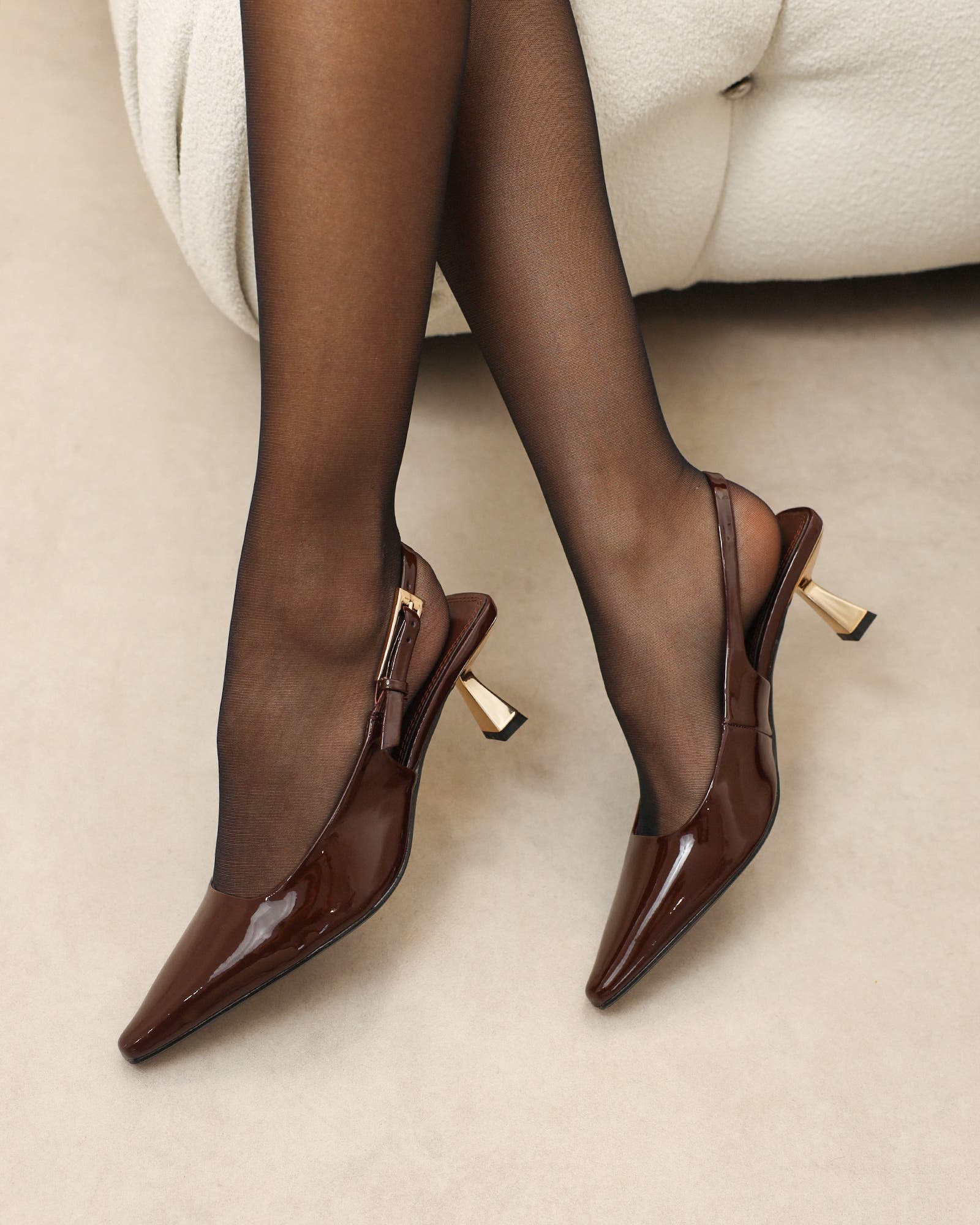
Versatility is the most cited virtue of any staple, but with chocolate brown heels, this quality is geometrically expanded. The color itself acts as a universal neutral, but with more tonal depth than beige and more warmth than black. Scientifically, its mid-to-dark value allows it to create harmonious contrasts with a wider spectrum of colors without the harshness a pure black can sometimes impose. From a style perspective, consider the evidence from daily style blogs on platforms like Quora or fashion subreddits, where real-world application is tested. A pointed-toe, slim-heel chocolate brown pump can seamlessly transition from a tailored navy suit for a boardroom presentation to a floral midi dress for a weekend brunch. The brown mediates between the cool blue and the warm florals, tying the look together. Ankle-strap styles in suede, as seen on countless “It-girl” Instagram feeds, add a touch of textured romance to crisp white jeans and a simple tee, proving that elegance need not be complicated. The key is in the shade’s chameleon-like ability to be both a neutral base and a statement color. It complements pastels in spring, grounds brights in summer, harmonizes with autumnal oranges and reds, and adds warmth to winter’s monochromatic grays and blacks. This isn’t theoretical; it’s a practical style algorithm repeated by stylists from Allison Bornstein to the editors of Who What Wear.
Material Science and Lasting Value
An objective evaluation of a wardrobe investment must consider material integrity. A true staple is defined by its longevity. Here, the choice of a chocolate brown heel is often synergistic with quality craftsmanship. Premium materials like full-grain leather, suede, and nubuck are frequently offered in this rich hue because it showcases their natural beauty and aging characteristics. The science of tannage, as explained in resources from the Leather and Hide Council of America, shows that high-quality leather develops a patina—a soft, sheeny surface layer—over time. Chocolate brown is perhaps the most forgiving and beautiful color to exhibit this evolution, with scuffs and wear blending into a deeper, more personal narrative. This contrasts with lighter colors that show dirt or darker blacks that can appear faded. From an economic standpoint, the cost-per-wear of a well-constructed brown heel plummets with each use. As financial experts often advise on platforms like YouTube, investing in versatile, high-quality items is a cornerstone of a smart personal budget. You are not just buying a shoe; you are purchasing a tool that will serve you reliably for years, reducing the need for frequent, disposable replacements and aligning with a more sustainable consumption model—a viewpoint heavily endorsed by institutions like the Copenhagen School of Design and Technology in their literature on sustainable fashion systems.
Curating Your Style Narrative
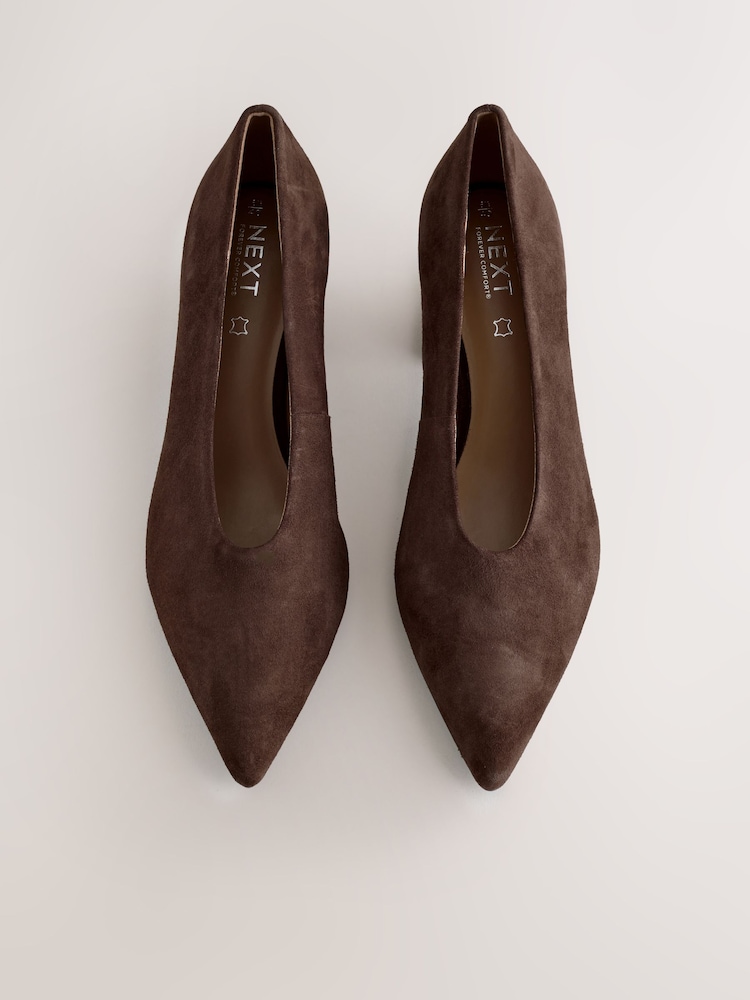
Ultimately, building a wardrobe is an exercise in curating a personal narrative. Each piece is a word in your visual vocabulary. The chocolate brown heels are a complex, evocative verb—they can “ground,” “elevate,” “soften,” or “define.” They ask you to consider the story you want to tell. Do you pair them with a sleek slip dress and a blazer for a look of modern, intellectual edge? Or with wide-leg trousers and a vintage tee for effortless, off-duty cool? The evidence of their efficacy is everywhere in popular culture. Recall the iconic, confident style of characters like Jessica Pearson in Suits, who often used rich brown accessories to soften power suits, or the timeless elegance of a brown heel in classic cinema. On celebrity style platforms, figures like Meghan Markle have been photographed utilizing brown footwear to create relatable yet polished looks, a testament to their cross-context appeal. This versatility provides a profound sense of sartorial freedom. You are no longer dressing for a single occasion but building a coherent identity across all facets of your life. The heel becomes a trusted constant, a point of familiarity and confidence in an ever-changing daily landscape.
In a world saturated with choices and clamoring trends, the power of a perfectly calibrated staple is liberating. It is the antithesis of fashion anxiety. The chocolate brown heel stands as a testament to this principle. It is a synthesis of color psychology, historical relevance, material science, and pure aesthetic flexibility. It doesn’t shout for attention; it earns respect through consistent performance. It is the piece that waits patiently in your closet, ready to transform the ordinary into the considered, to bridge the gap between seasons, moods, and occasions. To embrace it is to invest not in a trend, but in a point of view—one of grounded sophistication, intentional style, and enduring value. Your wardrobe, and by extension, your daily presence in the world, is palpably elevated by this single, profound choice.