

Your Ultimate Guide to Stylish and Comfortable Footwear
Let’s be honest: for too long, the world of footwear has felt divided. On one side, there are shoes that look incredible but leave your feet pleading for mercy after a few hours. On the other, there are shoes so focused on function that style seems like an afterthought. This guide exists to dismantle that false dichotomy. The perfect pair is not a compromise; it’s a fusion. It’s the point where biomechanical support meets aesthetic intention, where every step feels as good as it looks. We’re moving beyond the idea that comfort is boring. Today, we’re exploring how the right foundation—starting with a scientifically designed walking shoe—can elevate your entire wardrobe and well-being.
The Anatomy of Support: Why Your Feet Deserve Engineering, Not Just Fabric
To appreciate a great walking shoe, you must first understand the complex machinery it supports. Your foot is a marvel of evolution, with 26 bones, 33 joints, and over 100 muscles, tendons, and ligaments. Every step you take involves a precise sequence of events: heel strike, foot flattening (pronation) to absorb shock, and finally, a rigid lever for push-off. A proper walking shoe is designed to complement this gait cycle. Key components include a heel counter for rearfoot stability, a well-cushioned midsole—often made from advanced materials like EVA foam, polyurethane, or proprietary blends like Brooks’ DNA LOFT or Hoka’s Profly—to dissipate impact forces, and a flexible forefoot to allow for natural toe-off. The American Podiatric Medical Association (APMA) grants its Seal of Acceptance to footwear that promotes good foot health, a testament to the scientific rigor behind modern design. Ignoring this anatomy is like putting premium fuel in a misaligned engine; you might move, but not efficiently or without long-term cost. The right shoe aligns your body from the ground up, reducing strain not just on your feet, but on your ankles, knees, hips, and back. This isn’t just about comfort; it’s about preventive healthcare. As renowned orthopedic surgeon Dr. Nicholas A. Campitelli has noted in various publications, improper footwear is a leading contributor to a host of musculoskeletal issues, from plantar fasciitis to stress fractures. Therefore, selecting a shoe isn’t a fashion whim; it’s a foundational health decision.
Decoding the Midsole: The Heart of the Walking Shoe
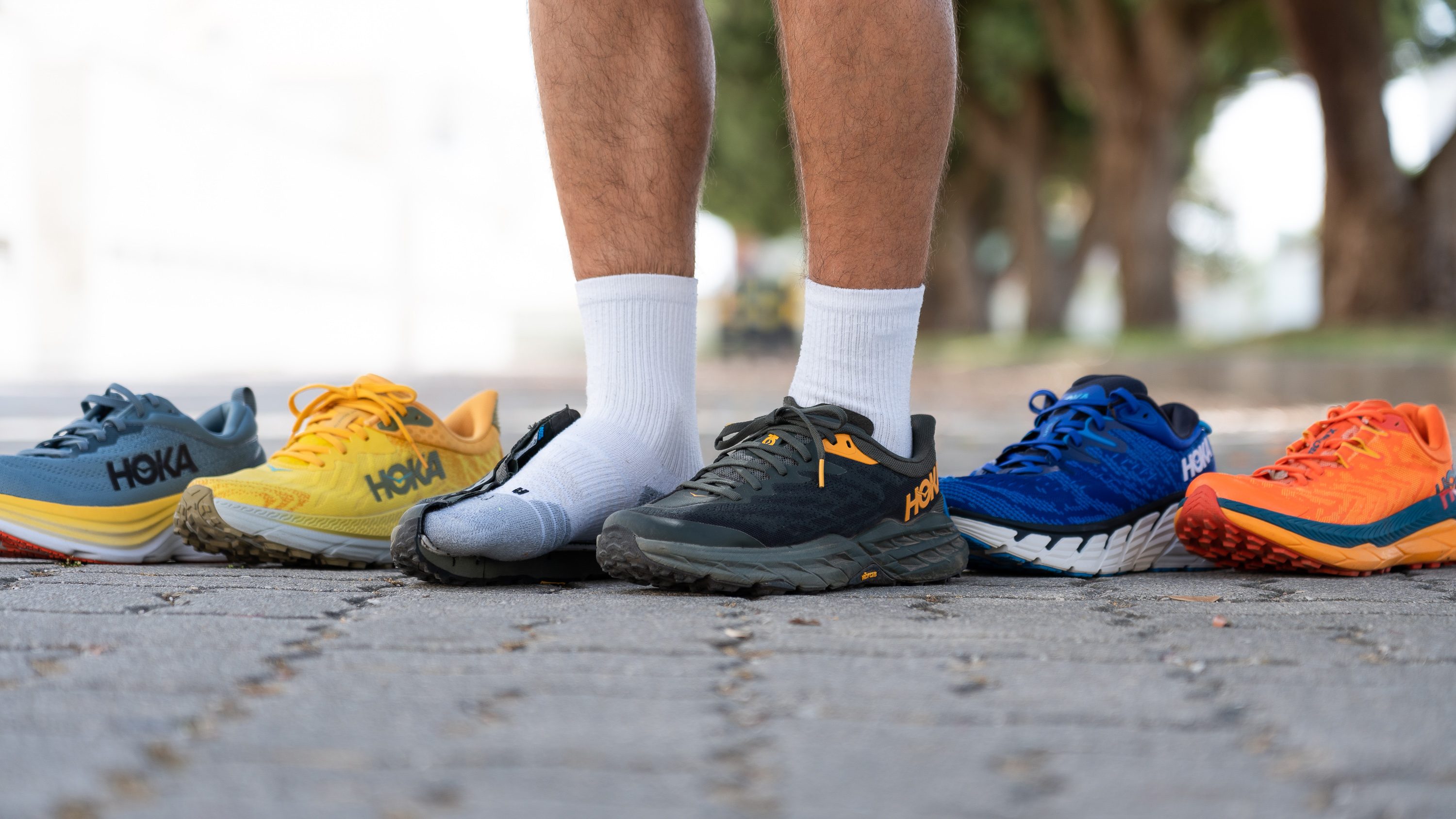
If there’s one component that defines the modern walking shoe, it’s the midsole. This is the engine room, the layer between the outsole and the upper that determines cushioning, stability, and responsiveness. The debate often centers on maximalist cushioning versus minimalist designs. Maximalist shoes, popularized by brands like Hoka One One, feature exceptionally thick, soft midsoles designed to provide ultimate shock absorption. Proponents argue, as seen in studies cited by institutions like the University of Calgary’s Human Performance Lab, that increased cushioning can reduce peak impact forces, which is beneficial for joint health, especially on hard surfaces. Conversely, minimalist or “barefoot-style” shoes advocate for a thin, flexible sole to promote natural foot strength and gait. The truth, as with most things, lies in your individual physiology and goals. For the average person seeking all-day comfort for city walking or travel, a well-cushioned yet stable midsole is often the ideal choice. Look for technologies that offer a blend: for instance, Adidas’s Boost foam is celebrated for its energy return, making each step feel lighter. As running biomechanist Jay Dicharry explains in his book “Anatomy for Runners,” the goal is not to create a mushy, unstable platform but a responsive one that manages impact without robbing your foot of its natural sensory feedback. Your ideal midsole should feel supportive, not squishy; it should cradle your foot without dictating its every move.
Style is a Function: How Design Intelligence Creates Versatile Footwear
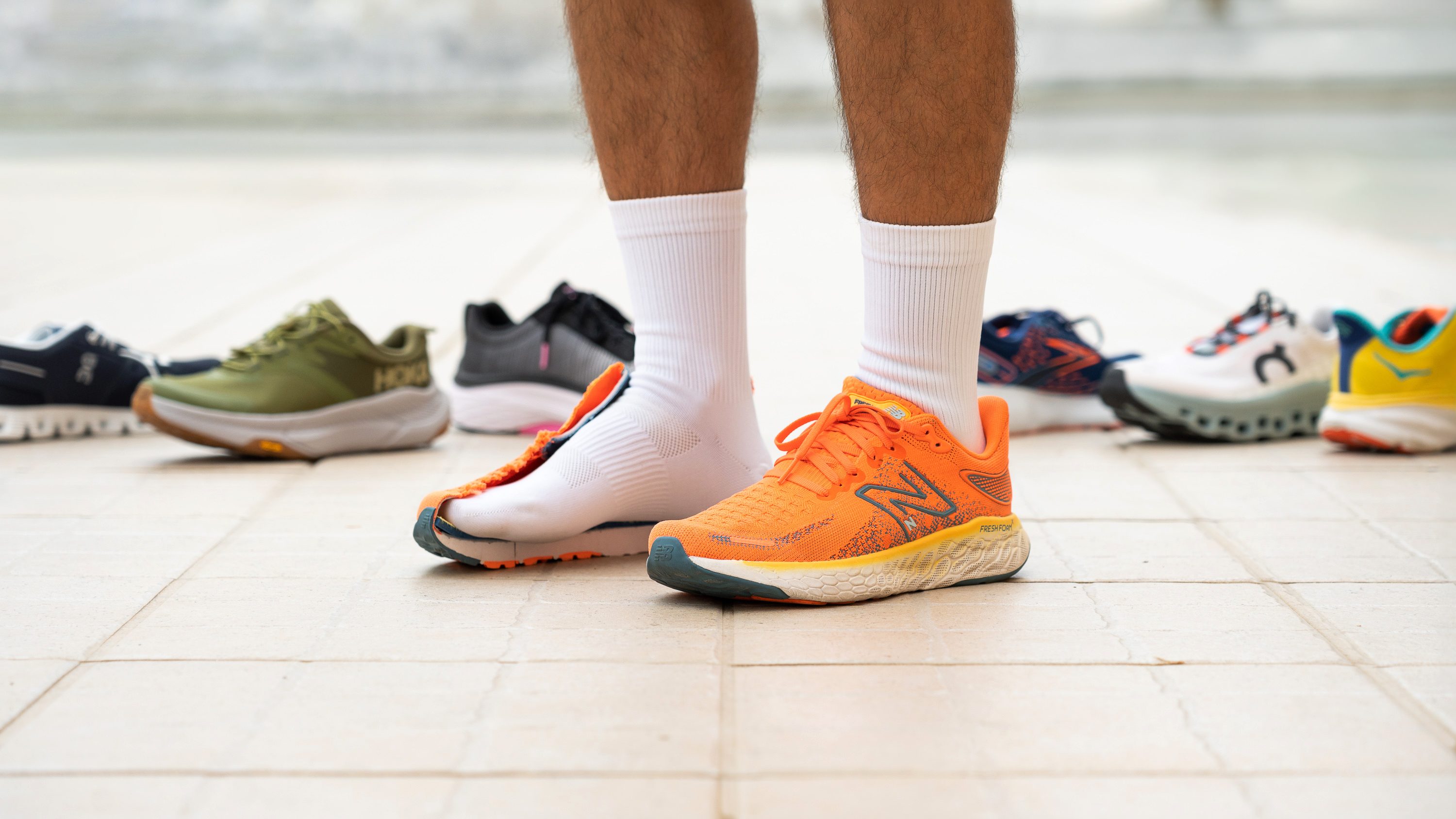
The notion that a technically proficient shoe must be clunky or aesthetically bland is utterly obsolete. Today’s leading brands employ designers who work hand-in-hand with biomechanists. The result is footwear where style is an integrated function. Consider the sleek, monochromatic designs from brands like Allbirds or the fashion-forward collaborations from brands like On Running. Their success proves that clean lines, thoughtful color palettes, and premium materials can coexist with rocker soles for gait efficiency and merino wool linings for temperature regulation. This is design intelligence. It means a shoe you can wear from a morning walk to a casual lunch without feeling out of place. The versatility of a great walking shoe becomes a cornerstone of a capsule wardrobe. Instead of owning five pairs of mediocre shoes for different “looks,” you can invest in two or three exceptional pairs that serve multiple purposes. This approach, championed by style philosophers from Vivienne Westwood to Tim Gunn, emphasizes quality and versatility over quantity. A well-designed walking shoe in a neutral tone can be paired with tailored trousers, dark jeans, or even summer dresses, bridging the gap between activewear and casualwear seamlessly. The style is inherent, not applied; it comes from the harmony of the shoe’s purpose and its form.
The Lifespan of Comfort: Knowing When to Let Go
A critical, often overlooked aspect of footwear is its expiration date. Even the best-engineered walking shoe has a finite lifespan. The cushioning materials in the midsole compress and lose their resiliency long before the outsole wears out or the upper looks tired. Most experts, including those from the American Council on Exercise, recommend replacing walking shoes every 300 to 500 miles. For a daily walker, that could be every six to nine months. How can you tell? Pay attention to your body. New, unexplained aches in your feet, shins, or knees can be a primary indicator. Perform a simple flex test: if the shoe bends easily in the middle (rather than at the ball of the foot), the midsole is likely broken down. Also, place the shoes on a flat surface and view them from behind. If they tilt inward or outward significantly, the support structure has collapsed. Clinging to old shoes is a false economy. The discounted price you paid initially is negated by the potential cost of physical therapy or dealing with chronic pain. Think of replacement as a non-negotiable maintenance cost for your most fundamental mode of transportation: walking.
:max_bytes(150000):strip_icc()/when-should-i-replace-my-walking-shoes-3436325-0801-7a1840d83573471092e0380f9e230ecc.jpg)
Curating Your Collection: A Strategic Approach to Footwear Investment
Building a wardrobe of stylish and comfortable shoes is a strategic endeavor. It begins with an honest assessment of your lifestyle. Are you a urban explorer logging miles on concrete? A traveler who needs one versatile pair? Someone who stands all day at work? Your primary use case dictates your first investment. For the urban walker, a shoe with excellent cushioning and a durable outsole, like many from the Brooks Ghost or New Balance 990 series, is paramount. Once your primary need is met, consider a secondary pair for variation—perhaps a waterproof option for inclement weather or a sleeker, low-profile design for more formal casual settings. This is where knowledge of materials becomes power. A breathable mesh upper is ideal for warm climates, while suede or leather offers structure and weather resistance. Remember the words of style icon Gianni Versace: “Don’t be into trends. Don’t make fashion own you, but you decide what you are, what you want to express by the way you dress and the way to live.” Apply this to footwear. Choose shoes that express your needs and style, not just a passing trend. Investing in quality from reputable brands often means access to superior technologies, better construction, and, paradoxically, better value over time due to durability. Keep an eye on seasonal sales from authorized retailers or the brands’ own outlets to acquire these premium pieces at a discounted price, making high-quality foot health accessible.

The Fitting Room is Your Laboratory
All the professional knowledge in the world is useless without the perfect fit. Shopping for shoes should be done in the afternoon or evening, as feet naturally swell throughout the day. Always wear the socks you intend to pair with the shoes. There should be about a thumb’s width (roughly 3/8″ to 1/2″) of space between your longest toe (which isn’t always the big toe) and the end of the shoe. The widest part of your foot should align with the widest part of the shoe. Don’t just stand; walk around the store, on different surfaces if possible. The heel should cradle your foot without slipping, and the shoe should flex where your foot naturally flexes. A proper fit in a well-chosen walking shoe should feel supportive and inviting from the first step, with no “break-in” period required for true comfort. This process is your personal laboratory—the place where objective specifications meet subjective sensation to create your perfect match.
The journey to stylish and comfortable footwear is an enlightened one. It rejects arbitrary divisions and embraces a holistic view where well-being and aesthetics are intertwined. It starts with respecting the biomechanical masterpiece that is your foot and choosing a walking shoe engineered to honor it. From there, style becomes a natural extension of that intelligent design, offering versatility and confidence. By applying strategic knowledge—from midsole technology to seasonal sales—you empower yourself to make choices that feel good, look right, and stand the test of time and terrain. Your path forward deserves nothing less than this perfect union.

