

Your Ultimate Guide to Comfort and Style on the Go
We navigate a world in motion. Our days are a tapestry of commutes, errands, urban exploration, and the conscious pursuit of health through walking. In this constant flow, what stands between you and fatigue, between a good day and a great one, is often the most fundamental piece of gear you own: your footwear. This isn’t about high-performance athletic specialization; it’s about the art and science of the perfect everyday companion. The right walking shoe is a silent partner in your life’s narrative, blending biomechanical support with personal expression. Forget the notion that comfort necessitates a sacrifice in style, or that a supportive shoe can’t be a statement piece. We are here to dismantle those myths, guiding you through a landscape where ergonomic design meets contemporary aesthetics, ensuring every step you take is as confident as it is comfortable.
The Foundation: Why Your Choice of Walking Shoe Matters More Than You Think
To understand the critical role of a dedicated walking shoe, we must first look at the mechanics of our gait. Walking is a complex, repetitive motion involving heel strike, foot roll, and toe-off. According to biomechanics literature from institutions like the University of Calgary’s Human Performance Lab, the average person takes between 5,000 and 7,000 steps per day. Over a year, that’s millions of impacts that travel from your feet up through your ankles, knees, hips, and spine. A shoe designed for running or fashion often fails to support the specific needs of the walking gait. Running shoes, for instance, typically have elevated heels and more forward-focused cushioning to absorb the higher impact of a runner’s stride. In contrast, a proper walking shoe prioritizes flexibility at the forefoot to facilitate a smooth roll-through and stable heel construction to control the moderate but constant pronation of a walker’s step. As Dr. Casey Kerrigan, a former Harvard Medical School professor and founder of a biomechanics research company, once noted in an interview, “The wrong shoe can subtly alter your natural gait pattern, leading to a cascade of inefficiencies and, over time, discomfort or injury.” Therefore, selecting a shoe engineered for walking isn’t a trivial matter of fashion; it’s an investment in your long-term musculoskeletal health and daily energy conservation.
:max_bytes(150000):strip_icc()/when-should-i-replace-my-walking-shoes-3436325-0801-7a1840d83573471092e0380f9e230ecc.jpg)
Decoding the Anatomy of the Perfect Walking Shoe
Let’s dissect the ideal walking shoe, moving beyond marketing jargon to the core components that define its performance. First, the upper: look for breathable, durable materials like engineered mesh or premium leather. Breathability is non-negotiable; as stated on resource platforms like Verywell Fit, it prevents moisture buildup, reduces blister risk, and maintains a healthy foot environment. Second, the midsole is the heart of the shoe. This is where cushioning and stability technologies reside. Materials like EVA (ethylene-vinyl acetate) foam or advanced compounds like Brooks’ DNA LOFT or ASICS’ GEL provide shock attenuation. The key is a balance—enough cushion to comfort, but not so much that it destabilizes your foot. Third, the outsole requires a flexible yet durable rubber compound with a tread pattern suited for varied surfaces. A good walking outsole will have flex grooves that allow the shoe to bend naturally at the ball of the foot. Finally, the heel counter—the firm cup at the back—should be robust to lock your heel in place, preventing slippage and excessive inward roll. When these elements harmonize, the shoe ceases to be an object you wear and becomes an extension of your body’s movement system. You are not merely wearing a shoe; you are employing a meticulously designed tool for locomotion.
The Style Synergy: How Modern Design Integrates Form and Function
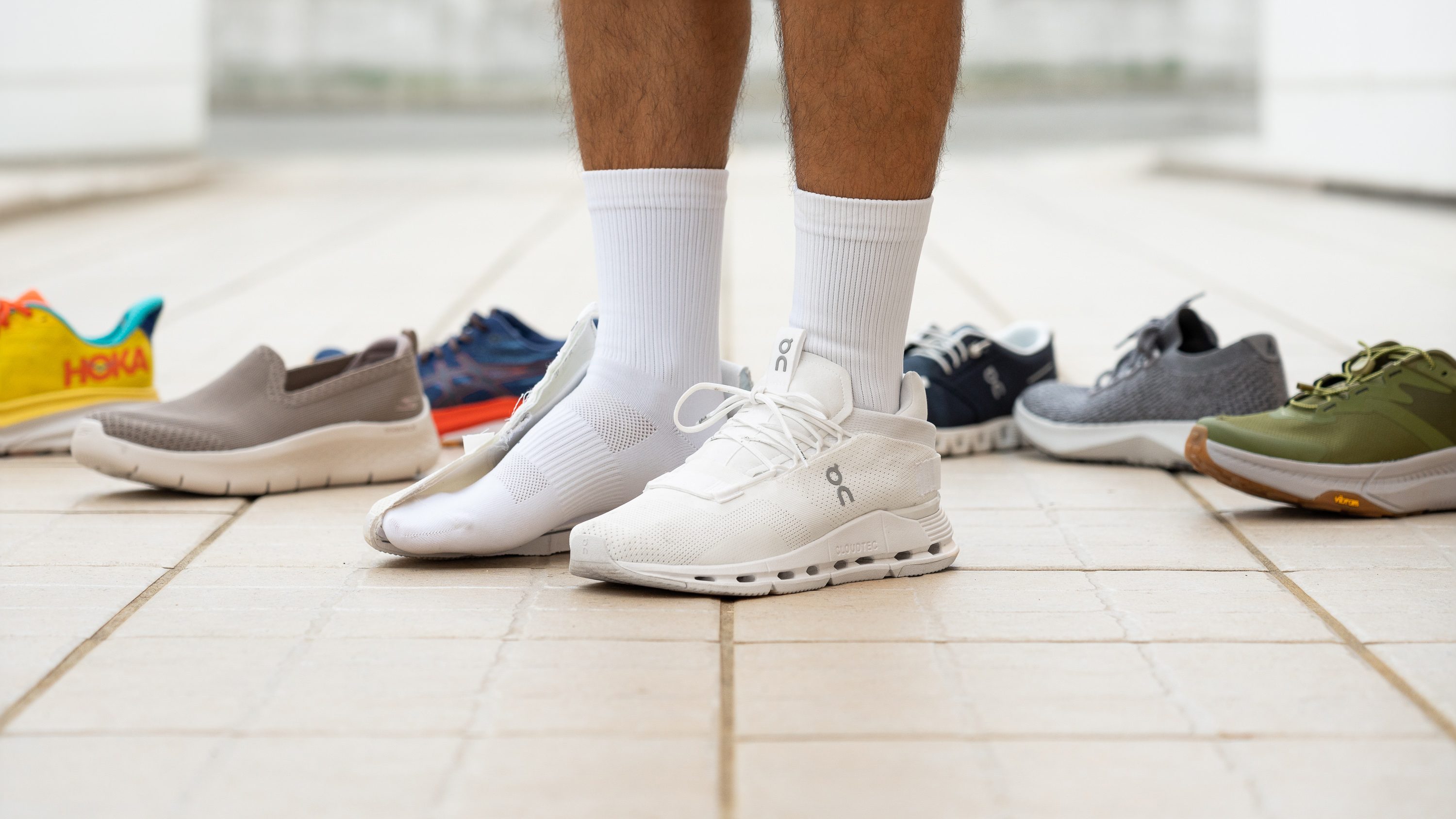
The historical dichotomy between “comfort shoes” and “stylish shoes” is a relic of the past. Today, leading brands and designers operate at the intersection of podiatric science and contemporary fashion. Consider the rise of “athleisure” – a trend validated by its endurance beyond a mere fad. Brands like Allbirds, with their merino wool and sugarcane-based foam, have built empires on the premise of eco-conscious, minimalist shoes that look at home in a café or on a casual walk. Similarly, classic sneaker silhouettes from New Balance, Adidas, or Nike have been re-engineered with modern cushioning systems, making them legitimate walking shoe options without sacrificing their iconic style. The perspective from fashion critics on sites like GQ or Vogue often highlights this convergence, praising models that offer “cloud-like comfort” without compromising a clean, versatile aesthetic. The message is clear: you do not need to choose. The modern market offers sleek low-tops in monochromatic palettes, walking boots with heritage styling, and versatile sneakers that complement both jeans and chinos. Your footwear can be a point of personal expression that speaks to your taste while actively caring for your well-being. This synergy is the new standard, and it empowers you to move through your world looking and feeling your absolute best.
Navigating the Market: A Curated Approach to Your Next Pair
With countless options, selecting your ideal pair can feel overwhelming. A strategic approach is key. Begin by analyzing your primary use-case. Are you logging miles on paved paths, navigating city streets, or incorporating light trail walks? Your environment dictates needs: urban walkers might prioritize sleek profiles and scuff-resistant materials, while those on varied terrain need more pronounced tread. Next, understand your foot type. The simple “wet test” (checking your footprint on a dry surface after stepping out of water) can reveal if you have high, neutral, or low arches. This informs your need for support. As a popular Q&A on Runner’s World explains, neutral arches often pair well with neutral-cushioned shoes, while low arches (overpronators) may benefit from stability features. Don’t be swayed by trends alone; let your biomechanics guide you. Finally, fit is paramount. Always try shoes on in the afternoon when feet are naturally slightly swollen. Ensure a thumb’s width of space between your longest toe and the shoe’s end, and that the widest part of your foot sits comfortably without pinching. Remember, the most technologically advanced walking shoe in the world is worthless if it doesn’t fit your unique foot shape perfectly.
The Expert Consensus: Voices on Value and Performance
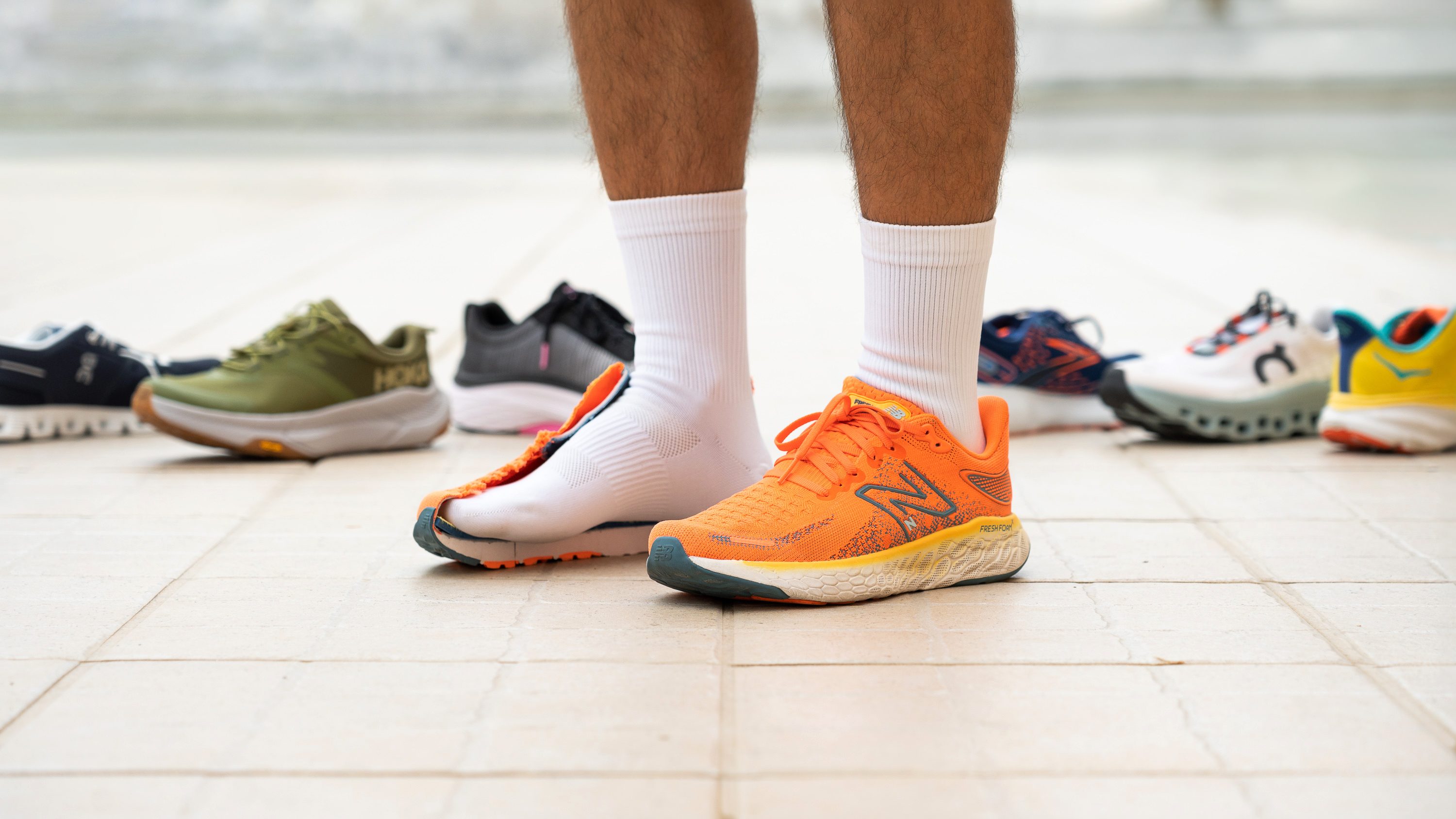
It’s valuable to ground our discussion in the insights of those who scrutinize footwear for a living. Professional reviewers on YouTube channels like “Doctor of Style” or “The Walking Guy” conduct long-term wear tests, dissecting durability, comfort decay, and real-world performance. Their consensus often highlights that a higher price tag doesn’t always equate to a better personal experience. As one renowned podiatrist stated in a health summit keynote:
“The best walking shoe is not the most expensive one on the shelf. It is the one that corrects your specific imbalances, accommodates your foot’s morphology, and disappears from your consciousness because it works in such seamless harmony with your body.”
This philosophy is echoed by gear analysts at websites like Wirecutter or RunRepeat, who combine lab data (on metrics like midsole softness and flexibility) with aggregated user reviews to identify models that deliver exceptional value. They frequently find that last season’s top-performing model, often available at a significant discount, provides 95% of the performance of the latest flagship. This is where savvy shopping meets smart biomechanics—acquiring premium technology without the premium price.
Investment and Care: Prolonging the Life of Your Footwear
Purchasing a quality pair is the first step; maintaining them is the second. A well-cared-for walking shoe will provide consistent support and comfort for its entire lifespan. The common recommendation, cited by sources from the American Podiatric Medical Association to fitness magazines, is to replace walking shoes every 300 to 500 miles. However, this is a guideline, not an absolute rule. Signs of wear are more telling: compressed cushioning that no longer rebounds, worn-out tread patterns especially on the heel or ball, or visible creasing in the midsole that indicates structural breakdown. Rotating between two pairs can dramatically extend the life of each, as it allows the foam midsoles to fully decompress between uses. For cleaning, follow manufacturer instructions, but generally, a gentle brush, mild soap, and air drying away from direct heat will preserve materials. This mindful maintenance is not just about economy; it’s about ensuring that the protective and supportive functions of the shoe remain intact, safeguarding your stride day after day.

The journey toward unparalleled comfort and effortless style on the go culminates in a simple, powerful realization: your footwear is a foundational tool for living well. It is the interface between you and the ground you cover, influencing your physical health, your energy levels, and your self-presentation. By choosing a shoe designed with the science of walking in mind, you actively prevent discomfort and invest in your mobility future. By embracing the vast array of stylish options now available, you affirm that looking good and feeling good are inseparable parts of the same whole. So, step forward with intention. Seek out that perfect synthesis of support and aesthetics, value and performance. Let your chosen walking shoe be a testament to a life in motion—a life where every journey, whether to the office, through the park, or across the city, is undertaken with confidence, comfort, and undeniable style.
