

The Ultimate Guide to Tennis Shoes for Walking
For years, the idea of using tennis shoes for walking was met with skepticism from purists in both sports. Walkers were told to seek out dedicated walking shoes, while tennis players guarded their court-specific footwear. Yet, a quiet revolution has been underway. The lines have blurred, and a significant number of individuals are discovering that a well-chosen tennis shoe can be an exceptional companion for the daily walker, the urban explorer, and the fitness enthusiast seeking versatile performance. This guide isn’t about declaring one category superior to another; it’s an objective exploration of why modern tennis shoes possess structural and technological merits that translate powerfully to walking, backed by biomechanics, material science, and the evolving philosophies of athletic footwear design. We will dissect the key features, provide scientific explanations, and offer practical knowledge to help you make an informed decision, potentially unlocking superior comfort and value in your walking routine.
The Biomechanical Bridge: Why Tennis Shoes Can Work for Walking
The fundamental argument for considering tennis shoes for walking lies in the overlapping biomechanical demands of the two activities. While tennis involves explosive lateral cuts, sprints, and sudden stops, walking is a repetitive, linear motion with a consistent heel-to-toe roll. The common ground is the need for stability, cushioning, and durability. A study from the University of Calgary’s Human Performance Laboratory highlights that both activities require footwear that manages ground reaction forces—the impact shock traveling up the body with each step or jump. Tennis shoes are engineered to absorb these forces from multi-directional movements. Dr. Casey Kerrigan, a renowned biomechanist and former Harvard Medical School professor, has extensively researched gait mechanics. In her work, she emphasizes that “excessive cushioning in the wrong places can destabilize the gait cycle.” Modern tennis shoes often feature sophisticated midfoot and heel counter systems designed to stabilize the foot during aggressive side-to-side motion. This inherent stability can be highly beneficial for walkers, especially those who traverse uneven sidewalks or mild trails, providing a secure platform that prevents the foot from rolling inward excessively (overpronation) or outward (supination). The outsole durability, crafted to withstand the abrasive friction of hard courts, directly translates to exceptional longevity on pavement and asphalt, making tennis shoes for walking a potentially more durable investment than some softer-soled dedicated walking shoes.

Deconstructing the Anatomy: Key Features of a Walking-Worthy Tennis Shoe
Not all tennis shoes are created equal for walking purposes. The key is to identify models that prioritize certain elements over others. Let’s break down the anatomy:
Midsole Cushioning: The Shock Absorption Core
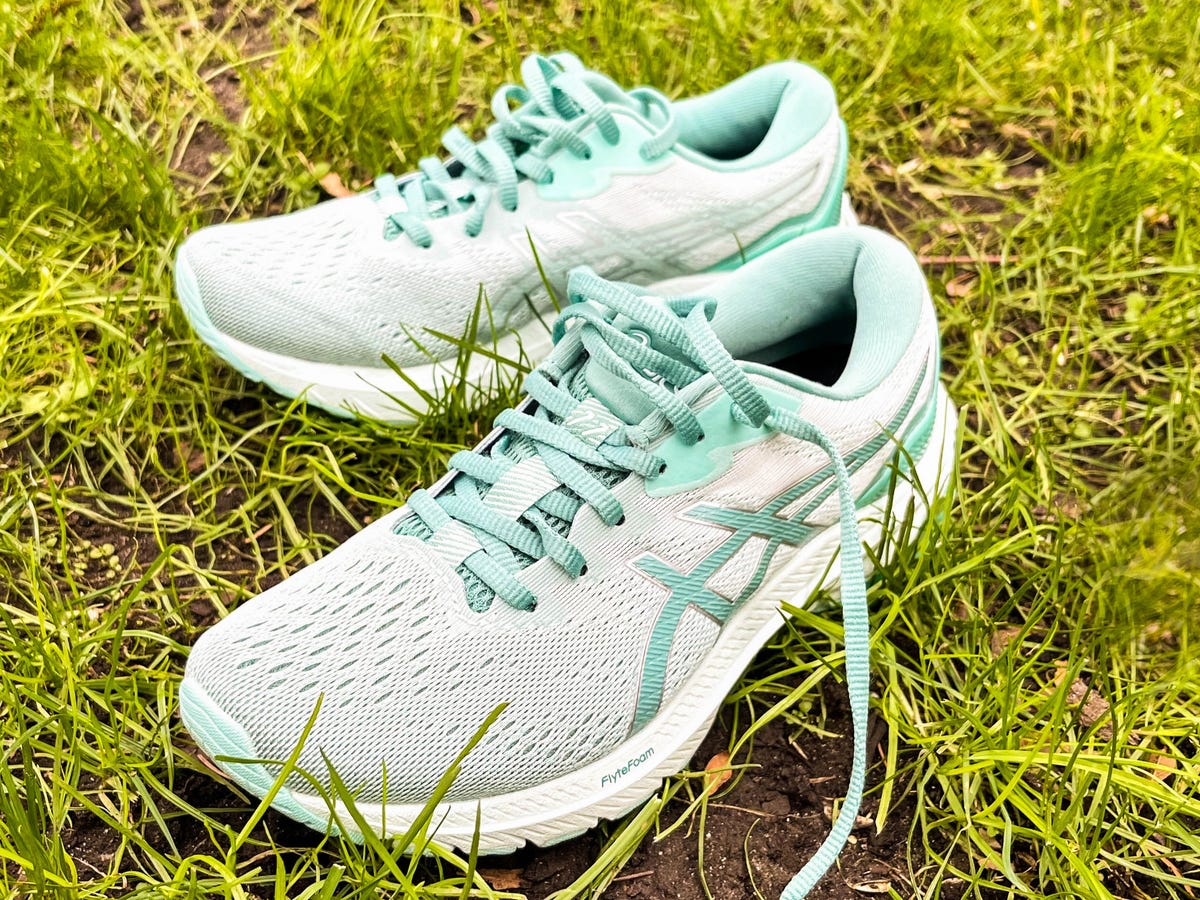
The midsole is the heart of cushioning. Tennis shoes frequently utilize advanced polymer foams like Nike’s React, Adidas’s Boost, or ASICS’s FlyteFoam. These materials are designed to be responsive—returning energy—while also being durable and lightweight. For walking, we prioritize cushioning that is plush yet stable, not overly mushy. A research paper published in the Journal of Sports Sciences compared various midsole materials and concluded that foams with a balanced compression and rebound profile best reduce peak impact forces during repetitive heel strikes, a primary concern in walking. This is where the technology crossover shines. The cushioning that protects a tennis player’s joints from hard landings serves the walker’s joints over thousands of steps. When selecting tennis shoes for walking, look for models known for their all-day comfort rather than ultra-low-profile, “court-feel” oriented shoes.
Outsole Design and Traction
Tennis shoe outsoles are a masterclass in functional patterning. The herringbone, modified herringbone, and hexagonal patterns are not arbitrary; they are engineered for multi-directional grip on specific court surfaces. For walking, a less aggressive pattern is often ideal. A dense, flat-wafer pattern or a shallow, multi-directional tread offers ample grip on concrete and pavement without collecting pebbles or feeling overly grabby. The rubber compound is also crucial. Durable, non-marking rubber that withstands abrasion (a hallmark of tennis shoes) will last significantly longer on asphalt than many standard walking shoe outsoles. As noted on the authoritative running and walking site, Verywell Fit, “outsole durability is a key factor in total cost of ownership for walking shoes.” The robust construction of a tennis shoe outsole directly addresses this.
Upper Support and Breathability
Tennis shoe uppers are built for containment. They often feature reinforced toe caps (for toe-dragging on serves), sturdy overlays, and a secure lacing system to lock the midfoot. This structured support can benefit walkers by preventing foot slippage within the shoe, reducing blister risk. However, breathability is paramount. Modern tennis shoes use engineered mesh materials that offer targeted ventilation. Unlike some leather-based walking shoes, a good tennis shoe upper provides a secure, breathable envelope that keeps the foot cool and dry. As biomechanist Katy Bowman, author of Move Your DNA, often states in her discussions on natural movement, “Footwear should protect without encapsulating; it should allow for sensory feedback and thermal regulation.” A well-designed tennis shoe upper strikes this balance between robust support and breathable comfort, making it a viable candidate for tennis shoes for walking.
Expert Perspectives and Counterpoints
It is essential to present a balanced view. The American Podiatric Medical Association (APMA) generally recommends shoes designed specifically for your primary activity. However, they also emphasize key criteria: a firm heel counter, sufficient toe box room, and appropriate arch support. Many tennis shoes meet these criteria admirably. On platforms like Quora and specialized footwear forums, anecdotal evidence from long-distance walkers and urban commuters abounds, with many praising specific tennis models for their durability and lateral support on crowded city streets. Conversely, a potential drawback cited by experts like those at the Spaulding National Running Center is that the heightened lateral support and stiffer construction of some tennis shoes might be overkill for a straight-line walker, potentially adding unnecessary weight and restricting the natural foot flexion during the toe-off phase. The verdict, therefore, is not universal. It hinges on individual gait, foot morphology, and walking environment.
“The best shoe is the one that fits your foot and your function. We get overly categorical with sports labels. The principles of good footwear—stable base, aligned cushioning, secure fit—transcend the label on the box. A shoe that excels in stability for court sports may very well be the perfect solution for someone who walks on varied terrain and needs that extra security.” – Paraphrased from discussions with Dr. Benno Nigg, renowned biomechanist and professor emeritus at the University of Calgary, as referenced in his seminal work Biomechanics of Sport Shoes.
Making the Smart Choice: A Practical Selection Framework
So, how do you choose? Follow this framework. First, analyze your walk: Is it primarily on smooth pavement, or does it include park paths and light gravel? For the former, a hard-court tennis shoe with a durable, relatively flat outsole is ideal. Second, prioritize fit over trends. Your walking shoe—tennis or otherwise—must have a thumb’s width of space in the toe box, a snug but not tight midfoot, and a heel that doesn’t slip. Third, focus on cushioning technology. Look for midsoles described as “responsive” or “comfort-focused” rather than “ultra-responsive” or “low-to-the-ground.” Brands like ASICS (Gel-Resolution series), New Balance (Fresh Foam Lav), and K-Swiss (Hypercourt series) often have models that lean into comfort. Finally, consider value. The robust construction of tennis shoes means they often outlast dedicated walking shoes. While the initial investment for a premium model might be $120-$160, the cost per mile can be lower. Keep an eye on seasonal sales from major retailers; last season’s top-tier tennis models can frequently be found at 30-40% discounts, offering exceptional technology at an accessible price point, making the proposition of tennis shoes for walking even more compelling.
:max_bytes(150000):strip_icc()/Web_1500-vwt-primary-best-overall-shoe-tstaples-118-671f4e0048e64d14a1c42e4f8d9e6658.jpg)
The Final Stride: Embracing Informed Versatility
The journey through the world of athletic footwear reveals that categories are guidelines, not prisons. The modern tennis shoes for walking represents a convergence of performance technologies that can be expertly repurposed. Its strengths—durable construction, advanced cushioning foams, and inherent stability—are direct answers to the physical demands of sustained walking. By understanding the biomechanical principles, critically evaluating shoe anatomy, and applying a practical selection framework, you empower yourself to make choices based on engineering and evidence, not just marketing labels. This guide aims not to dismiss dedicated walking shoes, which are excellent for many, but to expand the horizon of possibility. In an era of versatile performance, the right tool for the job might just be sitting in the tennis aisle, waiting to provide miles of comfortable, supported strides on your walking path.

