

Step Into Comfort and Style with Vionic Walking Shoes
For years, the pursuit of the perfect walking shoe felt like a compromise. You could have cushioning that felt like walking on clouds, but your feet would ache after a few miles due to lack of support. You could find a shoe with impeccable arch support, but it looked like a medical device you’d want to hide. This dichotomy between wellness and aesthetics has been a persistent frustration. Today, that compromise ends. The integration of biomechanically sound design with contemporary style is not just a promise; it’s a reality engineered into every pair. This is about redefining your daily movement, step by scientifically-crafted step, without sacrificing an ounce of your personal style.
The Foundation: Why Biomechanics Matter in Every Step
To appreciate what sets a specialized walking shoe apart, we must first understand the mechanics of walking, or gait. Gait is a complex, repetitive cycle involving heel strike, foot flat, mid-stance, and toe-off. Each phase places unique stresses on the bones, muscles, and ligaments of the foot and the kinetic chain extending to your knees, hips, and back. According to research from the Journal of Orthopaedic & Sports Physical Therapy, improper foot alignment during gait, such as overpronation (excessive inward rolling) or supination (outward rolling), is a significant contributor to chronic conditions like plantar fasciitis, shin splints, and knee osteoarthritis. The primary role of a functional walking shoe is to guide the foot through a more neutral, efficient path. This isn’t about adding arbitrary cushioning; it’s about providing strategic support where the human foot inherently needs it. As Dr. Andrew Weil, a renowned pioneer in integrative medicine, has often emphasized, “The foundation of good health starts from the ground up. Supporting your feet is supporting your entire body’s alignment.” A shoe that ignores this science is merely a fashion accessory for your feet, potentially at a long-term cost to your physical well-being.

Deconstructing the Vionic Walking Shoe Technology
At the core of every Vionic walking shoe lies its proprietary biomechanical footbed. This is not a simple cushioned insole you might find in a generic sneaker. It is a podiatrist-designed orthotic device built directly into the shoe’s foundation. The technology focuses on three key pillars: motion control, arch support, and deep heel cupping. The motion control element helps stabilize the heel and prevent the excessive inward roll that characterizes overpronation. The arch support is precisely contoured to match the natural, but often collapsed, arch of the foot, a feature whose importance is corroborated by the American Podiatric Medical Association. The deep heel cup secures the rearfoot, aligning the calcaneus bone and providing a stable platform for the gait cycle to begin. This trifecta of support works in unison. Think of it as the chassis of a high-performance vehicle—it provides the stable, responsive base that allows everything else to work smoothly. Without this foundational stability, even the most luxurious cushioning materials will fail to prevent fatigue and strain. This embedded orthotic approach transforms the Vionic walking shoe from a passive wear item into an active participant in your musculoskeletal health.
From Clinic to Sidewalk: The Evolution of Orthotic Design
The genesis of Vionic’s technology is deeply rooted in clinical podiatry. The brand’s founder, Dr. Phillip Vasyli, was a practicing podiatrist who grew frustrated by the limited, often unattractive, options available for patients needing daily orthotic support. He pioneered the concept of integrating professional-grade biomechanics into stylish, wearable footwear. This bridge between clinical necessity and consumer desire is critical. It echoes a principle found in universal design theory—excellent functional design should be invisible and accessible, not obtrusive. You don’t need a prescription to benefit from this engineering; you simply need to choose a shoe designed with intelligence. As noted on authoritative health platforms like WebMD and Healthline, consistent use of proper footwear is a first-line defense and management strategy for common foot ailments. The Vionic walking shoe embodies this principle, making podiatrist-recommended biomechanics an accessible, everyday reality rather than a clinical intervention reserved for pathology.

A Symphony of Materials: Where Comfort Meets Durability
Superior biomechanics provide the blueprint, but the materials bring the comfort to life. A Vionic walking shoe utilizes a multi-density midsole. Softer foams in the forefoot absorb impact at heel strike and provide flexibility for toe-off, while firmer, supportive foams in the arch and heel provide the necessary stability. The uppers are crafted from breathable, flexible materials like premium leathers and technical knits that adapt to the shape of your foot without constriction. This attention to material science ensures durability where it’s needed most. Consider the analogy from Tim Brown’s book Change by Design on integrative thinking: “The best designs reconcile seemingly opposing constraints.” Here, the constraint is providing rigid support for alignment while also offering pliant comfort for all-day wear. Vionic’s material selection resolves this, creating a shoe that feels broken-in from the first wear yet maintains its supportive structure over hundreds of miles. The outsole, typically made from durable rubber with strategic flex grooves, offers reliable traction and promotes a natural rolling motion, completing the holistic functional package.
Style as a Non-Negotiable: No More “Orthopedic” Stigma
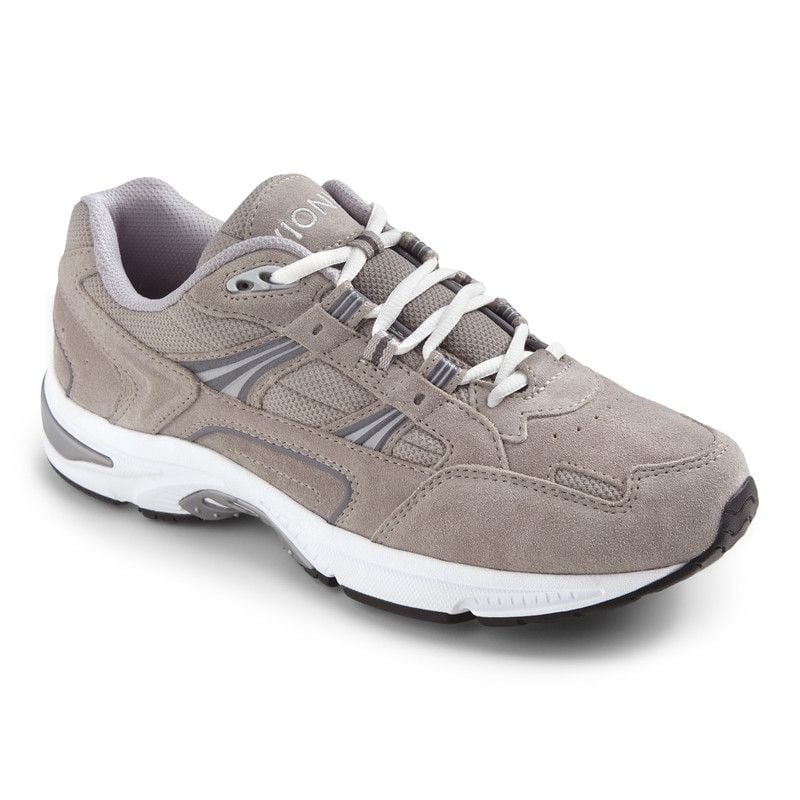
Let’s address the elephant in the room: the historical aesthetic of “comfort shoes.” For decades, the term conjured images of bulky, beige, and frankly, frumpy designs. Vionic has systematically dismantled this stereotype. Their design team works in tandem with their biomechanics engineers, ensuring that the signature support is seamlessly integrated into silhouettes that are contemporary, versatile, and frankly, chic. From sleek active-inspired walkers to casual sneakers and even sandals, the styling is deliberate. This philosophy aligns with the broader cultural shift towards “health-conscious aesthetics,” seen in the popularity of athleisure and wellness fashion. It acknowledges that looking good and feeling good are not mutually exclusive but are intrinsically linked to personal confidence and well-being. When you wear a Vionic walking shoe, you are not announcing a foot problem; you are showcasing a smart choice for an active, style-aware lifestyle. The shoes become a part of your wardrobe, not a medical footnote to it.
Investing in Your Foundation: Value Beyond the Price Tag
When evaluating the cost of a premium walking shoe, perspective is everything. A typical mass-market sneaker might cost less upfront, but its value depreciates quickly in both structure and function. The lack of support can lead to discomfort, potentially necessitating doctor visits, physical therapy, or custom orthotics—investments that far exceed the price difference. A Vionic walking shoe is an investment in preventative health and long-term comfort. The quality materials and construction ensure the shoe maintains its biomechanical integrity over time, providing consistent value per wear. Furthermore, the brand frequently offers professional discounts for healthcare workers, teachers, and others on their feet all day, alongside seasonal sales that make this technology more accessible. Bringing this professional-grade knowledge and discounted access to users is a core part of their mission. It’s a shift from viewing footwear as a disposable commodity to treating it as essential equipment for your body’s most fundamental activity.
“You can’t buy happiness, but you can buy good shoes, and that’s pretty close.” While this popular adage is often whimsically attributed to various sources, its truth is underscored by podiatrists. As Dr. Jacqueline Sutera, a New York City-based doctor of podiatric medicine, states, “The right shoe can prevent pain, improve posture, and increase activity levels. It’s one of the simplest yet most effective tools for overall health.”
Your Journey Awaits: Making the Transition
If you are transitioning from unsupportive footwear, allow your body a brief adaptation period. Your muscles and connective tissues are acclimating to a new, more aligned position. Start by wearing your shoes for a few hours indoors, gradually increasing to all-day wear. Pay attention to the feeling of supported arches and a secure heel—these are the sensations of proper alignment. Pair your shoes with moisture-wicking socks for optimal comfort. Remember, this is not just about a new pair of shoes; it’s about adopting a new standard for how you move through your world. Whether you’re navigating city streets, exploring park trails, or simply managing a busy day of errands and commitments, the right foundation transforms the experience from a chore into a pleasure.
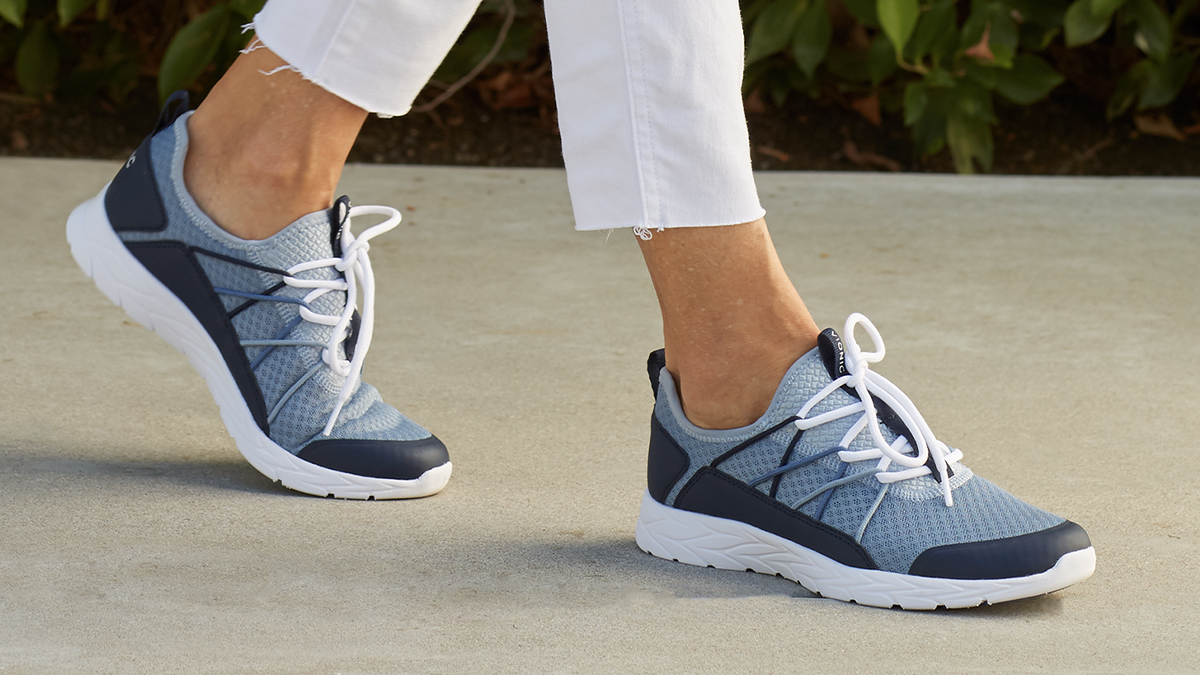
The search for a shoe that doesn’t force you to choose between how you feel and how you look is over. It ends with a recognition that true comfort is born from intelligent support, and modern style can be built upon a foundation of scientific principle. This is the new benchmark: footwear that empowers your movement, honors your body’s design, and complements your personal expression. The path forward is clear, stable, and remarkably well-dressed.
