

Step Into Style: The Ultimate Guide to Toe Walker Shoes for Effortless Chic
Fashion and function are no longer opposing forces. The modern wardrobe demands pieces that move with us, support our unique physiologies, and do so with undeniable flair. At the intersection of this demand sits a category often misunderstood yet profoundly impactful: toe walker shoes. This isn’t about a fleeting trend; it’s about a foundational shift towards footwear that acknowledges biomechanical diversity. For individuals who are habitual toe walkers—whether due to idiopathic patterns, neurological conditions like cerebral palsy, or sensory processing differences—finding stylish, supportive shoes has historically been a challenge. Today, that narrative is changing. This guide dismantles the old stigma, marrying objective science with sartorial wisdom to prove that shoes designed for toe-walking gait can be the very epitome of effortless chic.
Decoding the Gait: What Does “Toe Walker” Truly Mean?
To understand the shoe, we must first understand the step. Toe walking, or equinus gait, is a pattern of walking where the heel makes little or no contact with the ground. The American Academy of Orthopaedic Surgeons notes it is common in toddlers as they learn to walk, but persistent toe walking beyond age three may be classified as Idiopathic Toe Walking (ITW) if no underlying medical cause is found. However, causes can range from congenital short Achilles tendons to neurological conditions. A study published in the Journal of Child Neurology emphasizes the biomechanical implications: prolonged toe walking can lead to shortened calf muscles, altered balance, and potential joint stress. This isn’t merely a “style” of walking; it’s a distinct neuromuscular engagement that demands specific footwear considerations. The classic shoe for a heel-to-toe walker can be uncomfortable, unstable, or even detrimental for someone with an equinus gait. Therefore, toe walker shoes are engineered not as medical devices to be hidden, but as sophisticated tools that provide a stable, rocker-bottomed sole to facilitate a smoother roll-through motion, adequate heel cushioning despite reduced strike, and often a slightly elevated heel to accommodate tendon length. They are, in essence, ergonomic design at its finest.
The Architecture of Support: Key Features of Purpose-Built Footwear
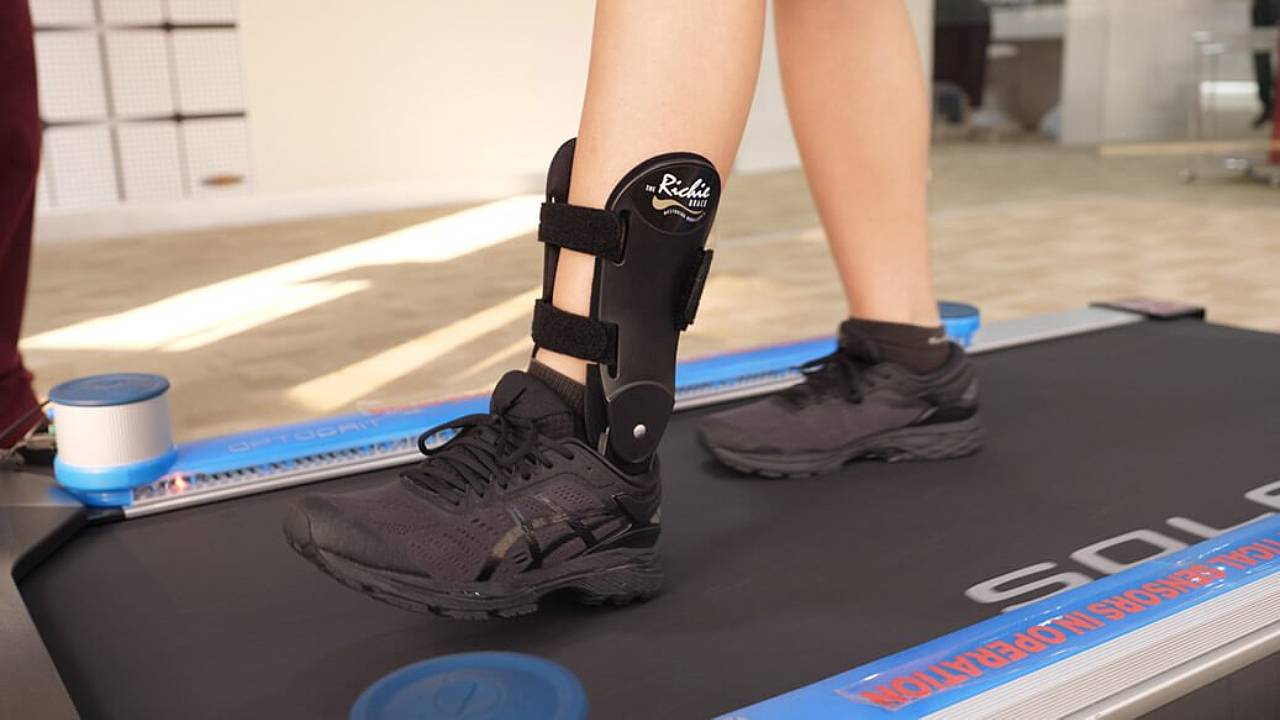
Let’s dissect the anatomy of an ideal toe walker shoe. The foundation is a rigid or semi-rigid sole with a pronounced rocker. This design, validated by podiatric literature from institutions like the University of Pittsburgh School of Medicine, reduces the bending stress on the midfoot and metatarsals by propelling the foot forward. It minimizes the need for forceful push-off from the toes, which can be taxing in a habitual toe-walking pattern. Secondly, look for a fortified heel counter. This is the firm cup at the back of the shoe that stabilizes the calcaneus (heel bone). For a toe walker, whose heel may be elevated, a secure heel counter prevents slippage and provides crucial lateral stability, a point often highlighted by orthopedic physical therapists on platforms like YouTube. Third, consider the closure system. A broad, adjustable closure—be it laces, wide straps, or hook-and-loop systems—allows for accommodation of custom orthotics, which are frequently recommended. As noted on health forums like Quora and professional sites, the integration of a full-length orthotic can provide arch support and redistribute pressure, making a standard shoe a custom-fit sanctuary. Finally, the toe box must be deep and wide enough to allow natural toe splay without compression, preventing secondary issues like bunions. This confluence of features doesn’t create a clunky shoe; it creates an intelligently structured one. Brands are now crafting these principles into designs featuring premium leathers, minimalist silhouettes, and modern color palettes.
From Clinic to Catwalk: The Evolution of Aesthetic
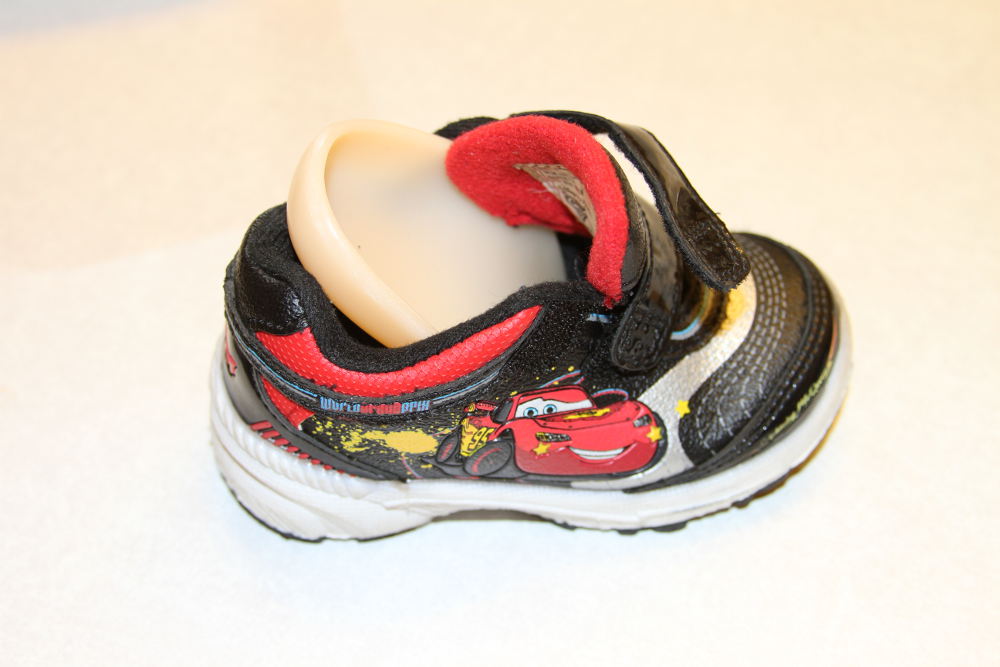
The historical perception of therapeutic footwear as aesthetically lacking is obsolete. The driving force behind this change is a powerful consumer demand for “health-tech” apparel that looks as good as it performs. We see this in the rise of stylish compression wear, elegant blue-light glasses, and now, in chic toe walker shoes. Designers are taking the essential biomechanical blueprint and draping it in Italian suedes, textured canvases, and sleek metallics. The rocker sole is subtly integrated into the profile of a contemporary loafer or a sophisticated ankle boot. The need for a secure closure has birthed designs with artistic strapping details that echo high-fashion runways. This evolution mirrors a broader cultural shift documented by fashion theorists: the democratization of style where individual needs become the source of design innovation, not a constraint. When a shoe offers a flattering silhouette, a versatile hue, and the hidden benefit of profound comfort and support, it transcends category. It becomes a powerful statement of self-care and savvy style. You’re not wearing a “special shoe”; you’re wearing a brilliantly engineered piece of fashion that happens to align perfectly with your body’s mechanics.
Curating Your Capsule: How to Select and Style Your Pairs
Building a wardrobe with these principles is an exercise in intentional curation. Start with a neutral foundation. A premium black leather toe walker shoe designed as a derby or oxford offers unparalleled versatility. It pairs effortlessly with tailored trousers for a professional ensemble, with dark denim for casual refinement, and even with midi skirts to create an interesting contrast. The key is in the proportions—the inherent stability of the shoe grounds flowing silhouettes beautifully. Next, consider a modern sneaker iteration. Many brands now incorporate rocker soles and rigid heel counters into athletic-inspired designs. These are perfect for weekend wear, travel, or any situation demanding all-day mobility. Look for clean lines and muted colors for maximum pairing potential. Finally, a seasonal boot or a refined loafer can anchor your wardrobe transitions. When styling, let the shoe’s design speak. If it has a distinctive strap, keep other accessories minimal. The confidence that comes from comfortable, supported walking is your ultimate accessory. Remember, investing in two or three high-quality, versatile pairs that truly work for you is infinitely more valuable—and chic—than a closet full of shoes that cause discomfort. This is where value meets values: investing in your well-being is the ultimate luxury.
The Informed Investment: Where Knowledge Meets Value
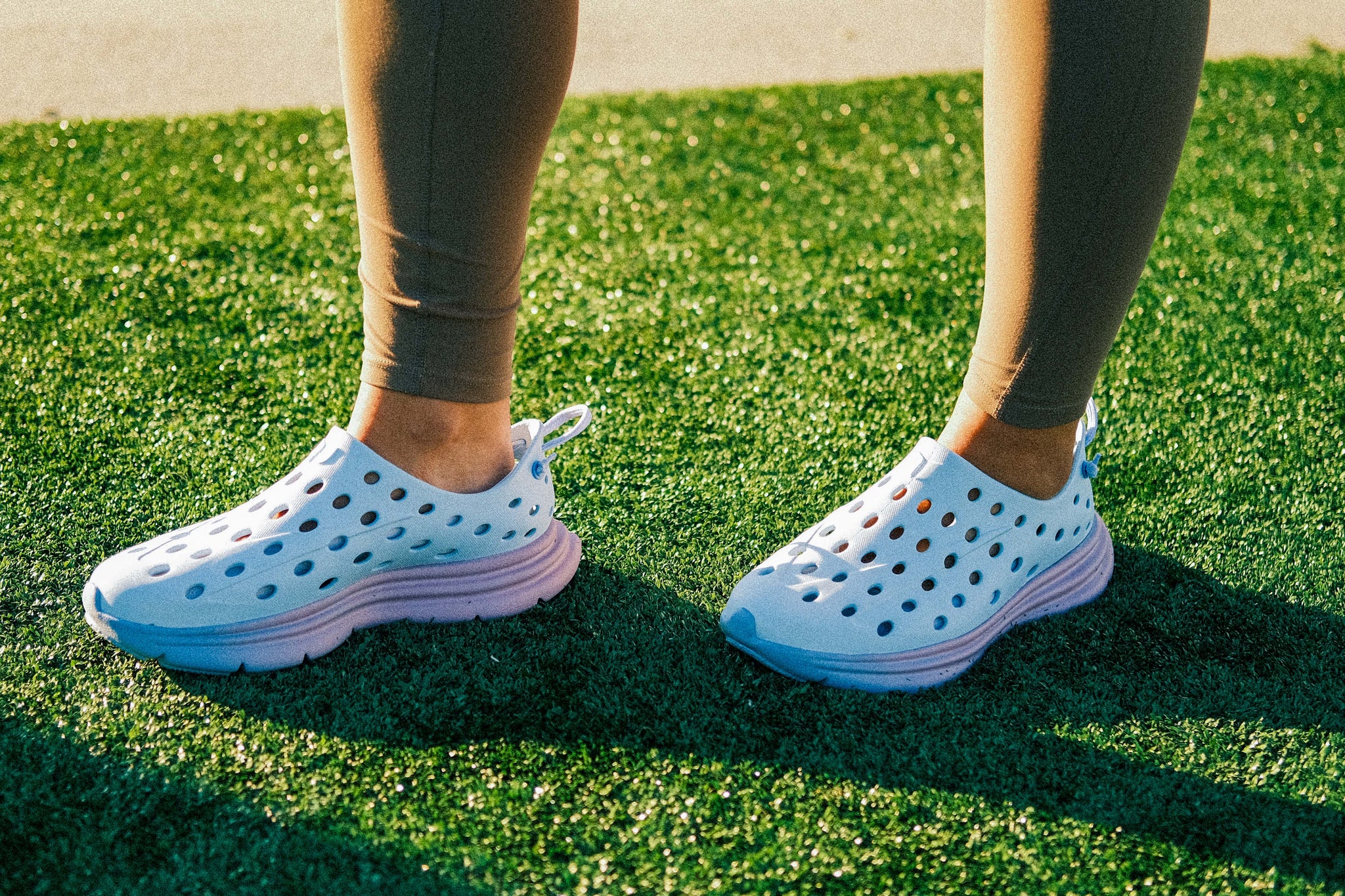
Professional knowledge empowers smart purchases. Understanding the features you need allows you to evaluate brands effectively. Seek out companies that transparently discuss their last design (the foot-shaped mold), material sourcing, and biomechanical partnerships. Many direct-to-consumer brands in this space offer premium quality at more accessible price points by bypassing traditional retail markups. Look for introductory discounts, bundle offers (like shoe + orthotic), or seasonal sales. The price per wear of a shoe that you can comfortably wear all day, every day, quickly becomes negligible. Furthermore, the potential long-term savings in avoided physiotherapy or pain management for issues stemming from improper footwear can be significant. This is an investment in your foundational health—your feet. As renowned podiatrist Dr. William Rossi once stated in his industry-shaping work, “Shoes are the primary interface between our bodies and the ground. To neglect their design is to neglect the fundamental architecture of our movement.” Your choice in footwear is a profound act of self-respect.
The journey towards effortless chic is paved with intention. It requires dismissing outdated notions that style must be sacrificed for comfort or that anatomical needs can’t be met with design excellence. Toe walker shoes stand as a testament to the opposite: that the deepest elegance arises from harmony between form and function, between the body and its adornment. When you step into a shoe crafted for your unique gait, you’re not just putting on footwear; you’re embracing a philosophy that celebrates intelligent design, personal well-being, and the undeniable confidence that comes from feeling truly, authentically supported. That is the pinnacle of modern style.

