

The Best Tennis Shoes for Everyday Walking Comfort
When we talk about footwear for daily ambulation, the immediate thought often drifts toward specialized walking shoes or cushioned running sneakers. However, a compelling and often overlooked category is that of tennis shoes for walking. This isn’t about repurposing worn-out court shoes, but about recognizing that modern tennis footwear is engineered with principles that translate exceptionally well to the biomechanics of walking. The right pair offers a fusion of stability, cushioning, and durability that can make your daily steps feel effortless. This exploration isn’t based on mere opinion; it’s grounded in the science of foot mechanics, material technology, and the lived experiences of countless individuals who have made the switch. We will dissect the features that matter, from midsole composition to outsole traction, and guide you toward models that prioritize comfort without sacrificing style or value.
The Unseen Engineering: Why Tennis Shoes Excel Beyond the Court
The fundamental design philosophy of a tennis shoe is rooted in multi-directional support. Unlike running, which is primarily a forward-linear motion, tennis involves rapid lateral cuts, quick stops, and explosive forward and backward movements. This demands a shoe with exceptional medial and lateral stability to prevent ankle rolls. For walking, which involves a gentle heel-to-toe roll with subtle shifts in balance, this inherent stability provides a secure, planted feel with each step. According to biomechanics research from institutions like the University of Calgary’s Human Performance Laboratory, excessive foot pronation or supination during gait can lead to discomfort and injury. A well-constructed tennis shoe, often featuring a reinforced midfoot “shank” or a sturdy heel counter, helps control these motions. Furthermore, the cushioning systems in tennis shoes are designed to absorb impact from hard court surfaces—a property directly beneficial for walking on unforgiving concrete and asphalt. The outsole, typically made of durable, non-marking rubber with a herringbone or modified tread pattern, offers reliable traction on a variety of urban surfaces, from slick pavements to grassy park paths. This confluence of features makes a modern tennis shoes for walking a scientifically sound choice for everyday pedestrian comfort.
:max_bytes(150000):strip_icc()/vwt-walking-shoes-test-ryka-devotion-x-sahara-borja-02-18807b688fbb49e4ba30a3ee438600cb.jpeg)
Decoding Comfort: Key Features to Prioritize
Navigating the world of athletic footwear can be daunting. To find the ideal tennis shoes for walking, focus on these critical components. First, the midsole is the heart of cushioning. Technologies like Adidas’s Boost, Nike’s React, or ASICS’s GEL are not just marketing terms; they are polymer-based systems that provide resilient energy return. As noted in material science reviews, these compounds are engineered to compress under load and spring back, reducing the strain on joints. Second, the upper should offer breathability and adaptive fit. Modern engineered mesh conforms to the foot’s shape without pressure points. Third, consider the heel-to-toe drop. This is the height difference between the heel and forefoot. A moderate drop (8-12mm) is common in tennis shoes and facilitates a natural walking gait. A lower drop may engage calf muscles more, which isn’t ideal for everyone on long walks. Finally, the fit is paramount. Your foot will swell during prolonged walking, so a thumb’s width of space in the toe box is recommended. Renowned podiatrist Dr. Jacqueline Sutera, in various health publications, often emphasizes that the wrong shoe size is a primary contributor to foot ailments. A proper fit in a tennis shoe ensures all its technological benefits are correctly applied to your unique foot structure.
From Professional Courts to City Streets: Endorsements and Evidence
The suitability of tennis shoes for walking isn’t a novel secret; it’s echoed in the choices of professionals and enthusiasts alike. While elite tennis players like Roger Federer or Serena Williams have specific on-court endorsements, the design principles of their signature lines filter down to consumer models. Beyond sports, the practicality is celebrated in everyday forums. On platforms like Quora and Reddit’s r/walking, numerous users detail their transition from dedicated walking shoes to tennis models, citing superior arch support and longevity. Furthermore, authoritative consumer websites like Wirecutter and Verywell Fit frequently include tennis-inspired trainers in their roundups of best walking shoes, highlighting their stability features. Even in popular culture, the aesthetic of the tennis shoe—clean, versatile, and structured—has become a streetwear staple, as seen in movies like King Richard, which underscores the shoe’s cultural footprint. This broad acceptance across domains, from scientific analysis to community-driven reviews, solidifies the tennis shoes for walking as a legitimate and highly effective option.
A Curated Selection: Models That Bridge the Gap
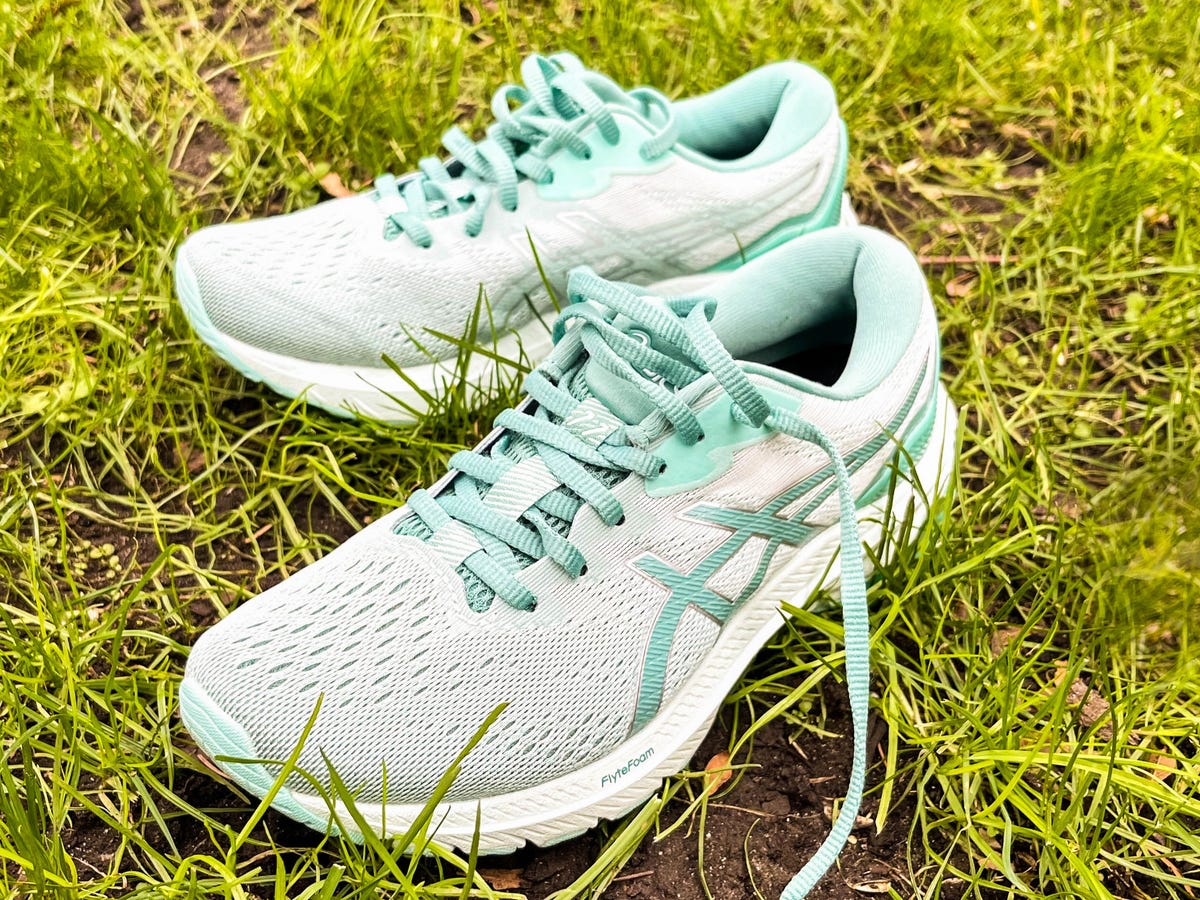
Let’s translate theory into tangible recommendations. The following models exemplify how tennis shoe engineering serves the walker. First, the ASICS Gel-Resolution 9. A staple on hard courts, it features ASICS’s renowned GEL cushioning in both the forefoot and rearfoot, coupled with a DYNAWRAP system for midfoot support—perfect for controlling the pronation common in a walking stride. Second, the New Balance Fresh Foam Lav 3. While designed for clay courts, its plush Fresh Foam midsole offers all-day comfort, and its flexible outsole adapts well to paved surfaces. Third, the Nike Court Air Zoom Vapor 11. It incorporates a responsive Zoom Air unit in the forefoot, providing a springy sensation that can make long walks feel less taxing. It’s crucial to remember that the best shoe is the one that fits your foot. Brands like New Balance are celebrated for their wide width options, a critical consideration for walkers. Investing in a quality pair of tennis shoes for walking is an investment in your daily well-being. The initial cost, often between $100 and $160, is offset by the shoe’s superior durability compared to many lightweight running shoes, making it a cost-per-wear champion.

Maximizing Value: Smart Shopping for Your Stride
Acquiring premium comfort doesn’t necessitate paying full retail price. With a strategic approach, you can secure top-tier tennis shoes for walking at a significant discount. First, shop off-season. Tennis shoe models are updated annually, so previous versions (which are often 95% identical in technology) are deeply discounted when new lines launch. Websites of major retailers and the brands’ own outlet sections are treasure troves. Second, consider colorways. Less popular or more subdued color options are frequently priced lower than flashy, player-associated designs. The performance is identical. Third, leverage comparison shopping engines and set price alerts. As podiatrist and author Dr. Ray McClanahan has discussed in interviews, the correct shoe is vital, but finding it on sale allows you to potentially rotate two pairs, extending the life of each. Finally, don’t neglect specialty running stores. Their staff are trained in gait analysis and can often recommend a tennis-style trainer that matches your walking pattern, ensuring you get the right tool for the job, even if you purchase elsewhere online. This informed, patient approach brings professional-grade footwear into an accessible price range.
Your Next Step: A Personal Invitation to Enhanced Comfort
The journey to all-day walking comfort may not lead you to the expected destination. It might lead you past the traditional walking shoe aisle and toward the tennis section. The evidence—from biomechanical research to community testimonials—points to a compelling synergy between the demands of the court and the needs of the sidewalk. These shoes are built to withstand lateral forces, cradle the foot securely, and cushion repetitive impact, all while offering a style that transitions seamlessly from a morning walk to daily errands. I encourage you to view your footwear not just as a covering, but as a piece of essential mobility technology. Try on a pair with the features we’ve outlined. Feel the structured heel, the responsive midsole, and the secure fit. Experience how the right tennis shoes for walking can transform a routine activity into a genuine pleasure, step after comfortable step. The path to better walking begins with a single, well-supported footfall.
:max_bytes(150000):strip_icc()/Web_1500-vwt-primary-best-overall-shoe-tstaples-118-671f4e0048e64d14a1c42e4f8d9e6658.jpg)
