

The Ultimate Guide to Tennis Shoes for Walking
Let’s dispel a common misconception right at the start: not all athletic shoes are created equal for every activity. The idea of using tennis shoes for walking is a topic of much debate, nestled between convenience and biomechanical science. This guide isn’t about declaring a universal right or wrong; it’s about arming you with objective, scientific knowledge so you can make an informed decision that prioritizes your foot health, comfort, and walking performance. We’ll dissect the design intentions, explore the anatomical demands of walking, and provide clear, evidence-based viewpoints to guide your choice. Forget vague conclusions—by the end, you’ll have a concrete framework to evaluate any shoe for your daily strides.
The Fundamental Design Dichotomy: Lateral Support vs. Linear Motion
To understand the suitability of tennis shoes for walking, we must first delve into their engineered purpose. Tennis is a multidirectional sport characterized by rapid lateral cuts, quick stops, and explosive sprints forward, backward, and side-to-side. Consequently, tennis shoes are built with a primary focus on lateral stability. This is achieved through features like reinforced outsoles that wrap up the sides of the shoe (a “herringbone” or modified tread pattern for multi-surface grip), sturdy midsoles with medial and lateral support systems, and robust uppers often made from durable, less-flexible materials to contain the foot during aggressive side-to-side movements. As noted in podiatric literature from institutions like the University of Pittsburgh Medical Center, this design prioritizes preventing ankle rolls and providing a stable platform for unpredictable, high-force lateral movements.
Biomechanics of Walking: A Study in Repetitive Linear Motion
In stark contrast, walking is a predominantly linear, cyclical motion. The biomechanics, as detailed in research from the American Council on Exercise (ACE), involve a repeated gait cycle: heel strike, foot flat, mid-stance, heel-off, and toe-off. This motion requires a shoe that facilitates a smooth heel-to-toe transition, offers ample flexibility at the forefoot to allow the foot to bend and push off naturally, and provides consistent cushioning along the entire length of the foot to absorb the repetitive, lower-impact forces. The primary stress is not lateral but vertical and propulsive along the sagittal plane. A shoe designed for intense lateral support can often be overly rigid in the exact areas where a walker needs flexibility, potentially altering the natural gait pattern and leading to inefficiency or discomfort over long distances. The core question becomes: does the specialized structure of a tennis shoe impede or assist this fundamental, repetitive linear motion?
Evaluating Key Components for the Walker’s Needs
Let’s break down the shoe into its critical components and evaluate each from a walker’s perspective, citing authoritative viewpoints.
1. Cushioning and Midsole Composition
Tennis shoes often feature dense, responsive cushioning designed to handle the high-impact, jarring forces of jumping and sudden directional changes. This cushioning is tuned for reactivity and stability under dynamic load. For walking, however, the need is different. Dr. Casey Kerrigan, a former Harvard Medical School professor and gait biomechanics researcher, has published studies suggesting that overly cushioned or stiff shoes can actually increase joint loading by altering natural foot mechanics. The ideal walking shoe cushioning is softer and more consistently distributed from heel to toe to absorb the repetitive, lower-impact steps. Many dedicated walking shoes or running shoes (which are designed for linear motion) use technologies like Brooks’ DNA LOFT or ASICS’ GEL, which are engineered for continuous, comfortable impact dispersion. While some premium tennis shoes for walking may have ample cushioning, its density and placement may not be optimized for the specific, repetitive pressure points of a walking gait.

2. Flexibility and Outsole Design
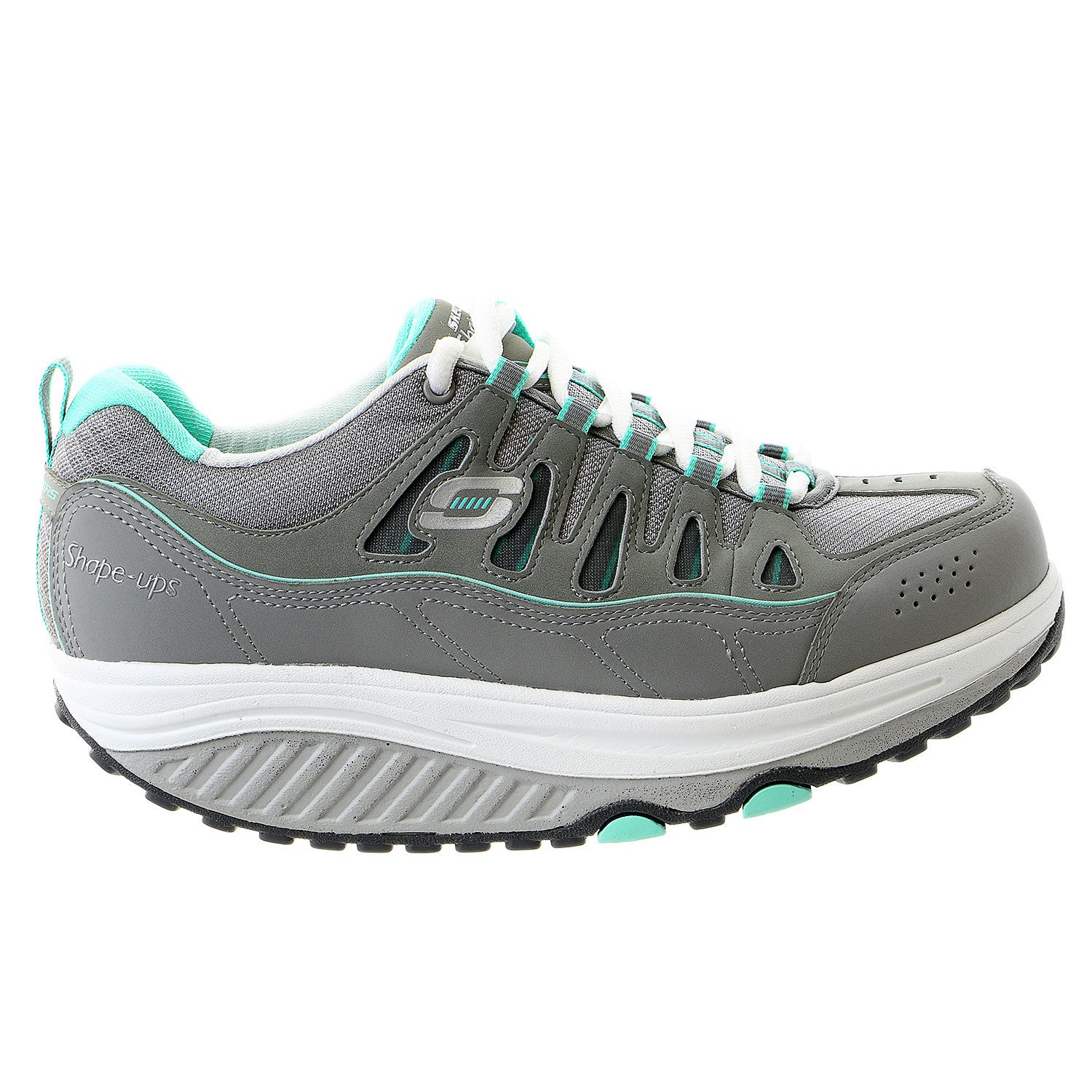
This is arguably the most significant point of divergence. A tennis outsole is typically flat and broad to maximize surface contact for stability, with a tread pattern designed for grip on court surfaces like clay or hardcourt. It is often made from a non-marking, durable rubber that is quite stiff to resist torsional forces during cuts. A walking shoe outsole, conversely, needs to be flexible, particularly at the ball of the foot. The American Podiatric Medical Association (APMA) recommends bending a potential walking shoe to ensure it flexes easily at the forefoot, matching the natural foot flexion during toe-off. The outsole of a tennis shoe, due to its stability mandate, frequently resists this flexion. Using a stiff-soled tennis shoes for walking can cause the muscles in your feet and calves to work harder to achieve push-off, potentially leading to fatigue, plantar fasciitis, or shin splints over extended periods.
3. Heel Design and Drop
The “heel drop” or “offset” is the height difference between the heel and forefoot. Tennis shoes often have a moderate to low drop to keep the player’s center of gravity low and connected to the ground for better court feel and stability. Walking shoes tend to have a more pronounced heel cushioning and sometimes a higher drop to facilitate the heel-strike phase and create a smooth rocker motion. A viewpoint popularized by biomechanists like Dr. Ray McClanahan and seen in resources like Wikipedia’s “Minimalist shoe” entry discusses how a zero or low drop can encourage a more natural foot strike. However, for walkers accustomed to traditional shoes or those with certain biomechanical needs, an abrupt switch to a very low-drop tennis shoe for walking could strain the Achilles tendon. The shoe’s heel counter (the rigid back part) in a tennis shoe is also often extremely rigid to lock in the heel during lateral moves, which might be unnecessarily restrictive and cause irritation for a straightforward walking stride.

When Might a Tennis Shoe Work for a Walker?
The discussion isn’t entirely one-sided. There are scenarios where a tennis shoe could be a viable, or even preferable, option for walking. The first is for individuals whose walking routine includes varied terrain, such as gravel paths or uneven park trails, where the superior lateral stability and durable, grippy outsole of a tennis shoe could provide an advantage over a standard flexible walking shoe. The second scenario is for walkers with specific pronation control needs. Some tennis shoes are built with exceptional arch support and motion control features to handle the inward roll of the foot during aggressive sports movements. If a walker has severe overpronation, a well-fitted motion-control tennis shoe might offer more substantial support than a neutral walking shoe. However, this should be approached cautiously and ideally under the advice of a podiatrist, as the stiffness trade-off remains. Finally, for short, casual walks—the kind that replace casual sneakers—a comfortable pair of tennis shoes for walking is perfectly acceptable. The risks and inefficiencies become more pronounced with increased distance, frequency, and pace.
Synthesizing Expert Opinions and Making Your Choice
The consensus from specialized footwear reviewers on sites like Verywell Fit and Runner’s World, which base their recommendations on lab testing and expert panels, is clear: for dedicated, fitness-focused walking, shoes designed specifically for walking or running (due to their linear motion design) are superior. They provide the right blend of flexibility, appropriate cushioning, and a gait-friendly geometry. As noted by celebrity fitness trainer Harley Pasternak when discussing client footwear on YouTube, “The tool matters for the task. You wouldn’t use a butter knife to chop vegetables. For sustained walking, get a shoe that bends with you, not against you.” This metaphor encapsulates the core argument. The design philosophy of a tennis shoe is to resist certain movements for stability; the philosophy of a walking shoe is to facilitate natural movement for efficiency and comfort.
:max_bytes(150000):strip_icc()/Web_1500-vwt-primary-best-overall-shoe-tstaples-118-671f4e0048e64d14a1c42e4f8d9e6658.jpg)
Bringing Professional Knowledge and Value to Your Decision
Armed with this knowledge, your shopping journey becomes strategic. First, prioritize fit above all. Your foot should have room to splay naturally, with about a thumbnail’s space between your longest toe and the shoe end. Second, perform the “flex test.” Hold the heel and bend the toe upward. The shoe should bend easily at the ball of the foot, not in the middle of the arch. Third, consider your personal biomechanics. Do you need neutral cushioning, stability, or motion control? When it comes to value, remember that the best shoe isn’t always the most expensive. Many reputable brands offer previous-season models of excellent dedicated walking or running shoes at significant discounts. Websites often have sales on proven models from New Balance, Saucony, or Brooks. Investing in a properly designed shoe on sale is a wiser use of funds than purchasing a full-price, high-end tennis shoe that works against your walking mechanics. The true “discounted price” comes from preventing potential injury and the associated costs down the line.
So, where does this leave the idea of tennis shoes for walking? They are a specialized tool borrowed for a general task. For the serious walker seeking comfort, efficiency, and long-term joint health, the evidence points decisively toward footwear engineered for the linear journey, not the lateral battle. Your walk is a daily ritual of thousands of steps; each one should be supported by a shoe designed to make it feel effortless, not a compromise. Choose the shoe that walks with you, not one you have to fight with every step of the way.
