

Your Secret to Effortless Style and All-Day Comfort
Imagine a day where your feet don’t ache, your posture feels naturally aligned, and your outfit is completed by a pair of shoes that look as good as they feel. This isn’t a distant fantasy; it’s the tangible reality unlocked by making one pivotal choice: selecting the right walking shoe. The modern pursuit of style has often been at odds with comfort, creating a false dichotomy where we sacrifice one for the other. But what if the very foundation of personal style is rooted in how you move through the world with confidence and ease? This article dismantles that old conflict, presenting a data-driven, experience-backed case for why the intelligent walking shoe is the unsung hero of a refined wardrobe. We will navigate through biomechanics, material science, and design philosophy, proving that the pinnacle of modern style is not a painful heel or a restrictive toe box, but the liberated stride that comes from footwear engineered for the human body in motion.
The Anatomy of a Modern Walking Shoe: Where Science Meets the Sidewalk
The journey to all-day comfort begins with understanding what you’re actually putting on your feet. A contemporary walking shoe is a marvel of ergonomic engineering, far removed from the flat-soled plimsolls of the past. Its design is a direct response to the biomechanics of gait—the complex sequence of heel strike, midstance, and toe-off that propels us forward. According to research from the Spaulding National Running Center, affiliated with Harvard Medical School, optimal footwear for ambulation must manage impact forces, provide stability during the single-leg support phase, and facilitate a smooth roll-through motion. This is achieved through a synergistic trio: the midsole, the insole, and the outsole. The midsole, often crafted from advanced polymers like EVA (ethylene-vinyl acetate) or polyurethane, is the primary shock absorber. Its density and geometry are calibrated to cushion the heel at strike while providing firmer support under the arch. The insole, or footbed, is the direct interface with your foot. High-quality versions are often contoured, sometimes with a gentle heel cup and arch support, to distribute pressure evenly—a principle supported by podiatric literature to reduce strain on the plantar fascia. Finally, the outsole’s rubber compound and flex grooves determine traction and flexibility, allowing the foot to move as nature intended. When these elements harmonize, the shoe ceases to be a mere covering and becomes a dynamic extension of your physiology, making every walking shoe that gets it right a tool for sustained well-being.
Debunking the Myth: Why “Fashion” Footwear Often Fails Your Feet
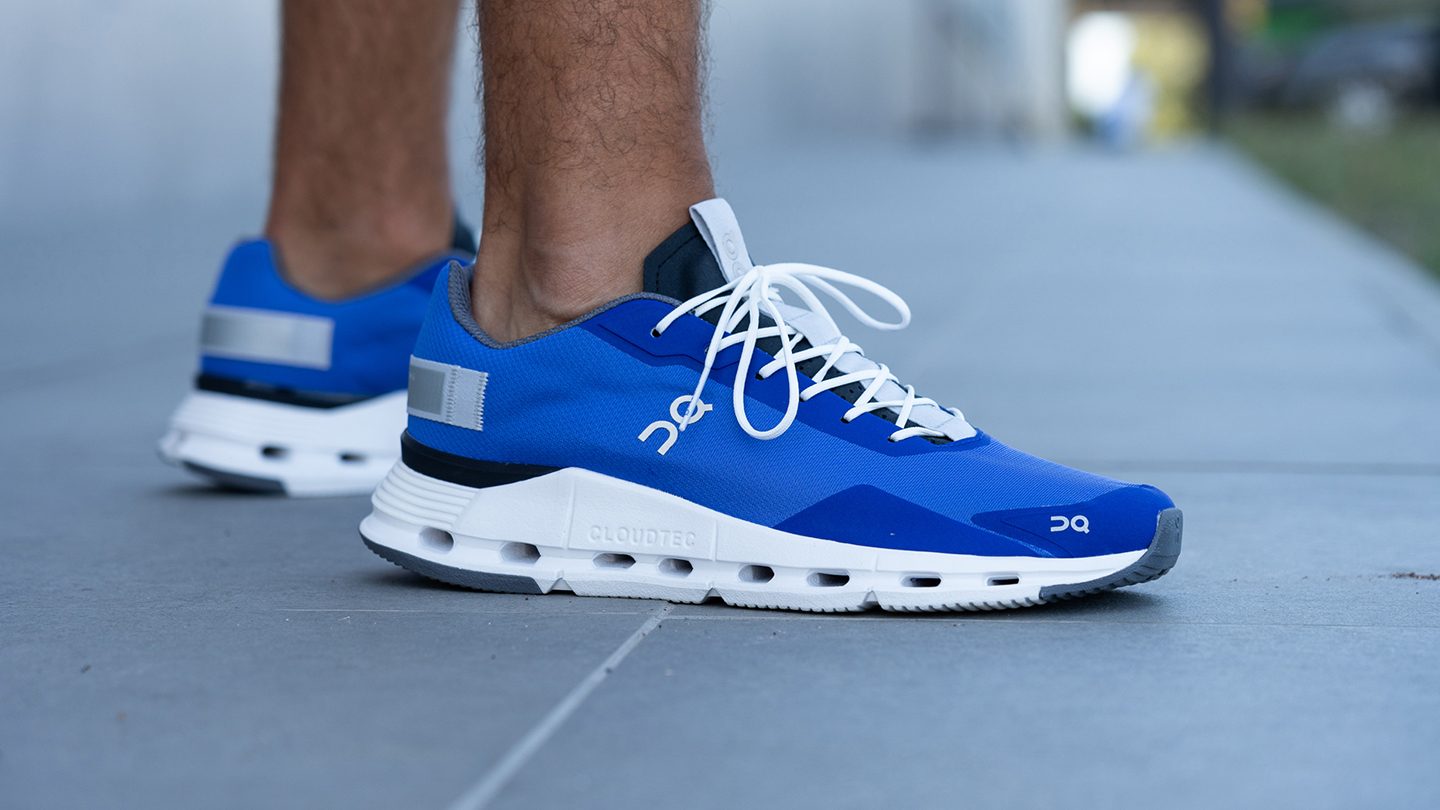
For decades, mainstream fashion has propagated a silhouette that prioritizes aesthetics over anatomy. The consequences are not merely discomfort but measurable physical stress. Consider the high heel: a study published in the Journal of Applied Physiology noted it increases pressure on the forefoot by over 75%, leading to metatarsalgia and altering calf muscle kinematics. The extremely pointed toe box, a staple of many formal shoes, crowds the toes, potentially causing hallux valgus (bunions) and neuromas, as outlined by the American Academy of Orthopaedic Surgeons. Even flat ballet pumps lack the necessary support for prolonged walking, failing to absorb shock or control pronation. This isn’t to indict style but to redefine it. True style should be sustainable for the body. As renowned designer Tom Ford once opined, “Dressing well is a form of good manners.” Extending that philosophy, is it not bad manners to one’s own body to subject it to preventable pain? The shift begins with recognizing that the sleek, minimalist sneaker or the thoughtfully crafted leather walking shoe represents a new sartorial intelligence. Brands are now leveraging technologies like 3D knitting for seamless, adaptive uppers and using data from motion-capture labs to shape soles. The result is footwear that possesses a quiet, technical elegance—a style statement that speaks of awareness and intentionality rather than blind adherence to painful trends.
The Investment Equation: Cost Per Mile Versus Initial Sticker Shock
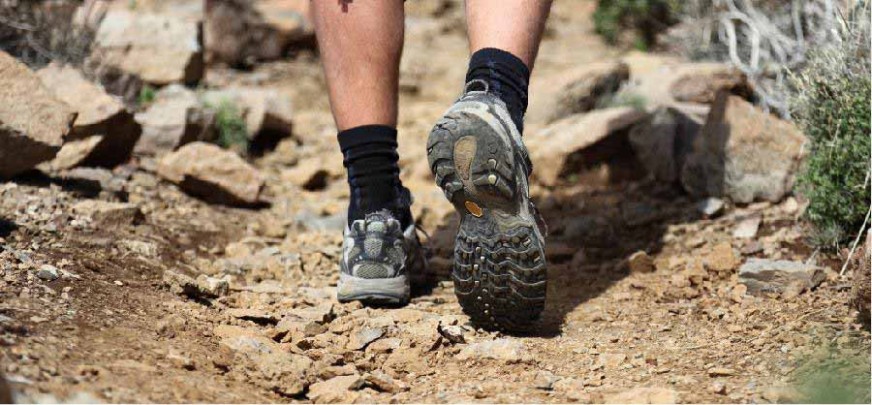
A common barrier to acquiring excellent footwear is the perceived high cost. However, this view neglects the critical metric of value over time, or “cost per mile.” A cheaply made pair of shoes might retail for $50 but degrade within 3-4 months, offering poor support that could lead to ancillary costs like pain relievers or physiotherapy sessions. In contrast, a premium walking shoe constructed with durable materials, robust stitching, and high-grade soles might cost $150 but perform impeccably for 500 miles or more. The American Podiatric Medical Association suggests replacing walking shoes every 300-500 miles, as midsole cushioning breaks down long before the outer sole shows wear. When you do the math, the premium shoe often provides a lower cost per day of comfortable wear. Furthermore, the market has democratized quality. Direct-to-consumer brands and frequent sales on reputable e-commerce platforms have made top-tier footwear more accessible. The savvy shopper knows to look for end-of-season sales, last year’s models (which often have minimal technical changes), or reputable online outlets. Investing in your feet is investing in your mobility and daily quality of life—a return that far outweighs the initial outlay. It’s a pragmatic approach to personal finance: allocate resources to what stands between you and the ground.
The Personal Test: How to Find Your Perfect Match
Knowledge of technology and value is useless without personal application. Finding your ideal pair is a ritual of self-discovery. First, shop late in the day. Feet naturally swell throughout the day, and fitting them at their largest ensures the shoe won’t become tight. Second, wear the right socks. Bring or wear the type of socks you intend to pair with the shoes. Third, and most crucial, prioritize feel over size. The number on the box is irrelevant. There should be about a thumb’s width of space between your longest toe and the end of the shoe. The widest part of your foot should align comfortably with the widest part of the shoe. Don’t just stand—walk, jog, and pivot in the store. Feel for any pinching, slipping, or pressure points. Remember, a quality walking shoe should feel reassuring and supportive from the first step, with no “break-in” period of suffering. As noted by numerous experts on platforms like YouTube’s “Doctorly” or “The Run Experience,” a shoe that requires breaking in is often a shoe that doesn’t fit correctly. Your perfect shoe feels like an immediate ally, enhancing your natural gait rather than forcing an adjustment.
From Pavement to Party: The Versatility of Engineered Comfort
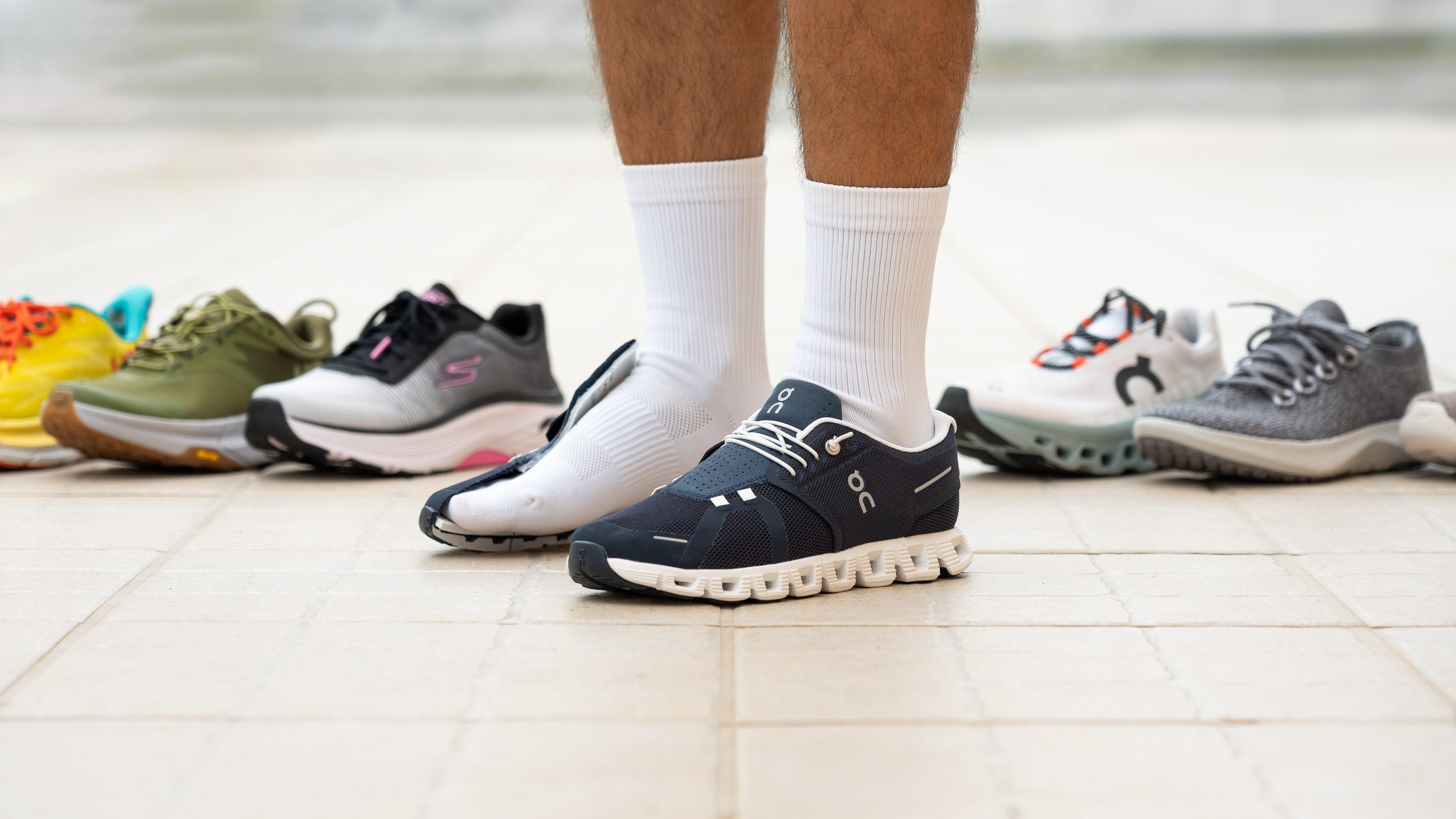
The final, most liberating realization is that comfort-centric shoes are no longer confined to the gym or the hiking trail. The aesthetic evolution has been remarkable. You can now find models with the technical prowess of a premier walking shoe disguised in the sleek profile of a minimalist sneaker, the clean lines of a contemporary derby, or even the refined look of a stylish boot. This versatility means you can transition from a full day of work or travel directly to a social engagement without a change of footwear and without a compromise in comfort or style. This aligns with a broader cultural shift towards integrated living, where performance and lifestyle merge. It echoes the sentiment of author and habit expert James Clear: “You do not rise to the level of your goals. You fall to the level of your systems.” Your footwear is a foundational part of your daily system. When it supports you effortlessly, you conserve physical and mental energy for everything else that matters. The right pair becomes a silent partner in your productivity and social vitality, proving that the most powerful style statement you can make is one of composed, unencumbered readiness for whatever the day holds.
The quest for effortless style and all-day comfort converges on a single, profound truth: the best foundation for any outfit is the feeling of unwavering physical support. By choosing a scientifically-informed walking shoe, you are not abandoning style but embracing its most sophisticated form—one that respects the intricate design of the human body. This choice reverberates beyond your feet, influencing your posture, your energy, and your presence in the world. It is an act of practical wisdom, a nod to biomechanics, and a commitment to moving through life with grace and resilience. Let your next step be the one that never has to choose between looking good and feeling extraordinary.
