

Step Into Comfort and Style with Vionic Walking Shoes
For too long, the world of footwear has presented a false dichotomy: you could either have shoes that look exceptional or shoes that feel exceptional. This compromise ends now. The pursuit of holistic foot health and effortless style is not a niche desire but a fundamental need, and it finds its answer in biomechanically informed design. This is where the Vionic walking shoe transcends being mere apparel and becomes a tool for enhanced living. Forget the notion that supportive shoes must be clinical or unattractive. We are entering an era where every step is an opportunity—to align your body, to express your personal aesthetic, and to engage with the world from a foundation of genuine comfort. This isn’t about following a trend; it’s about understanding the architecture of your movement and choosing a partner that respects it. Let’s explore how these shoes rewire our expectations.
The Foundation: Biomechanics and Why Your Shoes Matter
To appreciate the innovation, one must first understand the problem. The human foot is a marvel of engineering, comprising 26 bones, 33 joints, and over 100 muscles, tendons, and ligaments. Its primary functions are shock absorption, propulsion, and adaptation to uneven terrain. Modern lifestyles, characterized by hard, flat surfaces and often poorly designed footwear, disrupt this natural function. According to research from the Journal of Foot and Ankle Research, improper footwear is a leading contributor to a host of musculoskeletal issues, from plantar fasciitis and bunions to knee, hip, and even lower back pain. The standard flat shoe or one with inadequate arch support allows the foot to overpronate (roll inward excessively) or supinate (roll outward), collapsing the natural arch and misaligning the entire kinetic chain from the ground up. This isn’t mere speculation; it’s a well-documented biomechanical reality. The Vionic walking shoe is built upon the principle of “motion control” and “alignment,” concepts validated by podiatric science. Their signature biomechanical footbed isn’t an added cushion; it’s a designed interface that mimics the optimal position and movement of a healthy, bare foot on a natural, yielding surface. It provides a deep heel cup to stabilize the calcaneus, firm arch support to maintain the medial longitudinal arch, and a forefoot that allows for natural toe splay. This tri-planar control is the non-negotiable bedrock of everything that follows.
Deconstructing Comfort: More Than Just Softness
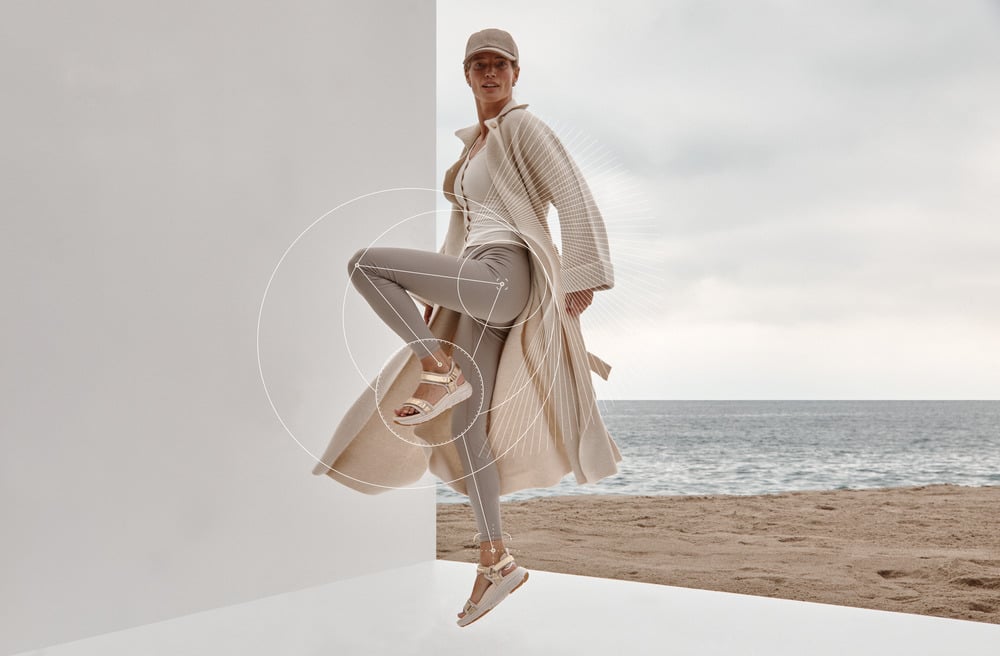
Popular culture often equates comfort with plush, memory-foam-like softness. While pleasant initially, this passive cushioning can be deceptive and, in the long term, detrimental. As Dr. Andrew Shapiro, a noted sports podiatrist, has explained in various media interviews, “A shoe that is too soft fails to provide the necessary proprioceptive feedback and structural support. Your foot muscles become lazy, and the lack of stability can lead to strain as they work overtime to compensate.” True comfort is dynamic and supportive. It’s the comfort of alignment, where muscles and tendons work efficiently rather than fighting against instability. The comfort in a Vionic walking shoe is engineered. It starts with the orthotic-grade footbed, which provides that critical foundation. Layered upon this is responsive midsole foam that absorbs impact shock without bottoming out. The upper materials are selected not only for breathability and flexibility but for strategic structure—holding the foot securely on the platform without pinching or rubbing. This holistic approach ensures that comfort is sustained from the first mile to the last, adapting to your gait rather than forcing your gait to adapt to an inadequate shoe. It’s the difference between sinking into a sofa (which is hard to get out of) and sitting in an ergonomically designed chair that supports your spine—both are “comfortable,” but only one promotes long-term well-being.
The Style Revolution: Proof That Form Follows Function Beautifully
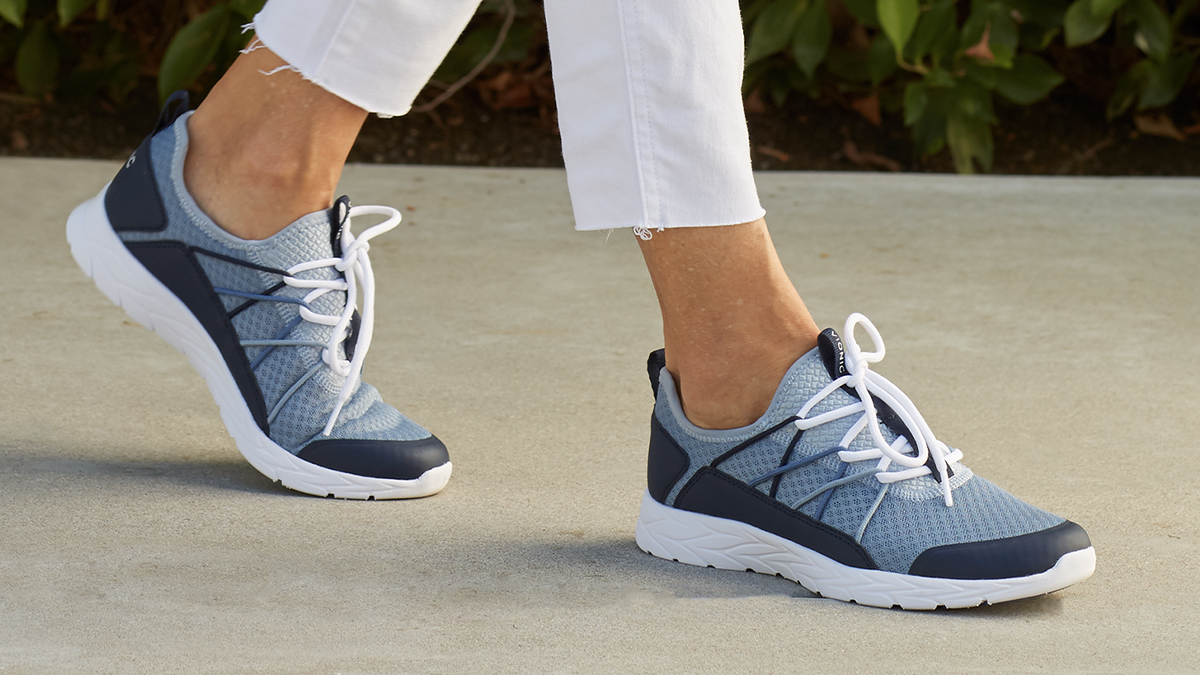
Historically, “orthopedic” or “comfort” shoes were relegated to a realm of beige, bulky, and frankly, unfashionable designs. This created a psychological barrier for many who valued their personal style. Vionic has systematically dismantled this barrier. Their design philosophy proves that biomechanical integrity does not necessitate an aesthetic compromise. Drawing inspiration from contemporary fashion trends—from sleek activewear to casual chic—their shoes feature modern silhouettes, a palette of versatile and bold colors, and details like knit uppers, textured fabrics, and minimalist logos. The Vionic walking shoe you choose for a long day of travel can seamlessly pair with tailored trousers or jeans. The style you select for a weekend walk in the park looks equally at home running errands or meeting friends for coffee. This intentional design bridges categories. It acknowledges that today’s consumer lives a fluid life, moving between roles and environments, and demands footwear that is equally versatile. The integration of style is not an afterthought; it is a core component of the brand’s mission to make foot health accessible and desirable. By looking at their collections, one sees not medical devices, but attractive, covetable shoes that happen to possess revolutionary internal architecture.

Voices of Validation: From Clinical Endorsements to User Triumphs
The efficacy of a product is best measured through both clinical validation and real-world testimony. On the professional front, Vionic footwear is frequently recommended by podiatrists, chiropractors, and physical therapists. The American Podiatric Medical Association (APMA) has granted its Seal of Acceptance to many Vionic styles, a certification that involves rigorous review by a committee of podiatrists to ensure they promote good foot health. This is a significant credential, separating anecdotal claims from scientifically vetted design. Beyond the clinic, the narrative is powerfully shaped by user experiences. Platforms like YouTube and dedicated health forums are filled with testimonials. One user, a teacher who spent years suffering from debilitating plantar fasciitis, stated in a detailed review: “After two weeks in my Vionics, the morning pain was gone. It wasn’t a gradual change; it was a door slamming shut on chronic pain.” Another, an avid traveler, praised how a particular Vionic walking shoe eliminated the foot fatigue that previously cut her exploration days short. These stories form a compelling chorus. They move the discussion from technical specifications to tangible life impact—more miles walked, less pain endured, more confidence gained. It’s evidence that resonates on a human level, reinforcing the scientific principles with personal victory.
An Investment in Mobility: Understanding Value Beyond Price
It is tempting to view premium footwear through a lens of immediate cost. However, a more accurate perspective frames it as an investment in your long-term mobility and quality of life. Consider the economics of neglect: the costs associated with chronic pain management, physical therapy, orthotic inserts, and lost productivity. A well-constructed Vionic walking shoe, with its built-in, podiatrist-designed support, often negates the need for expensive aftermarket inserts. Its durable materials and construction ensure it withstands daily wear, providing consistent support over its lifespan, unlike cheaper shoes that break down quickly and lose their structural integrity. The brand frequently offers professional discounts for healthcare workers, teachers, and others who are on their feet all day, acknowledging their specific needs and making the technology more accessible. Furthermore, seasonal sales and promotional offers provide opportunities to acquire these shoes at a reduced cost, enhancing their value proposition. When you calculate cost-per-wear and weigh it against the benefit of pain-free movement, the value becomes unequivocal. You are not just buying a shoe; you are investing in the foundation of your daily activity, preserving your body’s natural mechanics, and preemptively addressing issues before they require costly intervention.
Your Next Step: Integrating Technology into Daily Life
The journey toward better foot health and refined style begins with a conscious choice. It involves recognizing that what you put on your feet is as important as what you put in your body for overall well-being. Integrating a Vionic walking shoe into your wardrobe is a simple yet profound act of self-care. Start by identifying your primary activity—is it long periods of standing at work, purposeful fitness walking, or all-day casual wear? Each model has subtle refinements tailored to these needs. The transition might feel different initially, as your feet and legs adjust to proper alignment; this is normal and typically short-lived. Pair them with quality socks that manage moisture. Rotate between two pairs if possible, allowing the materials to rebound between uses, which extends the life of the shoes. Observe the changes: the reduction in end-of-day fatigue, the newfound ease in your stride, the compliments on shoes that look as good as they feel. This integration marks a shift from passive wear to active partnership with your footwear. It’s about embracing a product designed with intelligence and intention, a product that carries you forward not just physically, but in your overall approach to living well.

The narrative of footwear is being rewritten. No longer must we choose between looking good and feeling good. The synthesis is here, grounded in science, expressed through design, and validated by experience. It represents a mature understanding of wellness—one that acknowledges the interconnectedness of our body’s systems and the profound impact of our foundational contact with the earth. To step into a pair of these shoes is to step away from compromise and into a reality where every journey, whether a city block or a forest trail, is undertaken with confidence, support, and undeniable style. The path to greater comfort and a more vibrant, active life is quite literally at your feet.
