

The Ultimate Guide to Vionic Walking Shoes for All-Day Support
For anyone who spends a significant portion of their day on their feet, the quest for the perfect shoe is more than a shopping trip—it’s a pursuit of physical well-being. The wrong footwear can transform a simple walk into a cascade of discomfort, impacting not just your feet but your knees, hips, and back. This is where the science of biomechanics meets everyday life, and few brands have championed this intersection as deliberately as Vionic. The core of their philosophy isn’t merely cushioning; it’s about alignment. A Vionic walking shoe is engineered not as an accessory, but as a foundational tool for musculoskeletal health, integrating podiatrist-designed orthotics into stylish, wearable designs. This guide delves into the objective reasons why these shoes have garnered a dedicated following, moving beyond marketing claims to explore the anatomy of support, the evidence behind their technology, and how they translate into tangible relief for the wearer.
The Foundation of Foot Health: Understanding Biomechanics and Alignment
To appreciate what sets a Vionic walking shoe apart, one must first understand the basic principle of foot biomechanics. The human foot is a complex structure of 26 bones, 33 joints, and over 100 muscles, tendons, and ligaments. Its primary functions are to absorb shock, provide balance, and propel the body forward. However, modern lifestyles—characterized by hard, flat surfaces and often inadequate footwear—can disrupt this natural function. Pronation, the inward rolling motion of the foot during walking, is a normal and necessary movement. Yet, excessive pronation (overpronation) or insufficient pronation (supination) can lead to a chain reaction of misalignment. According to resources from authoritative institutions like the American Podiatric Medical Association (APMA), this misalignment is a common contributor to plantar fasciitis, shin splints, bunions, and even chronic knee and lower back pain. The goal of therapeutic footwear, therefore, is not to immobilize the foot but to guide it through its natural gait cycle with support. This is the scientific premise upon which Vionic builds its products. Their signature orthotic footbed, often featuring a deep heel cup, a firm arch support, and a forefoot rocker, is designed to stabilize the heel, align the ankle, and promote a more efficient, natural stride from heel strike to toe-off.

Deconstructing the Vionic Orthotic: More Than Just an Insole
The heart of every Vionic walking shoe is its biomechanical orthotic. This is not a generic, foam-based insert but a structured device born from clinical insight. The design principles echo those found in prescription orthotics, which are widely documented in podiatric literature for their efficacy in managing musculoskeletal pain. The key components work in concert: the deep heel cup cradles the calcaneus (heel bone), minimizing lateral movement and providing a stable base. This directly addresses issues like heel pain and the strain on the plantar fascia. The firm arch support is calibrated to sustain the medial longitudinal arch—the foot’s primary shock absorber. By preventing the arch from collapsing excessively during weight-bearing, it reduces the tensile stress on the plantar fascia and redistributes pressure more evenly across the foot. Finally, the forefoot rocker or toe spring facilitates the transition during the “push-off” phase of gait, reducing the work required from the toes and calf muscles. This tri-planar control—supporting the foot in three dimensions—is what transforms a shoe from a passive cover into an active participant in your movement. It’s a concept validated by the APMA Seal of Acceptance, which Vionic has earned for many of its styles, indicating they promote good foot health.
From Laboratory to Lifestyle: The Evidence and Endorsements
Objective validation for Vionic’s approach comes from multiple sources. Beyond the APMA Seal, consider the anecdotal yet powerful evidence from user communities on platforms like Quora and Reddit. Discussions on foot pain relief are frequently peppered with personal testimonials for Vionic, often from individuals who have tried countless other brands without success. Furthermore, the brand’s technology has been highlighted by well-known health and wellness websites such as Healthline and Prevention, which often cite the biomechanical benefits in their roundups of best shoes for plantar fasciitis. The influence extends into popular culture; celebrity stylists and figures known for their on-the-go lifestyles have been spotted endorsing or wearing the brand, lending credence to their claim of merging style with substance. On YouTube, certified podiatrists and physical therapists have conducted independent reviews, dissecting the shoe’s construction and often comparing its orthotic to custom-made devices. While they caution that severe conditions require personalized medical care, the consensus frequently points to Vionic’s off-the-shelf orthotic as a highly effective, accessible solution for common alignment-related discomfort. This confluence of professional certification, community-driven praise, and expert analysis forms a robust, multi-faceted body of evidence supporting the shoes’ functional claims.

A Walk in the Shoes: The First-Person Experience of All-Day Support
Let us shift perspective and speak directly to you, the wearer. Imagine starting your day—perhaps a busy shift in retail, a long day of travel through airports, or an extended walking tour on vacation. The initial feel of a Vionic walking shoe is distinct. There is a noticeable firmness, particularly under the arch, which can be surprising if you’re accustomed to shoes that prioritize pillowy-soft cushioning above all else. This is not a defect; it is the support engaging. As you move through your day, that initial firmness translates into a sustained feeling of stability. Your foot isn’t sliding around inside the shoe, and your arch isn’t fatiguing. The difference often becomes most apparent at the end of the day. Instead of a burning sensation in your heels or a tight ache across your instep, you feel a manageable, muscular tiredness—the kind that comes from healthy use, not from strain and improper alignment. The relief isn’t isolated; many report a noticeable decrease in knee ache and lower back tension, a direct result of the improved kinetic chain alignment. The shoe works not by masking pain with softness, but by addressing a primary mechanical cause. It’s a proactive, rather than reactive, approach to comfort.

Investing in Your Stride: Professional Knowledge Meets Value
Understanding the technology behind a Vionic walking shoe reframes its price point from a simple clothing purchase to an investment in musculoskeletal health. When compared to the ongoing cost of pain management therapies, custom orthotics, or even the cumulative expense of frequently replacing cheaper, less supportive shoes, the value proposition becomes clear. However, making this investment more accessible is part of the journey. Vionic and its authorized retailers frequently offer seasonal sales, promotional discounts, and bundle deals, especially during holiday periods or on older colorways. For the savvy consumer, subscribing to newsletters or following official social media accounts can provide alerts for these opportunities. Furthermore, the brand’s direct website often features an “Outlet” or “Sale” section where discontinued styles—still boasting the full biomechanical orthotic—are available at significantly reduced prices. The professional knowledge here is simple: supportive footwear is a cornerstone of preventive care. By choosing a shoe designed with biomechanical integrity, you are potentially mitigating future discomfort and related expenses. The discounted prices offered periodically simply lower the barrier to entry for this form of self-care, making proven technology available to a wider audience.
Beyond the Basics: Selecting the Right Vionic for Your Walk
Not all Vionic styles are identical, and selecting the right model enhances the benefits. Their lineup includes everything from sleek sneakers and athletic walkers to casual sandals and loafers, all embedded with the core orthotic technology. For high-impact or extensive daily walking, models like the “Walker” or “Strider” collections often feature additional shock-absorbing midsoles and durable rubber outsoles designed for mileage. For those in professional settings needing a dressier look, leather loafers and ballet flats incorporate the support discreetly. The key is to identify your primary activity. A podiatrist’s advice, often echoed in brand literature, is to prioritize fit and function over style alone. Ensure there is adequate space in the toe box to prevent crowding, the heel is snug but not tight, and the arch support aligns naturally with your own arch—it should feel supportive, not intrusive. Trying shoes on in the afternoon, when feet are naturally slightly swollen, can ensure a comfortable fit all day. This nuanced selection process, guided by an understanding of your own gait and daily demands, ensures your Vionic walking shoe becomes a truly personalized tool for comfort.
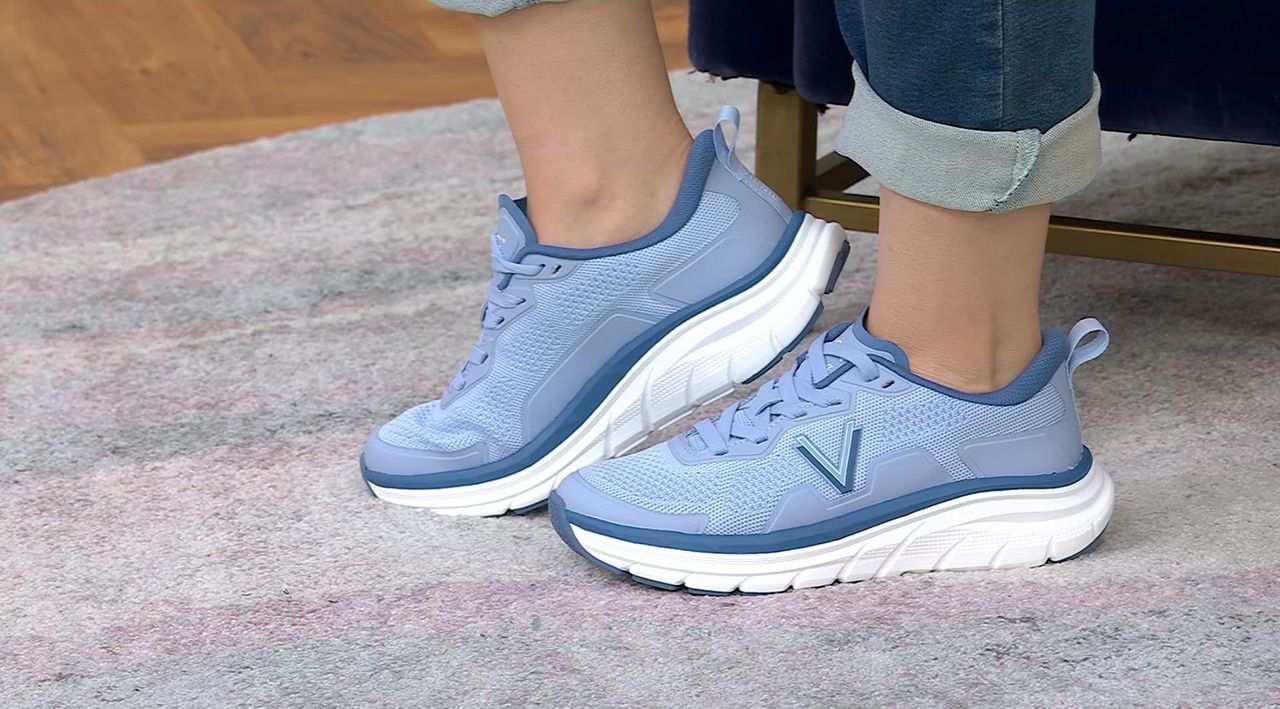
The journey to all-day comfort is fundamentally a journey toward better alignment. It requires moving beyond the superficial appeal of softness and recognizing that true, lasting support is structural. Vionic has built its reputation on this very principle, embedding podiatric science into wearable forms. The evidence—from clinical endorsements to a sea of personal testimonials—points to a simple truth: when your foundation is stable, everything above it functions with greater ease. Choosing a shoe like this is an act of listening to your body’s mechanics. It is an acknowledgment that our feet, which bear our entire weight and propel us through life, deserve thoughtful support. The result is not just a more comfortable day but a profound shift in how you move through the world, step after supported step.
