

The Ultimate Guide to Toe Walker Shoes for Effortless Chic
Fashion is not merely about aesthetics; it is an intricate dialogue between form, function, and personal expression. For a significant community, the conventional footwear landscape has often felt like a compromise, prioritizing style over genuine comfort or anatomical support. This changes now. The emergence of toe walker shoes represents a paradigm shift, merging sophisticated design with profound biomechanical understanding. This guide is dedicated to unraveling how these specialized shoes can become the cornerstone of a wardrobe that is both effortlessly chic and uncompromisingly supportive. We will move beyond superficial trends to explore the science, the style, and the transformative experience of wearing footwear designed for how you truly move.
Decoding the Term: What Are Toe Walker Shoes?
To fully appreciate the innovation behind these shoes, we must first ground our understanding in objective definitions. The term “toe walking” refers to a gait pattern where an individual walks on the balls of their feet, with minimal or no contact between the heels and the ground. According to resources from institutions like the American Academy of Orthopaedic Surgeons and pediatric mobility studies, this pattern can be idiopathic (habitual) or associated with various neuromuscular conditions. Therefore, toe walker shoes are not a mere fashion category; they are a functional classification. They are engineered footwear designed with specific features—such as elevated heels, rocker soles, deep heel cups, and superior forefoot cushioning—to accommodate, support, and normalize this distinct gait. Think of them not as medical devices disguised as shoes, but as precision-engineered platforms that align with your natural stride, offering stability where it’s needed and freedom where it’s desired. The goal is to provide a foundation that reduces strain on the Achilles tendon and calf muscles, promotes a more natural roll-through motion, and ultimately, allows the wearer to step with confidence and ease.
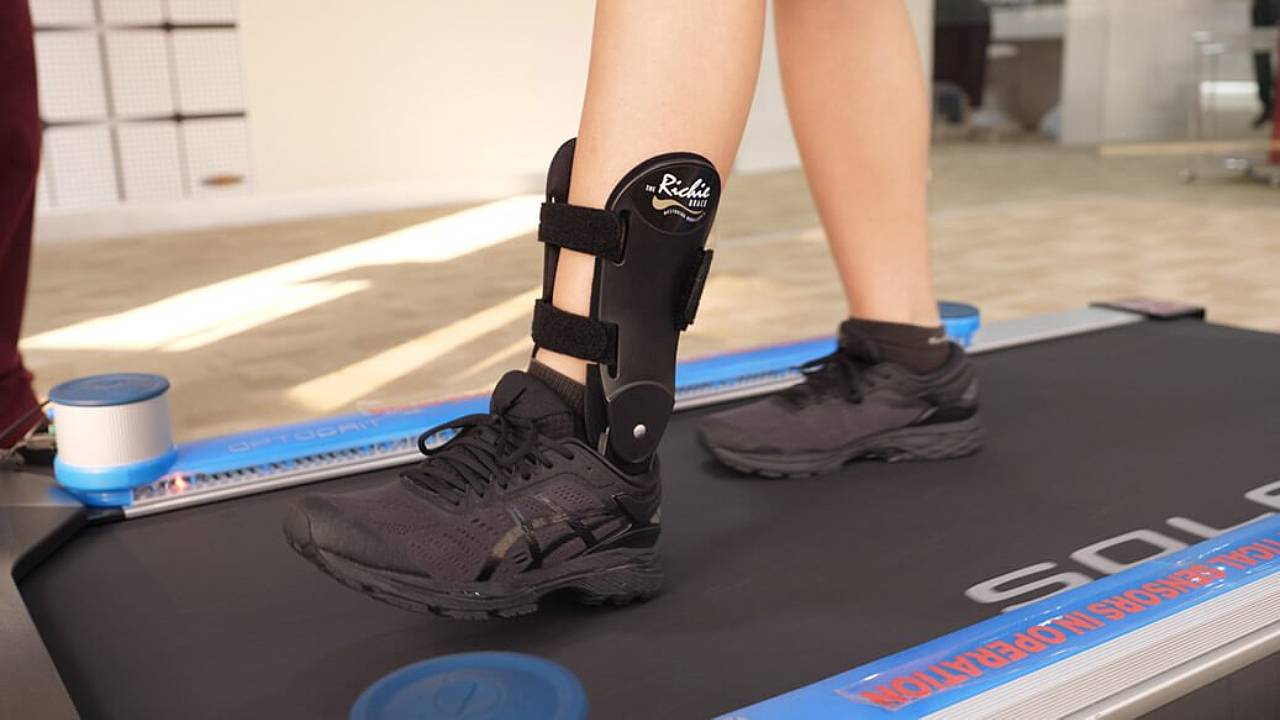
The Biomechanical Blueprint: Science Meets Style
The genius of modern toe walker shoes lies in their invisible engineering. Let’s dissect the key components from a scientific perspective. A rocker sole is paramount. This curved design, often discussed in podiatric literature from universities specializing in biomechanics, facilitates a smooth transition from heel-strike (or in this case, mid-foot or forefoot contact) to toe-off. It reduces the required ankle dorsiflexion, lessening the workload on the calf complex. Next, consider heel lift and pitch. A slightly elevated heel, seamlessly integrated into the design, can immediately alleviate tension on the shortened Achilles tendon common among habitual toe walkers. This isn’t about high heels; it’s about a subtle, built-in gradient. Furthermore, motion control and cushioning are critical. As noted by sports medicine experts on platforms like Quora and YouTube, excessive pronation or supination can be exacerbated by an unstable gait. Quality toe walker shoes incorporate medial posts, firm heel counters, and advanced foam technologies (like EVA or polyurethane) to guide the foot and absorb impact at the forefoot, where pressure is greatest. This biomechanical blueprint is the unsung hero, transforming every step from a potential challenge into an act of fluid motion.
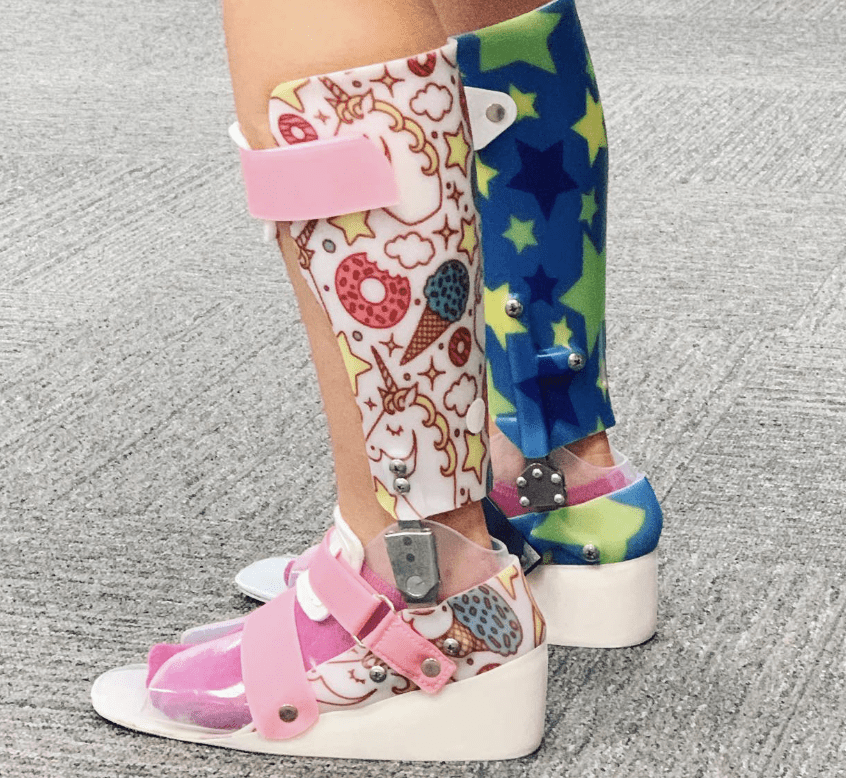
From Clinic to Catwalk: The Aesthetic Evolution
There was a time when functional footwear was synonymous with clunky, unattractive designs. That era is conclusively over. The contemporary landscape of toe walker shoes is a testament to the power of inclusive design. Leading brands, often inspired by minimalist aesthetics and luxury sneaker trends, have proven that support and style are not mutually exclusive. You can find elegant leather loafers with hidden rocker soles, sleek athletic sneakers that wouldn’t look out of place in a high-end boutique, and even sophisticated boots with the necessary internal architecture. This evolution mirrors a broader cultural shift championed by figures in the adaptive fashion movement on social media platforms like Twitter and Instagram, where the demand for dignity in design is loud and clear. When you choose a pair now, you are not choosing between looking good and feeling good; you are selecting a product that honors both principles equally. The chic is indeed effortless because it is inherent to the design, not an afterthought.
Curating Your Collection: A Practical Framework
Building a versatile wardrobe with these shoes requires a strategic approach. Consider your lifestyle in segments. For daily urban mobility, seek out a premium sneaker or a polished flat with a toe spring. The key is to examine the sole profile; a gentle but definite upward curve at the front is a telltale sign of a rocker design. For professional settings, invest in a pair of dress shoes or sophisticated loafers that incorporate orthotic-friendly depth. Many brands now offer removable footbeds, allowing you to insert custom orthotics if needed, creating a perfectly personalized support system. As one well-known podiatrist stated in a widely-shared blog post:
“The ideal footwear acts as a symbiotic extension of the foot. For individuals with a toe-walking gait, the shoe must provide the corrective suggestion without imposing a forceful restraint. It’s about guidance, not governance.”
Finally, don’t neglect active pursuits. A dedicated pair of running or walking shoes with enhanced forefoot cushioning and a flared heel for stability is non-negotiable for fitness. This triage—everyday, professional, active—ensures you are appropriately supported in every context, making the functional aspect of your wardrobe seamlessly integrated into your life.
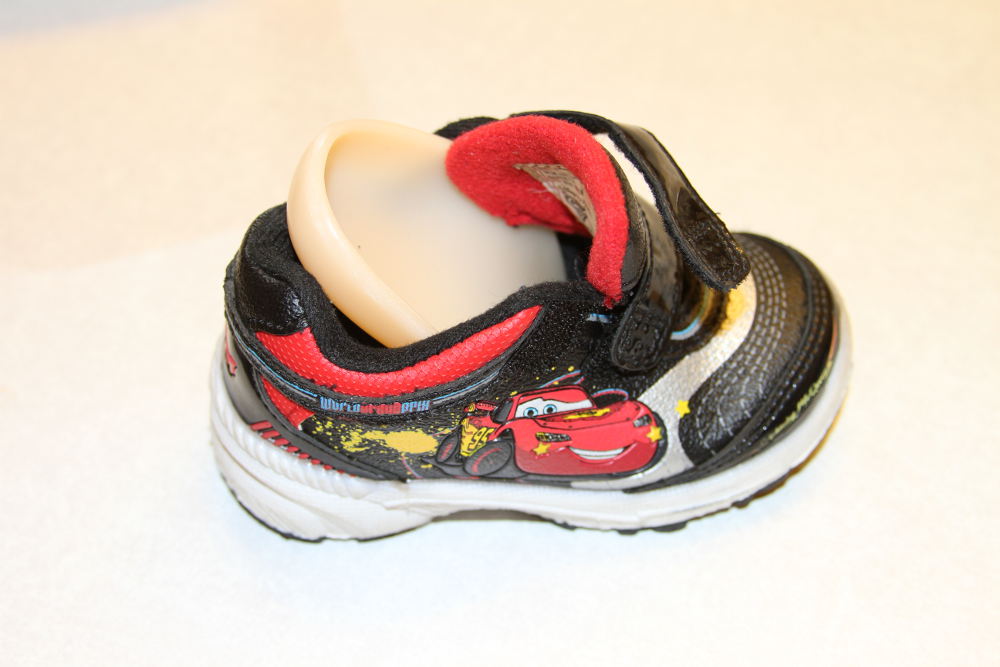
Beyond the Purchase: Knowledge as Your Greatest Asset
Empowerment extends beyond the point of sale. True style sovereignty comes from understanding how to integrate these tools into your life. Pairing your shoes with targeted stretching and strengthening exercises, often recommended by physical therapists, can amplify the benefits. Simple calf stretches against a wall or towel-assisted stretches can improve flexibility. Furthermore, understanding materials is crucial. Look for uppers made from soft, supple leather or advanced knit fabrics that minimize friction and allow for natural foot expansion. Pay attention to closure systems; lace-up or hook-and-loop closures offer adjustable volume, which is essential for accommodating any custom inserts or orthotics. This holistic approach—combining informed product selection with supportive self-care—transforms your footwear from a simple accessory into a cornerstone of your well-being. It’s about creating a sustainable, comfortable, and stylish lifestyle where your choices are deliberate and informed.

The New Foundation of Personal Style
The journey through the world of toe walker shoes reveals a profound truth: the most impactful fashion is that which liberates. It is the intersection where rigorous science fuels beautiful design, and where personal necessity births authentic style. This is not a niche trend but a forward-looking movement in footwear, championing inclusivity without sacrificing an iota of elegance. When your foundation is secure, comfortable, and thoughtfully engineered, every step you take is imbued with confidence. That confidence is the ultimate accessory, the silent language of chic that speaks volumes. Your wardrobe, anchored by these purpose-built pieces, becomes a true reflection of a life lived with intention, grace, and uncompromising ease.
