

Your Ultimate Guide to Stylish and Comfortable Everyday Footwear
Let’s be honest: for years, the world of everyday shoes presented a frustrating choice. On one side, there were impeccably stylish options that left our feet pleading for mercy after a few hours. On the other, there were comfortable shoes that, while supportive, often sacrificed any claim to contemporary aesthetics. This divide is no longer necessary. The modern footwear landscape has evolved, merging biomechanical science with design innovation to create shoes that don’t force you to choose. This guide is dedicated to navigating that landscape, proving that the ideal walking shoe is one that feels as good as it looks, empowering every step of your daily life.
The Foundation: Why Your Feet Deserve Scientific Comfort
Before we delve into styles, we must understand the “why.” The human foot is a complex marvel of engineering, comprising 26 bones, 33 joints, and over 100 muscles, tendons, and ligaments. According to biomechanics literature from institutions like the University of Calgary’s Human Performance Lab, each step you take generates a force of about 1.5 times your body weight. This force needs to be absorbed and redistributed efficiently to prevent a cascade of issues, from plantar fasciitis to knee and back pain. A proper walking shoe acts as a critical interface between your body and the ground. It’s not merely a covering; it’s a piece of functional equipment. The objective science is clear: features like adequate arch support, strategic cushioning (often using proprietary compounds like Adidas’s Boost or ASICS’s GEL), and a heel counter that stabilizes the rearfoot are non-negotiable for long-term foot health. Ignoring these elements for fleeting trends is, quite literally, a painful compromise. As renowned podiatrist Dr. Jacqueline Sutera has stated in various media interviews, “Shoes are the foundation of your body. If the foundation is unstable or misaligned, everything above it—ankles, knees, hips, back—can be affected.”
Decoding the Anatomy of the Perfect Everyday Shoe
So, what should you look for? Let’s break down the anatomy of a stellar everyday performer. First, the upper: seek breathable, flexible materials like knit, mesh, or premium leather. These allow for natural foot expansion and temperature regulation. Next, the midsole: this is the heart of cushioning and support. Technologies like Nike’s Air, Brooks’s DNA LOFT, or HOKA’s Profly+ are designed to provide responsive cushioning that returns energy with each step. The outsole needs durable rubber with a flexible groove pattern to facilitate the natural heel-to-toe rolling motion of walking. Don’t overlook the insole or footbed; a contoured, often removable, insole that supports the arch is a hallmark of a quality shoe. Finally, consider the last—the shape the shoe is built around. Brands like Altra use a “FootShape” last that allows toes to splay naturally, a feature widely discussed in minimalist running and walking communities on platforms like Reddit’s r/running for its comfort benefits. A well-constructed walking shoe harmonizes all these elements.
:max_bytes(150000):strip_icc()/vwt-asics-womens-gel-pulse-16-jinfeng-chen-21-712f0f140e834b84b3a8dcf0bf154771.jpeg)
Style is Not an Afterthought: The Aesthetics of Function
The great triumph of recent footwear design is the erasure of the line between “athleisure” and “fashion.” You no longer need to change shoes between a morning errand run and a casual lunch. Brands like Allbirds, Cole Haan, and even luxury houses have embraced this fusion. The key is to look for clean silhouettes and versatile color palettes—think neutrals like white, black, grey, or olive—that can seamlessly integrate with your wardrobe. A minimalist white leather sneaker with a hidden cushioned midsole, a sleek walking loafer with arch support, or a tailored athletic shoe in monochrome can transition from jeans to chinos to casual dresses effortlessly. The philosophy echoes the words of iconic designer Coco Chanel, who championed simplicity and comfort: “Luxury must be comfortable, otherwise it is not luxury.” Today’s stylish walking shoe embodies this principle perfectly, offering understated elegance without compromising on the biomechanical support we’ve established as essential.
Investment and Care: Maximizing the Value of Your Footwear
Purchasing a quality pair is an investment in your well-being, and like any good investment, it requires smart management. The first rule is rotation. Wearing the same pair every day doesn’t allow the midsole materials to fully rebound, accelerating breakdown. Having at least two pairs in rotation can significantly extend the life of each. Secondly, know when to retire them. Most experts, including sources from Runner’s World and Verywell Fit, agree that the cushioning and support in a primary walking shoe degrade after 300-500 miles of use. If you’re walking 5 miles a day, 5 days a week, that’s 25 miles a week, meaning your shoes may need replacement every 3-5 months. Signs include visible wear patterns on the outsole, loss of bounce, or new aches and pains. To make this investment more accessible, always look for previous-season colorways, sign up for brand newsletters for direct discounts, and check reputable online retailers during major sales events. The true cost isn’t the price tag, but the cost per comfortable mile.
:max_bytes(150000):strip_icc()/when-should-i-replace-my-walking-shoes-3436325-0801-7a1840d83573471092e0380f9e230ecc.jpg)
Your Personal Footwear Blueprint: Finding The One
With the knowledge of what makes a great shoe, the final step is personalization. Your foot is unique. Are you a pronator (foot rolls inward) or a supinator (foot rolls outward)? Do you have high arches, flat feet, or something in between? Many specialty running stores offer free gait analysis, which can provide invaluable insights. Don’t be afraid to use this service even if you’re primarily a walker. Furthermore, always try on shoes in the afternoon, as feet naturally swell throughout the day. Wear the socks you intend to pair them with and walk around the store for several minutes. There should be a thumb’s width of space between your longest toe and the end of the shoe, and the widest part of your foot should align comfortably with the shoe’s widest part. Remember, the best walking shoe in the world is the one that fits your foot perfectly. It’s the cornerstone of a wardrobe that supports not just your style, but your daily movement and long-term vitality.
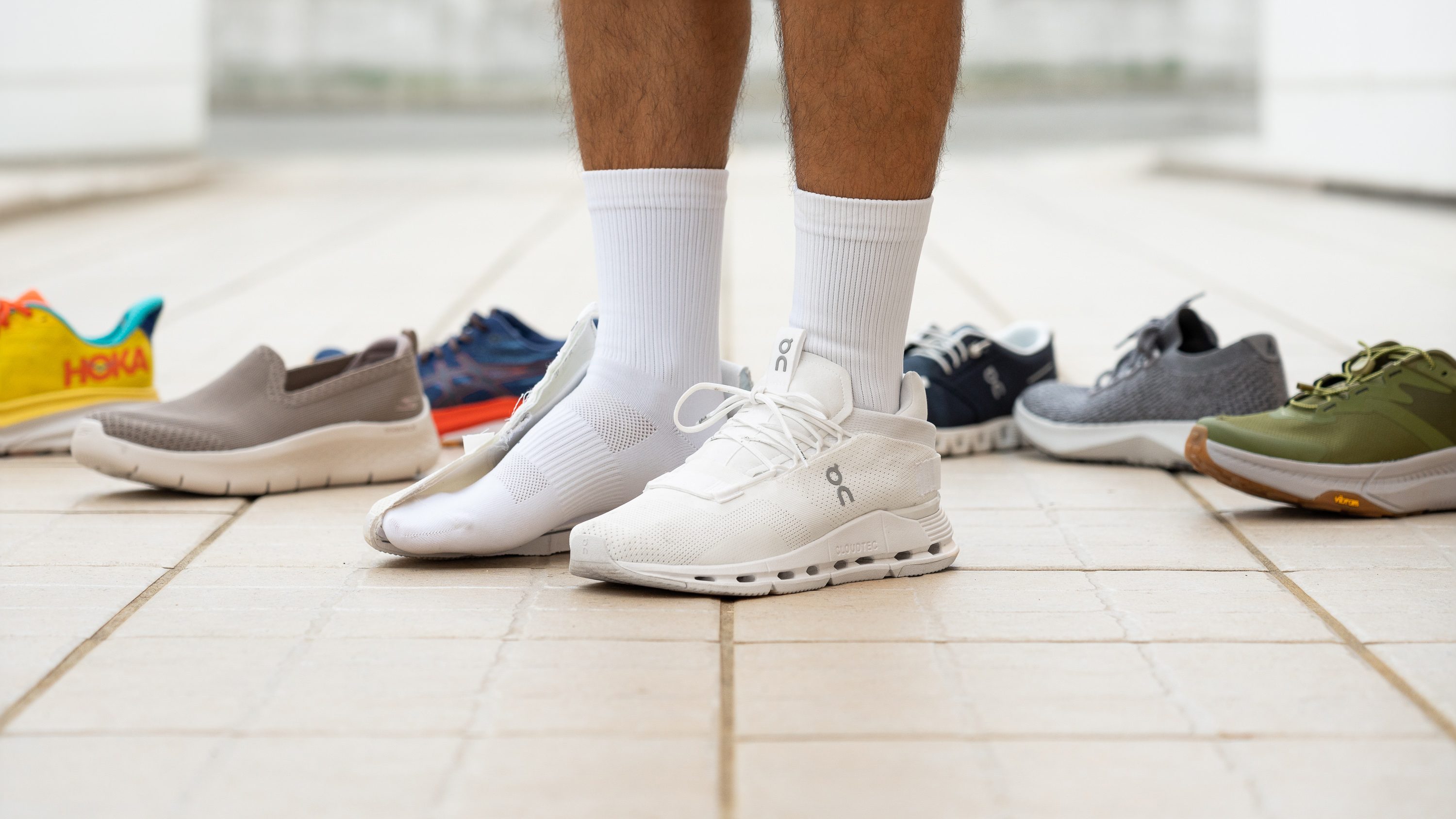
The journey to finding footwear that truly works for you is an act of self-care. It’s a rejection of the false dichotomy between style and substance. By prioritizing the marriage of ergonomic design and aesthetic appeal, you choose to step through life supported, confident, and without compromise. Let your shoes be a testament to the fact that you value both how you feel and how you present yourself to the world, one comfortable, stylish step at a time.
