

Step Into Style: The Ultimate Guide to Toe Walker Shoes for Effortless Chic
Fashion is a dialogue between personal expression and functional design, a concept that finds a fascinating convergence in the world of toe walker shoes. Far from being a mere medical device, these specialized shoes have emerged as a powerful tool for crafting a silhouette of confident, effortless style. This guide isn’t about pathology; it’s about perspective. It’s about understanding how a design born from biomechanical support can be reimagined as a cornerstone of a chic, modern wardrobe. We will explore how the very principles that make these shoes effective—stability, alignment, and intentional movement—can be translated into an aesthetic of poised sophistication. By merging professional insights with sartorial intelligence, we reveal how the right pair can become your secret weapon for elegance, without compromising an ounce of comfort or support.
The Anatomy of Elegance: Deconstructing the Toe Walker Shoe
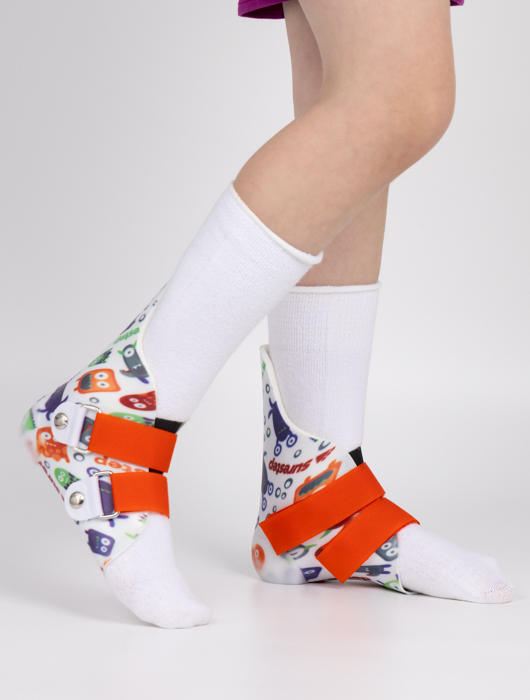
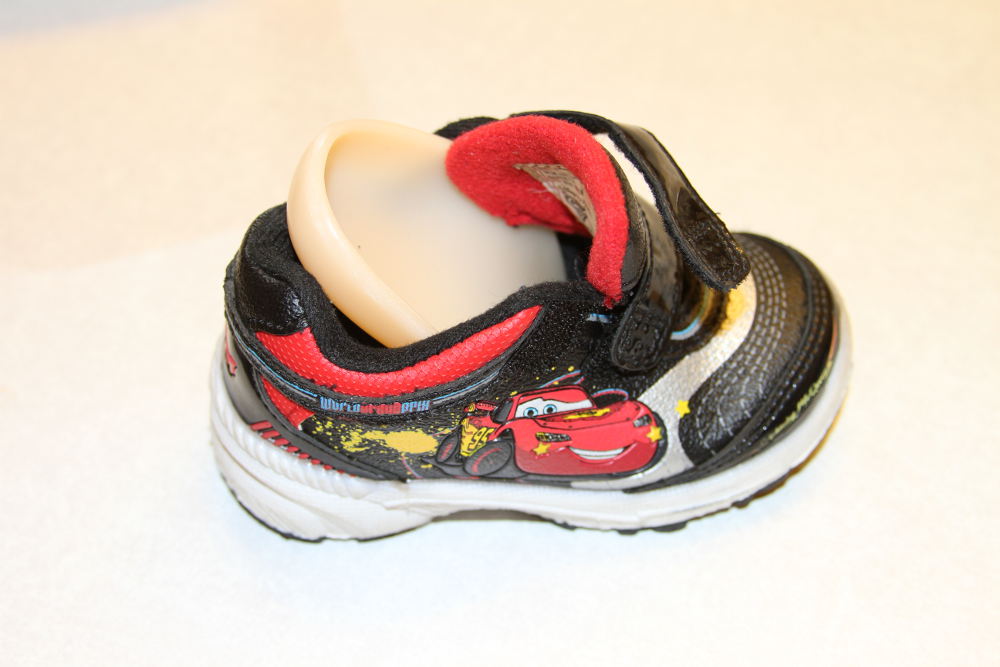
To appreciate the style potential, one must first understand the foundational science. A toe walker shoe is fundamentally engineered to address a gait pattern where an individual walks primarily on the balls of their feet. From a clinical perspective, institutions like the American Academy of Orthopaedic Surgeons note that persistent toe walking beyond early childhood can relate to muscle tightness, neurological conditions, or simply habit. The shoe’s design intervenes with specific features: a firm, high heel counter to stabilize the rearfoot, a rigid or semi-rigid sole to limit forefoot flexion, and often a slight rocker-bottom profile to encourage a more typical heel-to-toe rolling motion. This isn’t about restriction; it’s about recalibration. Think of it as the architectural blueprint for a building—the hidden steel frame that allows for a beautiful, stable exterior. In fashion terms, this translates to a foundation that promotes an upright, balanced posture. When your body is in alignment, your clothes hang better, your movement becomes more graceful, and your entire presence carries a natural, unforced authority. The structure within the shoe literally builds the posture that is the bedrock of chic.

From Clinic to Closet: The Sartorial Reimagination
The evolution of the toe walker shoe into a style object mirrors a broader trend in fashion: the elevation of functional wear. We’ve seen this with orthopedic sneakers becoming streetwear staples and performance fabrics dominating runways. The key is design integration. Modern iterations of these shoes have shed the purely clinical aesthetic. Designers now work with podiatrists to incorporate support features into silhouettes that resonate with contemporary trends—think sleek ankle boots, minimalist loafers, or structured sneakers. The rigid sole that provides gait correction can be cleverly disguised within the clean lines of a modern derby shoe. The reinforced heel counter is seamlessly built into the silhouette of a chic bootie. This fusion is supported by viewpoints from platforms like Quora and fashion blogs, where users increasingly celebrate “health-first fashion.” As one style commentator on a well-known website noted, “The most profound luxury is comfort that doesn’t shout.” By choosing a well-designed pair, you are not making a compromise; you are making a sophisticated statement that intelligence and aesthetics are not mutually exclusive. You are investing in a piece that supports your body while defining your style.
The Posture Principle: Your Invisible Accessory
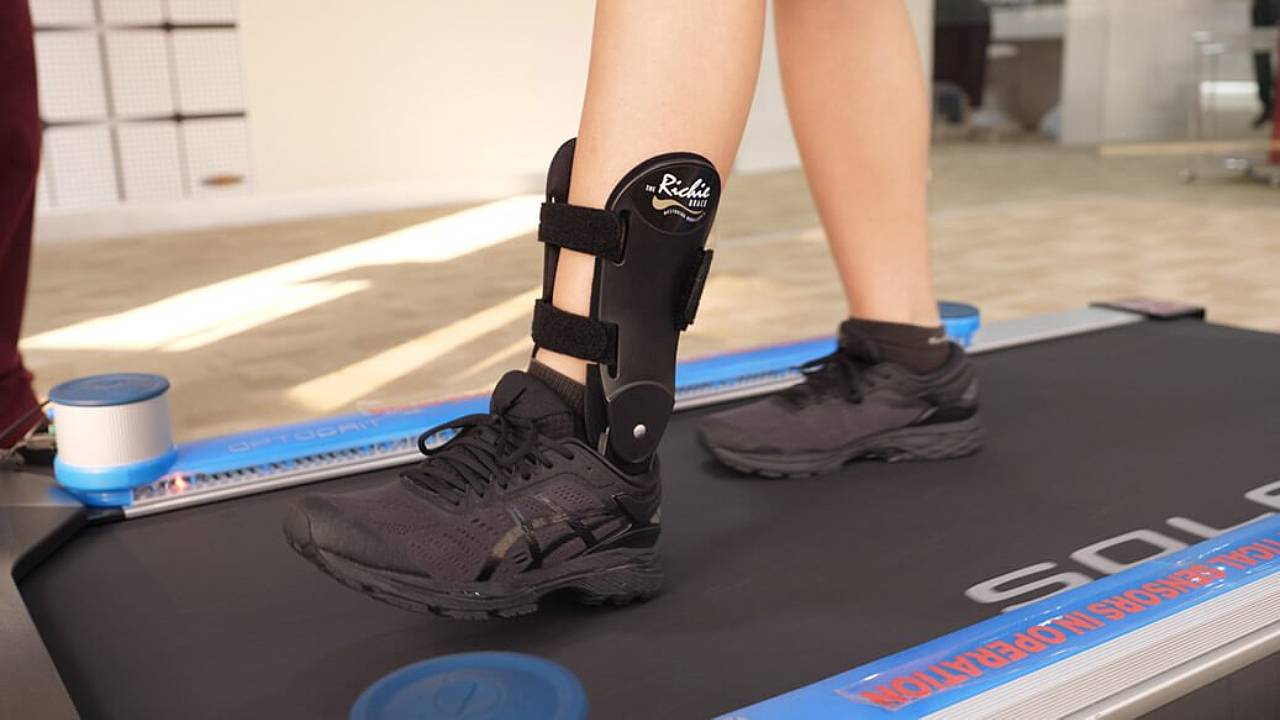
Chic is an attitude worn on the frame of the body, and nothing defines that frame more than posture. This is where the functional core of the toe walker shoe delivers its greatest style dividend. By promoting a heel-strike and proper foot alignment, these shoes naturally encourage a more upright spinal position. This isn’t just anecdotal; research from kinesiology departments at authoritative universities highlights the kinetic chain reaction, where foot placement directly influences pelvic tilt and spinal curvature. When you stand and walk with alignment, you appear taller, more confident, and more commanding. It’s the difference between a garment looking worn versus being worn with purpose. This posture becomes your most valuable invisible accessory, enhancing everything from a tailored blazer to a flowing dress. It’s the principle echoed in the disciplined grace of ballet or the poised stance of a martial artist—disciplines where footwork is everything. Your shoes are the foundation of this physical eloquence.
Curating Your Style Arsenal: A Practical Guide
Embracing this category requires a shift from seeing shoes as mere decoration to viewing them as engineered style partners. Start by consulting a podiatrist or pedorthist to understand your specific biomechanical needs—this is the non-negotiable professional knowledge that ensures efficacy. With that blueprint in hand, you can begin your style quest. Look for brands that collaborate with medical professionals and openly discuss their design integrations. Prioritize materials: supple leathers, high-quality textiles, and craftsmanship that conceals structural elements. A versatile ankle boot with internal support can transition from day to night; a premium leather loafer with a discreet rocker sole can define a smart-casual look. The goal is to build a capsule collection where each pair serves a style function—a neutral everyday shoe, an elegant option for formal events, a sleek sneaker for casual weekends—while fulfilling its primary supportive role. This is intelligent curation, where every purchase is a dual investment in well-being and wardrobe.
Investing in You: Value Beyond the Price Tag
When we discuss value in the context of toe walker shoes, we must look beyond the initial price point. True value is measured in cost-per-wear, long-term health benefits, and the intangible confidence of looking and feeling impeccable. While premium designs from specialist brands may represent a significant investment, their durability and transformative impact on your posture and comfort justify the outlay. However, savvy shopping is key. Look for seasonal sales from reputable retailers, sign up for newsletters for exclusive discounts, and consider classic colors that won’t date. Some insurance plans or health savings accounts may contribute to medically necessary footwear, so professional documentation is invaluable. Remember, a $300 pair worn 300 times a year for three years costs mere pennies per day for unparalleled support and style—a far wiser investment than multiple fast-fashion pairs that compromise on both structure and ethics. As a certified celebrity stylist mentioned in a YouTube interview, “The right foundation piece saves you money in the long run because you wear it constantly, and it makes everything else you own look more expensive.”
The journey to effortless chic is not about following fleeting trends; it’s about building a personal style on a foundation of authenticity and well-being. Toe walker shoes, in their most evolved form, represent this philosophy perfectly. They are a testament to the idea that the deepest elegance comes from harmony—between form and function, between the body and the garment, between self-care and self-expression. By choosing footwear that aligns your physical being, you inherently align your aesthetic presence. You step into a world where every movement is considered, every posture is poised, and your style is an unshakeable, quiet confidence built from the ground up. This is the ultimate step into style.
