

Step Into Comfort And Style With Vionic Walking Shoes
For years, the pursuit of the perfect walking shoe felt like a compromise. It was a choice between clinical-looking orthopaedic support that sacrificed all aesthetic appeal, or stylish footwear that left your feet aching after a mere city block. This false dichotomy governed our shoe racks and, by extension, our daily comfort. But what if the narrative changed? What if you could embrace a shoe engineered with the precision of podiatric science, wrapped in designs that spark joy and confidence with every step? This isn’t a hypothetical future; it’s the present reality crafted by innovators who understand that foot health and fashion are not mutually exclusive. The journey to redefining your stride begins with a single, informed step away from compromise and toward a synthesis of biomechanical support and contemporary design.
The Foundation: Where Biomechanics Meets Daily Life
To appreciate the revolution underfoot, one must first understand the architecture they walk upon. The human foot is a marvel of engineering, comprising 26 bones, 33 joints, and over 100 muscles, tendons, and ligaments. According to resources from authoritative institutions like the American Podiatric Medical Association (APMA), this complex structure is designed to absorb shock, provide balance, and propel the body forward. However, modern lifestyles—characterized by hard, flat surfaces and often inadequate footwear—can disrupt this natural biomechanics. Overpronation, where the foot rolls inward excessively, or supination, where it rolls outward, are common issues that can lead to a cascade of discomfort, from plantar fasciitis to knee and back pain. The core philosophy behind a superior vionic walking shoe is to intervene in this cycle not with a rigid crutch, but with intelligent guidance. It employs a biomechanical footbed, often developed with input from podiatrists, which features a deep heel cup to stabilize the rearfoot, a supportive arch to align the skeleton from the ground up, and a strategic forefoot design to encourage a natural toe-off. This isn’t about altering your gait artificially; it’s about restoring the efficient, natural motion your body intends, making every step a corrective and comfortable experience.

Debunking the Myth: Support Cannot Be Stylish
A pervasive myth in footwear is that substantive support must come at the expense of style—a notion as outdated as it is inaccurate. This belief likely stems from the historical segregation of “orthopaedic shoes” into a category defined by bulky, beige, and purely functional designs. Yet, consider the evolution of athletic wear: performance technology like moisture-wicking fabrics and ergonomic cuts have become street-fashion staples. The same synthesis is now definitive in supportive footwear. Brands recognized that consumers refuse to choose between well-being and self-expression. The modern vionic walking shoe is a testament to this. Design teams work in tandem with biomechanics experts, ensuring that a contoured, APMA-accepted footbed is seamlessly integrated into silhouettes that draw inspiration from current trends. You’ll find sleek sneakers, elegant sandals, and sophisticated loafers where the support is invisible, embedded within the design. As fashion icon and entrepreneur Iris Apfel once quipped, “Fashion you can buy, but style you possess.” True style is confidence, and confidence is unshakable when it’s built on the foundation of pain-free movement. The evidence is in the product lines themselves, which are frequently featured in lifestyle magazines not for their “medical” value but for their aesthetic appeal, proving that the most stylish choice can also be the smartest one for your body.
The Long-Term Investment: Beyond the Price Tag
When evaluating footwear, the immediate cost often dominates the decision. However, a perspective shift—from viewing shoes as a mere accessory to considering them a fundamental investment in your musculoskeletal health—reveals a different calculus. Wearing poorly supportive shoes is akin to driving a car with misaligned wheels; the immediate operation might seem fine, but the long-term damage and inefficiency are costly. Podiatric literature and health economics studies suggest that preventable foot conditions lead to significant indirect costs through missed work, reduced activity, and subsequent treatments. A premium vionic walking shoe, therefore, represents a proactive investment. Its value proposition lies in its durable construction, high-quality materials that conform and breathe, and the proprietary orthotic technology designed to last the lifetime of the shoe. Furthermore, brands committed to this philosophy often offer direct consumer value. By signing up for newsletters or checking their official outlets, you can access professional knowledge on foot care and be the first to know about discounted prices on new collections or classic styles. This approach brings professional expertise and financial accessibility to the user, ensuring that advanced foot health technology is not an exclusive luxury but an attainable standard for anyone committed to a vibrant, active life.
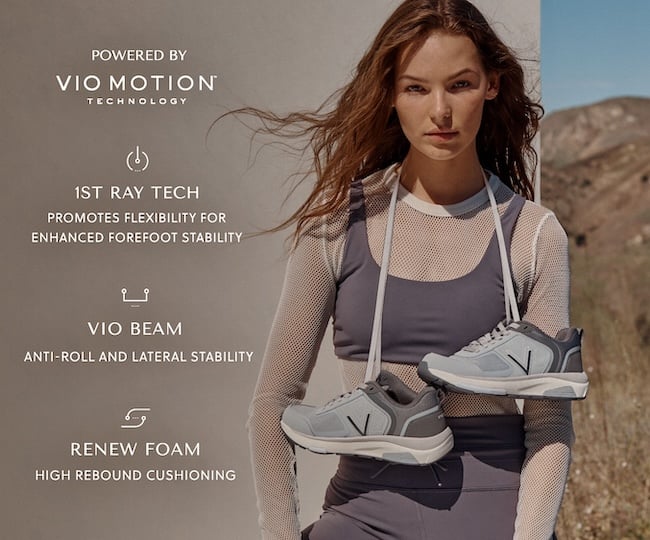
A Personal Journey to Rediscovering Movement
Imagine beginning your day not with a wary thought about how long your feet will hold up, but with an anticipation of the day’s possibilities. This shift is personal and profound. For many, the transition to biomechanically intelligent footwear begins at a point of frustration—chronic pain that sidelines hobbies or simple pleasures like a walk in the park. The first time you slip on a properly fitted vionic walking shoe, the sensation is often one of immediate, noticeable difference. The ground feels different; your posture subtly corrects itself. Over days and weeks, this ceases to be a novel feeling and becomes your new normal. Aches that were morning rituals diminish. The pleasure of a long walk, whether for exercise, exploration, or mental clarity, returns in full force. This narrative is echoed countless times in user testimonials on platforms like YouTube and dedicated review sites, where individuals share their stories of reclaiming an active lifestyle. It’s a journey from managing pain to pursuing passion, facilitated by a tool that works in harmony with your body’s design. The shoe becomes an enabler, a silent partner in every adventure, from urban errands to weekend trails.
Expert Voices: The Science Behind the Comfort
While personal testimonials are powerful, the credibility of biomechanical footwear is anchored in professional and scientific endorsement. The APMA’s Seal of Acceptance is a rigorous benchmark, awarded only to products shown to promote good foot health. Many styles within the Vionic collection proudly bear this seal. Furthermore, the principles underpinning their design align with podiatric best practices widely documented in medical literature. Dr. Andrew Shapiro, a practicing podiatrist, has often highlighted the importance of proper arch support and heel stabilization in preventing common ailments. In a digital age, certified health professionals on platforms like Instagram and Twitter routinely dissect footwear choices, praising designs that integrate such features seamlessly. As the famous line from the book “Born to Run” by Christopher McDougall explores, our feet are inherently capable, but modern environments require intelligent adaptation. The technology in a vionic walking shoe represents that adaptation—it’s the interface between our innate biology and the world we’ve built. This external validation from medical and wellness communities transforms the product from a simple consumer good into a recommended tool for holistic well-being.
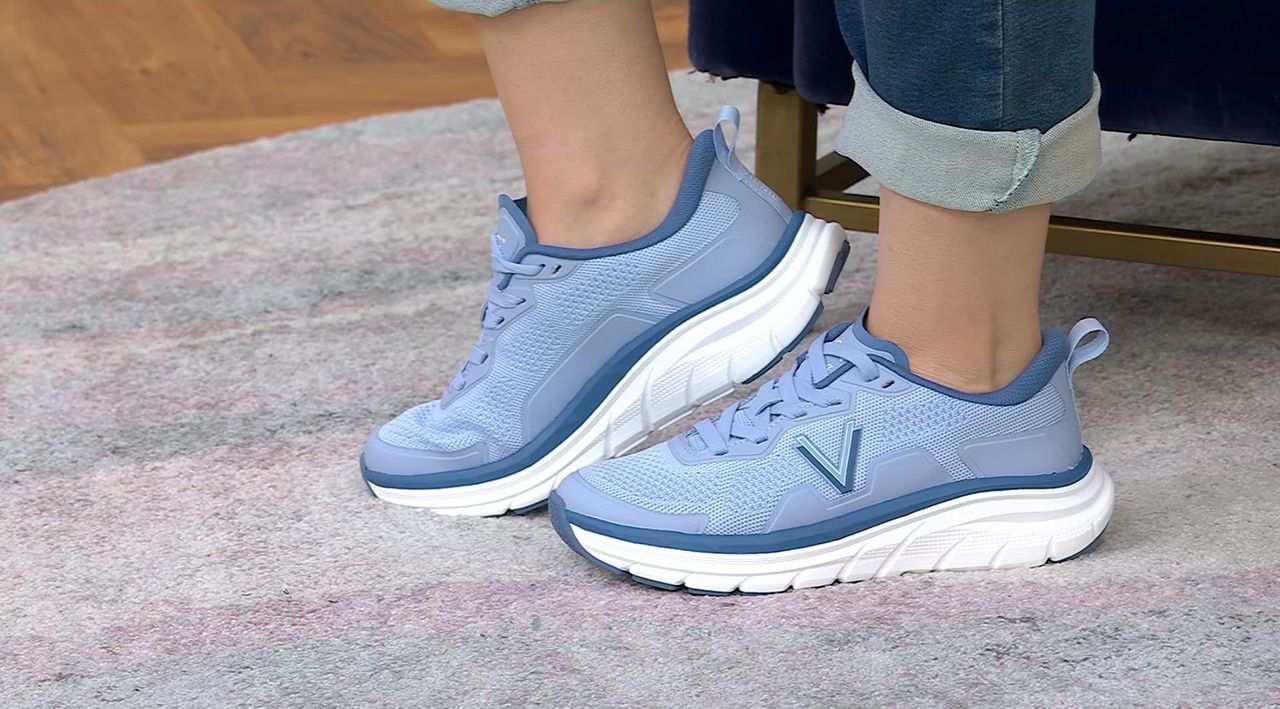
Craftsmanship and Care: The Details That Endure
Quality is felt in the details. A shoe that promises to be a long-term companion must be built with integrity. This involves selecting premium, flexible yet supportive uppers, durable outsoles with optimal traction, and ensuring every stitch contributes to the structure. The orthotic footbed, the heart of the vionic walking shoe, is typically made from a high-density foam that retains its shape and support properties over hundreds of miles. Caring for these shoes extends their life and performance. Simple practices, like allowing them to air dry naturally after exposure to moisture and using a gentle cleaner for the uppers, preserve the materials and the embedded technology. This emphasis on craftsmanship and care reflects a sustainable mindset—investing in fewer, better-made items that serve you well over time. It’s a rejection of fast fashion in favor of lasting value, where the relationship with your footwear evolves from a temporary purchase to a trusted part of your daily life.
The quest for the perfect walking shoe ends not with a discovery of mere footwear, but with an adoption of a new philosophy for movement. It is the understanding that true comfort is active and supportive, not passive and cushioning alone, and that authentic style is inclusive of well-being. By choosing a shoe built on the pillars of biomechanical science, enduring craftsmanship, and thoughtful design, you are casting a vote for a life unhindered by preventable discomfort. You are choosing to step forward, not just in any direction, but on a path defined by confidence, vitality, and the sheer joy of motion. The world is best explored on happy, healthy feet, and now, you have the key to unlock that journey with every step you take.

