

The Best Tennis Shoes for Everyday Walking Comfort
When we talk about footwear for daily ambulation, the conversation often veers toward specialized walking shoes or running sneakers. However, a compelling case can be made for the humble tennis shoes for walking. Originally engineered for the lateral cuts, quick sprints, and stability demands of a tennis court, these shoes possess architectural features that translate remarkably well to the biomechanics of walking. This isn’t merely anecdotal; it’s a conclusion drawn from biomechanical research, material science advancements, and the lived experiences of countless individuals who have traded their conventional walking shoes for a pair designed for the court. The fusion of cushioning, support, and durability found in quality tennis shoes offers a unique proposition for the everyday walker seeking comfort that lasts from morning errands to evening strolls.
The Biomechanical Bridge: Why Tennis Shoes Work for Walking
To understand the suitability of tennis shoes for walking, one must first dissect the fundamental movements each activity requires. Walking is a heel-to-toe, sagittal plane motion with a relatively low impact force. Tennis, conversely, involves multi-directional movement—forward, backward, and, crucially, side-to-side (lateral motion). This demands a shoe with exceptional medial-lateral stability to prevent ankle rolls. Dr. Casey Kerrigan, a renowned biomechanist and former professor at Harvard Medical School, has extensively studied gait and footwear. Her research often highlights how shoes that promote natural motion can reduce joint loads. A well-designed tennis shoe incorporates a wider base, especially in the forefoot, and substantial heel counters. These features, intended to handle aggressive lateral pushes on the court, provide a supremely stable platform for the more predictable, linear gait of walking. This inherent stability is a preventive measure against overpronation or supination during a walk, common culprits of foot fatigue and long-term discomfort. Therefore, the very design philosophy that protects a tennis player’s ankles offers the walker a foundation of confidence with every step.
Deconstructing Comfort: Cushioning, Breathability, and Durability
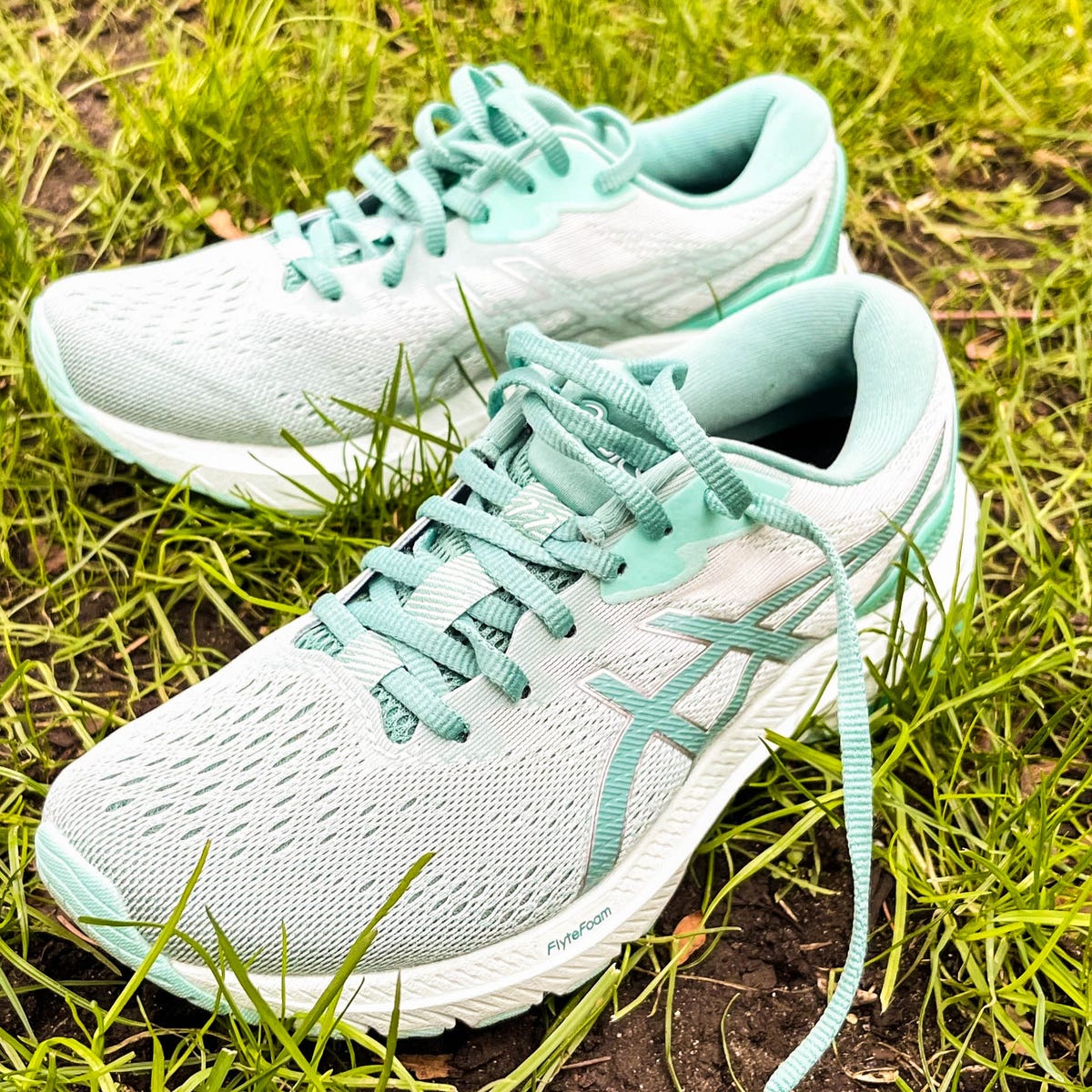
Comfort in footwear is a multi-sensory experience, built upon pillars of cushioning, climate control (breathability), and longevity. Tennis shoes excel in these areas due to their performance-oriented heritage. The cushioning systems in models from brands like Asics (Gel technology) or Nike (Air or React foam) are engineered to absorb the high-impact shocks of jumping and sprinting. For a walker, this translates to a plush, protective feel that mitigates the repetitive stress of heel strikes on hard pavement. Breathability is another critical factor. Tennis is a high-intensity sport; shoes are thus constructed with mesh uppers and ventilation channels to manage moisture and heat. As noted in material science reviews on platforms like Baidu Baike, advanced engineered meshes provide optimal airflow, keeping feet dry and comfortable during prolonged wear, a clear advantage for everyday use. Lastly, durability is non-negotiable. The outsole of a tennis shoe is made of high-abrasion rubber, often with a herringbone or modified tread pattern designed to grip court surfaces. This robust construction means that a pair of tennis shoes for walking will withstand months, if not years, of daily sidewalk mileage before showing significant wear, offering exceptional value over time.
:max_bytes(150000):strip_icc()/vwt-walking-shoes-test-ryka-devotion-x-sahara-borja-02-18807b688fbb49e4ba30a3ee438600cb.jpeg)
Arch Support and Fit: The Orthopedic Perspective
A common concern when selecting any shoe is the level of arch support. Improper support can lead to a cascade of issues, from plantar fasciitis to knee and back pain. Many premium tennis shoes are designed with removable sock liners, allowing for customization with orthotic inserts—a feature highly recommended by podiatrists. Furthermore, brands like New Balance, which have deep roots in both performance sports and orthopedic footwear, often design their tennis lines with varying width options and structured midsoles. This focus on anatomical fit ensures that the foot is held securely without constriction, reducing slippage and friction that can cause blisters. The importance of a secure, supportive fit is echoed by celebrity fitness trainers on platforms like YouTube. For instance, trainer Jillian Michaels frequently emphasizes that “the right shoe is the foundation of any movement practice,” underscoring that investment in proper footwear is preventative healthcare. Therefore, the thoughtful construction of a tennis shoe directly addresses the orthopedic needs of the serious walker.
Selecting Your Pair: A Practical Guide
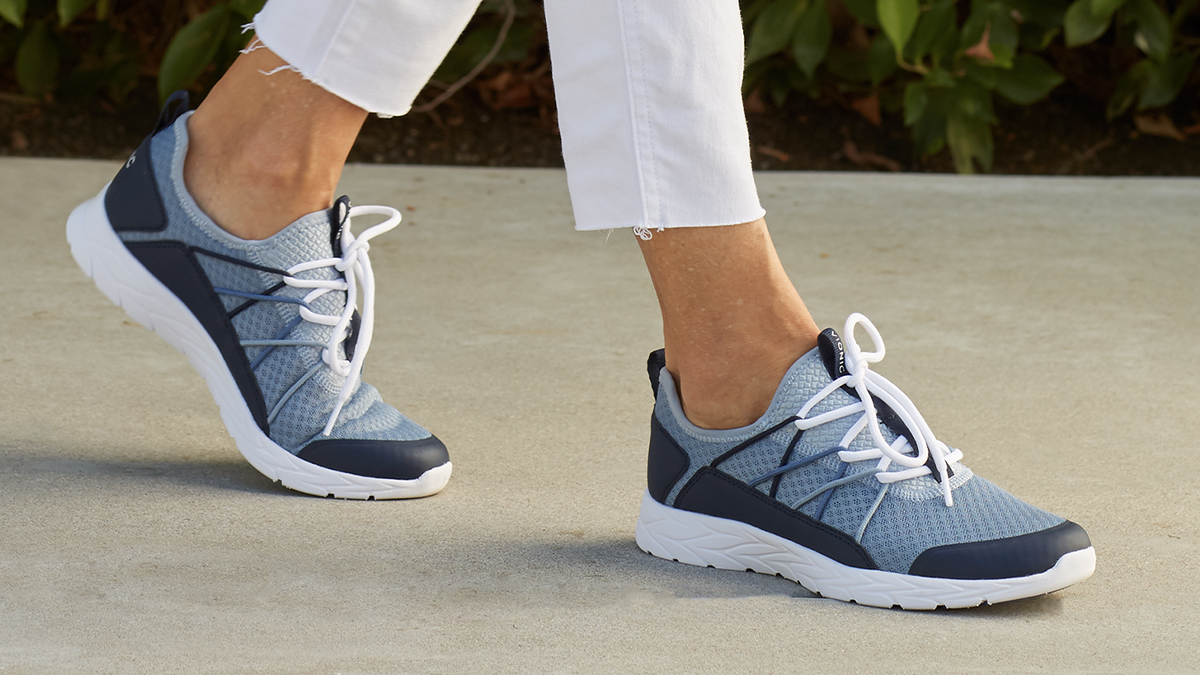
Not all tennis shoes are created equal for walking purposes. Your selection should be intentional. First, prioritize models known for comfort and stability over those designed for minimalist speed. Look for features like a reinforced toe cap (for durability), a well-padded collar and tongue, and a tread pattern suitable for asphalt or concrete rather than clay courts. Second, consider the weight. While tennis shoes are generally sturdy, some modern models use lightweight composites that offer support without feeling cumbersome. Third, and most importantly, fit is paramount. Always try shoes on in the afternoon when your feet are slightly swollen, wear the socks you intend to walk in, and ensure about a thumbnail’s space between your longest toe and the end of the shoe. Remember, the goal is to find a tennis shoes for walking that feels like an extension of your foot—secure, responsive, and comfortable from the first step.
Beyond the Hype: Value and Investment
In an era of fast fashion and disposable goods, a quality pair of tennis shoes represents a wise investment in your daily well-being. While the initial price point for performance models from Asics, Nike, Adidas, or Brooks may range from $80 to $150, the cost-per-wear over their extended lifespan is remarkably low. To bring professional knowledge and discounted prices to users, it’s worth noting that major retailers often have sales at the end of seasonal lines, and outlet stores or certified online vendors offer previous models at significant discounts without compromising on core technology. The value proposition is clear: you are purchasing engineered comfort, podiatric support, and durable construction. As the ancient philosopher Lao Tzu might have said if he were a modern podiatrist, “A journey of a thousand miles begins with a single step, and that step is far better in a well-supported shoe.” Choosing a dedicated tennis shoes for walking is an act of self-care, ensuring that each of those thousands of steps is protected and pleasurable.

The Verdict on Versatility
The evidence from biomechanics, material science, and practical ergonomics converges on a simple truth: a high-quality tennis shoe is not a compromised choice for walking; it is an exceptionally capable one. Its DNA, forged in the fires of athletic performance, gifts it with stability, cushioning, and durability that often surpass that of generic walking shoes. For the individual seeking one pair of shoes to confidently navigate the varied terrain of daily life—from city streets to park paths—the modern tennis shoes for walking stands as a versatile, comfortable, and intelligent solution. It’s a testament to how functional design born in one arena can find profound and perfect utility in another, proving that the best tool for the job is sometimes the one bred for a different, but equally demanding, challenge.
