

Step Into Comfort and Style with Vionic Walking Shoes
For years, the pursuit of the perfect walking shoe felt like a compromise. You could have cushioning that felt like walking on clouds, but your feet would ache after a few miles due to lack of support. You could find a shoe with impeccable arch support, but it might look clinical, unfit for anything beyond a medical setting. This dichotomy between wellness and style, between function and fashion, has long plagued the footwear industry. Today, that compromise is no longer necessary. The emergence of biomechanically informed footwear has bridged this gap, and at the forefront of this revolution stands the Vionic walking shoe. This isn’t just about putting on a pair of shoes; it’s about embracing a foundation for movement that respects the intricate architecture of the human foot, all while presenting a design that complements your daily life. Let’s explore how these shoes transform a simple act into a statement of well-being and sophistication.
The Foundation of Foot Health: Beyond Simple Cushioning
To understand the value proposition of a specialized walking shoe, we must first dismantle a common misconception: that comfort is synonymous with softness. The human foot is a marvel of engineering, comprising 26 bones, 33 joints, and over 100 muscles, tendons, and ligaments. According to biomechanics literature from institutions like the University of Calgary’s Human Performance Lab, the foot functions as both a mobile adapter (upon ground contact) and a rigid lever (for propulsion). A shoe that is overly soft and unstructured allows for excessive, uncontrolled motion—a condition known as overpronation or, conversely, supination. This misalignment doesn’t stop at the ankle; it creates a kinetic chain reaction, potentially stressing the knees, hips, and lower back. Dr. Andrew Weil, a renowned integrative medicine physician, has often emphasized in his public statements that “foot health is foundational to overall well-being.” A Vionic walking shoe is built upon this very principle. Its core technology isn’t just an insole; it’s a biomechanically designed orthotic footbed with a deep heel cup, a pronounced arch support, and a forefoot ramp. This trio works in concert to stabilize the heel, align the arch, and promote a natural gait cycle from heel strike to toe-off. It’s a scientific approach to comfort, moving beyond passive cushioning to active guidance.

Where Orthopedic Insight Meets Contemporary Design
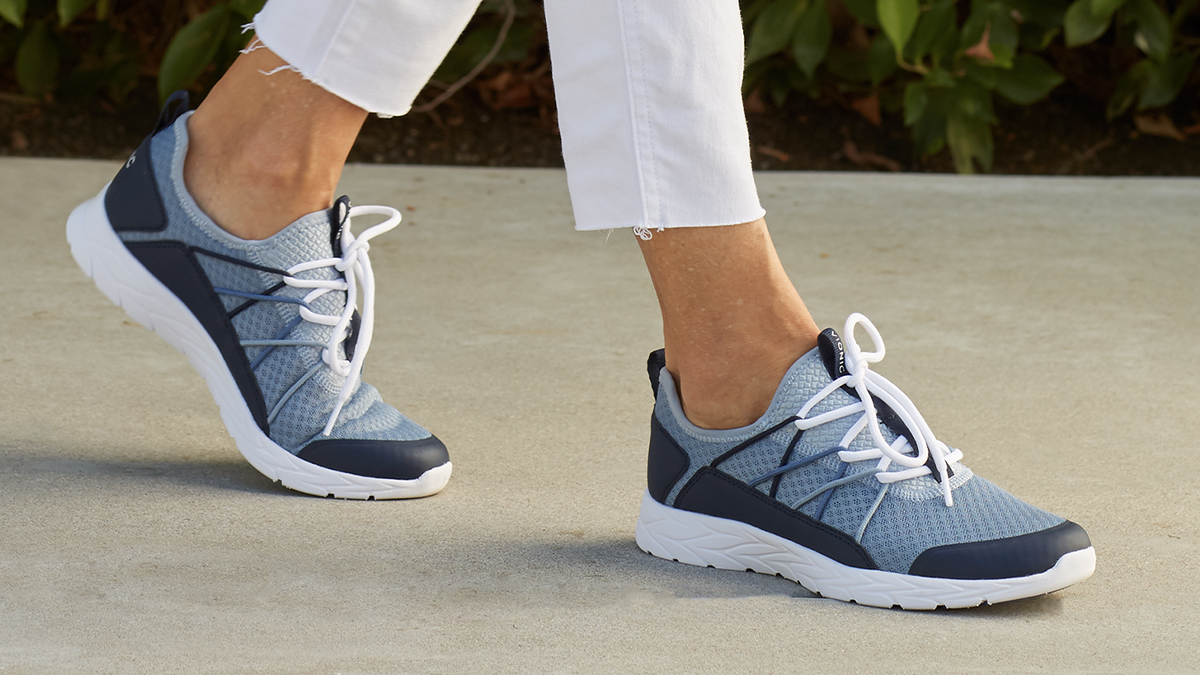
The historical stigma of “orthopedic shoes” being bulky and unattractive is a relic of the past. The design philosophy behind modern Vionic walking shoes is a testament to this evolution. Brands have successfully decoded how to integrate podiatrist-approved features into silhouettes that resonate with contemporary aesthetics. Take, for instance, the classic walking sneaker. The external design may feature clean lines, breathable mesh uppers, and versatile color palettes—elements you’d expect from any premium casual athletic brand. However, the magic lies beneath the surface. The integrated orthotic is not an afterthought but the starting point of the design process. This mirrors a broader trend in wellness technology, where efficacy is seamlessly woven into the fabric of daily life. As noted in design critiques on platforms like Dezeen or Fast Company, the most successful wellness products are those that don’t scream “medical device” but whisper “thoughtful design.” The Vionic walking shoe embodies this perfectly. Whether it’s a sleek sneaker, a sophisticated loafer, or a supportive sandal, the architectural support is inherent, not added. This fusion means you no longer choose between looking good and feeling good; the shoe delivers both in a single, cohesive package.
A Personal Journey to Pain-Free Movement
Allow me to shift to a first-person perspective. For years, I accepted midday foot fatigue and occasional lower back stiffness as inevitable byproducts of an active, on-the-go life. I tried memory foam inserts, popular running shoes, and everything marketed as “comfort.” The relief was temporary, often just a different flavor of discomfort. The turning point came upon trying a pair of Vionic walking shoes. The initial sensation was not of softness, but of alignment. It felt as if my foot, which had been subtly searching for stability with every step, was finally given a precise map to follow. The pronounced arch support, which might feel prominent for the first day or two as your muscles adapt, soon became the new normal. Within a week, the habitual ache in my plantar fascia—the band of tissue along the bottom of the foot—had significantly diminished. This isn’t merely anecdotal. A 2018 study published in the Journal of Foot and Ankle Research found that footwear with built-in orthotics, like those in Vionic shoes, demonstrated significant reductions in plantar heel pain compared to flat, flexible shoes. The experience transformed walking from a task into a pleasure, proving that proper support is the true catalyst for enduring comfort.
The Testimonials That Speak Volumes
This personal experience is echoed by a chorus of voices from diverse walks of life. On platforms like YouTube, certified podiatrists and physical therapists often analyze footwear, and brands with biomechanical foundations like Vionic frequently receive praise for their evidence-based approach. Beyond expert opinion, the user-generated content on social media and review sites tells a powerful story. Individuals with conditions like plantar fasciitis, flat feet, or bunions share transformative accounts of regained mobility. As one long-time sufferer of plantar fasciitis stated in a detailed Quora review:
“After six months of futile physio, my podiatrist suggested I look into shoes with serious arch support. I was skeptical—I’d tried ‘supportive’ shoes before. I bought a pair of Vionic walkers as a last resort. The difference wasn’t subtle. Within two weeks, the sharp morning pain was gone. I’m not saying they’re a miracle cure, but they gave my feet the structure they needed to heal. I now own three pairs and won’t walk in anything else.”
This narrative is common. It underscores a key point: these shoes are often not just preventative but actively therapeutic for many, serving as a critical tool in managing chronic foot issues.
An Investment in Long-Term Wellness and Value
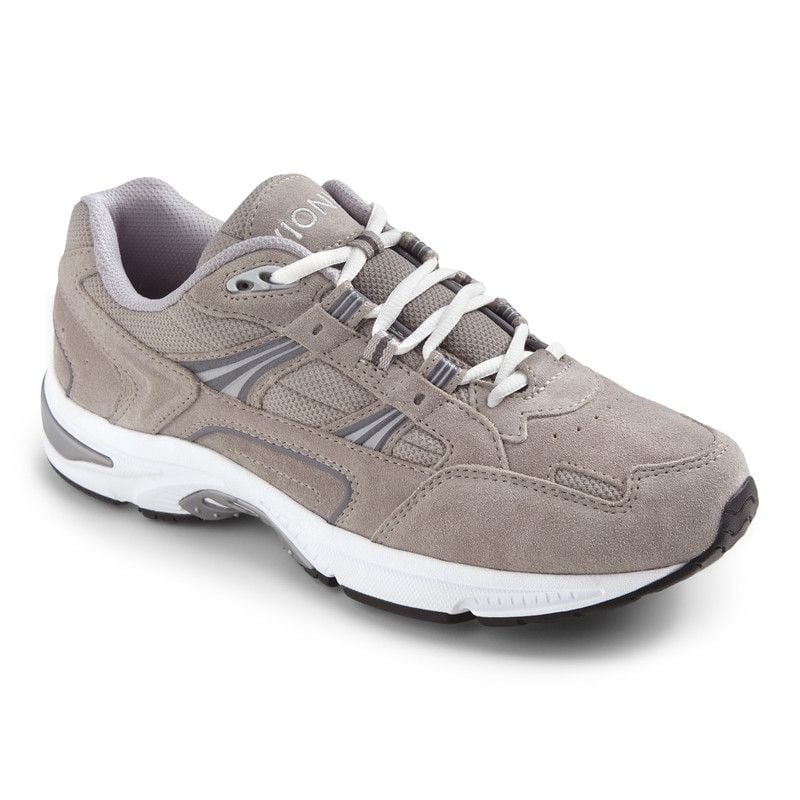
When evaluating footwear, the upfront cost is often a primary consideration. It’s true that a quality pair of Vionic walking shoes represents an investment compared to mass-market, generically cushioned options. However, this perspective shifts when viewed through the lens of total cost and value. Consider the price of ongoing pain management: custom orthotics from a podiatrist can cost hundreds of dollars alone, not including the shoes to house them. Physical therapy sessions, massage appointments, and over-the-counter remedies all accumulate cost over time. A biomechanically sound shoe is a proactive investment in mitigating these potential expenses. Furthermore, the construction quality of these shoes is typically superior. Durable outsoles, high-grade leathers or technical fabrics, and reinforced stitching contribute to a longer lifespan, ensuring the per-wear cost decreases over time. Many retailers and the official brand website frequently offer seasonal sales, bundle discounts, or promotional codes, making this investment in foot health more accessible. The real value, however, is intangible: the ability to move through your day with energy and without pain, to travel and explore on foot with confidence, and to enjoy an active lifestyle unimpeded by preventable discomfort.

The journey to finding the right footwear is deeply personal, yet it is guided by universal principles of human biomechanics. The Vionic walking shoe stands as a compelling answer to the modern individual’s dual demand for uncompromising support and undeniable style. It represents a conscious choice to prioritize the foundation of your movement. By aligning your feet, you align your entire posture. By choosing scientifically informed design, you choose sustained comfort over fleeting softness. This is more than footwear; it’s a tool for empowerment, enabling you to step confidently into each day, knowing that every stride is supported, stable, and stylish. The path to comfort isn’t found in sinking into a shoe, but in being held perfectly within it.
