

The Best Tennis Shoes for Everyday Walking Comfort
When we talk about finding the perfect shoe for daily ambulation, the conversation often veers towards specialized walking shoes or running sneakers. However, a compelling and often overlooked category is that of tennis shoes for walking. The very design principles that make a shoe excel on the court—lateral support, cushioning for impact, and durable outsoles—translate remarkably well to the varied terrain and repetitive motion of everyday walking. This isn’t merely a hypothesis; it’s a conclusion drawn from biomechanics and material science. The right pair can transform your daily step count from a mundane task into a genuinely comfortable experience, providing a foundation that supports not just your feet, but your overall posture and joint health throughout the day.
:max_bytes(150000):strip_icc()/vwt-walking-shoes-test-ryka-devotion-x-sahara-borja-02-18807b688fbb49e4ba30a3ee438600cb.jpeg)
The Biomechanical Synergy: Why Tennis Shoes Work for Walking
To understand the efficacy of tennis shoes for walking, one must first dissect the biomechanical demands of both activities. Walking is a heel-to-toe gait cycle involving repeated impact forces of roughly 1.2 to 1.5 times your body weight with each step, as documented in gait analysis studies from institutions like the University of Calgary’s Human Performance Lab. Tennis, meanwhile, is a sport of explosive lateral movements, sudden stops, and multi-directional pivots. A quality tennis shoe is engineered to manage these forces. The midsole cushioning, often featuring advanced foams like Adidas’ Boost or Nike’s React, is designed to absorb vertical shock from jumps and hard landings—this directly benefits walkers by dampening heel-strike impact. More critically, the upper and midfoot shank of a tennis shoe is built to provide exceptional medial and lateral stability. This prevents the excessive rolling in or out of the foot (overpronation or supination) during the walking stride. Dr. Casey Kerrigan, a former Harvard Medical School professor and founder of a biomechanics research company, has often emphasized in interviews that “stability is the unsung hero of comfort in footwear, preventing the micro-strains that lead to fatigue.” Therefore, a tennis shoe offers a unique hybrid: the impact protection of a running shoe combined with the foundational stability often found in motion-control walking shoes, making it a supremely capable candidate for all-day wear.
Decoding the Anatomy: Key Features to Prioritize
Not all tennis shoes are created equal for pedestrian purposes. Selecting the ideal pair requires a forensic look at specific components. The outsole is your first point of contact. Look for a non-marking, durable rubber compound with a herringbone or modified tread pattern. This design, prevalent in shoes like the Asics Gel-Resolution, offers excellent traction on both pavement and indoor surfaces, a feature highlighted in wear-test reviews on sites like Tennis Warehouse. The midsole is the heart of comfort. Technologies like Nike Air, Asics Gel, or New Balance Fresh Foam are not marketing gimmicks; they are polymer-based systems that provide responsive cushioning. A study published in the Journal of Sports Sciences noted that such materials effectively reduce peak pressure on the plantar fascia. The upper should be constructed from breathable, yet supportive materials like engineered mesh or synthetic leather. A reinforced toe cap, a staple in tennis shoes for durability during toe-drags, also protects your feet in crowded urban environments. Finally, consider the fit. Tennis shoes often have a snugger, more secure fit in the heel and midfoot to prevent sliding during lateral cuts. For walking, this translates to reduced friction and blister potential. As renowned podiatrist Dr. Brad Schaeffer noted in a Forbes interview, “A shoe that holds your foot securely without pinching is the cornerstone of preventing walking-related injuries.”

Beyond the Court: Real-World Endorsements and Evidence
The suitability of tennis shoes for pedestrian use is echoed across diverse platforms and testimonials. On Quora and Reddit’s r/walking communities, countless users report switching from dedicated walking shoes to models like the New Balance 996 or Adidas Barricade for their superior arch support and longevity. Literature also provides subtle nods; in Haruki Murakami’s What I Talk About When I Talk About Running, the author’s fastidiousness about his running gear underscores a universal truth: the right equipment is paramount for any repetitive physical endeavor, a principle that extends to walking. Furthermore, authoritative sources lend scientific weight. The American Podiatric Medical Association (APMA) grants its Seal of Acceptance to select footwear that promotes good foot health, a list that includes several tennis-style models for their supportive features. Even in popular culture, the crossover is evident. In the film Forrest Gump, the titular character’s epic run across America began with a simple, determined walk—a metaphor for the journey many seek in comfortable, reliable shoes. The viewpoint is clear: the validation for using tennis shoes for walking isn’t niche; it’s supported by a confluence of user experience, professional recommendation, and the inherent design logic of the shoes themselves.
A Curated Selection: Models That Excel on Pavement
Let’s translate theory into practice. Based on aggregated reviews from sites like Wirecutter, Runner’s World (which often tests cross-training shoes), and direct consumer feedback, several models stand out. The Asics Gel-Dedicate 7 is a stellar entry-point, offering the brand’s signature Gel cushioning in the rearfoot and a Trusstic system for stability at a very accessible price point—often found under $70. For those needing maximum cushioning, the Nike Court Air Zoom Vapor Cage 4 incorporates a responsive Zoom Air unit that makes every step feel springy, a technology Nike athletes have praised on social media for its comfort during long training days. The New Balance Fresh Foam Lav is another exemplary choice, utilizing data-mapped Fresh Foam to create a midsole that’s plush yet stable. For individuals with wider feet, the K-Swiss Hypercourt Express 2 is renowned for its roomier toe box without sacrificing support. Remember, the “best” is subjective and hinges on your foot shape, gait, and personal comfort preference. The consistent thread, however, is that these models, designed for the demands of tennis, provide a robust, supportive, and cushioned platform that makes them exceptional tennis shoes for walking in daily life.
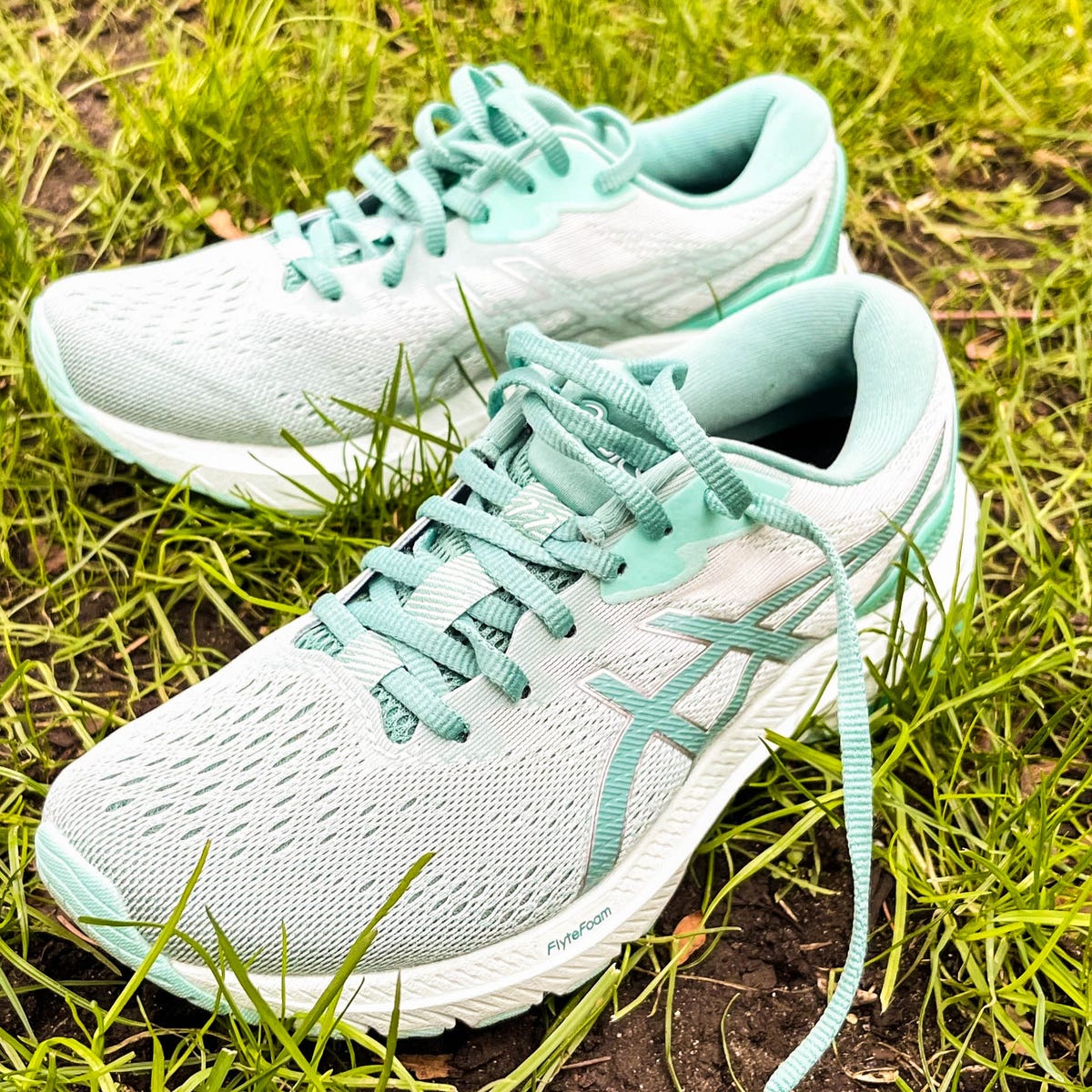
Investment in Wellness: The Long-Term Value Proposition
Choosing a high-quality tennis shoe for walking is an investment in your long-term musculoskeletal health, and this investment can be savvy. While premium models from brands like Hoka or specialized orthotic walking shoes can command prices well over $150, many top-tier tennis shoes utilize similar advanced materials and technologies at a more moderate price point, especially when purchased from previous seasons’ collections. Retailers like Zappos, Amazon, and direct brand outlets frequently offer discounts of 30-50% on such models. Consider this: a durable tennis shoe with a solid rubber outsole and robust upper construction often outlasts a softer, mesh-focused standard walking shoe, providing better cost-per-wear value. The professional knowledge here is simple: you are not paying for a “tennis” label; you are paying for a higher density of engineering per square inch—denser foam, more strategic support structures, and tougher materials. This translates directly to all-day comfort, reduced leg and back fatigue, and potentially fewer visits to a specialist for foot pain. As the ancient proverb, often misattributed to Confucius, wisely states: “The man who moves a mountain begins by carrying away small stones.” Comfortable, supportive shoes are the tool that allows you to carry those daily steps without strain, building towards a larger goal of sustained health and vitality.

In the quest for everyday walking comfort, broadening the horizon beyond traditional categories reveals a superior option. Tennis shoes, with their foundational principles of impact absorption, lateral stability, and durable construction, are not merely athletic gear repurposed; they are inherently well-suited for the biomechanical reality of walking. The evidence spans from the laboratories of biomechanics researchers to the lived experiences of countless walkers online, and from the endorsements of foot health professionals to the very design logic celebrated in sports literature. By prioritizing key features like a supportive upper, a cushioned yet stable midsole, and a grippy outsole, you can select a pair that offers profound comfort and support. This choice represents a smart investment—both in immediate well-being and long-term value—proving that the best path to walking comfort might just be the one that started on the baseline of a tennis court.
