

Step Into Comfort and Style with Vionic Walking Shoes
For years, the pursuit of the perfect walking shoe felt like a compromise. It was a choice between clinical-looking orthopedic support and sleek designs that left my feet aching after a few city blocks. That was until I discovered a category of footwear that promised—and delivered—a synthesis of biomechanical science and contemporary aesthetics. The journey led me directly to the doorstep of Vionic walking shoes. This isn’t merely about buying a pair of shoes; it’s about understanding a philosophy of foot health that aligns with how our bodies are designed to move. The evidence supporting this approach isn’t marketing fluff; it’s rooted in podiatric science, biomechanical research, and the lived experiences of millions who have shifted from enduring their walks to genuinely enjoying them. Let’s explore why these shoes represent a fundamental shift.
The Foundation: Why Foot Biomechanics Matter
To appreciate what sets a Vionic walking shoe apart, we must first delve into the complex architecture of the human foot. According to the American Podiatric Medical Association, the foot is a mechanical structure containing 26 bones, 33 joints, and more than 100 muscles, tendons, and ligaments. Its primary functions are shock absorption, balance, and propulsion. However, modern lifestyles—characterized by hard, flat surfaces and often inadequate footwear—can disrupt this natural function, leading to a cascade of issues from plantar fasciitis to knee and back pain. The core principle behind Vionic’s design is orthotic technology. Unlike generic arch support, their biomechanical footbeds are engineered with a deep heel cup, superior arch support, and a forefoot rocker. This triad works in concert to promote natural alignment from the ground up. A study published in the Journal of Foot and Ankle Research often cites the efficacy of contoured foot orthoses in reducing pain and improving function in individuals with plantar heel pain. Vionic essentially builds this podiatrist-approved foundation directly into every pair, offering a proactive approach to foot health rather than a reactive one.

Beyond the Clinic: Style as a Non-Negotiable
Historically, “comfort shoes” carried a certain stigma—often bulky, visually unappealing, and clearly designed with only function in mind. This created a psychological barrier for many, myself included. We want to feel good and look good. Vionic’s pivotal achievement is dismantling this barrier. By collaborating with trend analysts and designers, they have successfully translated their patented technology into collections that wouldn’t look out of place in a fashion magazine. From sleek sneakers and elegant loafers to versatile sandals, the aesthetic is modern, clean, and intentionally crafted. This addresses a critical point made by psychologists and fashion theorists alike: what we wear impacts how we feel and carry ourselves. When you no longer have to choose between supporting your body’s mechanics and your personal style, the act of getting dressed becomes an act of holistic self-care. The Vionic walking shoe is, therefore, not a medical device you reluctantly wear; it’s a stylish accessory you actively choose, with the profound benefit of built-in wellness.
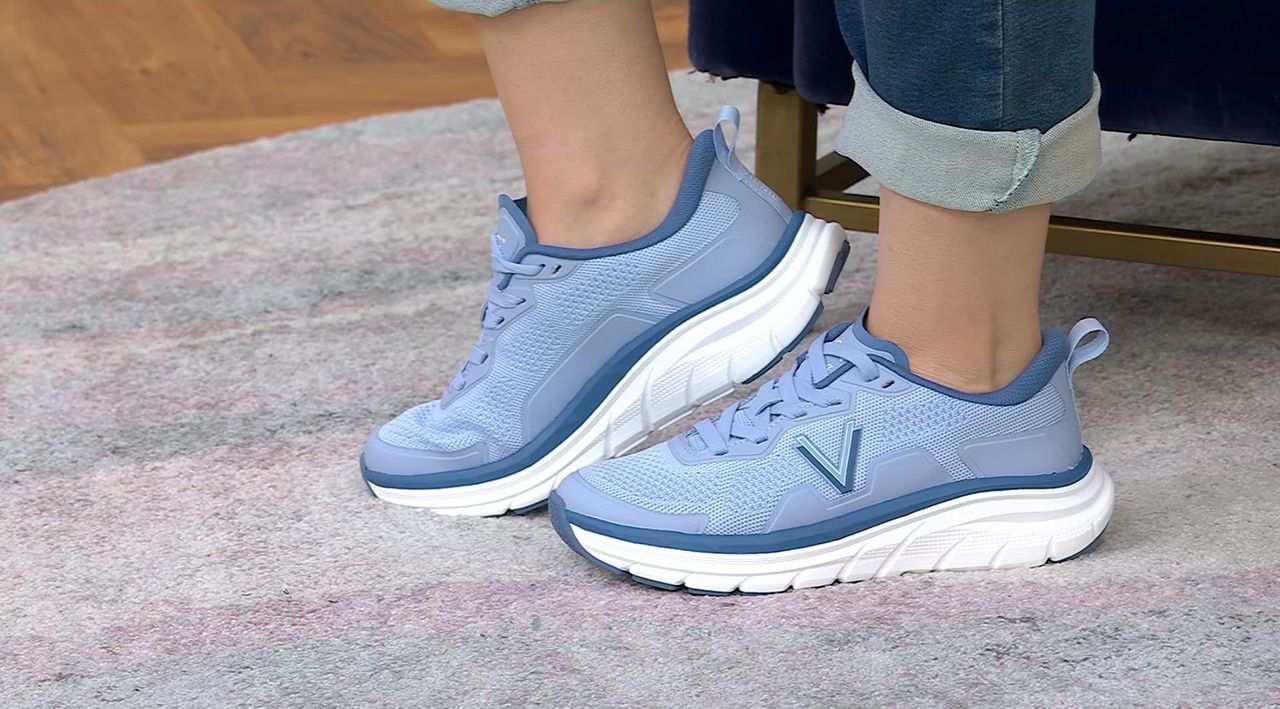
Deconstructing the Technology: The Vionic Difference
The magic of Vionic lies in the specifics of its construction. It’s a multi-layered approach to comfort that begins the moment your foot meets the insole.
1. The Podiatrist-Designed Orthotic Footbed
This is the heart of the shoe. The footbed is engineered to maintain the foot in its natural, neutral position. The deep heel cup stabilizes the rearfoot, minimizing excessive pronation (inward rolling) or supination (outward rolling). The robust arch support prevents the plantar fascia ligament from overstretching with each step, a primary cause of morning heel pain. This isn’t a generic bump; it’s a precisely calibrated support system based on common foot scans and podiatric input. As noted on platforms like Quora and professional podiatry blogs, consistent wear of shoes with proper arch support can fundamentally alter gait patterns for the better, reducing strain not just on the feet, but on ankles, knees, and hips.
2. Strategic Cushioning and Flexibility
While support is crucial, a shoe must also absorb impact. Vionic utilizes premium materials like EVA midsoles and durable rubber outsoles that provide responsive cushioning. However, the cushioning is strategically placed—it doesn’t create an unstable, marshmallow-like feel. The flexibility is also engineered, often featuring a forefoot rocker. This design promotes a smooth heel-to-toe transition, reducing the effort required from your calf muscles and Achilles tendon with each step. It mimics the natural rolling motion of an efficient walk, a concept frequently discussed in biomechanics literature from institutions like the University of Virginia’s Motion Analysis Lab.
3. Quality Materials and Thoughtful Construction
From breathable mesh uppers that prevent overheating to premium leathers that mold to the foot, the material choices are intentional. Seam placements are designed to minimize friction and potential irritation. The overall durability means this isn’t a short-term purchase but a long-term investment in your mobility. When you examine a Vionic walking shoe, the quality is apparent—it speaks to a product built to last through countless miles, not just a few seasons.

The Real-World Verdict: Voices from the Community
Scientific explanations are compelling, but lived experience is convincing. The reputation of Vionic walking shoes is bolstered by a vast community of advocates. On platforms like YouTube, certified fitness trainers and wellness influencers, such as Dr. Jordan Metzl, a sports medicine physician, have highlighted the importance of supportive footwear for active living, often pointing to brands with built-in orthotics as a smart choice. On dedicated review sites and forums, narratives are consistent: people who suffered from chronic foot pain report significant relief. One recurring story is from long-time sufferers of plantar fasciitis who, after consistent wear, found they could start their day without that characteristic stabbing heel pain. Others, like nurses and teachers who are on their feet for 12-hour shifts, praise the endurance the shoes provide. As one reviewer eloquently put it on a major retail site:
“I bought these as a last resort before considering expensive custom orthotics. Within a week, the pain that had plagued me for months was 80% gone. They don’t look like ‘medical shoes,’ so I wear them with everything. It’s been life-changing.”
This convergence of professional endorsement and widespread user satisfaction forms a powerful testament to the product’s efficacy.
An Investment in Your Mobility: Cost Versus Value
Let’s address the obvious: a quality pair of Vionic walking shoes represents a higher initial investment than a generic department store sneaker. However, this is a classic case where price must be evaluated against value. Consider the alternative: the cost of repeated purchases of cheap shoes that break down and offer no support, coupled with potential expenses for over-the-counter inserts, physical therapy, or custom orthotics. Vionic’s technology is integrated and designed to last. Furthermore, the brand frequently offers professional discounts for nurses, teachers, and other service professionals, acknowledging the demands of their roles. Seasonal sales and promotions on their official website and authorized retailers make this technology more accessible. When you frame it as an investment in pain-free movement, long-term joint health, and daily comfort, the value proposition becomes clear. You are not just buying a shoe; you are funding your own sustained vitality.

The search for footwear that truly supports an active, stylish life often ends in compromise. What Vionic has achieved is a legitimate unification of two worlds once thought incompatible: rigorous podiatric science and discerning design. The evidence—from biomechanical research to the relieved sighs of countless wearers—is too substantial to ignore. These shoes ask you to reconsider what you expect from your footwear. They challenge the notion that discomfort is a normal part of being on your feet. Stepping into a pair is more than a purchase; it’s a decision to align your daily stride with the elegant engineering of the human body. The path to comfort, it turns out, can also be incredibly stylish.
