

The Walking Shoe: Your Secret to Effortless Style and All-Day Comfort
Imagine a single pair of shoes that carries you from the morning commute to an evening stroll, not just without complaint, but with unwavering support and a quiet confidence that complements any outfit. This isn’t a fantasy of footwear; it’s the tangible reality offered by the modern walking shoe. For too long, we’ve accepted a false dichotomy: style or comfort, but never both. We’ve endured pinched toes for the sake of elegance and ached feet in the name of fashion. Yet, the evolution of biomechanical research and material science has converged to create a category of footwear that liberates us from this compromise. The right walking shoe is more than an accessory; it’s a foundational tool for well-being, a silent partner in a dynamic life, and yes, a legitimate style statement. This article dismantles the old myths, explores the science of support, and guides you toward finding the pair that seamlessly blends into your life, proving that true style is, fundamentally, the elegance of feeling utterly at ease.
The Anatomy of All-Day Comfort: It’s More Than Just Cushioning
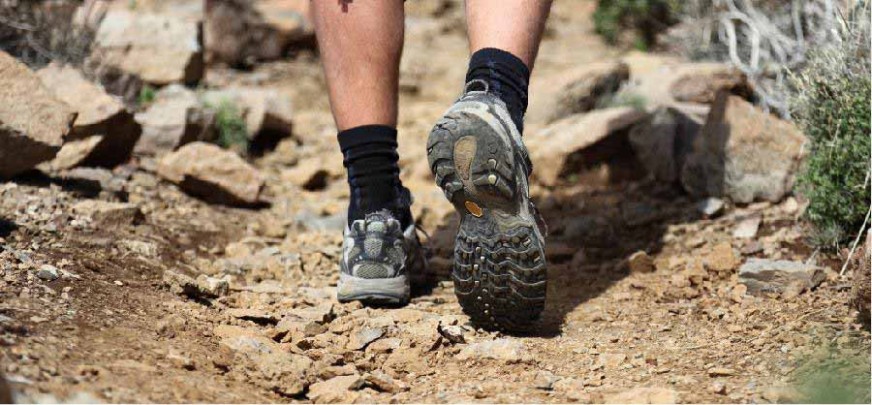
When we think of comfort in shoes, the immediate mental image is often a plush, soft insole. However, true all-day comfort, the kind that leaves your feet, knees, and back feeling aligned after miles of pavement, is a complex engineering feat. It begins with understanding the gait cycle—the sequence of events from when your heel strikes the ground to when your toes push off. A superior walking shoe is designed to support each phase of this cycle. The heel counter, the firm cup at the back of the shoe, must be rigid enough to stabilize the foot and prevent excessive inward rolling (overpronation) or outward rolling (supination), which are primary culprits for pain. As noted by the American Podiatric Medical Association, proper motion control is critical for preventing overuse injuries. Midsole technology, often employing advanced compounds like EVA (ethylene-vinyl acetate) or polyurethane, provides not just cushioning but also energy return and structural integrity. The rocker sole, a design feature where the sole is slightly curved, promotes a natural rolling motion, reducing strain on the Achilles tendon and calf muscles. Furthermore, the toe box must allow for natural splay—the slight widening of the foot upon weight-bearing. A study published in the Journal of Foot and Ankle Research highlights that restrictive toe boxes can lead to a host of issues, from bunions to neuromas. Therefore, the comfort of a walking shoe is a symphony of components working in concert: a secure heel, a supportive arch, a responsive midsole, and a roomy forefoot.
Debunking the Style Sacrifice: When Form Meets Function
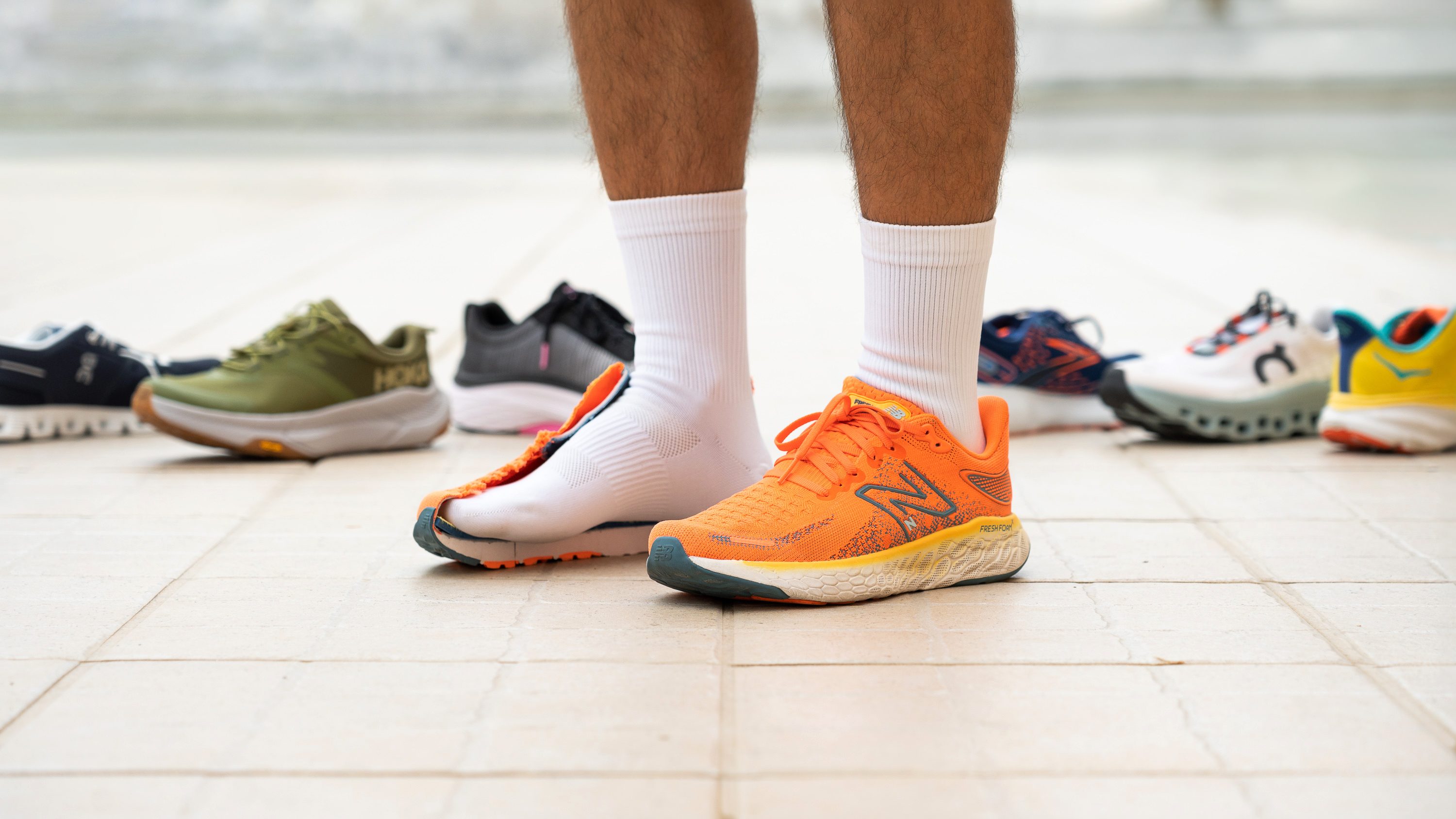
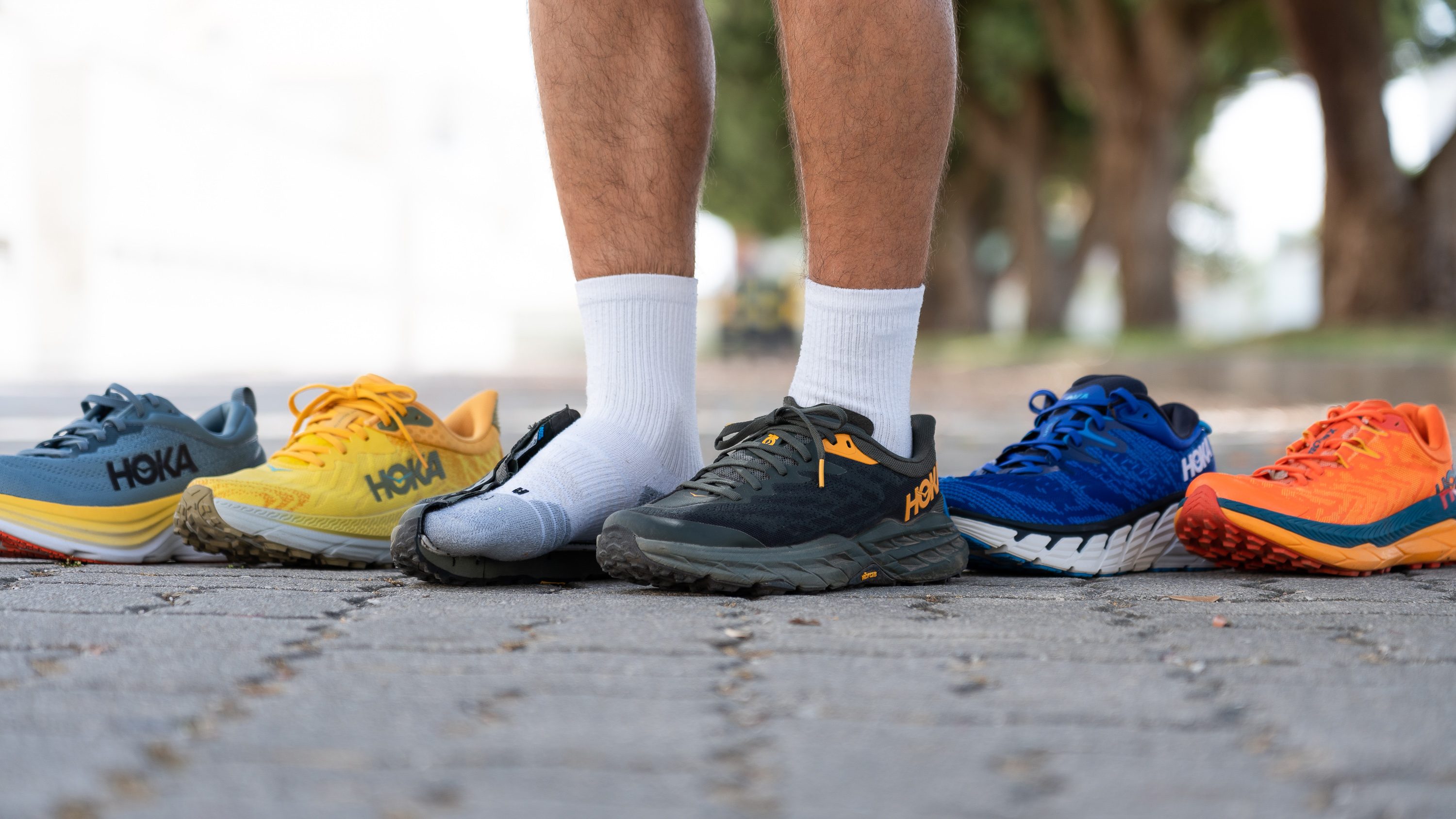
The historical stigma that comfortable shoes are inherently clunky or unattractive has been decisively shattered by contemporary design. Leading athletic and footwear brands have invested heavily in ensuring their performance technologies are housed in sleek, versatile silhouettes. The minimalist “dad shoe” trend, popularized by brands like Hoka and New Balance, embraced maximal cushioning in a retro-modern package, making thick soles a fashion statement. Conversely, brands like Cole Haan and Allbirds have pioneered the integration of running shoe technology into polished leather sneakers and wool-based casuals. The aesthetic shift is rooted in a broader cultural movement towards wellness and practicality, a sentiment echoed by fashion influencers and industry insiders alike. As designer and style commentator Tan France has often stated, “The key to personal style is wearing what makes you feel confident and capable. If you’re in pain, that shows.” The modern walking shoe comes in a spectrum of designs: from monochromatic leather sneakers that pair effortlessly with tailored trousers to textured mesh and suede combinations perfect for weekend wear. The color palettes have evolved beyond stark white to include earthy tones, muted pastels, and sophisticated greys, allowing for easier integration into a curated wardrobe. The style is no longer an afterthought; it is a primary design parameter, proving that the quest for comfort does not require a retreat from aesthetics but rather an evolution towards intelligent design.
:max_bytes(150000):strip_icc()/vwt-asics-womens-gel-pulse-16-jinfeng-chen-21-712f0f140e834b84b3a8dcf0bf154771.jpeg)
The Personal Fit: Why Your Foot’s Blueprint Matters
Purchasing a walking shoe is not a one-size-fits-all endeavor; it is a personal fitting process as crucial as buying a tailored garment. The most advanced technology is rendered ineffective if the shoe does not match your unique foot morphology and walking pattern. The first step is understanding your arch type: high, neutral, or low (flat). A simple wet foot test on a paper bag can reveal this. Those with low arches typically require shoes with more structured support and motion control to prevent overpronation, while high arches may need neutral-cushioned shoes with greater flexibility. Furthermore, consider the volume of your foot—the overall height and width. Brands often offer models in wide or narrow fittings to accommodate this. Perhaps the most critical, yet often overlooked, advice comes from the world of professional fitting. As noted by experts at Runner’s World and corroborated by countless podiatrists, you should always shop for shoes in the late afternoon or evening, as feet naturally swell throughout the day. There should be about a thumb’s width of space between your longest toe (which is not always the big toe) and the end of the shoe. The shoe should feel secure and supportive from the moment you lace up, without any “break-in” period of anticipated pain. A proper fit ensures the sophisticated engineering of the shoe works for you, not against you, transforming it from mere footwear into a personalized tool for mobility.
Material World: Innovations That Breathe and Endure
The outer shell and inner lining of a walking shoe are where cutting-edge material science directly interacts with your daily experience. Gone are the days of stiff, non-breathable leathers that cause sweat and blisters. Today’s uppers utilize engineered knits, adaptive meshes, and recycled polymers that offer a dynamic fit—stretching where needed and providing structure where required. Materials like Gore-Tex provide waterproof, breathable protection for all-weather walkers, while moisture-wicking linings and antimicrobial treatments keep the foot environment fresh. Durability is another key factor. High-abrasion rubber compounds in strategic zones of the outsole (like the heel and forefoot) dramatically extend the shoe’s lifespan. The importance of material choice is emphasized by outdoor enthusiasts and gear reviewers. As survival expert and author Cody Lundin is known for saying, “Your gear is an extension of your body. It should protect without hindering.” This philosophy applies perfectly to the walking shoe. The right materials protect your feet from the elements and the rigors of the ground, while their lightweight and flexible nature ensures they never feel like a hindrance, allowing for a natural, unencumbered stride mile after mile.
An Investment in Your Foundation: The Long-Term Value Proposition
Viewing a high-quality walking shoe as an expense is a short-sighted perspective; it is, in fact, a profound investment in your long-term physical health and daily quality of life. Consider the cumulative impact: the average person takes between 4,000 to 6,000 steps per day. Over a year, that’s over two million steps. Each step in an unsupportive shoe sends shockwaves up the kinetic chain, potentially affecting ankles, knees, hips, and even the lower back. The cost of addressing chronic pain, plantar fasciitis, or joint issues through medical intervention, physical therapy, or orthotics far outweighs the initial outlay for a properly engineered pair of shoes. Furthermore, the right shoe encourages more walking—a low-impact, accessible form of exercise linked to improved cardiovascular health, mental well-being, and longevity, as consistently reported by health authorities like the CDC. The durability of well-constructed shoes also means they last longer, providing better cost-per-wear value than cheaper, quickly deteriorating alternatives. By prioritizing your foundation, you are not just buying a product; you are funding your mobility, your comfort, and your active lifestyle for years to come. This is the ultimate value a true walking shoe delivers.
The journey to finding your perfect walking companion begins with a shift in perception. It is a move away from seeing shoes as disposable fashion items and towards recognizing them as essential biomechanical equipment. The perfect pair exists at the intersection of rigorous science, thoughtful design, and personal fit. It is the shoe you forget you’re wearing because it simply works, allowing you to move through your world with grace, energy, and confidence. When your feet are cared for, your entire being feels supported. So, step into the possibility of effortless style and unwavering comfort. Your foundation awaits.
