

The Walking Shoe: Your Secret to Effortless Style and All-Day Comfort
In the rhythm of modern life, where every step counts, the right footwear is not merely an accessory but a foundational element of daily well-being. The quest for a shoe that seamlessly bridges the gap between enduring comfort and considered style often feels elusive. We are told to compartmentalize: sneakers for the gym, loafers for the office, and something else entirely for the miles in between. This fragmentation is not only impractical but overlooks a simple, powerful truth. The true secret lies in a single, versatile category: the walking shoe. This is not about a specific brand, but a philosophy of design—a commitment to biomechanical support, material intelligence, and aesthetic versatility that empowers you to move through your day with confidence and ease. Forget the notion that comfort requires a sacrifice in style, or that a chic silhouette must come with an ache by afternoon. The modern walking shoe is engineered to be the unsung hero of your wardrobe, a tool for living well.
The Anatomy of All-Day Comfort: More Than Just Cushioning
To understand the transformative power of a proper walking shoe, we must first dissect the science of comfort. It is a common misconception that a soft, pillowy sole equates to superior support. In reality, effective comfort is a complex interplay of structure, materials, and biomechanics. The human foot is a marvel of engineering, with 26 bones, 33 joints, and over a hundred muscles, tendons, and ligaments. According to research from the American Podiatric Medical Association, improper footwear can lead to a cascade of issues, from plantar fasciitis and metatarsalgia to knee and back pain. A true walking shoe addresses this by focusing on three core principles: heel-to-toe drop, arch support, and energy return. The heel-to-toe drop, or offset, influences your gait and how stress is distributed up the kinetic chain. A moderate drop (typically 6-10mm) is often recommended for natural walking mechanics. Arch support is not one-size-fits-all; it must correspond to your foot’s unique plantar contour to prevent overpronation or supination. Finally, advanced midsole materials like thermoplastic polyurethane (TPU) or proprietary compounds like Brooks’ DNA LOFT or ASICS’ GEL technology don’t just cushion; they absorb impact and return a degree of energy with each step, reducing muscular fatigue. As renowned ultrarunner and biomechanics researcher Dr. Ray McClanahan has noted, “The goal of footwear should be to allow natural foot function while providing protection from the environment.” The modern walking shoe embodies this principle, offering a protective platform that respects the foot’s innate design.
:max_bytes(150000):strip_icc()/vwt-asics-womens-gel-pulse-16-jinfeng-chen-21-712f0f140e834b84b3a8dcf0bf154771.jpeg)
Where Form Meets Function: The Aesthetics of Practicality
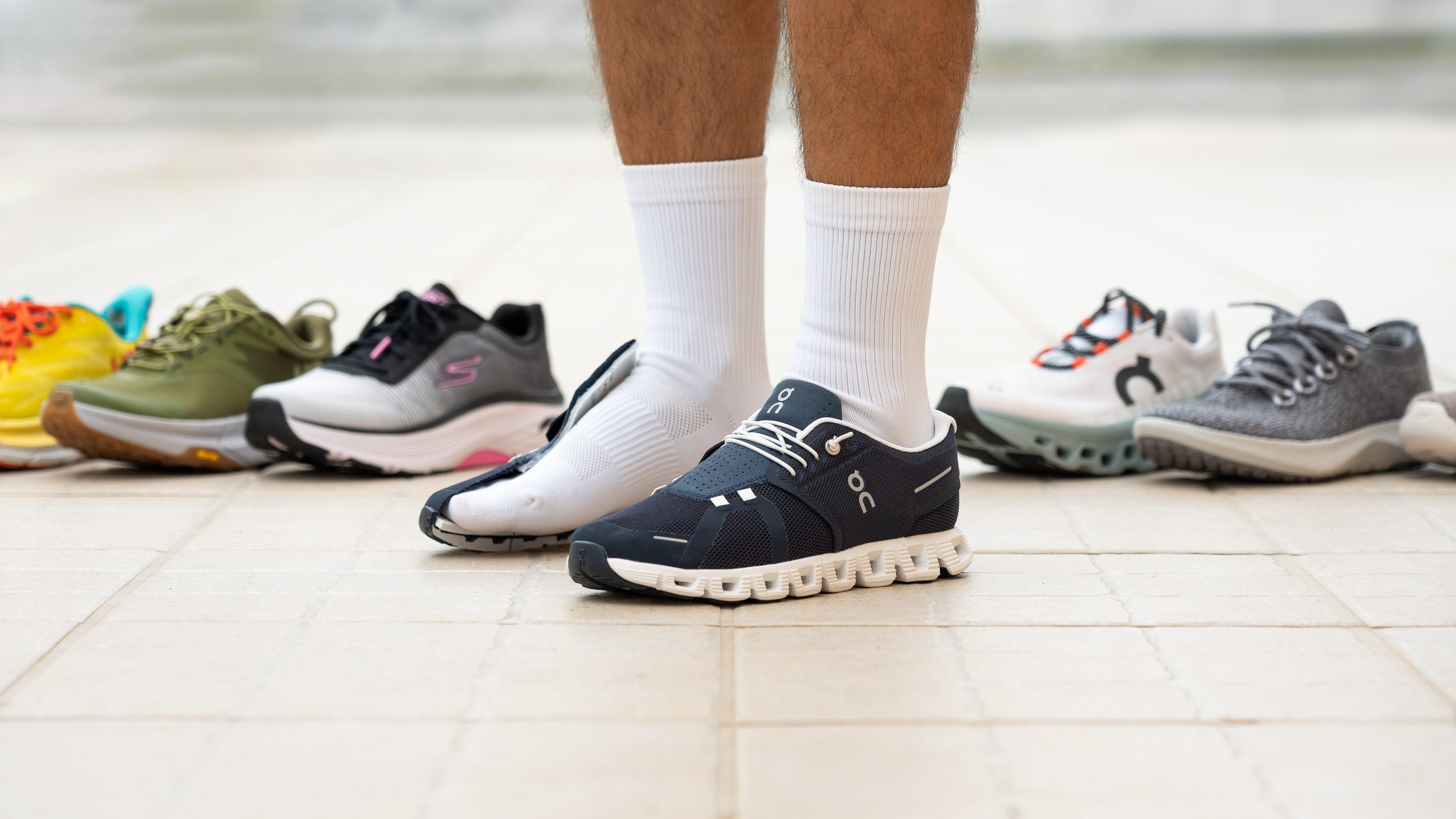
The historical divide between “athletic” and “fashion” footwear has all but dissolved. Today, the most coveted designs are those that speak the language of both camps. The aesthetic evolution of the walking shoe is a testament to this fusion. Designers are now leveraging clean lines, minimalist color palettes, and premium materials—think suede overlays, engineered knits, and recycled meshes—to create silhouettes that are as at home with tailored trousers as they are with weekend jeans. This shift is reflected in cultural commentary. In an article for GQ, style columnist Samuel Hine observed, “The technical sneaker has become the default shoe for city life, prized not for its logo but for its intelligent design and understated presence.” This isn’t about chasing trends; it’s about embracing a timeless utility. A well-designed walking shoe possesses a quiet confidence. Its style is derived from its purpose: the streamlined shape that reduces bulk, the strategic use of reflective details for visibility, the durable outsole pattern that provides traction without appearing overly aggressive. Brands like Cole Haan, originally a purveyor of classic dress shoes, have successfully pivoted by integrating Grand.ØS performance technology into leather oxfords and loafers, creating hybrids that pass in boardrooms and on boulevards. When you choose such a shoe, you are not making a compromise. You are making a statement that values intelligent design and personal well-being as the ultimate components of style.
The Investment in Your Foundation: Cost-Per-Wear and Longevity
It is tempting to view a high-quality walking shoe as a significant expense. However, this perspective shifts dramatically when analyzed through the lens of cost-per-wear and long-term health economics. A cheaply made shoe often fails in its primary duties within months: cushioning compresses irreversibly, support structures break down, and materials degrade. This not only necessitates more frequent replacements but also exposes your body to the risks of improper support. In contrast, a premium walking shoe, constructed with durable materials and robust construction techniques, is designed to last. The initial investment is amortized over hundreds, if not thousands, of comfortable miles. Consider the advice from physical therapists, who frequently cite quality footwear as a frontline defense against chronic pain. The cost of ignoring this advice can be far greater, encompassing medical bills, lost productivity, and diminished quality of life. Furthermore, the industry has responded to the demand for value. Direct-to-consumer brands and frequent sales from established manufacturers mean that advanced technology is more accessible than ever. You are not just buying a product; you are investing in the foundational tool for your mobility. As the old adage, often echoed in financial and wellness circles, reminds us: “Never skimp on anything that separates you from the ground: tires, mattresses, and shoes.” A superior walking shoe pays dividends in comfort, health, and daily satisfaction that far outweigh its price tag.
Listening to Your Shoes: The Critical Replacement Cycle
A common and costly mistake is holding onto walking shoes long past their functional expiration date. The degradation of a shoe’s support systems is often gradual and invisible to the eye, making it easy to overlook. The midsole foam, the heart of cushioning and stability, loses its resiliency over time. The American College of Sports Medicine suggests monitoring shoes after 300-500 miles of use, but also advises paying attention to physical cues. Do your feet, knees, or shins feel more fatigued or achy after your usual walk? Has the tread pattern worn smooth in key areas, particularly under the ball of the foot or the heel? These are your shoes communicating that their job is done. Ignoring these signs means you are no longer benefiting from the engineered support you paid for; you are essentially walking on compromised equipment. Proactive replacement is a non-negotiable aspect of reaping the continuous benefits of your footwear. It is the final, crucial step in the cycle of care—for your shoes and for yourself. By committing to a regular replacement schedule, you ensure that the comfort, support, and injury prevention features of your chosen walking shoe are active and effective every single day.
:max_bytes(150000):strip_icc()/when-should-i-replace-my-walking-shoes-3436325-0801-7a1840d83573471092e0380f9e230ecc.jpg)
Your Next Step Towards Effortless Living
The journey to effortless style and unwavering comfort begins with a single, intentional choice. It is a choice to reject the false dichotomy between looking good and feeling good. It is a decision to prioritize the sophisticated engineering that supports your body’s natural movement over fleeting fashion dictates. The perfect walking shoe is out there, waiting to become the most reliable piece in your wardrobe. It is the shoe that you reach for without a second thought, whether your day holds a morning commute, a long urban exploration, or an evening out. It is the foundation upon which you build a more active, confident, and comfortable life. Stop viewing your feet as an afterthought. Embrace the tool designed specifically for the beautiful, complex, and demanding act of moving through your world. Your secret to a better day is, quite literally, at your feet.

