

The Walking Shoe: Your Secret to Effortless Style and All-Day Comfort
Forget the notion that comfort and style are mutually exclusive. The modern walking shoe has evolved from a purely functional piece of athletic gear into a cornerstone of a versatile, confident, and pain-free lifestyle. It is no longer just about getting from point A to point B; it’s about how you feel and present yourself throughout that journey. This article isn’t about following fleeting trends; it’s about understanding the engineering, biomechanics, and design philosophy behind footwear that genuinely supports your body. We will dissect why the right pair is an investment in your well-being, explore the science of comfort, and demonstrate how today’s best options seamlessly bridge the gap between the gym, the street, and the office. The right walking shoe is the unsung hero of your daily life, the foundation upon which effortless style and enduring comfort are built.
The Anatomy of All-Day Comfort: It’s More Than Just Soft
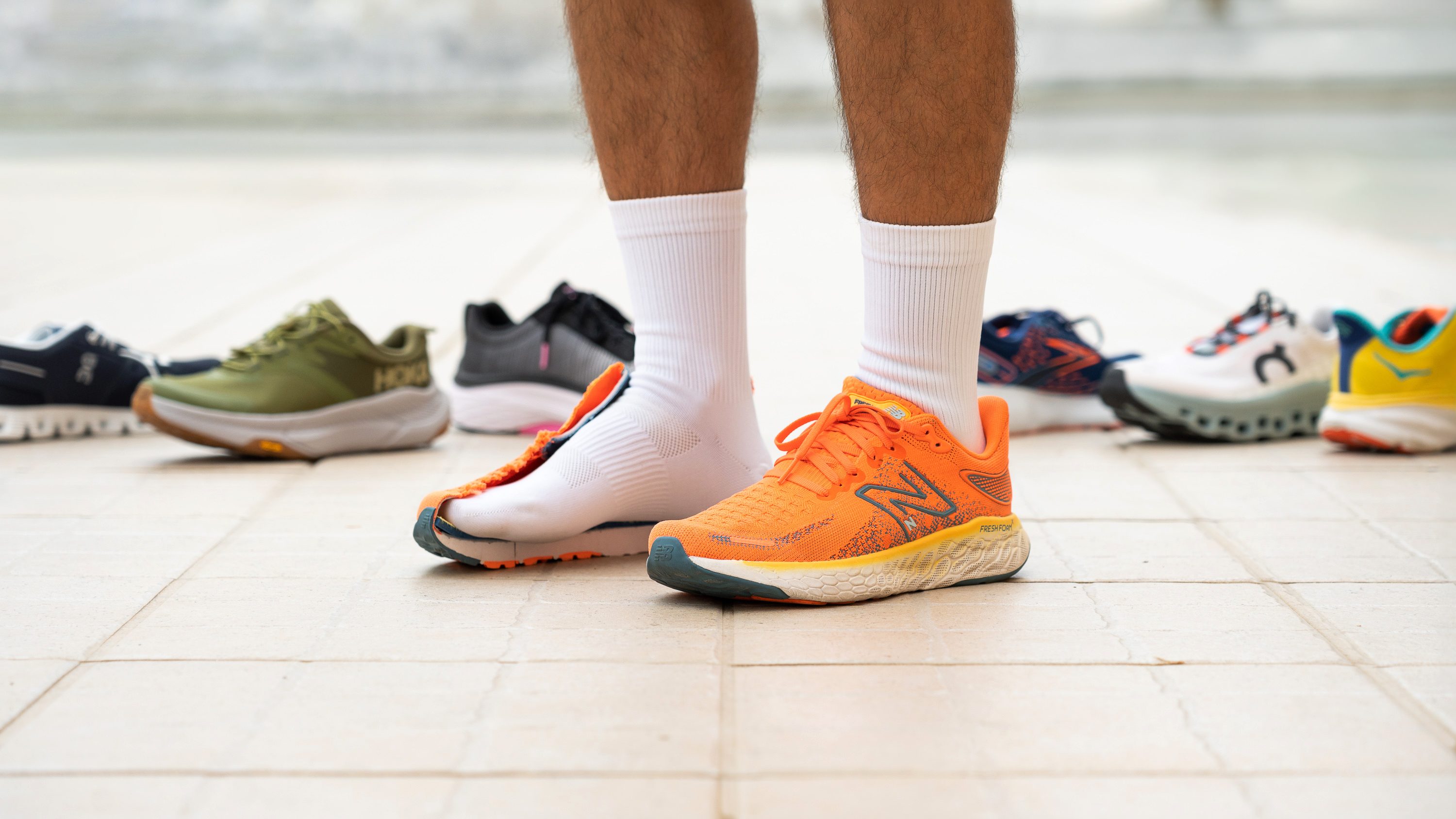
Comfort in a walking shoe is a complex symphony of materials and engineering, not merely a plush feeling underfoot. True comfort is dynamic, providing support, stability, and cushioning that adapts to your unique gait cycle. Let’s break down the critical components. First, the midsole is the heart of the shoe. Technologies like EVA foam, polyurethane, and proprietary compounds like Brooks’ DNA LOFT or HOKA’s Profly™ are designed to offer a balance of cushioning and responsiveness. According to biomechanics literature from institutions like the University of Calgary’s Human Performance Lab, effective cushioning attenuates ground reaction forces—the shock that travels up your legs with each step—reducing long-term stress on joints. However, cushioning without structure is a recipe for instability. This is where arch support and the heel counter come in. A firm heel counter, the cup at the back of the shoe, stabilizes the rearfoot, preventing excessive pronation (inward roll) or supination (outward roll), which are common causes of everything from plantar fasciitis to shin splints. The upper’s construction is equally vital. Modern engineered meshes provide breathability and a adaptive, sock-like fit without pressure points, a principle championed by brands like Allbirds and their use of natural merino wool. As renowned podiatrist Dr. Brad Schaeffer often notes on his professional platforms, “A shoe that fits properly in the heel and allows natural toe splay is the first and most critical defense against foot fatigue.” Therefore, selecting a walking shoe requires looking beyond superficial softness to the integrated system that supports your foot’s natural movement.
Biomechanics in Motion: How Your Walk Informs Your Shoe
Your walking pattern is as unique as your fingerprint, and the ideal shoe acts as a complement to your biomechanics, not a constraint. The concept of “gait analysis,” once confined to sports labs, is now accessible in many specialty running and walking stores. This process observes how your foot strikes the ground and rolls through to toe-off. Understanding your gait is paramount. For instance, an overpronator, whose foot rolls inward excessively, will benefit from a shoe with structured support or “motion control” features to guide the foot into a more neutral path. Brands like ASICS with their Dynamic DuoMax support system or Saucony with their medial posts have built their reputations on this science. Conversely, a supinator or underpronator, with a foot that doesn’t roll inward enough, needs a highly cushioned and flexible shoe to aid in shock absorption. The rocker sole, a design where the sole is curved upward at the toe and sometimes the heel, is another biomechanically-informed innovation. Pioneered by brands like HOKA ONE ONE, this geometry promotes a smoother heel-to-toe transition, reducing strain on the calf and Achilles tendon. This isn’t just marketing; a study published in the Journal of Foot and Ankle Research found that rocker-soled shoes can significantly reduce pressure on the metatarsal heads, a common site of pain. As author and long-distance walker Rebecca Solnit eloquently writes in Wanderlust: A History of Walking, “Walking… is how the body measures itself against the earth.” Your walking shoe is the crucial interface in that measurement, and choosing one aligned with your biomechanics ensures the conversation between body and ground is harmonious, not harsh.
From Pavement to Presentation: The Style Revolution
The historical chasm between “sneakers” and “dress shoes” has been decisively closed. The rise of athleisure and a cultural shift towards wellness and practicality have propelled the walking shoe into the realm of high fashion and business casual. This isn’t about wearing running shoes with a suit in a traditionally conservative environment, but rather about the proliferation of designs that prioritize comfort without sacrificing aesthetic intelligence. Consider the sleek, minimalist profiles of brands like Cole Haan with their Grand.ØS series, which integrates lightweight sneaker technology into dress shoe silhouettes, or the fashion-forward collaborations between sportswear giants and haute couture designers. The ubiquitous popularity of models like the Adidas Stan Smith or the Nike Air Force 1, rooted in sports heritage but now wardrobe staples, proves that classic sneaker design has timeless style currency. The key to integrating a walking shoe into your style lexicon lies in intentionality. A clean, neutral-colored shoe with sophisticated materials—think suede, leather, or technical fabrics in olive, grey, navy, or black—can anchor everything from tailored trousers and a blazer to dark denim and a crisp button-down. As style commentator and author David Coggins often advises, “The goal is to look considered, not like you’re headed to the gym.” The modern walking shoe offers this versatility. It allows you to navigate a day of back-to-back meetings, an evening stroll, and a casual dinner without a change of footwear, all while maintaining a cohesive and confident appearance. This fusion represents a profound liberation: the end of suffering for style’s sake.
The Investment Perspective: Cost Per Mile vs. Initial Price
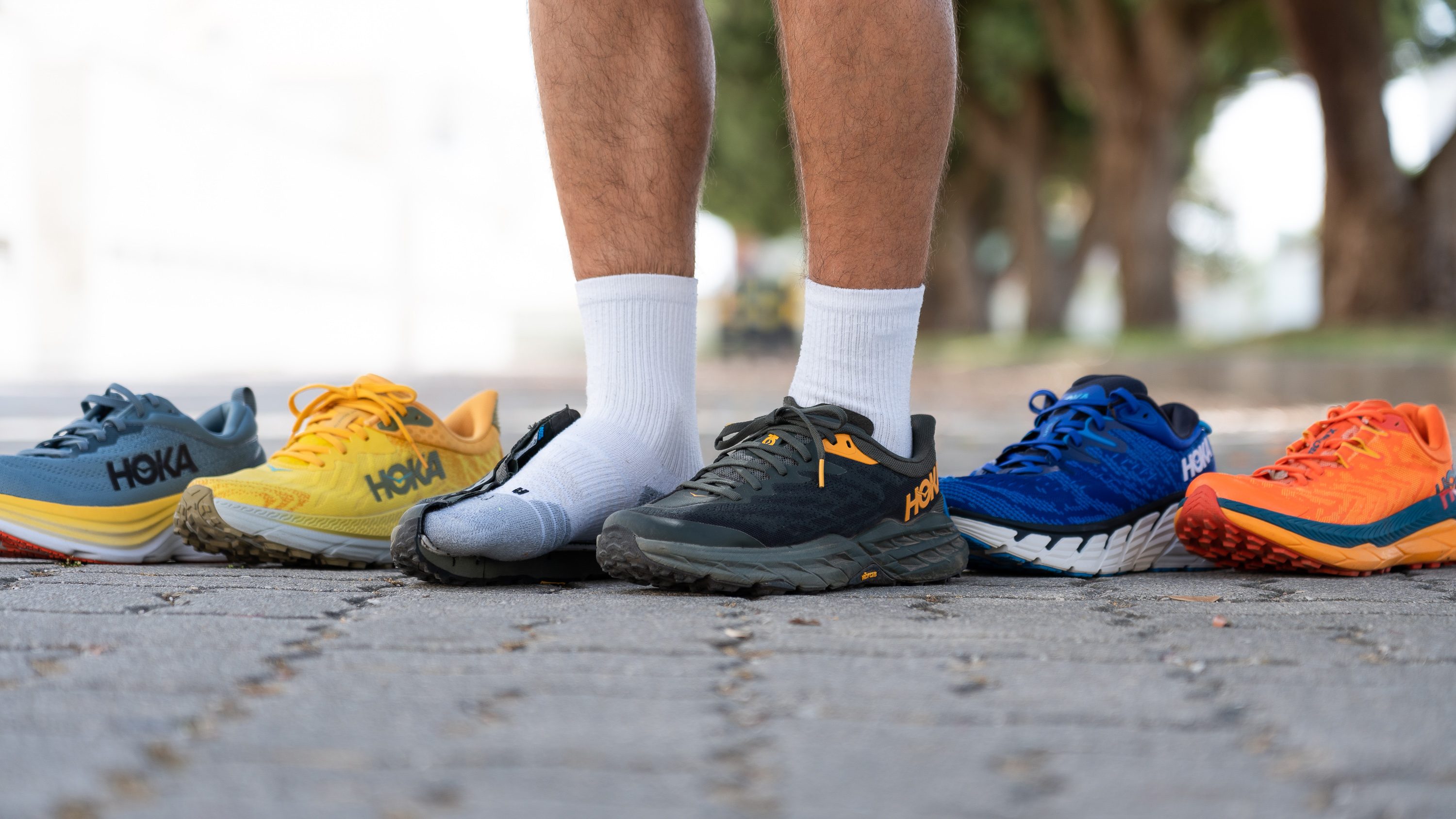
It’s tempting to view a high-quality pair of walking shoes as a significant expense. However, a more accurate and financially sound way to evaluate them is through the lens of “cost per mile” or “cost per day of comfort.” A cheaply made shoe, often retailing for under $50, typically uses inferior foam that compresses and loses its cushioning properties within a few months. Its outsole rubber may wear down quickly, and its upper may lack durability. This leads to discomfort, potential injury, and the need for frequent replacement. In contrast, a well-constructed walking shoe from a reputable brand, while perhaps costing $120-$160 initially, is an investment in premium materials and engineering. The midsole foam is designed for longevity, the outsole uses high-abrasion rubber compounds, and the upper is built to withstand daily wear. More importantly, it provides consistent support and protection for your musculoskeletal system. As the famous quote often attributed to Warren Buffett goes, “Price is what you pay. Value is what you get.” The value here is measured in miles of comfortable walking, reduced pain, and potentially lower long-term healthcare costs associated with foot, knee, or back problems. Furthermore, the professional knowledge we bring allows us to direct you to last season’s colors or direct-to-consumer brands that offer cutting-edge technology at a more accessible price point, maximizing that value proposition. Protecting your body is never an area to compromise.
Knowing When to Let Go: The Lifecycle of Your Shoe
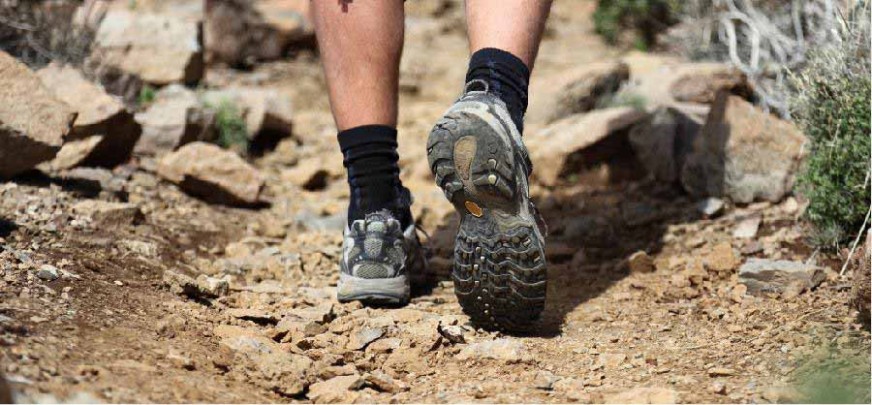
Even the best walking shoes are consumable items with a finite lifespan. Relying on a worn-out shoe for support is akin to driving a car with bald tires—it’s a hazard. The primary failure point is the midsole cushioning, which breaks down long before the outsole shows severe wear. A common rule of thumb, cited by organizations like the American Podiatric Medical Association, is to replace walking shoes every 300-500 miles. However, your body often gives the most reliable signals. Do you feel new aches in your knees, hips, or lower back after your usual walk? Does the shoe no longer feel as springy or supportive? Perform a simple visual and physical check: place the shoes on a flat table and look at them from behind. Do they tilt inward or outward, indicating collapsed cushioning? Twist the shoe gently; does the midsole feel stiff and unyielding rather than resilient? Another test is to check for creasing in the midsole foam—deep, permanent creases indicate material breakdown. Holding on to shoes for sentimental reasons or to “get your money’s worth” is a false economy. As the fitness experts at Verywell Fit consistently emphasize, replacing shoes on time is the single most effective thing you can do to prevent overuse injuries. Planning for this replacement cycle is part of the responsible ownership of your footwear, ensuring that the foundation of your daily movement remains solid and protective.
:max_bytes(150000):strip_icc()/when-should-i-replace-my-walking-shoes-3436325-0801-7a1840d83573471092e0380f9e230ecc.jpg)
The pursuit of a shoe that delivers both effortless style and all-day comfort is not a compromise, but a new standard for living well. It is a choice that acknowledges the physical demands of modern life while refusing to abandon personal expression. By understanding the science of support, aligning footwear with your biomechanics, embracing the style revolution, and viewing quality as a long-term investment, you empower yourself to move through the world with greater ease and confidence. The perfect walking shoe is out there, waiting to become the reliable, stylish partner to every step you take. It’s time to step into that reality.
