

Step Into Comfort and Style with Vionic Walking Shoes
For years, I chased the elusive perfect walking shoe, navigating a landscape of fleeting trends and empty promises of support. It was a journey that often ended in compromise—archaic orthopedic designs in one hand, stylish yet punishing flats in the other. The notion that one must sacrifice aesthetics for biomechanical wellness is a pervasive myth, one that I, and countless others, accepted as a necessary trade-off. That perspective shifted entirely when I discovered the engineered harmony of Vionic walking shoes. This isn’t merely about footwear; it’s about a fundamental rethinking of how we interface with the ground beneath us, merging podiatric science with contemporary design to create an experience where every step is an act of both comfort and self-expression. The journey from understanding foot mechanics to experiencing daily revitalization begins with a single, purposefully designed step.
The Foundation: Biomechanics and the Science of the Step
To appreciate what sets a specialized walking shoe apart, we must first delve into the complex engineering of the human foot. According to research from institutions like the Harvard Medical School, the foot is a marvel of biomechanics, comprising 26 bones, 33 joints, and over 100 muscles, tendons, and ligaments. With each step, it acts as a shock absorber, a mobile adapter, and a rigid lever for propulsion. When this system is misaligned or unsupported—a condition known as overpronation (rolling inward) or supination (rolling outward)—the repercussions travel up the kinetic chain. The American Podiatric Medical Association (APMA) notes that improper foot alignment can lead to a cascade of issues: plantar fasciitis, shin splints, knee pain, and even hip and lower back discomfort. This is where the concept of “motion control” and “stability” in footwear becomes critical, not as marketing jargon, but as essential biomechanical intervention. A true walking shoe is not a running shoe in disguise; it is designed for the heel-to-toe rolling gait and the prolonged, lower-impact pressure of walking. The Vionic walking shoe is built upon this very science, integrating a proprietary, podiatrist-designed orthotic footbed that actively works to realign the foot from heel strike to toe-off, providing the foundation upon which comfort is built.

Deconstructing the Vionic Advantage: More Than an Insole
The core of the Vionic experience lies in its biomechanical technology, which transcends the simple addition of a cushy insole. The brand’s signature is its Vionic walking shoe footbed, which features a deep heel cup, a strategic arch support, and a forefoot bar. This triad works in concert. The deep heel cup stabilizes the calcaneus (heel bone), minimizing lateral movement and providing a secure platform. The arch support is not a generic bump; it is precisely contoured to cradle the medial longitudinal arch, combating overpronation by encouraging a neutral foot position. This is corroborated by the APMA, which has granted its Seal of Acceptance to many Vionic styles, signifying they promote good foot health. Furthermore, the forefoot bar, a feature often overlooked in conventional shoes, helps to properly position the metatarsal bones, alleviating pressure on the ball of the foot. As noted by Dr. Andrew Shapiro, a board-certified podiatrist, “Proper alignment starting at the feet is crucial for overall musculoskeletal health. Shoes with built-in orthotic support, like those from Vionic, can be a proactive tool for many individuals.” This integrated orthotic is not an afterthought; it is the structural blueprint of the shoe itself, ensuring that every component—from the midsole to the upper—works harmoniously with the foot’s natural, yet supported, movement.
Where Form Meets Function: The Aesthetic Revolution
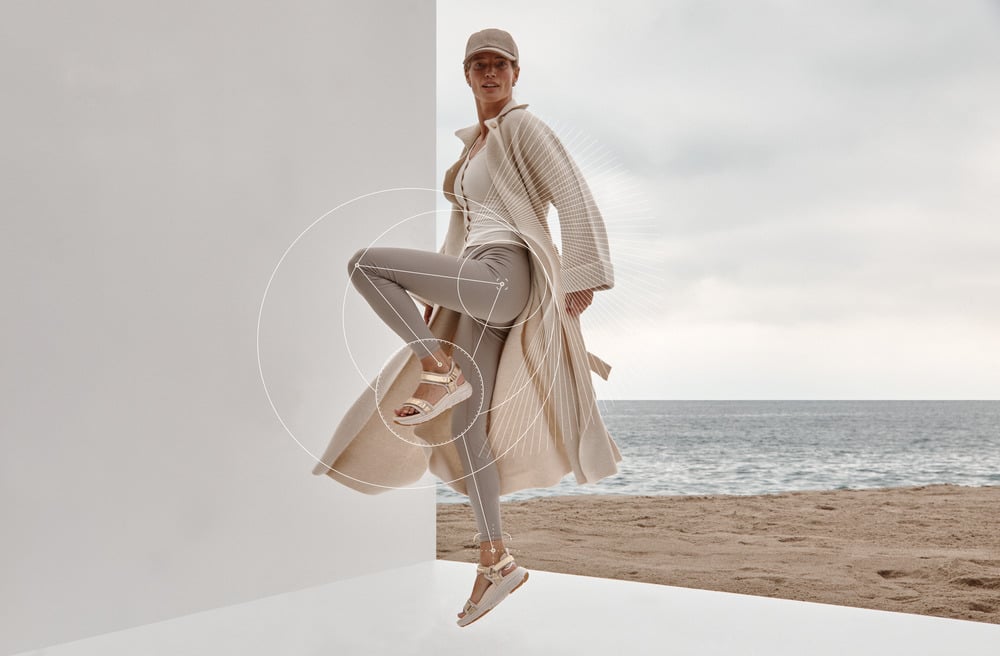
Historically, the domain of “comfort shoes” was aesthetically barren, dominated by bulky shapes and limited color palettes. Vionic has spearheaded a revolution, proving that therapeutic design need not be visually therapeutic. The brand collaborates with designers to translate biomechanical necessities into sleek, modern silhouettes. Whether it’s a classic walking sneaker with breathable knit uppers, a sophisticated loafer suitable for professional settings, or a versatile sandal for leisure, the design ethos prioritizes seamless integration into your existing wardrobe. This philosophy echoes the sentiment of iconic designer Coco Chanel, who famously advocated for elegance that does not restrain. A Vionic walking shoe embodies this: it liberates through support. The use of premium materials—buttery leathers, flexible textiles, and durable yet lightweight soles—ensures the shoe molds to your lifestyle, not the other way around. You are no longer signaling “orthopedic” to the world; you are showcasing a discerning choice for wellness-conscious style. This fusion addresses a critical psychological component of footwear: the confidence that comes from feeling both physically supported and personally styled.
The Personal Testimony: From Pain to Pavement-Pounding Joy
Scientific explanations and design principles are compelling, but the most persuasive evidence often comes from lived experience. Across platforms like YouTube and dedicated footwear forums, the narrative is consistent. One reviewer, a teacher who spends hours on her feet, stated, “After two weeks in my Vionics, the chronic ache in my heels that I’d accepted as normal simply vanished. It wasn’t a gradual change; it was a revelation.” Another user, an avid traveler, shared on a Quora thread about comfortable walking shoes for Europe, “My Vionic sneakers were the unsung hero of my two-week trip. I logged over 25,000 steps some days and returned without the usual blistering or knee pain.” These testimonials aren’t isolated; they reflect a pattern of transformative experiences. The transition into a Vionic walking shoe often requires a short adaptation period, as the muscles and ligaments of the foot adjust to their new, properly aligned position—a process podiatrists compare to “retraining” the foot. The result, however, is a newfound resilience. Walks become longer, standing becomes easier, and the simple act of moving through one’s day is imbued with a sense of ease that many had forgotten was possible. This is the ultimate promise delivered: the reclamation of daily mobility and joy.

An Investment in Long-Term Wellness and Value
Viewing footwear through the lens of cost-per-wear transforms a purchase from an expense into an investment. While the initial price point of quality biomechanical shoes may be higher than that of fast-fashion alternatives, the long-term calculus tells a different story. Consider the potential costs of neglecting foot health: expenses for orthotic inserts, physical therapy sessions, pain management, and even corrective procedures. A well-constructed Vionic walking shoe, with its durable outsoles and high-quality materials, is engineered for longevity, spreading its value over hundreds of miles. Furthermore, the brand frequently offers professional discounts for nurses, teachers, and other professionals who are on their feet, alongside seasonal sales and promotions, making this investment in health more accessible. As the ancient proverb, often misattributed but wise nonetheless, suggests, “We are too poor to buy cheap things.” Investing in footwear that actively supports your biomechanics is a proactive investment in your overall physical well-being, potentially saving significant discomfort and expense down the road. It is a choice that pays dividends in every step you take, today and for years to come.
Making the Informed Choice: Your Path Forward
Embarking on the journey toward supported walking begins with informed selection. Vionic offers a diverse range tailored to different needs and preferences. For the urban walker or someone requiring all-day support in a professional environment, styles like the classic Walker or a sleek loafer provide structured comfort. For those seeking a more athletic feel with maximum flexibility, the knit uppers of models like the Strider offer a sock-like fit without sacrificing the essential orthotic foundation. The key is to prioritize the fit around the proprietary footbed; your arch should feel cradled, not crowded, and your heel should sit snugly without lift. Remember, the goal is alignment. It is advisable to consult the brand’s detailed sizing guides and, if possible, try different styles to find your perfect match. This process is not just about buying a shoe; it’s about choosing a tool for enhanced living. It’s about deciding that your daily foundation deserves the best possible engineering, wrapped in a package that reflects your personal style.

The search for the perfect walking shoe ends not with a compromise, but with a synthesis. It culminates in the understanding that true comfort is an active, supportive force, and that style is an expression of thoughtful self-care. Vionic walking shoes stand as a testament to this principle, offering a bridge between the rigorous demands of podiatric science and the fluid expressions of modern fashion. They invite you to step away from the false dichotomy of comfort versus style and into a world where every journey, from the morning commute to the weekend adventure, is undertaken with confidence, stability, and effortless grace. The path to revitalized movement is clearly marked—it begins with a single, perfectly supported step.
