

The Ultimate Guide to Tennis Shoes for Everyday Walking
For years, the quest for the perfect everyday walking shoe has led many of us down aisles of specialized footwear, from rigid hiking boots to overly cushioned running shoes. Yet, the answer might have been in our closets—or at least in a familiar category—all along. The humble tennis shoe, designed for the multidirectional demands of the court, offers a unique and often overlooked blend of support, durability, and comfort that translates exceptionally well to the pavement and pathways of daily life. This isn’t about repurposing old athletic gear haphazardly; it’s about recognizing the engineered benefits of a specific type of footwear. The right pair of tennis shoes for walking can transform your daily commute, your weekend errands, and your long, contemplative strolls from a chore on your feet into a sustained pleasure.
The Unlikely Synergy: Court Engineering Meets Pavement Poundin
To understand why a tennis shoe works so well for walking, we must first dissect its original purpose. Tennis is a sport of explosive lateral movements, quick stops, and constant weight shifting. According to biomechanics literature from institutions like the University of Calgary’s Human Performance Laboratory, footwear for such sports must prioritize medial-lateral (side-to-side) stability to prevent ankle rolls, offer a secure midfoot hold, and provide durable traction for varied surfaces. This stands in contrast to the primary forward motion of running or jogging. A running shoe is engineered for heel-to-toe linear motion, often with significant heel cushioning and a pronounced toe-spring to propel you forward. For walking, however, our gait is different. The motion is still linear, but the force distribution is more even, with a longer contact time and a rolling motion from heel to toe. The stability features of a tennis shoe—the reinforced outsoles, the supportive heel counters, and the often wider base—prevent the excessive foot roll (overpronation or supination) that can occur during long walks, especially on hard urban surfaces. In essence, the tennis shoe provides a stable platform that walking requires, without the excessive, sometimes unstable cushioning of a pure running shoe. When you choose a tennis shoes for walking, you are selecting a tool built for controlled, balanced movement, which is the very essence of a healthy, efficient walking stride.
:max_bytes(150000):strip_icc()/Web_1500-vwt-primary-best-overall-shoe-tstaples-118-671f4e0048e64d14a1c42e4f8d9e6658.jpg)
Deconstructing Comfort: Cushioning, Arch Support, and Breathabilit
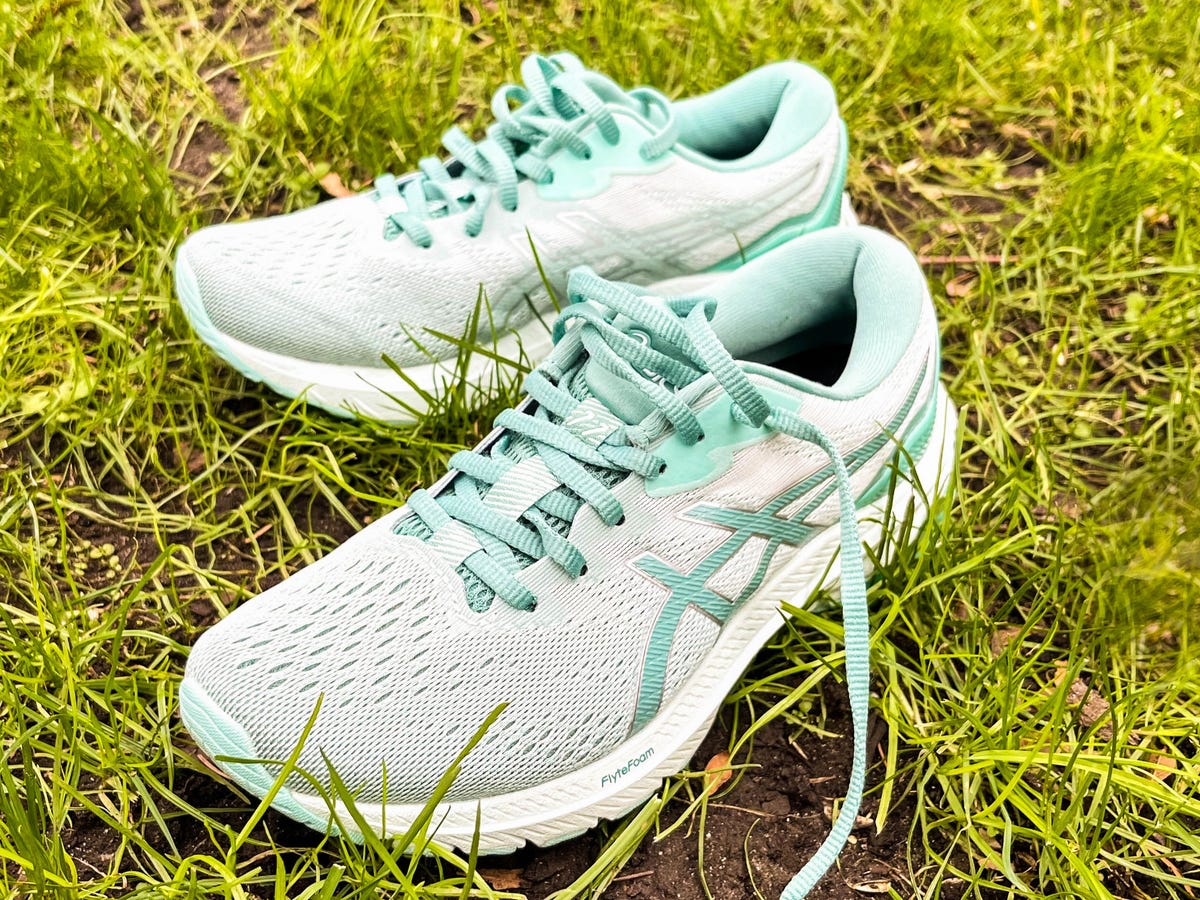
Comfort in a walking shoe is a science, not a vague feeling. It hinges on three pillars: impact absorption, anatomical support, and climate control. Tennis shoes are designed to mitigate the high-impact landings from jumps and sprints. Brands like ASICS and New Balance, which have deep roots in both court sports and biomechanics, utilize gel capsules, foam compounds like FlyteFoam or Fresh Foam, and encapsulated air systems to dissipate shock. For a walker, this translates to protection for your knees, hips, and lower back from the repetitive impact of concrete. Secondly, arch support is paramount. Unlike some minimalist running shoes, tennis shoes typically feature a well-defined arch structure to maintain foot posture during dynamic side-to-side actions. This is a boon for walkers with flat feet or high arches. As noted on platforms like Quora and in podiatrist-authored articles on health websites, proper arch support prevents plantar fasciitis and reduces fatigue. Finally, breathability. Tennis matches can be long and grueling in the sun. Modern tennis uppers are masterclasses in mesh engineering, using materials like engineered knit or microfiber to allow heat and moisture to escape. For your everyday walk, this means a reduced risk of blisters and a more pleasant experience in warmer weather. Therefore, the comfort of a tennis shoes for walking is not an accident; it is the direct result of technologies refined for athletic endurance, now being applied to your daily movement.
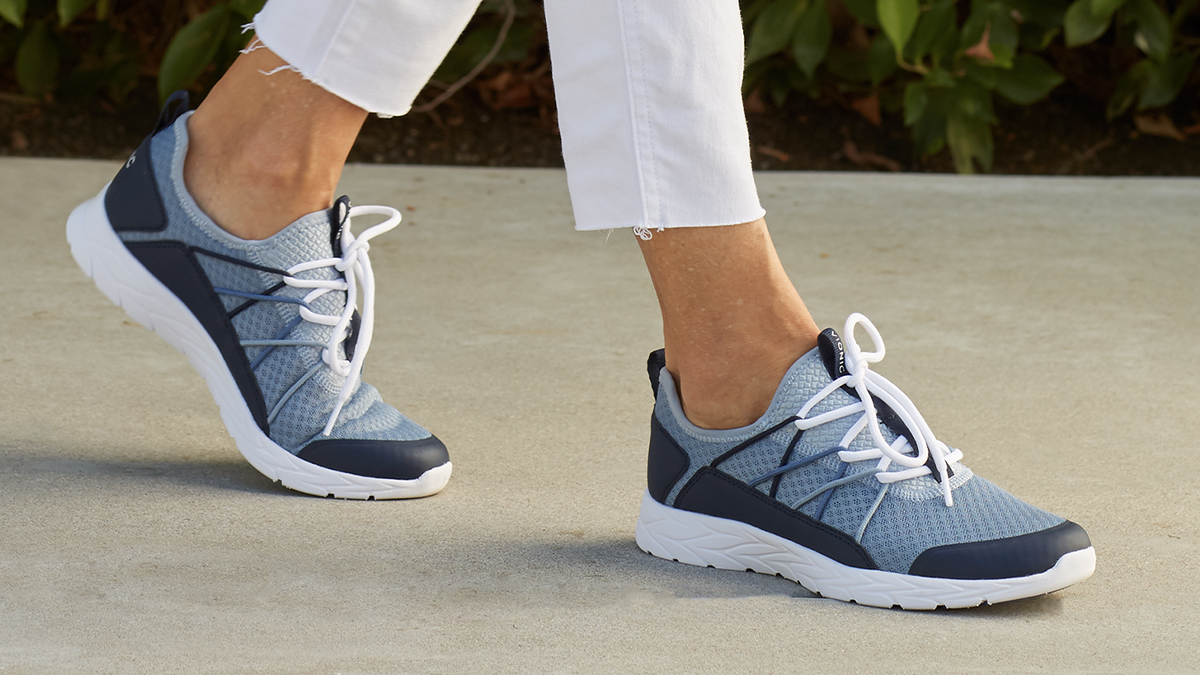
Durability and Traction: The Long-Term Investment for Your Fee
One of the most compelling economic arguments for choosing a tennis shoe as your walking companion is its inherent durability. The outsole of a tennis shoe is built to withstand the abrasive friction of hard courts. Materials like durable rubber compounds with herringbone or modified tread patterns are standard. As highlighted in consumer reports and reviews on sites like Runner’s World, this translates to a longer lifespan when used primarily for walking on asphalt and pavement. You are simply not subjecting the shoe to the same level of abrasive force it was designed to endure. The traction pattern, optimized for quick stops on clay or hard court, provides exceptional grip on a variety of urban surfaces—wet sidewalks, grassy park paths, or polished mall floors. This multi-surface capability enhances safety, reducing the risk of slips. From a cost-per-walk perspective, investing in a quality pair of tennis shoes for walking often means you won’t need to replace them as frequently as a softer-soled running shoe that compresses and wears out faster. It’s a practical, long-term approach to footwear that values both performance and economy.
Aesthetic Versatility: From the Court to the Stree
Beyond pure function, there is an undeniable stylistic advantage. The classic tennis shoe silhouette, think of the iconic styles from Adidas Stan Smith or Nike Court Vision, has been a staple of casual fashion for decades. This cultural crossover, documented in everything from sports history to fashion magazines, means that a good tennis shoe doesn’t scream “technical gear” in a casual setting. You can wear a pair of clean, white leather tennis shoes from a morning walk straight to a coffee meeting or while running errands without looking out of place. This versatility removes a barrier to consistent walking. You don’t need to change shoes. The fusion of performance heritage with contemporary style makes the tennis shoes for walking a seamless part of an active, modern lifestyle. It’s footwear that works as hard as you do, without forcing you to sacrifice your personal style for the sake of comfort.

Making the Right Choice: Key Features to Prioritiz
Not all tennis shoes are created equal for walking purposes. When shopping, you must become a discerning consumer. First, focus on flexibility. While the shoe needs stability, the forefoot should bend easily at the ball of the foot—the natural hinge point of your walking stride. Second, examine the heel counter. It should be firm and snug, not collapsible, to lock your heel in place and prevent slippage that causes blisters. Third, consider weight. Modern materials allow for light yet supportive builds; avoid overly heavy, clay-court specific shoes. Fourth, assess the toe box. It should have room for your toes to splay naturally without being so wide that your foot slides. Renowned physical therapist and author Kelly Starrett often emphasizes the importance of foot shape and shoe fit in his YouTube content, noting that constrained toes can alter your entire gait mechanics. Finally, don’t ignore the insole. A removable, cushioned insole allows for customization with orthotics if needed. By applying this checklist, you move beyond simply buying a tennis shoe and instead curate the ideal tennis shoes for walking for your individual biomechanics.
The journey to finding joy and comfort in every step doesn’t require a complex, specialized solution. It often lies in adapting proven technology from one domain to another. The tennis shoe, with its foundation in stability, durability, and responsive comfort, presents a compelling, all-in-one answer to the demands of everyday walking. It is a piece of athletic engineering that fits effortlessly into the rhythm of daily life. By choosing wisely and focusing on the key features that align with your gait, you can unlock a level of walking comfort and confidence that turns every journey, no matter how mundane, into a opportunity for well-being. The path forward is clear, and it’s best walked in a pair of shoes that were built to handle much more than just a straight line.
