

The Walking Shoe: Your Ultimate Guide to Comfort and Style in Every Step
We often overlook the profound relationship between our feet and the ground. Each step is a negotiation of force, balance, and momentum. The right footwear transforms this mechanical interaction into an experience of effortless support and confident movement. This isn’t about athletic performance in the traditional sense; it’s about the foundational act of walking, which constitutes the majority of our daily physical activity. The modern walking shoe stands at this intersection, engineered not for the extremes of sport but for the sustained, varied demands of daily life. It is a piece of technology designed to marry biomechanical efficiency with personal expression, proving that what carries us need not be an afterthought but a cornerstone of our well-being and style.
The Anatomy of Support: Beyond Cushioning
When we discuss comfort in footwear, the immediate association is with softness underfoot. However, true comfort in a walking shoe is a sophisticated symphony of structural elements. It begins with the midsole, the heart of the shoe. Materials like EVA (Ethylene-Vinyl Acetate) foam or proprietary compounds like Brooks’ DNA LOFT or ASICS’ GEL provide shock attenuation, dispersing the impact force that travels up your skeleton with each heel strike. But cushioning alone is insufficient. The critical companion is stability. Overpronation—the inward rolling of the foot after landing—is a common gait pattern that, if unmanaged, can lead to a cascade of issues from plantar fasciitis to knee pain. A well-designed walking shoe incorporates features like medial posts (denser foam on the inner side), supportive heel counters, and strategic arch support to guide the foot into a more neutral position. As Dr. Casey Kerrigan, a former Harvard Medical School professor and gait biomechanics researcher, has pointed out in various publications, footwear that alters gait mechanics can have significant effects on joint loading. The goal is not to immobilize the foot but to create a stable platform that allows its natural, complex movements to occur within a safe and efficient range. This biomechanical support is the unseen hero, working silently with every mile to protect your joints and align your posture.
:max_bytes(150000):strip_icc()/vwt-asics-womens-gel-pulse-16-jinfeng-chen-21-712f0f140e834b84b3a8dcf0bf154771.jpeg)
The Engine of Movement: Flexibility and Energy Return
If the midsole is the heart, the forefoot and outsole are the engine. A shoe that is too rigid creates a clumsy, unnatural gait, forcing your foot and calf muscles to work overtime. Conversely, a shoe that is too flexible may lack necessary protection. The ideal walking shoe offers strategic flexibility—it bends easily at the metatarsophalangeal joints (the ball of your foot), which is the precise point where your foot propels you forward. This “rocker” design facilitates a smooth heel-to-toe transition, reducing muscular fatigue. Furthermore, modern materials are increasingly focused on energy return. The concept, often discussed in running shoe reviews from sources like Runner’s World or analyses on YouTube channels like “Doctor of Running,” refers to a foam’s ability to give back a portion of the energy compressed into it. While the percentages are often debated, the subjective feeling is tangible: a responsive, “springy” sensation that makes walking feel less laborious. This isn’t about creating bounce, but about efficiency. By recycling some of the kinetic energy from your stride, these shoes help maintain momentum, making longer walks or full days on your feet feel more sustainable. It’s the difference between feeling like you’re pushing against the ground and feeling like the ground is gently assisting you forward.

The Weight on Your Shoulders, or Rather, Your Feet
In the pursuit of performance, the mantra “lighter is better” has dominated many sports. For walking, this principle holds significant merit, but with nuance. A heavy shoe increases the metabolic cost of walking—your body burns more energy to swing a heavier mass with each step. Research from locomotion physiology, such as studies cited in journals like Medicine & Science in Sports & Exercise, confirms that even small additions of weight to the feet disproportionately increase energy expenditure. Therefore, a lightweight walking shoe can reduce leg fatigue and make activity feel more inviting. However, lightness must not come at the expense of structure or durability. The challenge for manufacturers is to use advanced, low-density yet resilient materials in the upper, midsole, and outsole to shed grams without sacrificing support or longevity. A mesh upper that breathes and conforms without bulk, combined with a thin but tough rubber outsole in high-wear areas, exemplifies this engineering. The result is a shoe that feels almost like an extension of your foot, disappearing from your consciousness so you can focus on the world around you, not the weight on your toes.
Style as a Functional Choice: The Psychology of the Well-Dressed Foot
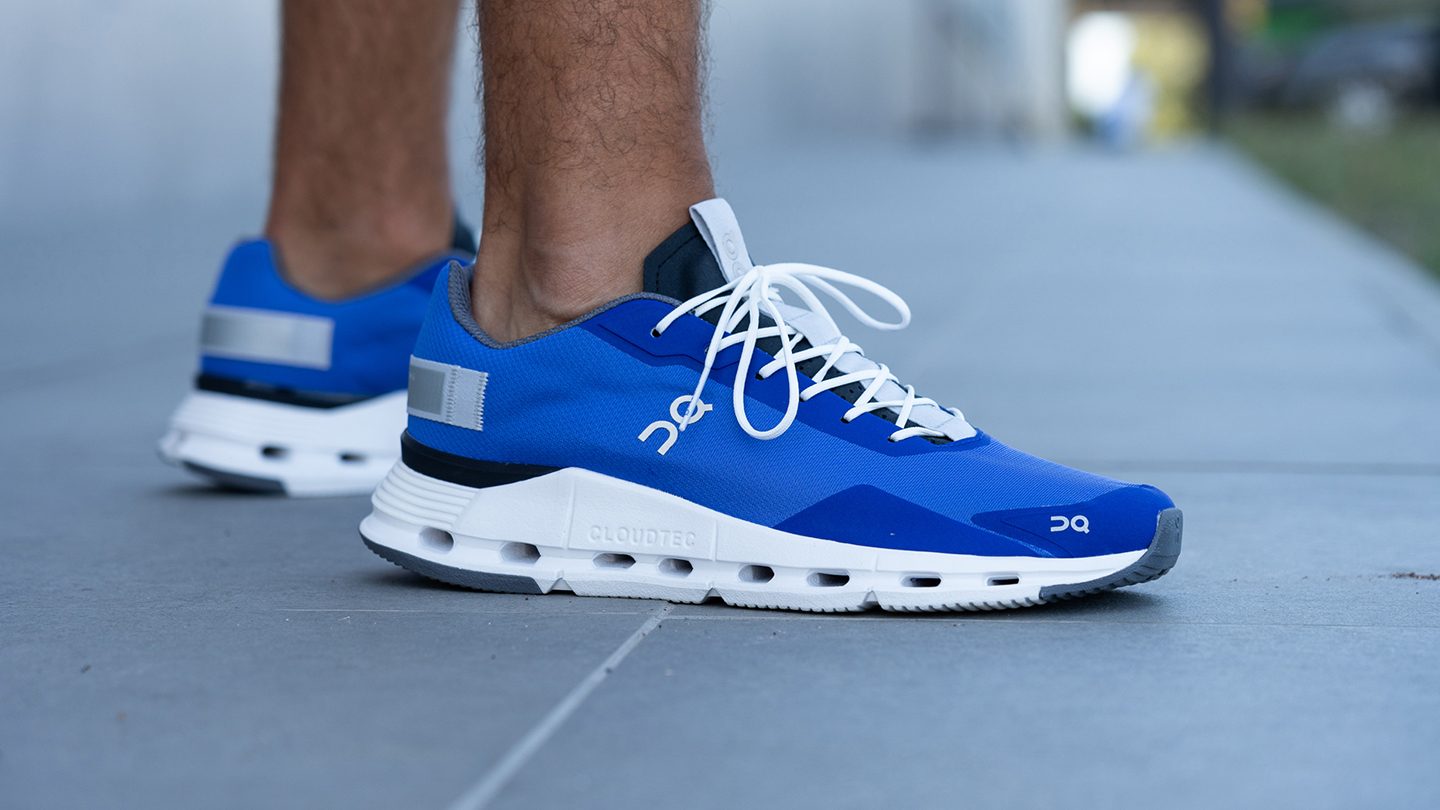
To relegate style to a mere aesthetic concern is to misunderstand human motivation. What we wear influences how we feel and act. This is encapsulated in the concept of “enclothed cognition,” a term emerging from psychological research, which suggests that the symbolic meaning of clothing and the physical experience of wearing it systematically influence the wearer’s psychological processes. A shoe you are proud to wear is a shoe you are more likely to choose. The evolution of the walking shoe has been a quiet revolution in design, moving away from purely technical, bulky silhouettes to models that integrate clean lines, versatile color palettes, and thoughtful details. Brands have realized that the shoe for a morning commute, a museum visit, or a weekend stroll should complement a range of attire, from technical athleisure to smart casual. When a shoe looks good, it ceases to be just gear for an activity and becomes a part of your daily identity. This integration removes the barrier between “activewear” and “everyday wear,” encouraging more consistent, incidental walking—the most accessible form of exercise. As style icon and filmmaker Tom Ford once noted, “Dressing well is a form of good manners.” Extending that courtesy to your feet, with a shoe that is both handsome and humane, is an act of self-respect that pays daily dividends.
The Long-Term Investment: Durability and Value
In an era of fast fashion, a quality walking shoe is an antithesis—it is a long-term investment in your physical capital. The average walking shoe is designed for 300 to 500 miles of use, but this varies dramatically with gait, weight, and terrain. The outsole’s rubber composition and tread pattern determine its grip and wear resistance. A blown rubber compound may be lighter and softer, while carbon rubber is denser and more durable, often placed in high-impact zones. The midsole foam, however, is usually the first component to break down; it loses its resiliency and compression recovery long before the upper wears out. This is where professional knowledge becomes crucial for the consumer. Understanding that “comfort fading” is a sign of midsole collapse, not just the shoe getting “broken in,” prevents injuries. Investing in a properly constructed shoe from reputable brands known for their research—often backed by podiatrist associations or carrying the APMA (American Podiatric Medical Association) Seal of Acceptance—may have a higher initial cost but a vastly lower cost-per-mile. Furthermore, savvy shoppers can leverage seasonal sales, outlet stores, and previous-generation models, which offer the same core technology at a discounted price, making premium support accessible. This isn’t an expense; it’s a proactive investment in avoiding future costs, both financial and physical, related to foot and joint problems.
Finding Your Perfect Match: A Personal Journey
Ultimately, the quest for the perfect walking shoe is deeply personal. Scientific principles and expert opinions provide the map, but you are the explorer. Your foot’s unique shape (volume, width, arch height), your individual gait pattern, and your specific use-case (city pavement, forest trails, or standing all day) are the final arbiters. The most celebrated shoe on any “best-of” list is worthless if it doesn’t fit your foot. This is why the old-fashioned ritual of trying on shoes in the late afternoon (when feet are naturally slightly swollen), wearing the socks you intend to pair them with, and taking the time to walk around the store is irreplaceable. Pay attention to the space beyond your longest toe (a thumb’s width is a classic guideline), the snugness of the heel without slippage, and the absence of any immediate pressure points. Remember, a great walking shoe should feel remarkably good from the first step, with minimal “break-in” required. It is a tool, a partner, and a statement, all crafted into a single form that sits at the foundation of your daily life. It is the unsung hero that empowers your journey, whatever its length or destination.
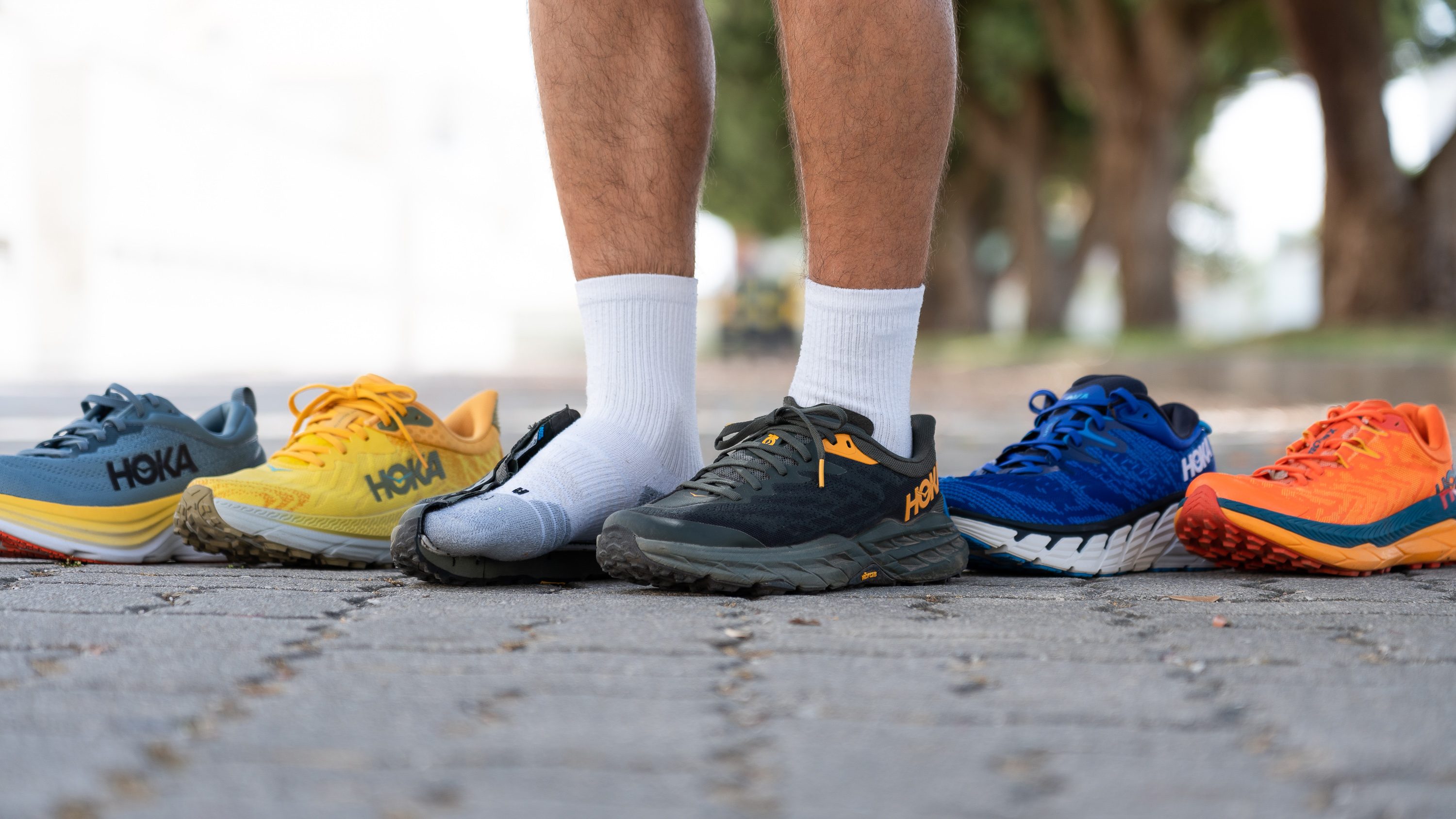
The right shoe does more than cover your foot; it unlocks potential. It turns a necessary errand into a pleasant stroll, a daily commute into a moment of respite, and a fitness goal into an achievable habit. By prioritizing the intelligent fusion of biomechanical science and considered design, you choose more than footwear. You choose a foundation for a more active, comfortable, and stylish life, one confident step at a time.
