

Step Into Style: The Ultimate Guide to Toe Walker Shoes
Forget everything you thought you knew about footwear designed for a specific gait. This isn’t about clinical correction alone; it’s about embracing a unique way of moving and finding the perfect shoe that marries support with undeniable style. The journey to understanding and selecting the right toe walker shoes is often shrouded in medical jargon and limited, uninspiring options. But what if your footwear could be a statement—a fusion of biomechanical science and personal expression? We’re moving beyond the basic “why” and diving deep into the “how,” exploring the engineering, the aesthetics, and the empowerment that comes from a perfectly paired shoe. This guide is your definitive resource, cutting through the noise to deliver professional insights, objective science, and a fresh perspective on stepping forward with confidence.
The Biomechanics Behind the Step: More Than Just a Habit
Toe walking, or idiopathic toe walking (ITW) when no underlying medical condition is present, is a gait pattern characterized by a lack of heel contact during the stance phase of walking. From a biomechanical standpoint, it involves persistent plantarflexion at the ankle joint. This isn’t merely a quirky habit; it engages a different set of muscle chains. The calf muscles (gastrocnemius and soleus) are in a perpetually shortened, active state, while the muscles responsible for dorsiflexion (like the tibialis anterior) can become underutilized. Over time, this can lead to reduced range of motion in the ankle and adaptations in the Achilles tendon. However, it’s crucial to frame this scientifically, not alarmingly. As noted in literature from institutions like the Stanford Children’s Health, while monitoring is often recommended, many children outgrow the pattern, and for persistent cases, intervention focuses on gentle stretching and appropriate footwear. The goal of specialized toe walker shoes is not to brutally force a heel strike but to provide a stable platform that encourages a more natural gait cycle through design, offering sensory feedback and a physical prompt for heel contact.
Deconstructing the Design: Anatomy of a Purpose-Built Shoe
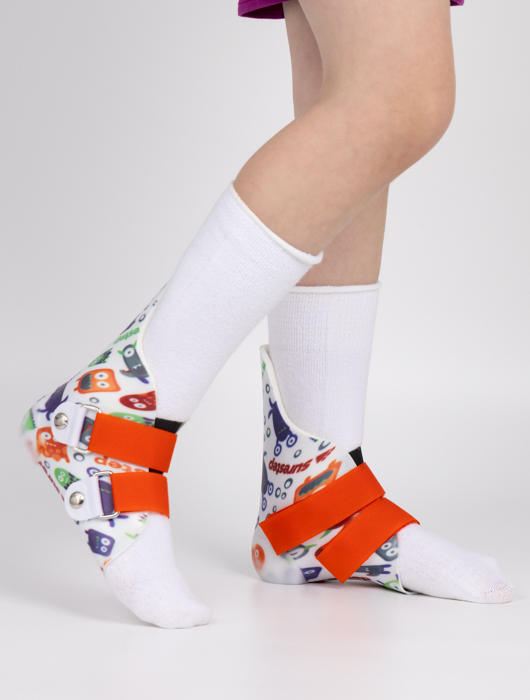
What separates a standard sneaker from a purpose-built toe walker shoe? The difference lies in intentional, often subtle, engineering features. First, consider the heel counter. This is the rigid cup that encases the back of the heel. In a high-quality shoe for toe walkers, this counter is exceptionally firm and deep, providing unparalleled stability to prevent the heel from lifting and sliding. Second, the rocker sole is a game-changer. This isn’t a flat slab of rubber; it’s a curved profile that facilitates a smoother roll-through from heel to toe, reducing the effort required to initiate a step and making a heel-strike more mechanically advantageous. Third, look for a flared heel. A wider base at the rear of the shoe increases surface area and contact with the ground, enhancing stability and making the initial contact point more pronounced. Finally, closure systems matter. A combination of laces, straps, or a high-quality hook-and-loop system ensures the foot is secured within the shoe’s supportive architecture, preventing internal slippage that can encourage toe-walking. These features work in concert, transforming a shoe from a simple covering into a dynamic tool for gait encouragement.

Evidence and Perspectives: What the Experts and Community Say
Navigating information requires sourcing from diverse, credible outlets. On platforms like Quora and specialized parenting forums, the consensus among experienced physical therapists and orthotists is that footwear is one component of a multi-faceted approach, often paired with stretching. Wikipedia’s entry on “Toe walking” cites peer-reviewed studies indicating that while persistent cases exist, the role of sensory feedback—which shoes can influence—is a significant area of research. Authoritative voices on YouTube, such as certified pediatric physical therapists, frequently demonstrate how specific shoe features can provide the “cue” for a heel strike. Meanwhile, viewpoints from popular culture, like the character of Dwight Schrute from The Office whose occasional toe-walking was played for laughs, inadvertently highlight how the gait is perceived—and why finding stylish options is key to normalizing and managing it with confidence. The collective evidence points away from a one-size-fits-all “cure” and towards intelligent, supportive design as a fundamental facilitator.
Beyond Beige: The Revolution of Style in Supportive Footwear
For years, the domain of therapeutic footwear was dominated by clinical, often drab, designs. This created an unnecessary dichotomy: you could have function, or you could have style, but not both. That era is over. Today, leading brands in the toe walker shoes space are proving that orthopaedic principles can be woven into sneakers and boots that look like they belong on any playground or in any classroom. We’re seeing vibrant colors, popular character licenses, and designs that mirror the latest trends in mainstream children’s footwear. This is not a superficial concern. The psychological impact of wearing a shoe a child loves versus one they are embarrassed by is profound. It promotes consistent wear, which is critical for the shoe to be effective. When a child is excited to put on their cool, superhero-themed shoes that also happen to have a firm heel counter and rocker sole, the battle is half won. You are no longer imposing a medical device; you’re offering a prized possession.
Your Actionable Guide: Selecting the Perfect Pair
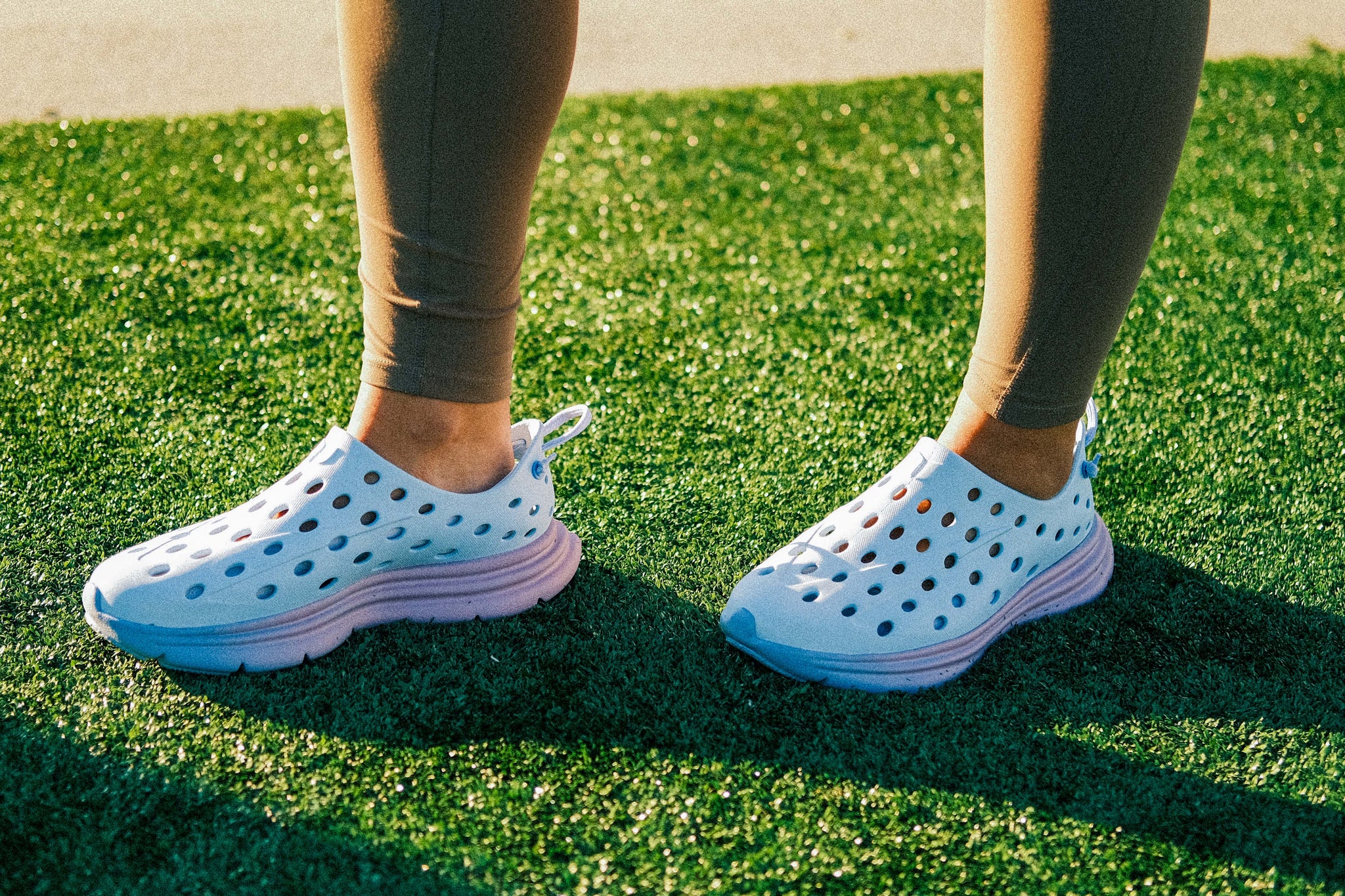
Armed with knowledge, how do you execute the perfect purchase? Let’s break it down into a actionable checklist. First, prioritize fit over size. Have the child’s feet measured professionally, bearing weight. There should be a thumb’s width (about half an inch) of space from the longest toe to the end of the shoe. Second, test the heel counter. Try to pinch the material at the back of the heel. It should not collapse; it should feel like a rigid, unyielding cup. Third, check the bend. The shoe should only flex at the ball of the foot, where your toes naturally bend, not in the middle of the arch. This provides proper support. Fourth, examine the sole. Look for that gentle rocker profile and a flared, stable heel. Finally, involve the wearer. Within the parameters of good fit and correct features, allow them to choose the color or style they adore. This partnership in selection ensures the shoes will be worn. Remember, the best toe walker shoes are the ones that are actually on the feet.
Investing in Steps: Value, Price, and Long-Term Perspective
Let’s address the practical matter: specialized footwear often comes with a higher price tag than mass-market sneakers. It’s an investment, and understanding the value proposition is key. You are paying for patented designs, higher-density materials, more rigorous construction, and often, input from medical professionals in the R&D phase. This isn’t a fashion markup; it’s an engineering cost. However, savvy shopping exists. Look for seasonal sales from reputable brands, often offering 15-20% off. Consider last season’s colors, which are functionally identical. Some orthotic providers may have package deals or work with insurance. View the cost through the lens of durability and purpose—these shoes are built to withstand more stress and for a specific, important function. When you factor in the potential reduction in the need for more invasive interventions down the line, the investment in a proper pair of toe walker shoes can be both financially and developmentally sound.

The narrative around footwear for toe walking has fundamentally shifted. It is no longer a story of limitation but one of sophisticated option and empowered choice. By understanding the science of the gait, the engineering of the shoe, and the powerful intersection of support and style, you are equipped to make a decision that supports physical development without compromising on joy and self-expression. The perfect step forward is one taken with knowledge, confidence, and a great pair of shoes.
