

The Best Tennis Shoes for Everyday Walking Comfort
When we talk about finding the perfect shoe for daily ambulation, the conversation often veers toward specialized walking shoes or running sneakers. Yet, there’s a compelling case to be made for a category that blends athletic heritage with versatile design: tennis shoes for walking. The very architecture of a tennis shoe is engineered for the multidirectional, stop-start demands of the court, translating surprisingly well into the sustained, forward-moving gait of walking. This isn’t about repurposing old sports gear; it’s about recognizing a design philosophy that prioritizes lateral stability, cushioning responsive to constant contact, and durability—all critical for the pedestrian. The quest for the ideal everyday walker isn’t merely about softness underfoot; it’s about a holistic support system that protects your joints over miles of pavement, park trails, and daily errands. A superior tennis shoe for walking offers a unique synthesis of court-bred resilience and all-day comfort, making it a secret weapon for those who value both foot health and functional style.
The Engineering Behind the Comfort: Why Tennis Shoes Work
To understand why a tennis shoe can be an exceptional walking companion, we must dissect its core engineering principles. Unlike running shoes, which are optimized for heel-to-toe motion in a single plane, tennis involves rapid side-to-side movements, quick pivots, and constant readiness. This demands a different approach to construction. Renowned podiatrist Dr. William Rossi, in his extensive writings on footwear, emphasized that “shoes must be designed for the specific biomechanics of the activity.” The biomechanics of walking, while less explosive than tennis, still require medial-lateral (side-to-side) stability, especially on uneven urban terrain. A study from the University of Calgary’s Human Performance Laboratory highlights that excessive foot roll (overpronation or supination) during walking can lead to a chain of issues in the knees, hips, and back. The reinforced midsoles and often wider bases found in performance tennis shoes for walking directly counteract this, providing a stable platform that guides the foot into a neutral position with each step.

Cushioning and Responsiveness: The Midsole Magic
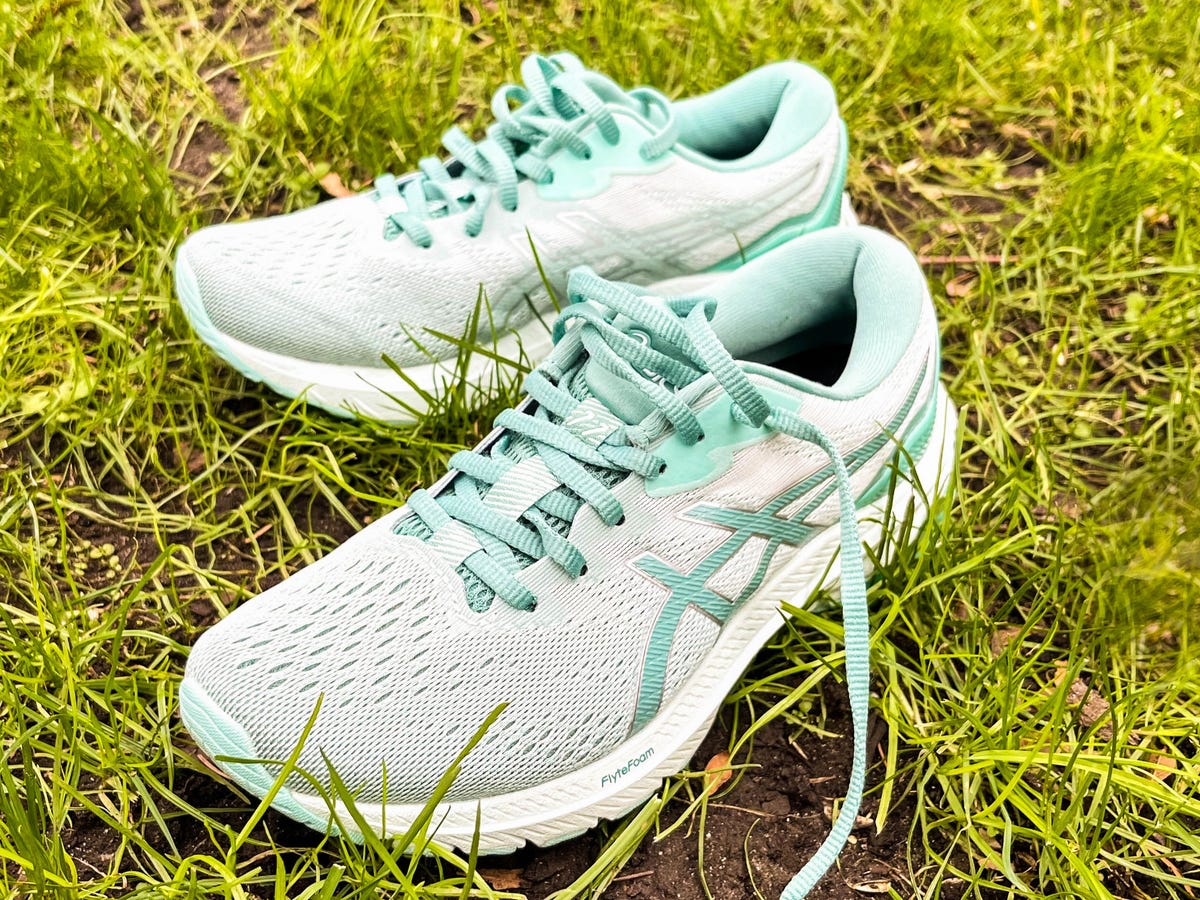
The heart of any athletic shoe’s comfort lies in its midsole, and here, tennis shoes often employ sophisticated technology. Brands like ASICS, with their GEL cushioning system, or Nike, with Air Zoom units, develop these materials to absorb high-impact shocks—like the force of a player landing after a serve—and return energy for the next explosive step. For the walker, this translates to a dual benefit. The shock absorption is paramount for joint health. As noted in literature from the American Podiatric Medical Association, repetitive impact from hard surfaces is a contributing factor to conditions like plantar fasciitis and stress fractures. The cushioning in a quality tennis shoe dissipates this force. Simultaneously, the “responsiveness” or energy return provides a subtle propulsive feel, reducing the muscular fatigue in your calves and feet over long distances. It’s the difference between a shoe that feels like a passive cushion and one that feels like an active partner in your stride. When selecting a tennis shoe for walking, examining the midsole technology—be it EVA foam, polyurethane, or proprietary gel compounds—is key to predicting its long-distance comfort.
Durability and Outsole Design: Built to Last
Durability is a non-negotiable feature for everyday footwear, and tennis shoes are famously overbuilt. The outsole rubber, often made from high-abrasion compounds like AHAR (ASICS High Abrasion Rubber) or XDR (Extra Durable Rubber), is designed to withstand the abrasive drag and scuffing of hard courts. For the everyday walker, this means the shoe will resist wear from concrete and asphalt far longer than a standard running shoe with a softer, more flexible outsole. The tread pattern is equally important. While running shoe treads are geared for forward traction, tennis shoe outsoles feature modified herringbone or hexagonal patterns that offer omnidirectional grip. This provides confidence on wet pavement, loose gravel, or slick indoor surfaces, preventing slips and falls. As a statement from the National Safety Council underscores, falls are a leading cause of unintentional injury, making secure footing a critical aspect of everyday shoe design. Therefore, the robust outsole of a dedicated tennis shoe for walking isn’t just about longevity; it’s a fundamental safety feature for the urban explorer.
Selecting Your Perfect Pair: A Buyer’s Guide
Knowing the theory is one thing; applying it to find your personal best fit is another. The process should be methodical, focusing on fit, foot type, and intended use. First, always prioritize fit over brand or aesthetics. Your foot will swell during long walks, so it’s advisable to shop in the afternoon and ensure about a thumbnail’s width of space between your longest toe and the end of the shoe. Width is crucial; many tennis shoes come in multiple width options to accommodate different foot volumes. Second, understand your arch type and gait. A simple wet foot test on brown paper can tell you if you have low, neutral, or high arches. Those with low arches (overpronators) often benefit from the inherent stability and motion control features of a tennis shoe, while those with high arches may seek models with enhanced cushioning. Finally, consider your walking environment. Will you be primarily on paved paths, treadmill, or light trails? The outsole grip and upper material should match your terrain.
Top Contenders: Brands and Models to Consider
The market offers excellent options that seamlessly transition from court to curb. The New Balance Fresh Foam Lav stands out for its plush yet responsive Fresh Foam midsole, offering cloud-like comfort that doesn’t sacrifice stability. It’s a frequent top recommendation on expert review sites like Runner’s World for walkers seeking all-day softness. For those requiring maximum support, the ASICS GEL-Resolution series is legendary. Its Duomax dual-density midsole system combats overpronation effectively, and the PGuard toe protector enhances durability—a feature walkers will appreciate when navigating crowded sidewalks. On the more stylish, lifestyle-oriented end, the Adidas Stan Smith, while a classic, has been re-engineered with improved cushioning, making it a viable option for light daily wear. Remember, the best tennis shoes for walking for you is the one that disappears on your foot, meaning you’re unaware of it because nothing pinches, rubs, or feels unsupported.
Expert Voices and User Experiences
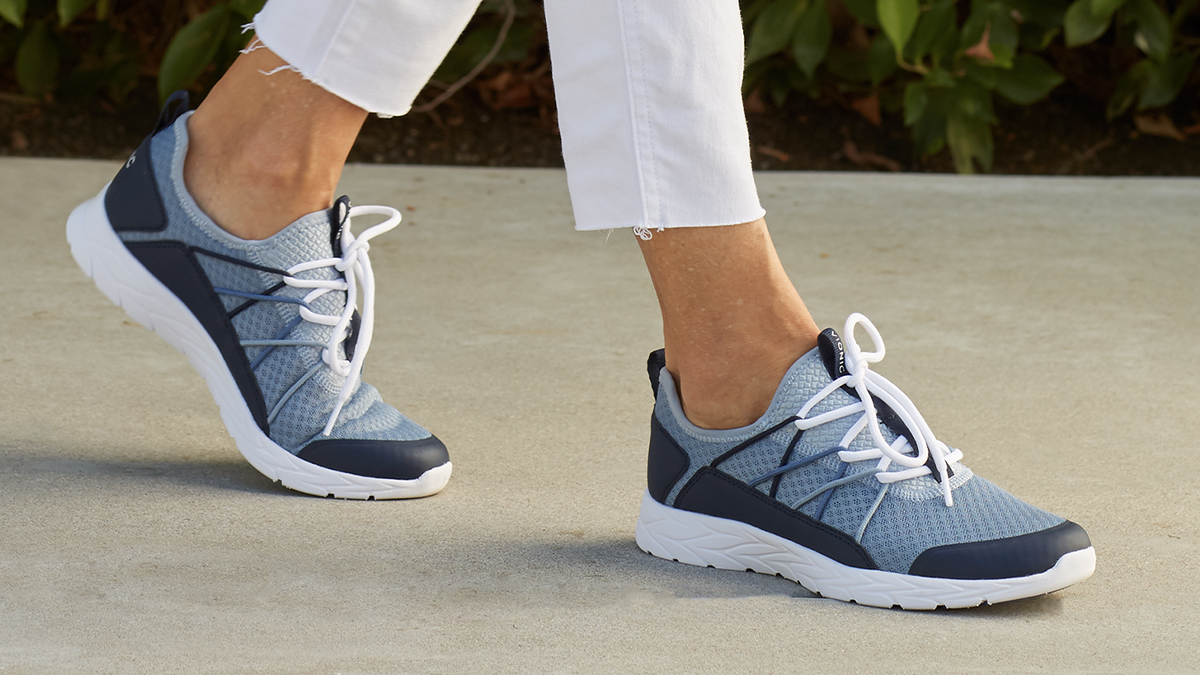
The credibility of using tennis shoes for walking isn’t just theoretical; it’s echoed by professionals and validated by user communities. On platforms like Quora and specialized footwear forums, physical therapists often chime in. One such professional noted, “For patients with a history of ankle instability or those who walk on varied, unpredictable surfaces, I sometimes recommend the lateral support structure of a court shoe over a traditional runner.” This aligns with the scientific principle of proprioception—the body’s sense of its position in space. The secure, hugged feel of a tennis shoe upper can enhance this sense, improving balance. Furthermore, on YouTube, certified fitness trainers like Joe from “The Body Coach TV” have discussed footwear choices for walking workouts, emphasizing stability for weight-bearing exercises. He stated in a video, “If you’re incorporating lunges, side steps, or walking on inclines, a shoe with good side support, like many cross-trainers or tennis shoes, can prevent roll-overs and keep you safe.” This practical advice bridges the gap between athletic performance and daily utility.
Integrating Professional Knowledge with Smart Shopping
Armed with this knowledge, your shopping strategy should blend an understanding of biomechanics with savvy consumerism. First, get professionally fitted if possible. Many specialty running stores have staff trained to analyze gait, even for walkers. Second, look for previous season’s models. The performance difference between the latest GT-1000 11 and the GT-1000 10 from ASICS is often minimal, but the price drop can be significant—sometimes 30-50% off. Websites of major retailers often have “outlet” or “clearance” sections for this purpose. Third, consider the total cost of ownership. A $120 pair of durable tennis shoes that lasts 500 miles of walking is a better investment than a $80 pair of less durable shoes that wears out in 300 miles. The initial investment in a well-constructed tennis shoe for walking pays dividends in comfort, injury prevention, and longevity, making it a wise choice for both your feet and your wallet.

The journey to finding sublime walking comfort doesn’t have to lead to a shoe labeled “walking” alone. The engineered performance of a tennis shoe, with its foundation of stability, adaptive cushioning, and exceptional durability, presents a formidable and often overlooked option. It is a shoe born from the dynamic demands of sport, refined to protect and propel. By choosing a model that aligns with your foot’s architecture and your daily routes, you equip yourself with more than footwear; you gain a reliable tool for exploration and well-being. The path forward is best walked in shoes that understand the language of movement from every angle, making a well-chosen pair of tennis shoes for walking not just a purchase, but a step toward more confident and comfortable miles.
