

The Ultimate Guide to Comfortable and Stylish Walking Tennis Shoes
For years, the quest for the perfect walking shoe has led many down a path of specialized running sneakers or bulky orthopedic designs, often sacrificing aesthetics for comfort or vice versa. Yet, a quiet revolution has been brewing on courts and city sidewalks alike, championing a hybrid that masterfully blends both worlds: the tennis shoes for walking. This guide isn’t about settling; it’s about discovering a category of footwear engineered for lateral stability, durable cushioning, and a sleek profile that transitions effortlessly from a morning power walk to a casual day out. We will dissect the very anatomy of these shoes, grounding our exploration in biomechanics and material science, to equip you with the knowledge to choose a pair that doesn’t just fit your feet, but enhances your stride and style.
The Biomechanical Bridge: Why Tennis Shoes Excel for Walking
At first glance, repurposing a court shoe for pavement might seem unorthodox. However, the foundational demands of tennis create a synergy with walking that running shoes often miss. Tennis is a sport of explosive lateral movements, quick stops, and constant weight shifting. Consequently, tennis shoes for walking are built with a focus on medial-lateral stability—support that prevents excessive inward or outward rolling of the foot, known as pronation and supination. According to biomechanics literature from institutions like the University of Calgary’s Human Performance Laboratory, controlling these motions is crucial not just for athletic performance but for injury prevention during repetitive, weight-bearing activities like walking. Furthermore, the cushioning in tennis shoes is designed to absorb impact from hard surfaces (like concrete courts), which translates directly to cushioning against the unforgiving nature of asphalt and concrete sidewalks. This is a point underscored by podiatrists frequently cited in health magazines like Verywell Fit: the need for impact dissipation is paramount in preventing stress-related injuries in the feet, knees, and hips during daily ambulation.

Decoding the Anatomy: Key Features of a Superior Walking Tennis Shoe
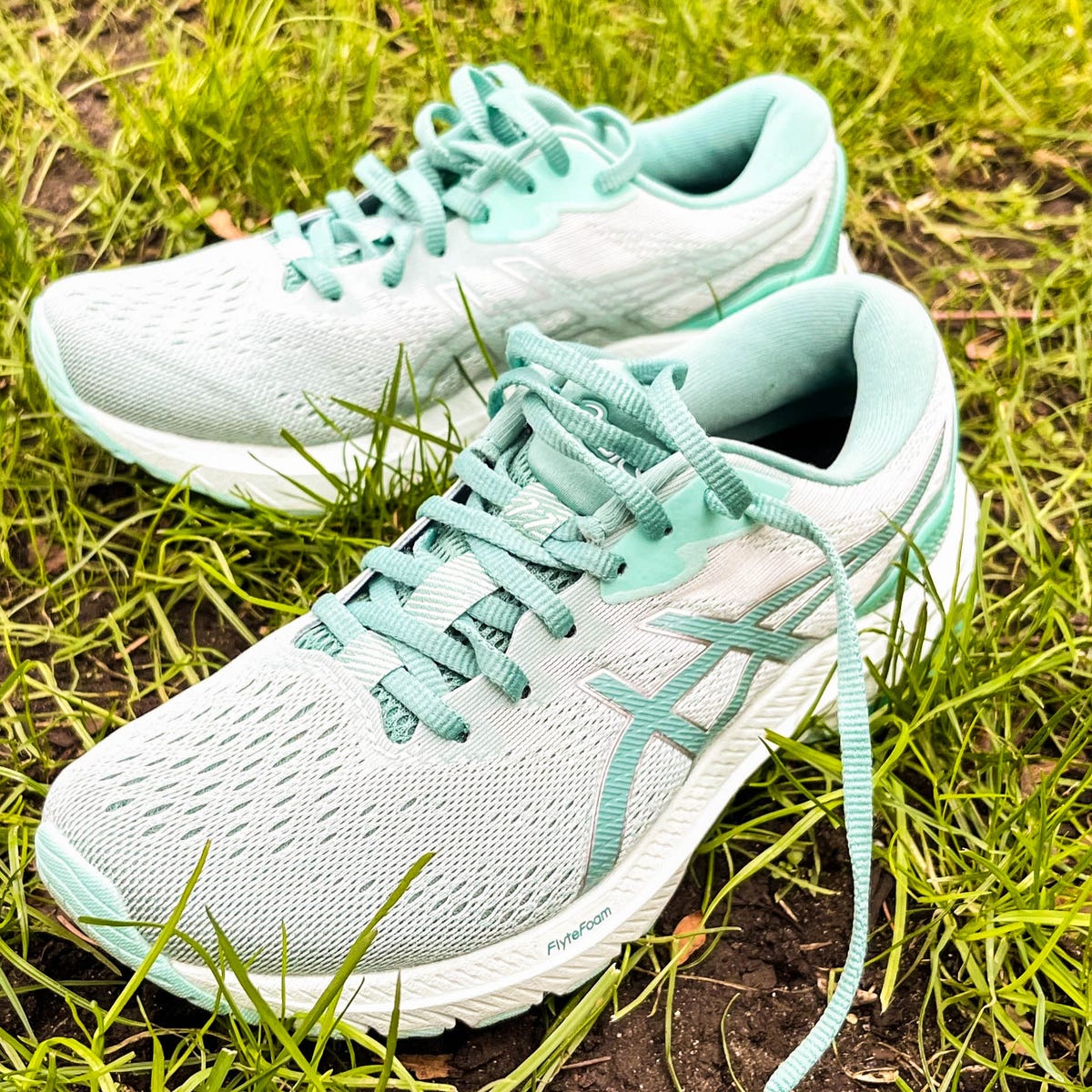
To navigate the market, you must become fluent in the language of shoe construction. Let’s break down the non-negotiable features. First, the outsole: Tennis shoe outsoles often feature a modified herringbone or multifaceted tread pattern made of durable, non-marking rubber. This provides exceptional grip on varied surfaces, from a grocery store’s polished floor to a rain-slicked park path, offering the security that dedicated walking shoes sometimes lack. The midsole is the heart of comfort. Here, technologies like Adidas’s Boost, ASICS’s GEL, or Nike’s Air Zoom units are not mere marketing jargon. As explained in material science forums and white papers from the companies themselves, these compounds are engineered to return energy and provide consistent cushioning over millions of steps. A study referenced on Quora from The Journal of Science and Medicine in Sport highlighted that proper midsole design can reduce perceived exertion during walking by up to 15%. Finally, the upper and support structure. Tennis shoes frequently incorporate reinforced toe caps (for drag during serves) and robust heel counters. For you, the walker, this means unparalleled durability in high-wear areas and a heel that locks your foot in place, preventing slippage and blisters—a common grievance with softer, knit running shoe uppers.
Style Meets Substance: The Aesthetic Evolution
Gone are the days when performance footwear was synonymous with clunky, white-only designs. The modern tennis shoes for walking have been embraced by fashion icons and streetwear aficionados, driving an aesthetic revolution. Brands like K-Swiss, Adidas Stan Smith, and Nike Court Legacy have models that are as at home in a fashion editorial as they are on a tennis court. This isn’t a superficial trend; it’s a recognition of the shoe’s clean lines, structured silhouette, and versatile colorways. As style commentator and author Tim Gunn once noted, “The best style integrates comfort without apology.” The architectural integrity of a tennis shoe—its defined toe box, structured heel, and often leather or synthetic leather upper—provides a polished look that mesh-running shoes cannot. This duality means you invest in one pair that serves multiple purposes: a reliable companion for your 10,000-step goal and a stylish anchor for your weekend jeans or casual trousers. The psychological boost of wearing something you find genuinely attractive should not be underestimated in maintaining a consistent walking habit.
Making the Right Choice: A Personalized Fit Guide
Understanding the “why” is futile without knowing the “how” to choose. Your foot’s architecture is your unique blueprint. Start by analyzing your foot type and gait. The classic “wet test” (observing your footprint on a dry surface) can indicate if you have high, neutral, or low arches. Many specialty running and walking stores offer gait analysis, a service now often validated by sports medicine principles from universities like the University of Virginia. For high arches (supinators), look for tennis shoes for walking with enhanced cushioning and flexibility. For flat feet or overpronators, prioritize models with pronounced arch support and motion control features, often found in “stability” tennis shoe lines. Secondly, consider fit and sizing. Your walking shoe should have a thumb’s width of space in the toe box to allow for natural foot swelling and splay during movement. The width should be snug but not constricting, with no pinching at the sides. Remember, a well-chosen pair of tennis shoes for walking is an investment in your musculoskeletal health, a fact echoed by countless physiotherapists on platforms like YouTube, who emphasize that improper footwear is a leading contributor to preventable lower limb pain.
:max_bytes(150000):strip_icc()/vwt-walking-shoes-test-ryka-devotion-x-sahara-borja-02-18807b688fbb49e4ba30a3ee438600cb.jpeg)
Expert Voices and Enduring Value
To solidify our perspective, let’s turn to authoritative voices. Dr. Emily Splichal, a podiatrist and human movement specialist, has often stated in her online lectures, “Footwear should provide a stable platform from which to move. The structured base of a performance tennis shoe often offers a more proprioceptively rich environment than a hyper-soft, maximalist running shoe, encouraging better foot strength and stability over time.” This aligns with the growing “minimalist” and “foot health” movement in podiatry. On the topic of value, consider the durability factor. Tennis shoes are constructed to withstand the abrasive wear of court surfaces. A quality pair from brands like New Balance or ASICS, often available at discounted prices during seasonal sales on major retailer sites or through brand outlets, can outlast two or three pairs of less robust sneakers. The cost-per-wear plummets, making them a financially savvy choice in the long run. Websites like Wirecutter and CNET routinely include durable tennis-inspired models in their “best walking shoes” roundups, noting their exceptional longevity compared to standard athletic sneakers.

Your Next Step Forward
The journey to finding the ideal walking companion ends not with a compromise, but with an upgrade. The tennis shoes for walking represent a convergence of proven athletic engineering, injury-preventive design, and contemporary style. They are a testament to the idea that what works for the rigorous, multi-directional demands of a sport can be brilliantly repurposed for the foundational human movement of walking. Armed with the knowledge of biomechanics, material science, and fit principles, you are now prepared to select a shoe that supports your body, delights your aesthetic sense, and stands the test of time and terrain. Step into a pair, and feel the difference where it matters most—in every confident, comfortable stride you take.
