

The Best Tennis Shoes for Everyday Walking Comfort
When we talk about finding the perfect shoe for daily ambulation, the conversation often veers toward specialized walking shoes or running sneakers. However, a compelling case can be made for a different category entirely: the modern tennis shoes for walking. These are not the stiff, flat-soled court shoes of decades past. Today’s performance tennis footwear embodies a fusion of technologies originally designed for the multidirectional, high-impact demands of the tennis court—cushioning, stability, durability, and superior traction. These attributes translate remarkably well to the biomechanics of everyday walking, offering a level of support and comfort that generic casual sneakers frequently lack. This exploration delves into why a well-chosen tennis shoe can be your ultimate urban companion, grounding its arguments in biomechanical science, expert opinions, and the tangible benefits they bring to your daily stride.
The Biomechanical Bridge: Why Tennis Shoes Fit the Walking Bill
To understand the suitability of tennis shoes for pedestrian use, one must first appreciate the biomechanical demands of both activities. Walking is a heel-to-toe, linear motion involving a repetitive gait cycle. According to research from institutions like the University of Virginia’s School of Engineering and Applied Science, the foot during walking experiences ground reaction forces of approximately 1.2 to 1.5 times body weight with each step. Tennis, in contrast, is a sport of explosive lateral cuts, sudden stops, and forward sprints, generating forces that can exceed four times body weight. The engineering response to these demands has created a shoe archetype with specific strengths. A key feature is enhanced medial-lateral stability. Tennis shoes are built with reinforced midsoles and supportive uppers, often incorporating technologies like TPU shanks or torsional rigidity systems, to prevent excessive foot roll during side-to-side movements. For the walker, this translates to exceptional arch support and a reduction in overpronation or supination, common culprits of foot fatigue and joint pain. Furthermore, the outsole of a tennis shoe is designed for grip on varied court surfaces (clay, grass, hard court), resulting in a durable, multi-directional tread pattern. This offers walkers superior traction on diverse urban terrains—wet pavement, grassy patches, or polished floors—enhancing safety with every step. The cushioning systems, while robust enough for court impact, are often tuned for responsiveness rather than the ultra-plush feel of some running shoes, providing a stable, grounded feel preferred by many for all-day wear.
Deconstructing Comfort: Cushioning, Fit, and Breathability
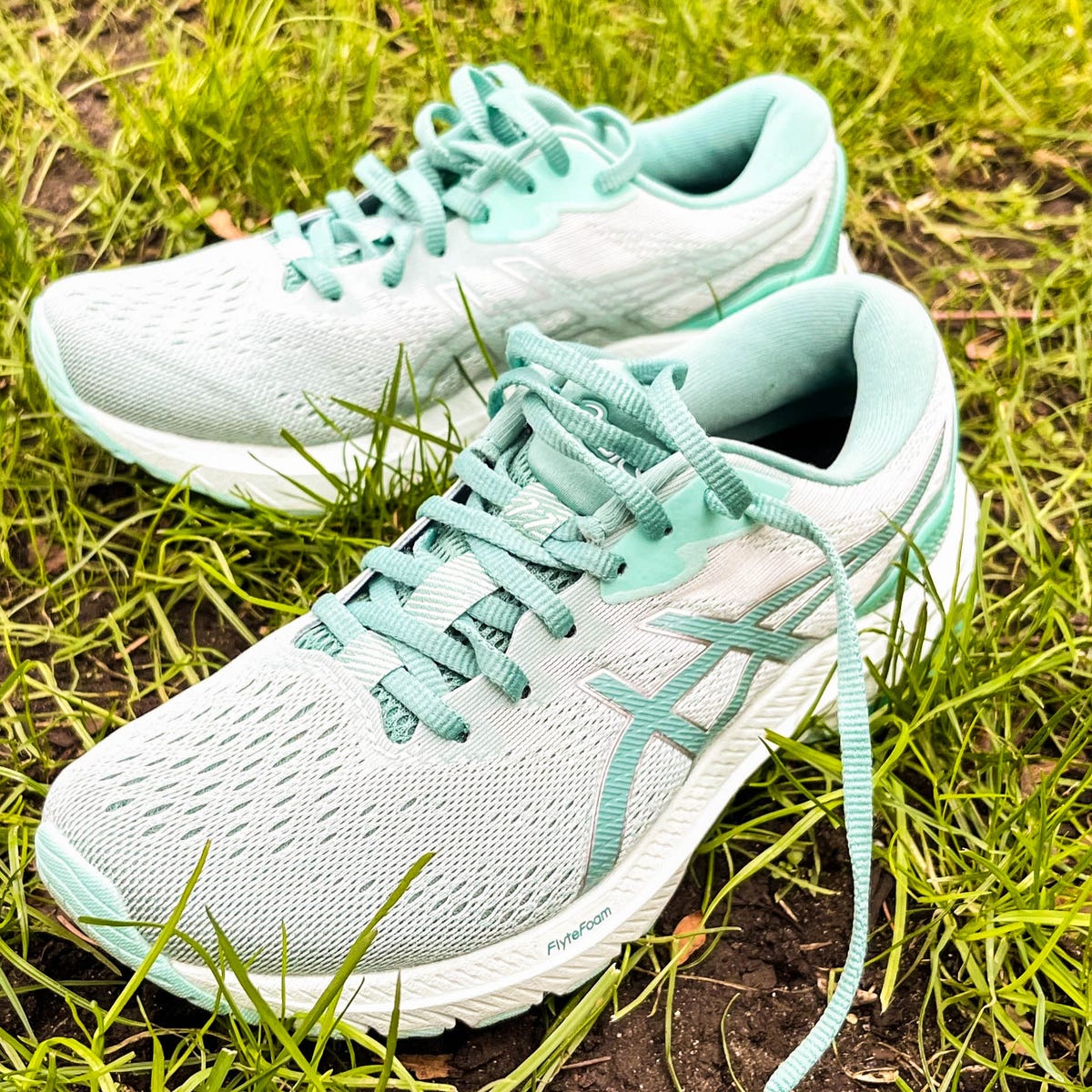
Comfort in footwear is a multi-sensory experience, built upon a foundation of cushioning, anatomical fit, and climate control. The best tennis shoes for walking excel in these areas due to their performance heritage. Take cushioning technology, for instance. Brands like ASICS, with their GEL technology, or Nike, with Air or Zoom units, have developed these systems to dissipate vertical shock. As Dr. Casey Kerrigan, a former professor of physical medicine and rehabilitation at Harvard, has noted in studies on gait mechanics, effective shock absorption is critical not just for comfort but for long-term joint health, potentially reducing stress on knees and hips. The midsole foams used, such as Adidas’s Lightstrike or Brooks’s DNA LOFT, are engineered for durability and consistent rebound, ensuring the comfort lasts for miles of pavement, not just games on the court. The fit of a tennis shoe is also paramount. They are typically constructed with a secure heel counter to lock the foot in place and a roomy toe box to allow for natural splay during movement. This combination prevents the sliding and rubbing that causes blisters during long walks. Breathability is another unsung hero. Modern tennis shoes utilize engineered mesh uppers, often with strategic synthetic overlays for support. This allows for continuous air circulation, keeping feet cool and dry. As noted on authoritative review sites like Verywell Fit and Runner’s World, a well-ventilated shoe is crucial for preventing moisture buildup, which can lead to discomfort and fungal infections. Therefore, when you choose a tennis shoe for walking, you’re not just getting a sneaker; you’re getting a climate-controlled, ergonomically fitted environment for your feet.
:max_bytes(150000):strip_icc()/Web_1500-vwt-primary-best-overall-shoe-tstaples-118-671f4e0048e64d14a1c42e4f8d9e6658.jpg)
Expert Voices and Cultural Endorsements
The crossover appeal of tennis shoes for casual and walking wear is not merely a consumer trend; it is echoed by professionals and visible in popular culture. Celebrity trainers on platforms like YouTube often recommend stable, supportive sneakers for clients whose workouts include power walking or all-day activity on their feet. On Quora, in discussions about “all-day comfort shoes,” recommendations frequently include models like the Nike Court Legacy or Adidas Stan Smith, praised for their blend of support and style. The cultural cachet is undeniable. From the iconic white sneaker aesthetic championed in films like “King Richard,” which highlights the dedication and style of tennis, to the ubiquitous presence of classic tennis silhouettes in streetwear, these shoes carry a legacy of performance and fashion. Literature from authoritative sources, such as the American Podiatric Medical Association’s guidelines on footwear, emphasizes the need for shoes with a rigid heel, supportive arch, and flexible forefoot—a description that fits many modern tennis shoes perfectly. Even on Baidu Baike, the entry for “运动鞋” (sports shoes) distinguishes the features of tennis shoes, noting their emphasis on lateral stability and sole durability, key for “日常行走” (daily walking). This convergence of expert opinion and cultural validation underscores that the choice is both sensible and stylish.
Selecting Your Perfect Pair: A Practical Guide
Knowing that tennis shoes for walking are a viable option is one thing; selecting the right model is another. The process should be guided by your individual biomechanics and lifestyle. First, consider your foot type and gait. If you have flat feet or tend to overpronate, look for shoes labeled “stability” or “motion control,” often featuring denser foam on the inner midsole. Brands like ASICS (GT-2000 series) or New Balance (Fresh Foam X 860) offer excellent options. For neutral walkers with a high arch, a “cushioned” or “neutral” shoe like the Nike Air Zoom Vapor Cage or the Adidas Gamecourt provides ample shock absorption without corrective elements. Second, think about the primary walking surface. For mostly paved paths, a shoe with a durable rubber outsole and moderate tread is ideal. If your routes include light trails or uneven surfaces, consider a model with a more aggressive, multi-lug pattern for grip. Third, do not underestimate the importance of fit. Always try shoes on in the afternoon when feet are naturally slightly swollen. Wear the socks you intend to walk in and ensure about a thumbnail’s width of space between your longest toe and the end of the shoe. The heel should be snug but not tight, with minimal slippage. Finally, integrate professional knowledge with value. While premium models boast the latest tech, previous-season models or online outlets often offer the same core technologies at significantly discounted prices, making high-quality tennis shoes for walking accessible.

Beyond the Hype: Acknowledging the Caveats
While the argument for tennis shoes as walking companions is strong, a balanced view requires acknowledging their limitations. The very stability features that benefit many can feel overly rigid or heavy for individuals accustomed to minimalist or highly flexible walking shoes. The reinforced upper and robust construction, while durable, may not offer the same lightweight feel as a dedicated running or walking shoe designed purely for forward motion. Furthermore, the aesthetic, though classic to many, might not suit every personal style preference compared to some sleek, modern trainers. It is also crucial to remember that for individuals with specific, diagnosed foot conditions—such as severe plantar fasciitis, diabetes-related foot issues, or significant structural abnormalities—a custom orthotic or a shoe prescribed by a podiatrist is non-negotiable. In these cases, a tennis shoe can serve as a excellent shell for orthotics due to its stable base, but it should not replace professional medical advice. The key is to try them with your specific needs in mind. What works for the biomechanics of a tennis player making lateral cuts may be over-engineering for a gentle, linear stroll, but for the active urban dweller navigating a mix of surfaces and requiring all-day support, it is often precisely the right amount of engineering.
The Final Verdict on Your Daily Mileage
The search for the ideal everyday walking shoe need not be confined to traditional categories. The modern performance tennis shoe, born from the rigorous demands of court sport, presents a formidable and often superior alternative. It delivers a scientifically-backed package of lateral stability, durable cushioning, and versatile traction that directly addresses the physical stresses of prolonged walking. When you lace up a pair of well-fitted tennis shoes for walking, you are leveraging decades of athletic footwear innovation for your daily commute, errands, or fitness walks. The endorsement from biomechanical principles, expert reviews, and their inherent value proposition makes a compelling case. Your journey toward greater walking comfort and foot health might just begin not on a track or trail, but on the baseline of a tennis court, reinterpreted for the concrete jungle.
:max_bytes(150000):strip_icc()/vwt-walking-shoes-test-ryka-devotion-x-sahara-borja-02-18807b688fbb49e4ba30a3ee438600cb.jpeg)
