

The Versatile Staple for Every Season’s Wardrobe
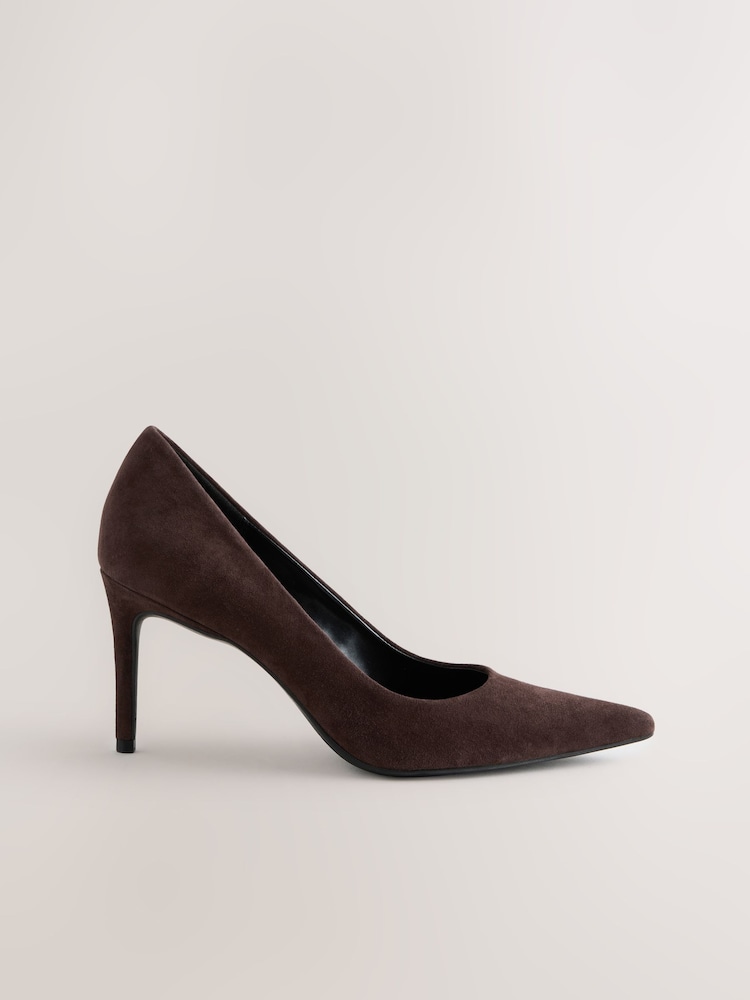
In the ever-evolving landscape of fashion, where trends flicker and fade with the seasons, there exists a rare category of item that transcends the cyclical nature of style. It is not merely an accessory but a foundational piece, a sartorial constant that offers both anchor and accent to a multitude of ensembles. This piece is the chocolate brown heels. More than just footwear, they are a design principle, a tool for self-expression, and a surprisingly scientific ally in crafting a cohesive, seasonless wardrobe. Their versatility isn’t a marketing myth; it is rooted in color theory, historical fashion evolution, and practical psychology. From the crisp whites of summer linen to the deep knits of winter, a pair of well-chosen chocolate brown heels moves with grace and intention, proving that true style lies not in constant consumption, but in intelligent curation.
The Chromatic Anchor: Why Brown is Not Just Brown
To understand the power of the chocolate brown hue, one must move beyond basic color wheels and into the realm of practical color theory. Unlike stark black or pure white, brown is a complex, low-chroma color. As explained in resources from authoritative institutions like the Pantone Color Institute, brown is essentially a dark orange or a desaturated mix of multiple pigments, giving it an inherent warmth and depth. This complexity is its superpower. Chocolate brown, specifically, carries undertones of red and warmth, making it exceptionally friendly to human skin tones. It lacks the visual “stop” of black, which can sometimes sever the line of the body, and the high-maintenance quality of bright white. Instead, it creates a visual bridge. When you wear a chocolate brown heel, you are not just adding a shoe; you are introducing a grounding, neutral element that harmonizes disparate colors in your outfit. It can temper a bright floral dress, add richness to a monochrome beige ensemble, or provide a sophisticated counterpoint to classic denim. This chameleon-like ability to both complement and contrast is what positions it as a cornerstone for a versatile wardrobe. Fashion historian Dr. Valerie Steele, in her writings for The Museum at the Fashion Institute of Technology, has often noted how “neutral” colors in fashion gain prominence during periods valuing practicality and longevity, a sentiment echoed in modern sustainable fashion movements.
From Practicality to Power: A Brief Historical Footprint
The elevation of the heel itself, and specifically the brown heel, from utilitarian object to style icon is a narrative woven through centuries. Initially, heels served practical purposes for horsemanship in Persian cultures, as documented in historical texts. Their adoption into European aristocratic fashion, as detailed by scholars like Elizabeth Semmelhack of the Bata Shoe Museum, signified status and power—literally elevating the wearer above the grime of the streets. The brown leather riding boot, a precursor to the modern fashion heel, was a staple of both masculine and later, adapted feminine, equestrian attire. Fast forward to the 20th century, and we see the heel become a definitive symbol of feminine allure and professional authority. The specific embrace of chocolate brown as a fashionable neutral gained significant momentum in the 1970s, a decade defined by earthy tones and a rejection of overly synthetic palettes. It represented a connection to nature, authenticity, and a more relaxed, yet still put-together, elegance. This historical context isn’t mere trivia; it informs the shoe’s modern DNA. When you slip on a pair of chocolate brown heels, you are tapping into a lineage of practicality transformed into power. You are choosing a color with historical depth and associative warmth, rather than a fleeting trend color. As style icon Diana Vreeland once famously quipped, “The eye has to travel,” and a chocolate brown heel gives it a rich, interesting, and stable journey.
The Seasonless Strategy: A Heel for All Reasons
The promise of a “wardrobe staple” is tested across the climatic and social calendar. Let’s deconstruct how this single item fulfills its role throughout the year, providing objective style solutions that negate the need for constant seasonal shoe shopping. In spring, as pastels and lighter fabrics emerge, a sleek chocolate brown heel made of matte leather or suede provides the necessary grounding. It prevents a head-to-toe pastel look from appearing washed out, adding a touch of sophistication that white sneakers cannot achieve. Transitioning into summer, the same pair works with everything from crisp white trousers and a striped tee to a flowing maxi dress. The warm brown tone harmonizes with sun-kissed skin and natural materials like linen and cotton, avoiding the harsh contrast that black can sometimes create in bright sunlight. As autumn arrives with its own palette of ochre, burgundy, and olive, the chocolate brown heel finds its most natural harmony. It belongs within this spectrum of earthy tones, creating cohesive, layered looks that feel intentional and curated. Finally, in winter, it continues to serve by pairing flawlessly with dark denim, charcoal wool, and even festive velvets. A suede version adds texture against sleek winter fabrics, while a patent leather style can catch the low winter light beautifully. This year-round applicability is not anecdotal; it’s a direct function of its position on the color spectrum, acting as a universal donor that enhances rather than competes.

The Psychology of the Stable Foundation
Beyond the visual, there is a psychological dimension to wearing a versatile staple. Decision fatigue is a well-documented cognitive phenomenon, where the quality of one’s decisions deteriorates after a long session of decision making. A curated wardrobe, built around reliable anchors like the chocolate brown heels, directly combats this. By removing the “what shoes?” question from your morning routine, you conserve mental energy for more consequential decisions. Furthermore, the confidence derived from knowing you are appropriately and stylishly dressed is supported by the concept of “enclothed cognition”—the systematic influence that clothes have on the wearer’s psychological processes, as explored in research from institutions like Northwestern University. A shoe that you trust to look right in multiple contexts empowers you to move through your day with a foundational layer of self-assurance. It is not just a shoe; it is a tool for efficient and confident living. This psychological benefit translates into tangible value, reducing the impulse for panic purchases and encouraging a more mindful, cost-effective approach to fashion over time.
Investment Logic: Cost-Per-Wear and Timeless Design
In an economic climate where value is paramount, the concept of cost-per-wear becomes a critical metric for intelligent shopping. A trendy, brightly colored heel worn three times before falling out of favor carries a high cost-per-wear. In contrast, a classic pair of chocolate brown heels, designed with clean lines and quality materials, is worn dozens, if not hundreds, of times across years and seasons. Its cost-per-wear diminishes rapidly, representing a far smarter financial investment. This isn’t just personal finance advice; it’s a principle echoed by sustainable fashion advocates and economists alike. The initial price point should be evaluated through this lens. Investing in a well-constructed pair from a reputable brand—paying attention to factors like real leather construction, a comfortable last, and a secure heel block—ensures longevity. This is where professional knowledge benefits the user: understanding that a slightly higher upfront cost for quality materials and craftsmanship leads to long-term savings and satisfaction. Brands that offer classic styles often have seasonal sales or loyalty discounts, allowing the astute shopper to acquire this cornerstone piece at a discounted price, further amplifying its value proposition. The goal is to shift from being a consumer of disposable fashion to an investor in a personal style portfolio.
Curating Your Perfect Pair: Silhouette and Substance
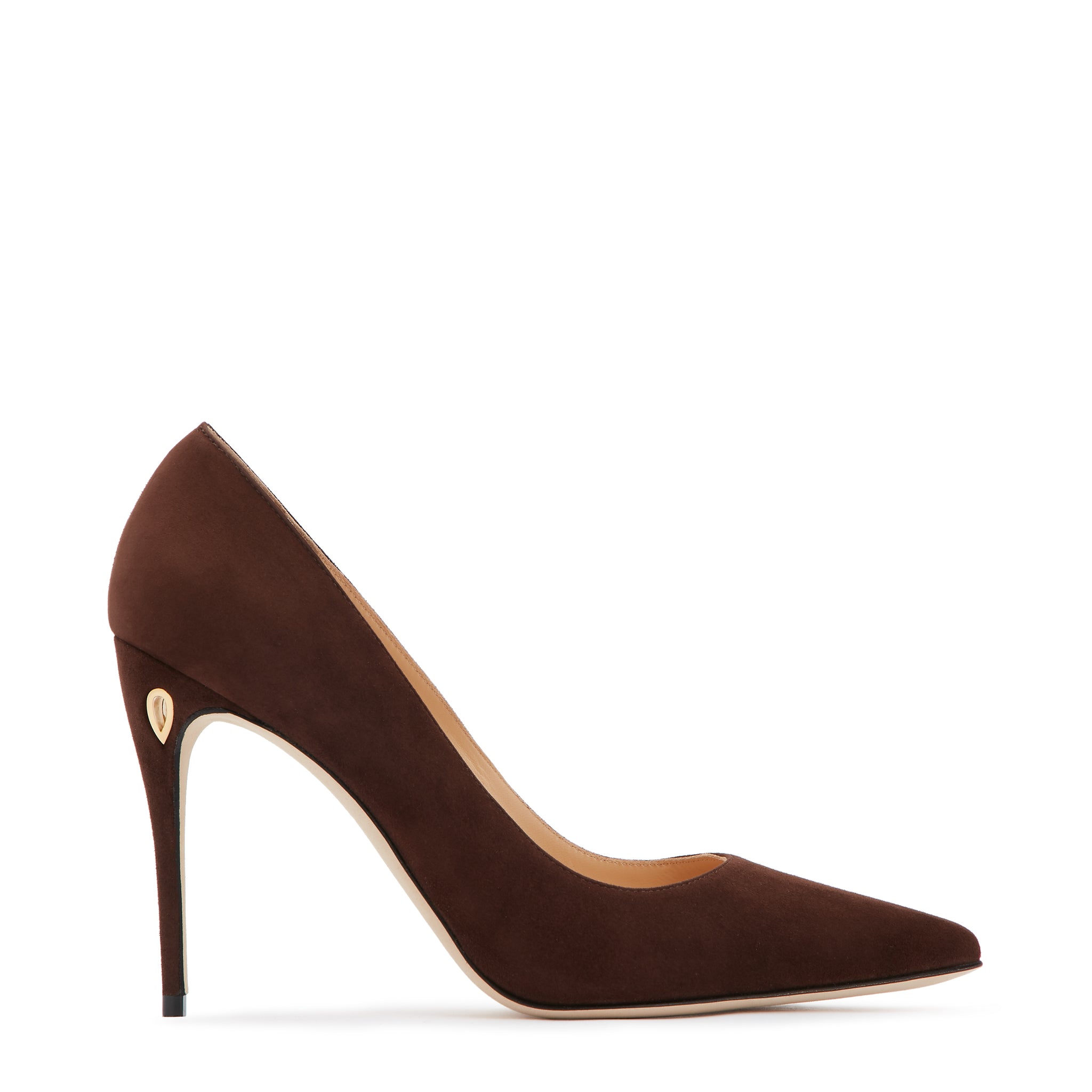
Not all chocolate brown heels are created equal, and the “perfect” pair is deeply personal. The key is to align the shoe’s silhouette with your lifestyle and existing wardrobe architecture. For maximum versatility, consider a pump with a mid-height block heel—it offers elevation and polish while maintaining walkability for professional settings or day-to-evening transitions. A slingback style provides a slightly more relaxed, yet equally elegant, option. For those prioritizing comfort without sacrificing style, a modern almond-toe kitten heel in rich brown suede is a formidable choice. The material matters immensely: smooth calfskin offers a formal, reflective finish, while suede provides a tactile, softer look that excels in autumn and winter. When trying on pairs, pay attention to the fit through the arch and the ball of the foot; a well-fitting heel feels secure, not precarious. This is not the place to compromise. By applying this professional knowledge—prioritizing fit, material, and a timeless silhouette over decorative extremes—you select a tool that will work for you, not against you, for years to come.
The pursuit of a streamlined, effective, and expressive wardrobe is less about minimalism for its own sake and more about strategic acquisition. The chocolate brown heels stand as a testament to this philosophy. They are a synthesis of art and science, history and psychology, financial sense and sartorial flair. They ask for an initial moment of considered choice and, in return, grant countless moments of effortless confidence. They are the quiet, reliable engine of a wardrobe that works across all seasons, for all occasions, proving that the most powerful style statements are often made not with a shout, but with a grounded, elegant, and unmistakably versatile step.

