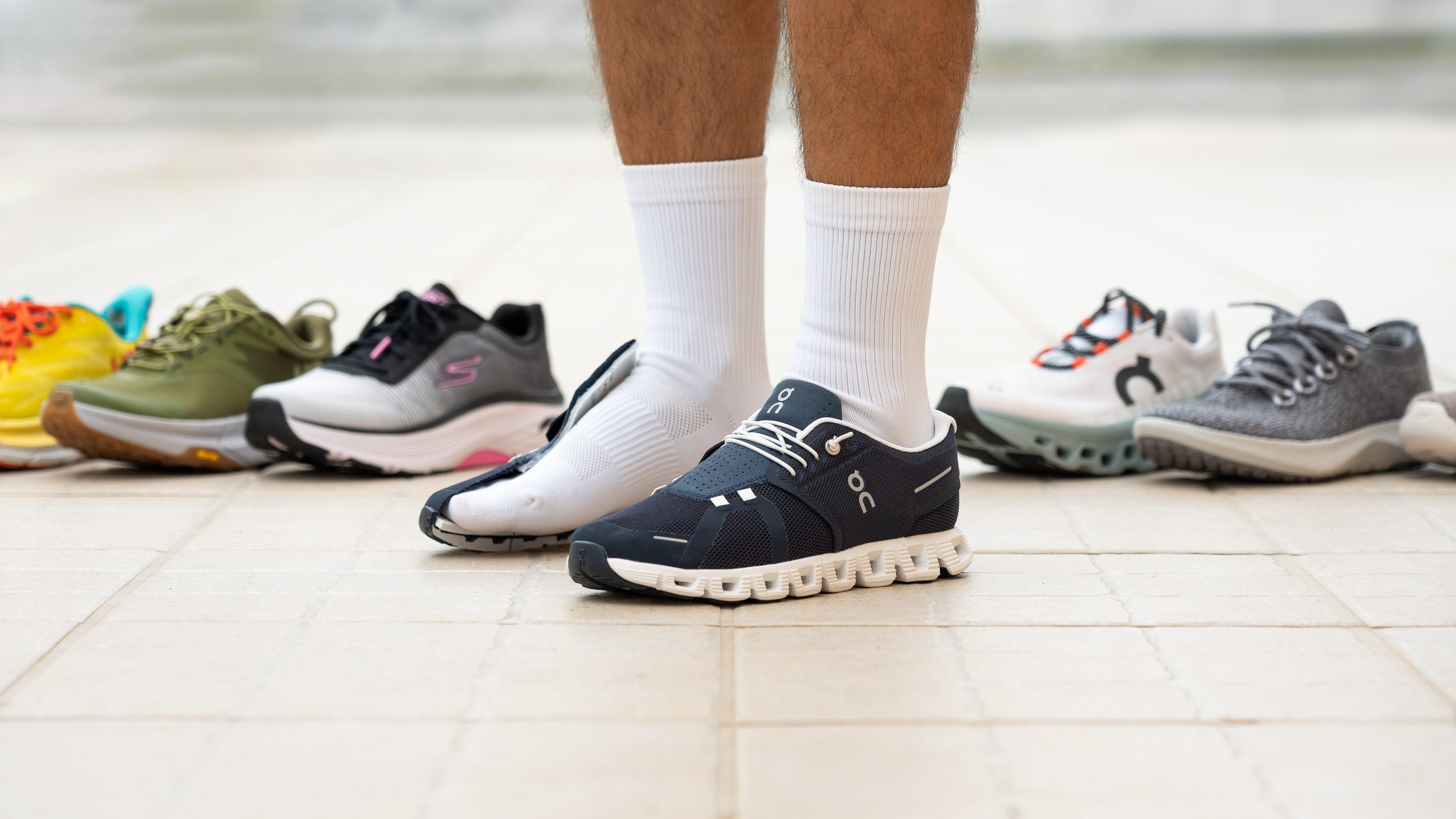
The Walking Shoe: Your Ultimate Guide to Comfort and Style
Forget the notion that comfort and style exist in separate worlds. The modern walking shoe has evolved into a sophisticated piece of footwear technology, engineered to support your body through thousands of steps while making a definitive statement about your personal aesthetic. This isn’t about settling for one over the other; it’s about understanding how the right shoe can elevate your daily life, from your physical well-being to your confidence. We’re moving beyond the basic sneaker into a realm where biomechanics meets design, where every component serves a purpose. Let’s explore what makes a great walking shoe and how to find the pair that feels like it was made just for you.
The Anatomy of Comfort: More Than Just a Soft Sole
When we speak of comfort in a walking shoe, we’re referring to a complex symphony of engineering, not merely a plush insole. True comfort is structural and preventative. It begins with the midsole, often crafted from materials like EVA (ethylene-vinyl acetate) or polyurethane, which absorbs the shock of each heel strike—a force that can be up to three times your body weight. The rocker sole, a design feature championed by brands like HOKA ONE ONE, facilitates a smooth heel-to-toe transition, reducing strain on the calf and Achilles tendon. Then there’s the matter of the toe box. As noted by the American Podiatric Medical Association, a shoe that allows your toes to splay naturally upon impact is crucial for stability and can prevent issues like bunions and neuromas. The upper’s breathability, often achieved through engineered mesh, regulates temperature and moisture, preventing the friction that leads to blisters. This holistic approach to comfort is what separates a casual shoe from a dedicated walking shoe designed for the long haul.
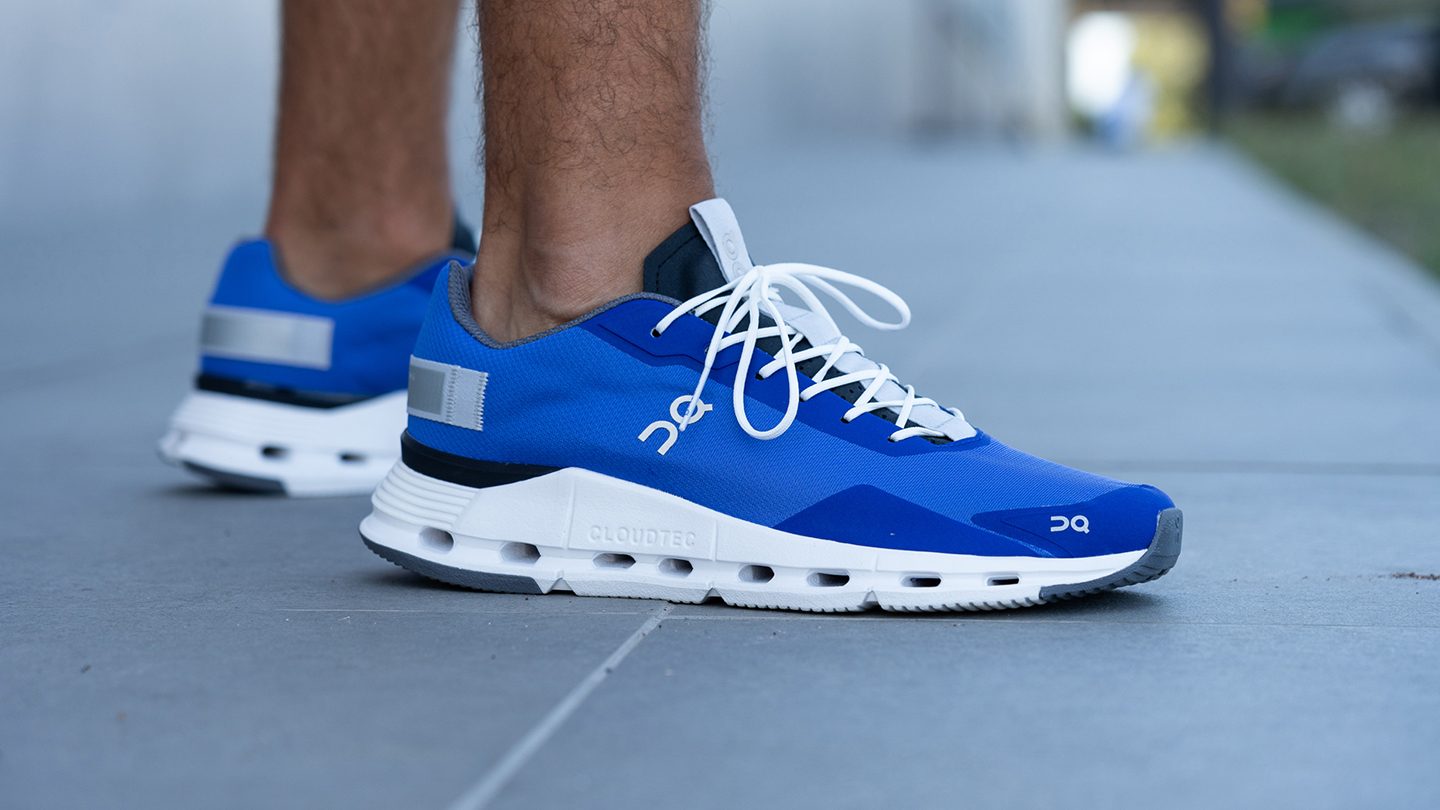
The Critical Role of Proper Fit and Gait Analysis
You can own the most technologically advanced shoe on the market, but if it doesn’t fit your unique foot, it’s merely an expensive decoration. Fit is the non-negotiable foundation. This goes beyond length; it encompasses width, arch support, and volume. Many specialty running stores offer free gait analysis, using treadmills and slow-motion video to observe how your foot moves. Do you overpronate (your foot rolls inward excessively), supinate (rolls outward), or have a neutral gait? This analysis isn’t just industry jargon; it’s applied biomechanics. A study from the University of Calgary’s Human Performance Laboratory emphasizes that footwear matching an individual’s gait pattern can significantly reduce the risk of overuse injuries. For the overpronator, a walking shoe with structured support or motion control is key. For the supinator or neutral walker, a focus on cushioning and flexibility often takes precedence. Remember, your feet swell throughout the day, so shop for shoes in the afternoon or evening for the most accurate fit.
Where Science Meets Style: The Aesthetic Evolution
The historical dichotomy between “ugly comfort shoes” and “painfully stylish” footwear is crumbling. Today’s leading brands are proving that ergonomic design can be visually compelling. Consider the resurgence of chunky soles, or “dad shoes.” While a fashion trend, this design often incorporates a wider platform that inherently provides greater stability, a principle supported by podiatric science. The use of monochromatic colorways, sleek lines, and premium materials like suede and recycled knits allows a performance walking shoe to transition seamlessly from a morning power walk to a casual lunch. As designer Tinker Hatfield, the mind behind iconic Nike Air Max, famously stated, “Design must reflect the practical and aesthetic in business but above all… good design must primarily serve people.” This philosophy is now the industry standard. The shoe is no longer just a tool; it’s an extension of personal style, built on a platform of undeniable comfort.

Material Innovation: Sustainability and Performance
The quest for the perfect walking shoe is driving remarkable material innovation, with a strong tilt toward sustainability. The traditional leather upper is being supplemented and replaced by engineered meshes made from recycled polyester and plastic bottles. Brands like Allbirds popularized the use of merino wool and eucalyptus tree fiber for temperature regulation and softness. Even the foam in midsoles is being reimagined; for instance, Brooks uses a DNA LOFT foam that combines air, rubber, and foam for a balance of softness and durability, while also exploring bio-based materials. This shift isn’t merely greenwashing for marketing points. As outlined in literature from the MIT Materials Science and Engineering department, advanced polymers and bio-materials can offer superior performance characteristics—lighter weight, better moisture-wicking, and longer lifespan—while reducing environmental impact. When you choose a shoe built with these innovations, you’re investing in a product that cares for your feet and the planet.
Knowing When to Say Goodbye: The Lifespan of a Shoe
A common and costly mistake is holding onto walking shoes long past their expiration date. The cushioning and support materials break down gradually with use, long before the outer sole shows significant wear. The general consensus among sports medicine professionals, including those cited on platforms like Verywell Fit, is to replace walking shoes every 300 to 500 miles. For someone walking 5 miles a day, 5 days a week, that’s just 3 to 5 months. Continuing to use worn-out shoes is an invitation for a cascade of issues: plantar fasciitis, shin splints, knee pain, and even back discomfort. The body is a kinetic chain; compromise at the foundation affects everything above it. Pay attention to signals. Do your feet, legs, or joints feel more fatigued or achy after your usual walk? Does the shoe no longer feel as supportive or springy? These are your body’s alerts that the protective capabilities of your trusted walking shoe have diminished, and it’s time for a new pair.
:max_bytes(150000):strip_icc()/when-should-i-replace-my-walking-shoes-3436325-0801-7a1840d83573471092e0380f9e230ecc.jpg)
Investing in Your Foundation: A Decision That Pays Dividends
Viewing a quality walking shoe as an expense is a short-sighted perspective. It is, in fact, one of the most impactful investments you can make in your long-term health and daily quality of life. Think of it as preventive medicine. A well-chosen shoe mitigates the repetitive stress of walking, protecting your joints and soft tissues. This can mean the difference between staying active into later life and dealing with chronic mobility issues. The psychological benefit is equally potent. When your feet feel good, your mood lifts, your posture improves, and your willingness to engage with the world increases. It empowers you to walk further, explore more, and embrace spontaneity. In the words of the ancient philosopher Lao Tzu, “A journey of a thousand miles begins with a single step.” Ensure that step is taken in a shoe that honors the journey. The right pair doesn’t just carry you; it propels you forward with confidence, mile after comfortable mile.