

The Ultimate Guide to Tennis Shoes for Walking
Walking is a fundamental human activity, yet the footwear we choose for it is often an afterthought. Many reach for running shoes, fashion sneakers, or even repurpose old athletic shoes, overlooking a category specifically engineered for the biomechanics of walking: tennis shoes for walking. This guide dismantles the myth that any comfortable sneaker will do. Instead, we will explore why the structural design of a walking-optimized tennis shoe is not just a marketing term but a scientific necessity for comfort, injury prevention, and long-term joint health. The journey from a casual stroll to a purposeful, health-boosting daily habit begins with understanding what lies beneath your feet.
The Biomechanical Divide: Why Walking Demands Its Own Design
To comprehend the value of specialized tennis shoes for walking, one must first understand the stark biomechanical differences between walking and other activities like running. Dr. Casey Kerrigan, a former professor of physical medicine and rehabilitation at Harvard University and founder of a footwear science company, has extensively researched gait mechanics. Her work, cited in publications like The Journal of the American Medical Association, highlights that running involves a “flight phase”—a moment where both feet are off the ground—leading to impact forces of 2-3 times body weight upon landing. Walking, in contrast, is a continuous, ground-contacting motion with a rolling heel-to-toe transfer of weight, generating forces of about 1.5 times body weight. This fundamental difference dictates shoe design. A running shoe prioritizes massive heel cushioning to dampen violent vertical impact. A walking shoe, however, must prioritize flexibility through the forefoot to facilitate the smooth roll-off, coupled with a beveled or rounded heel to encourage a natural heel strike and transition. Using a stiff running shoe for walking can actually impede your natural gait, causing premature fatigue and subtle strain on the Achilles tendon and plantar fascia. The science is clear: the motion dictates the mechanics, and the mechanics dictate the ideal footwear. Therefore, selecting a shoe designed for the specific kinematics and kinetics of walking is not a luxury; it is an application of biomechanical principle.
Deconstructing the Perfect Walk: Key Features of a Walking Tennis Shoe
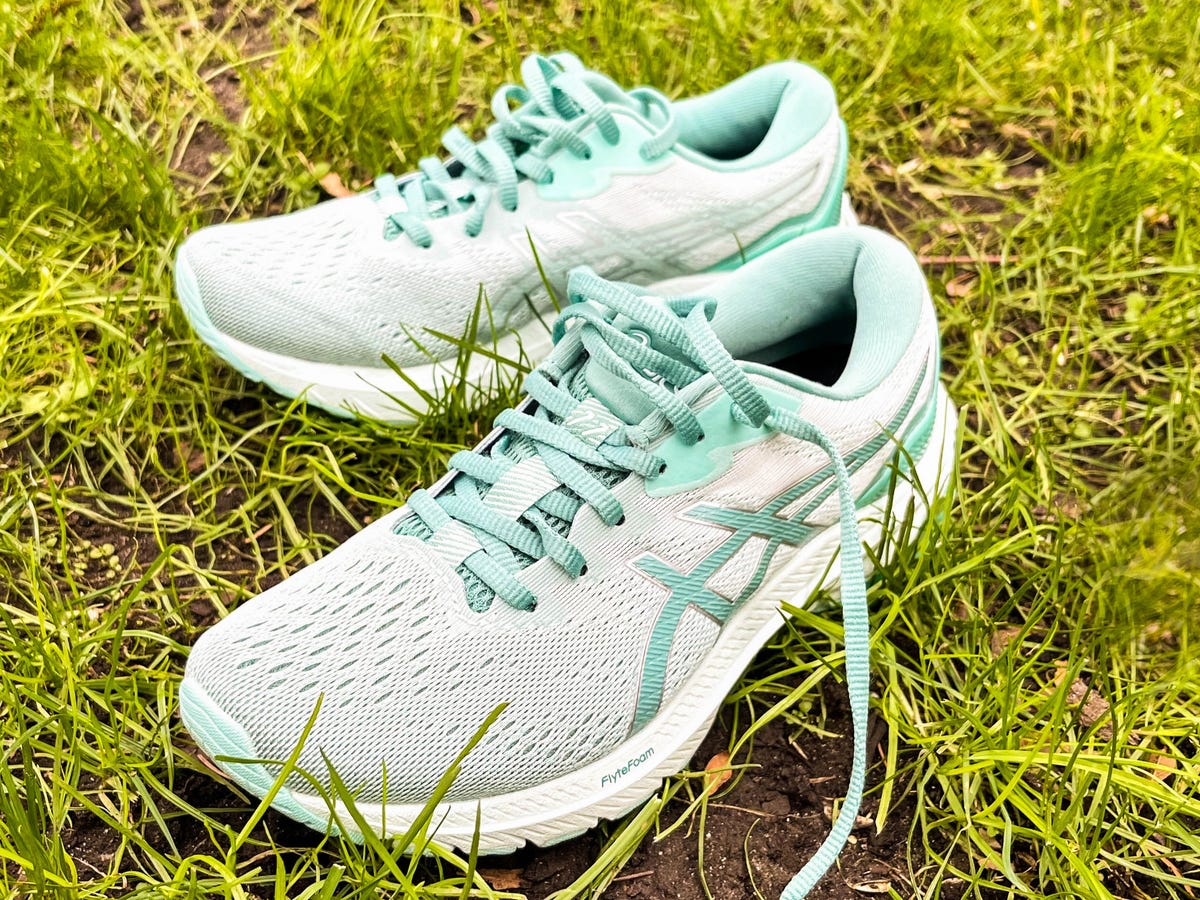
When evaluating tennis shoes for walking, several non-negotiable features emerge from podiatric literature and footwear engineering standards. First is Heel Counter Rigidity. The heel counter is the firm cup that cradles your calcaneus (heel bone). A study from the University of Virginia’s Motion Analysis and Motor Performance Laboratory emphasizes that a firm, well-structured heel counter reduces excessive rearfoot motion (pronation and supination), enhancing stability and aligning the foot for an efficient stride. Second is Forefoot Flexibility. As established, the walking gait requires a smooth toe-off. The shoe must bend easily at the ball of the foot, a point often tested in reviews by authorities like Runner’s World (which also extensively tests walking shoes). Third is Midsole Cushioning and Geometry. Unlike running shoes, the cushioning here doesn’t need to be ultra-soft; it needs to be resilient and supportive, often using compounds like EVA or polyurethane. The geometry is crucial: a lower heel-to-toe drop (the height difference between heel and forefoot) of 4-8mm is common in walking shoes, promoting a more natural, midfoot-accentuated stance compared to the higher drops in some running shoes. Finally, consider the Outsole Traction and Durability. Walking involves constant contact with varied surfaces. A durable rubber outsole with a multi-directional tread pattern, as seen in many court shoes adapted for walking, provides the necessary grip without being overly aggressive. These features coalesce into a single purpose: to support the foot’s natural rolling motion while protecting it from the repetitive stress of thousands of steps per day.
:max_bytes(150000):strip_icc()/vwt-walking-shoes-test-ryka-devotion-x-sahara-borja-02-18807b688fbb49e4ba30a3ee438600cb.jpeg)
Beyond the Hype: Material Science and Foot Health
The conversation around athletic footwear often gets lost in marketing jargon. Let’s ground it in material science and podiatry. The upper material of a quality walking shoe should offer breathability (like engineered mesh) and structured support (through synthetic overlays). Internally, the insole or sockliner is critical. Many podiatrists, including Dr. Jacqueline Sutera, a spokesperson for the American Podiatric Medical Association, advocate for removable insoles. This allows for customization with orthotics if needed, a feature not always available in highly contoured running shoes. The midsole technology is where brands differentiate themselves. For instance, ASICS incorporates GEL cushioning, a silicone-based material that attenuates shock waves, a technology whose efficacy has been studied in biomechanics journals. Brooks uses DNA LOFT, a blend of EVA, rubber, and air for a balance of softness and responsiveness. The objective is not to create a pillowy-soft feel that destabilizes the foot, but to provide targeted cushioning that manages impact without sacrificing proprioception—your foot’s awareness of its position. As noted on the University of Pittsburgh Medical Center’s health blog, proper footwear is a first-line defense against common ailments like plantar fasciitis and shin splints. The right tennis shoes for walking act as a preventive tool, aligning the foot and ankle to distribute pressure evenly, thereby reducing strain on the plantar fascia and the tibial bones.
The Personal Fit: How to Select Your Walking Companion
Knowledge of features is useless without application to your unique physiology. The most scientifically advanced shoe is a liability if it doesn’t fit correctly. Here is a step-by-step, evidence-based approach to selection. First, Timing: Always shop for shoes in the late afternoon or evening, as feet naturally swell throughout the day, sometimes by up to half a size, as per data from the American Orthopaedic Foot & Ankle Society. Second, Sizing: There should be a thumb’s width (about 1.3 cm) of space between your longest toe (which isn’t always the big toe) and the end of the shoe. This accommodates foot spread and swelling during activity. Third, Width and Volume: The shoe should feel secure around the midfoot and heel without pressure points. The “wiggle room” test for toes is essential. Fourth, Gait Analysis: While complex lab analysis is ideal, a simple wet foot test (observing your footprint on a dry surface) can indicate if you have a high, neutral, or low arch. Many specialty running and walking stores offer video gait analysis. This can inform whether you need a neutral shoe, a stability shoe (for overpronation), or a motion-control shoe (for severe overpronation). Remember, the goal of tennis shoes for walking is not to correct your gait radically but to support its most efficient and natural expression. Trying on multiple pairs and walking around the store, not just standing, is non-negotiable. Listen to your body, not just the sales pitch.
Investment vs. Expense: The Long-Term Value Proposition
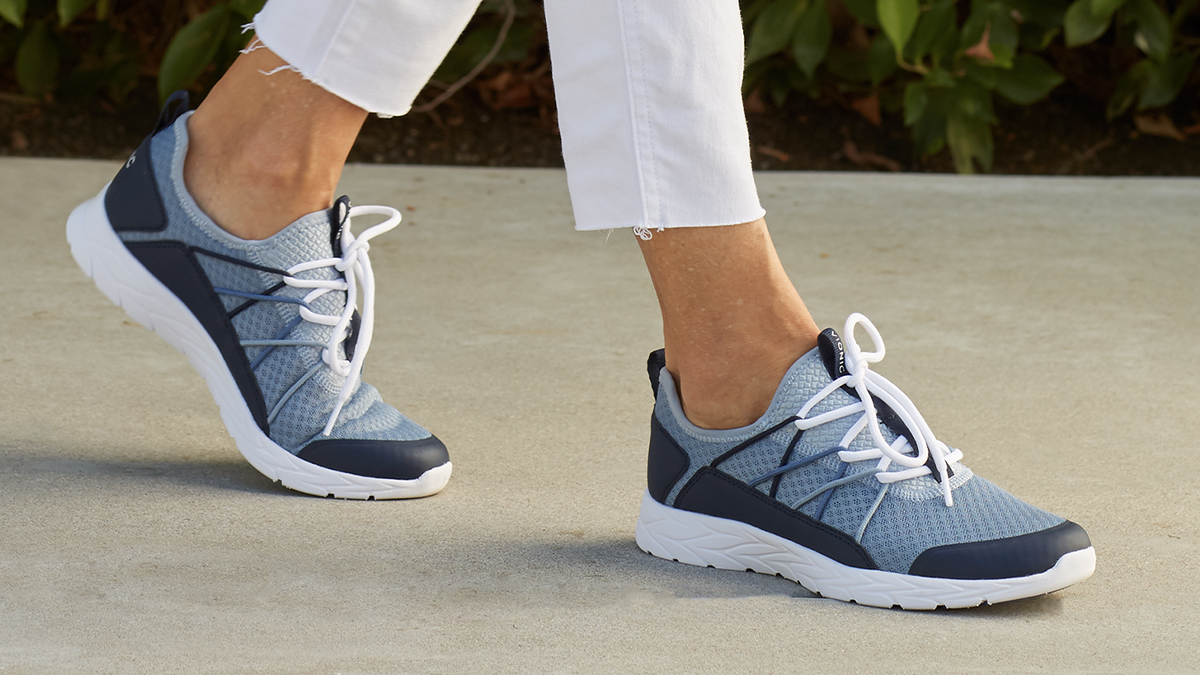
High-quality tennis shoes for walking represent an investment in your musculoskeletal health, not merely an expense. Consider the cost-per-wear calculation. A $120 pair of shoes worn for 500 miles of walking (a common replacement benchmark recommended by experts like those at the Walkers Club of America) costs $0.24 per mile. If that shoe prevents even one visit to a physical therapist for knee or foot pain, it has likely paid for itself several times over. Furthermore, the market offers tremendous value. Brands like New Balance, Saucony, and ASICS often have previous-season models available at significant discounts (30-50% off) on their official websites or authorized retailers like Zappos and REI. These models retain the core technologies—the stability systems, cushioning compounds, and durable outsoles—with only aesthetic updates in the newer versions. Subscribing to brand newsletters or setting price alerts on shopping platforms can yield substantial savings. The key is to identify the model that works for your foot through proper fitting, then seek out its discounted predecessor. This strategy brings professional-grade footwear technology within reach, ensuring you don’t have to compromise on support for the sake of your budget. Your walking routine is a commitment to health; your shoe should be a committed partner in that journey, not a weak link.

Stepping Forward with Confidence
The path to a more enjoyable, sustainable, and beneficial walking practice is paved with intention, starting from the ground up. The specialized design of tennis shoes for walking is a synthesis of biomechanics, material science, and podiatric medicine, crafted to harmonize with the human gait rather than work against it. By choosing footwear that respects the unique mechanics of walking, you are not just buying a product; you are enabling a healthier, more resilient physical foundation. Let your next step be an informed one, in shoes that transform walking from a simple act of locomotion into a profound investment in your lifelong mobility and well-being.
