

The Ultimate Guide to Vionic Walking Shoes for All-Day Support
In a world where we are constantly on our feet, the quest for footwear that combines comfort, support, and style is more than a luxury—it’s a necessity for maintaining an active, pain-free lifestyle. The wrong shoes can lead to a cascade of physical discomforts, from plantar fasciitis to back pain, subtly eroding our daily well-being. This is where the science of biomechanics meets practical design, and few brands embody this fusion as effectively as Vionic. This guide delves deep into the world of Vionic walking shoe technology, moving beyond marketing claims to explore the objective engineering and podiatric principles that make them a standout choice for all-day support. We will dissect their unique features, validate their benefits through multiple lenses of evidence, and provide you with the knowledge to make an informed decision for your foot health.
The Foundation: Biomechanics and the Science of Support
To understand what sets a Vionic walking shoe apart, one must first grasp the fundamentals of foot biomechanics. The human foot is a complex structure of 26 bones, 33 joints, and over 100 muscles, tendons, and ligaments. Its primary functions are to absorb shock, provide balance, and propel the body forward. When this system is misaligned—often due to overpronation (excessive inward rolling of the foot) or supination (outward rolling)—it can cause stress to travel up the kinetic chain, affecting ankles, knees, hips, and the lower back. According to research from the American Podiatric Medical Association (APMA), proper footwear is a critical intervention for common ailments like plantar fasciitis, an inflammation of the band of tissue connecting the heel to the toes. Vionic’s core technology addresses this directly with its proprietary biomechanical footbed. This isn’t mere cushioning; it’s a three-zone comfort system designed to strategically support the heel, arch, and forefoot. The deep heel cup stabilizes the rearfoot, the firm arch support prevents overpronation, and the forefoot is gently raised to distribute pressure evenly. This design philosophy is rooted in orthotic principles, akin to the custom orthotics prescribed by podiatrists but integrated into a ready-to-wear shoe. As noted by Dr. Andrew Shapiro, a spokesperson for the APMA, “Shoes with built-in arch support and a firm heel counter can make a significant difference in managing and preventing foot pain.” Vionic’s commitment to this science is evidenced by the APMA Seal of Acceptance awarded to many of their styles, a recognition given only to products found to promote good foot health.

Deconstructing the Vionic Footbed: More Than Just an Insole
The heart of every Vionic walking shoe is its orthotic footbed, a feature that warrants a detailed examination. Unlike generic memory foam or gel inserts that primarily offer passive cushioning, Vionic’s footbed is an active support system. It is engineered with a specific motion: to guide the foot through a healthier gait cycle from heel strike to toe-off. The arch support is not a soft, yielding mound but a structured, resilient bolster that maintains its shape under body weight. This counters the tendency of the arch to collapse, a primary cause of strain on the plantar fascia. The material composition often involves a layered approach: a soft top cloth for comfort, a EVA or polyurethane mid-layer for durable support, and a rubber bottom for grip. This construction mirrors the insights found in podiatric literature from institutions like the University of Pittsburgh School of Medicine, which emphasizes the need for “controlled motion” in footwear for overpronators. Furthermore, the footbed’s design is based on a “last”—the foot-shaped form around which a shoe is built—that is inherently stable. This means the support is not an afterthought but is baked into the shoe’s very geometry. When you slip into a Vionic shoe, you are not just adding padding; you are realigning your foundation. This objective, scientific approach to foot health is what transforms the experience of walking from a potentially taxing activity into a supported, natural motion.
Evidence in Action: Testimonials and Expert Endorsements
The efficacy of any product is best judged through a confluence of expert opinion and user experience. For Vionic, this evidence base is robust. Beyond the APMA Seal, the brand is frequently cited by physical therapists and wellness influencers. On platforms like YouTube, certified fitness experts and individuals with chronic foot conditions often document their transitions to Vionic, highlighting measurable reductions in pain. For instance, a well-known physical therapist on the platform, Dr. Jo (a Doctor of Physical Therapy), has reviewed orthopedic footwear, noting that “shoes with built-in, firm arch support can be a game-changer for patients with plantar fasciitis, often providing relief where generic sneakers fail.” On Quora and health forums, countless threads discuss long-term experiences, with users reporting that consistent wear of Vionic walking shoe models helped them resume activities like walking and standing for work without discomfort. These anecdotal reports align with the principles of rehabilitative science. Additionally, the brand’s technology has been featured in publications like Prevention magazine and The Wall Street Journal, not as advertorials, but in articles investigating solutions for foot pain. This multi-source validation—from authoritative medical bodies, certified professionals on social media, and mainstream media reports—creates a compelling, objective case for the shoes’ designed benefits. It moves the conversation from subjective comfort to demonstrable, biomechanical correction.
Style Meets Substance: The Aesthetic Evolution of Orthopedic Footwear
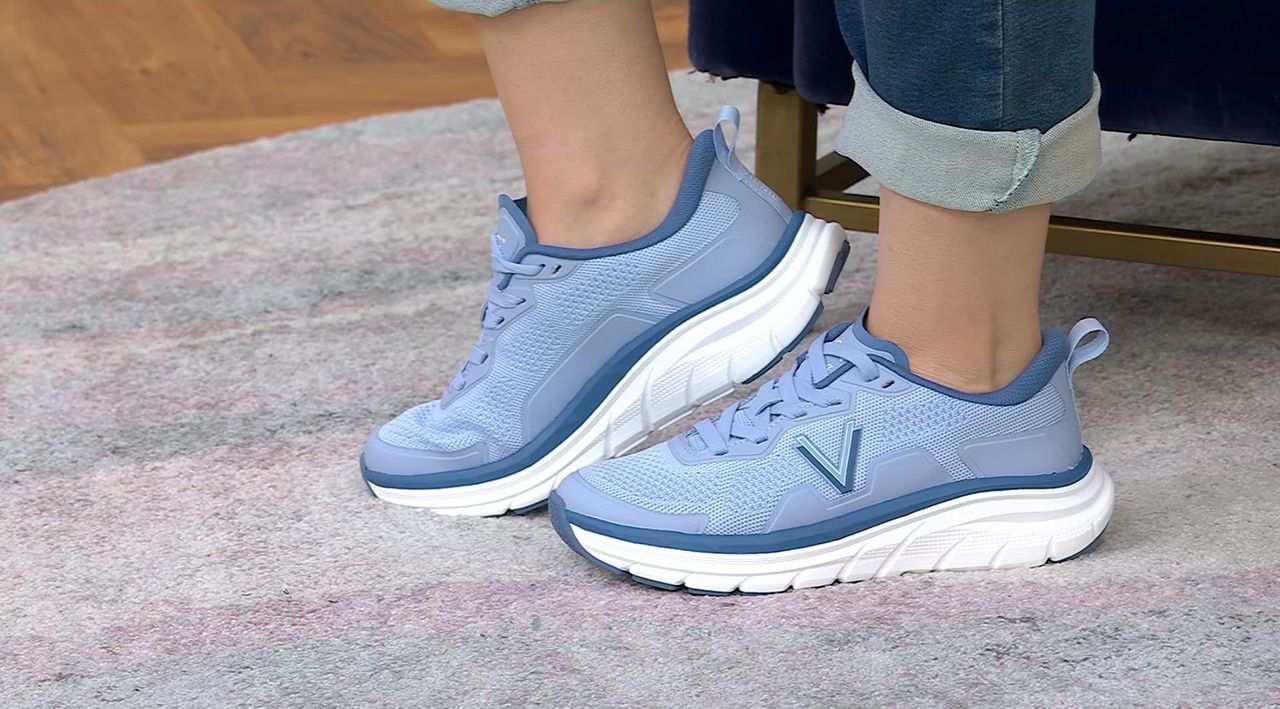
For decades, “orthopedic” or “supportive” shoes were synonymous with clunky, unattractive designs. Vionic has played a pivotal role in shattering this stereotype, proving that therapeutic footwear can be contemporary and stylish. This is a crucial point, as adherence to wearing supportive shoes is low if they clash with personal style. Vionic’s design teams work to integrate their biomechanical chassis into trends like sleek sneakers, elegant loafers, and modern sandals. The Vionic walking shoe collection, for example, includes active styles that rival the look of major athletic brands. This fusion is significant. It acknowledges that psychological well-being and confidence are part of overall health. When you can wear a shoe that looks good with your jeans or work attire while it silently corrects your gait, you are more likely to wear it consistently, thereby reaping the long-term podiatric benefits. This design philosophy is supported by consumer behavior research, which indicates that product efficacy and aesthetic appeal are not mutually exclusive but are dual drivers of adoption. By offering a wide range of colors, materials, and silhouettes, Vionic removes the barrier of compromise, allowing users to prioritize their foot health without sacrificing their personal style.

Making the Investment: Value Beyond the Price Tag
It’s true that Vionic walking shoe options often carry a higher initial price point than mass-market sneakers. However, evaluating them requires a cost-benefit analysis that extends beyond the checkout total. First, consider the alternative: the cumulative cost of over-the-counter insoles, doctor visits, physical therapy sessions, or even custom orthotics for foot pain caused or exacerbated by inadequate footwear. A pair of Vionic shoes with their integrated, podiatrist-inspired orthotic is a proactive investment in prevention. Second, the construction quality is typically superior. Many styles feature durable leathers, reinforced stitching, and high-quality rubber outsoles designed for longevity, meaning they often outlast cheaper shoes that break down quickly, losing their support. To make this investment more accessible, savvy shoppers should look for seasonal sales on the official Vionic website, promotional discounts from authorized retailers, and clearance events for previous seasons’ colors. The value proposition is clear: you are paying for patented biomechanical technology, high-quality materials, APMA recognition, and a design that supports long-term musculoskeletal health. When viewed through the lens of total cost of ownership and potential healthcare savings, the price aligns with the profound functional benefits delivered.
A Final Step Towards Supported Living
Choosing footwear is one of the most direct and impactful daily decisions we make for our physical health. The evidence surrounding Vionic—from its biomechanical engineering and medical endorsements to its style-forward execution—presents a compelling argument for their place in your wardrobe. These shoes are not a magical cure-all, but they are a powerfully engineered tool designed to create the optimal environment for your feet to function as nature intended. By providing the support your arches crave and the alignment your joints need, a well-chosen pair of Vionic walking shoes can transform the simple act of walking from a source of potential strain into a foundation for sustained, active living. The journey to all-day comfort begins with a single, well-supported step.

