

The Walking Shoe: Your Secret to Effortless Style and All-Day Comfort
Imagine a day where your feet feel as fresh in the evening as they did in the morning, where your shoes are a silent partner to your confidence, not a source of distraction. This isn’t a distant fantasy; it’s the tangible reality offered by the right pair of walking shoes. For too long, the concept of a walking shoe has been trapped in a dichotomy: either supremely comfortable but aesthetically lacking, or stylish yet punishing for any extended wear. We are here to dismantle that false choice. The modern walking shoe is a masterpiece of biomechanical engineering and design philosophy, a single item that unlocks a world of effortless style and unwavering comfort. It is the foundational piece that can transform your daily commute, your travel adventures, and your casual outings from endurance tests into experiences of genuine pleasure. This article will guide you through the science, the style, and the substance behind this essential item, proving that you no longer need to sacrifice one for the other.
The Anatomy of All-Day Comfort: More Than Just Cushioning
To understand why a dedicated walking shoe is non-negotiable, we must first delve into the biomechanics of walking. Unlike running, which involves a flight phase where both feet are off the ground, walking always keeps one foot in contact with the pavement. This results in a distinctive heel-to-toe rolling motion, or gait cycle, that places unique stresses on the feet, ankles, and knees. A shoe designed for running often prioritizes forward propulsion and impact absorption from a vertical strike. A walking shoe, however, must excel in facilitating a smooth roll from heel strike to toe-off. The key components are scientific marvels. The midsole, often made from advanced materials like EVA (Ethylene-Vinyl Acetate) foam or proprietary compounds like Brooks’ DNA LOFT or Hoka’s Profly, provides not just cushioning but also energy return. As noted by researchers in sports science literature, effective energy return can reduce the metabolic cost of walking, meaning your body expends less energy with each step. The heel counter—the firm cup at the back—must be structured to stabilize the heel, preventing excessive inward roll (pronation) or outward roll (supination), which are primary culprits for fatigue and injury. The American Podiatric Medical Association frequently emphasizes the importance of proper heel stability in footwear for long-term foot health. Furthermore, the flexibility of the forefoot is critical. A shoe that bends easily at the ball of the foot, where your foot naturally wants to flex, works with your physiology rather than against it. When these elements coalesce in a single design, the result is a sensation of supported ease that lasts for miles.

Ergonomic Design: The Bridge Between Science and Sensation
Ergonomics is the science of designing products to fit the user, optimizing human well-being and overall system performance. In the context of footwear, this translates to designs that accommodate the natural shape and movement of the foot. Consider the arch support. A one-size-fits-all arch is a myth; feet have varying arch heights (high, neutral, or low). Quality walking shoes often come in different support models or feature adaptable insoles. This isn’t a marketing gimmick; it’s grounded in orthopedics. Proper arch support maintains the foot’s natural alignment, distributing pressure evenly and preventing the plantar fascia ligament from over-stretching—a common cause of plantar fasciitis. Another ergonomic triumph is the toe box. The trend towards wider, foot-shaped toe boxes, popularized by brands like Altra, allows your toes to splay naturally upon impact. This splay acts as a shock absorber and provides a more stable base, enhancing balance. As biomechanist Katy Bowman argues in her book “Whole Body Barefoot,” constrained toes can lead to a cascade of postural issues. The upper material also plays a role. Modern engineered meshes provide breathability, reducing heat and moisture buildup, while strategic overlays offer structure without constriction. This holistic, ergonomic approach ensures the shoe becomes a seamless extension of your body, a tool that actively contributes to your comfort rather than merely containing your foot.
Style Reimagined: The Aesthetic Evolution of Performance Footwear
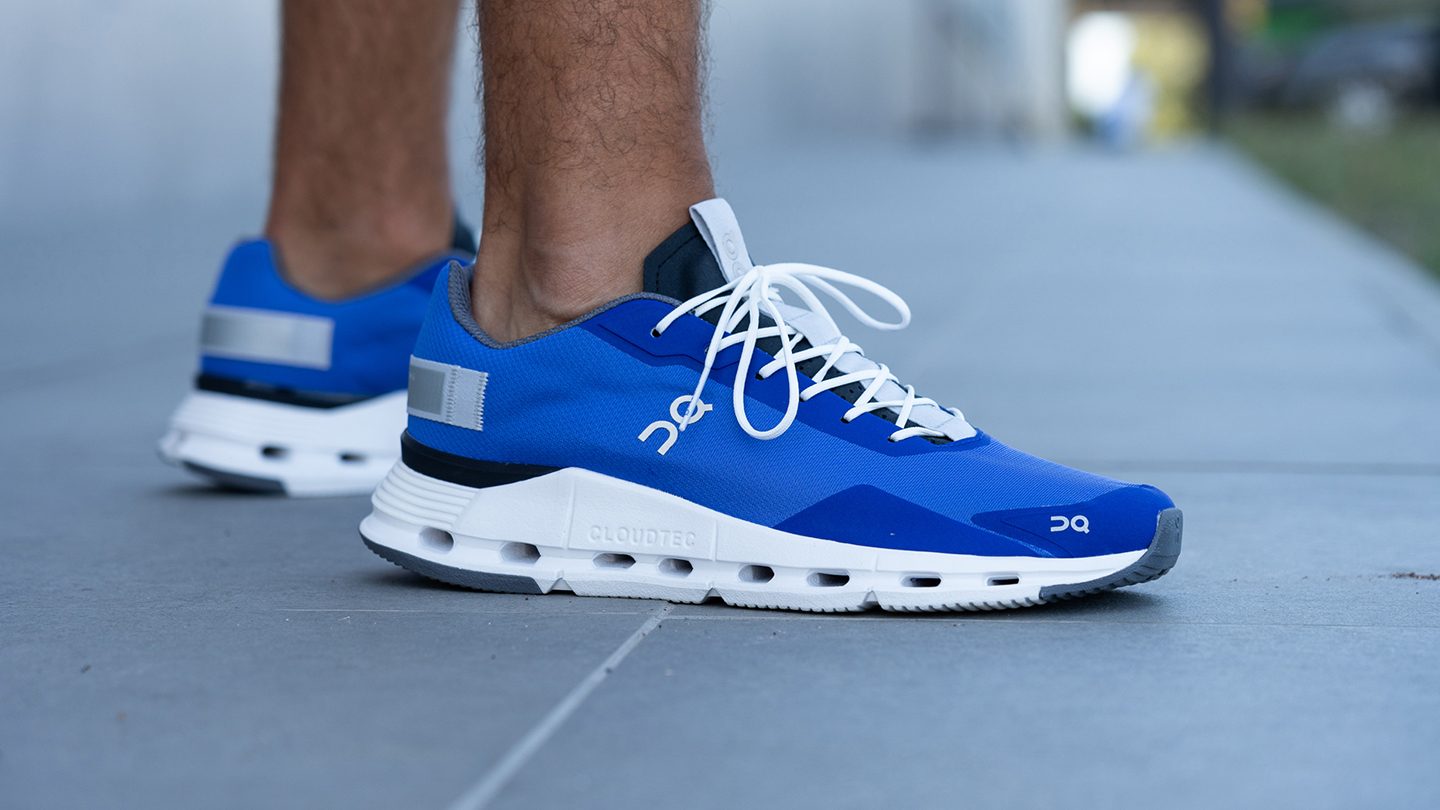
The perception that technical shoes must be clunky or visually loud is an artifact of the past. The last decade has witnessed a seismic shift, driven by the “athleisure” movement and a broader cultural acceptance of performance wear as everyday fashion. Designers and engineers now work in tandem from a product’s inception, ensuring that aesthetic appeal is baked into the DNA of the walking shoe. The principles of minimalist design—clean lines, monochromatic or thoughtfully coordinated color palettes, and the elimination of superfluous elements—have been successfully applied. Brands like Cole Haan, originally a dress shoe company, have fused Grand.ØS sneaker technology with leather uppers, creating hybrids that are as appropriate for a business-casual office as they are for a walk in the park. The influence of retro styles is also significant. Classic silhouettes from the 70s and 80s, re-released with contemporary cushioning and materials, offer a hit of nostalgia without compromising on comfort. This evolution means that the modern walking shoe can effortlessly transition from a morning dog walk to a lunch meeting to an afternoon of errands. It pairs as naturally with tailored trousers as it does with jeans or athleisure wear. The shoe ceases to be just a functional item and becomes a statement of a pragmatic, health-conscious, and stylish lifestyle. As fashion commentator Tim Blanks once noted, “The most powerful style is the one that doesn’t look like it’s trying.” A well-chosen walking shoe embodies this perfectly: its style is inherent, not applied.
Material Innovation: Where Technology Meets Texture
The surface appeal of a shoe is dictated by its materials, and here, innovation has been relentless. The use of premium suedes, nubucks, and even water-resistant leathers on uppers elevates the tactile and visual quality, moving far beyond the synthetic looks of old. Knitted uppers, pioneered by brands like Adidas with their Primeknit, offer a sock-like, adaptive fit that is both high-tech and sleek. These materials are not chosen for looks alone; they contribute directly to the shoe’s performance. A knitted upper provides targeted stretch and support, reducing potential pressure points. Furthermore, sustainability has become a major driver of material science. Recycled polyester from plastic bottles, organic cotton, and plant-based leather alternatives (like pineapple leaf fiber Piñatex) are increasingly common. This allows the conscious consumer to make a style choice that aligns with their values. The outsole, too, has seen aesthetic refinement. Carbon rubber pads placed in high-wear areas are often integrated seamlessly into the design, and the patterning of the tread (the lugs) can be both highly functional for grip and visually interesting. The result is a shoe where every component, seen and unseen, works in harmony to deliver an experience that is as pleasing to the eye as it is to the foot.
The Long-Term Partnership: Durability, Care, and Knowing When to Let Go
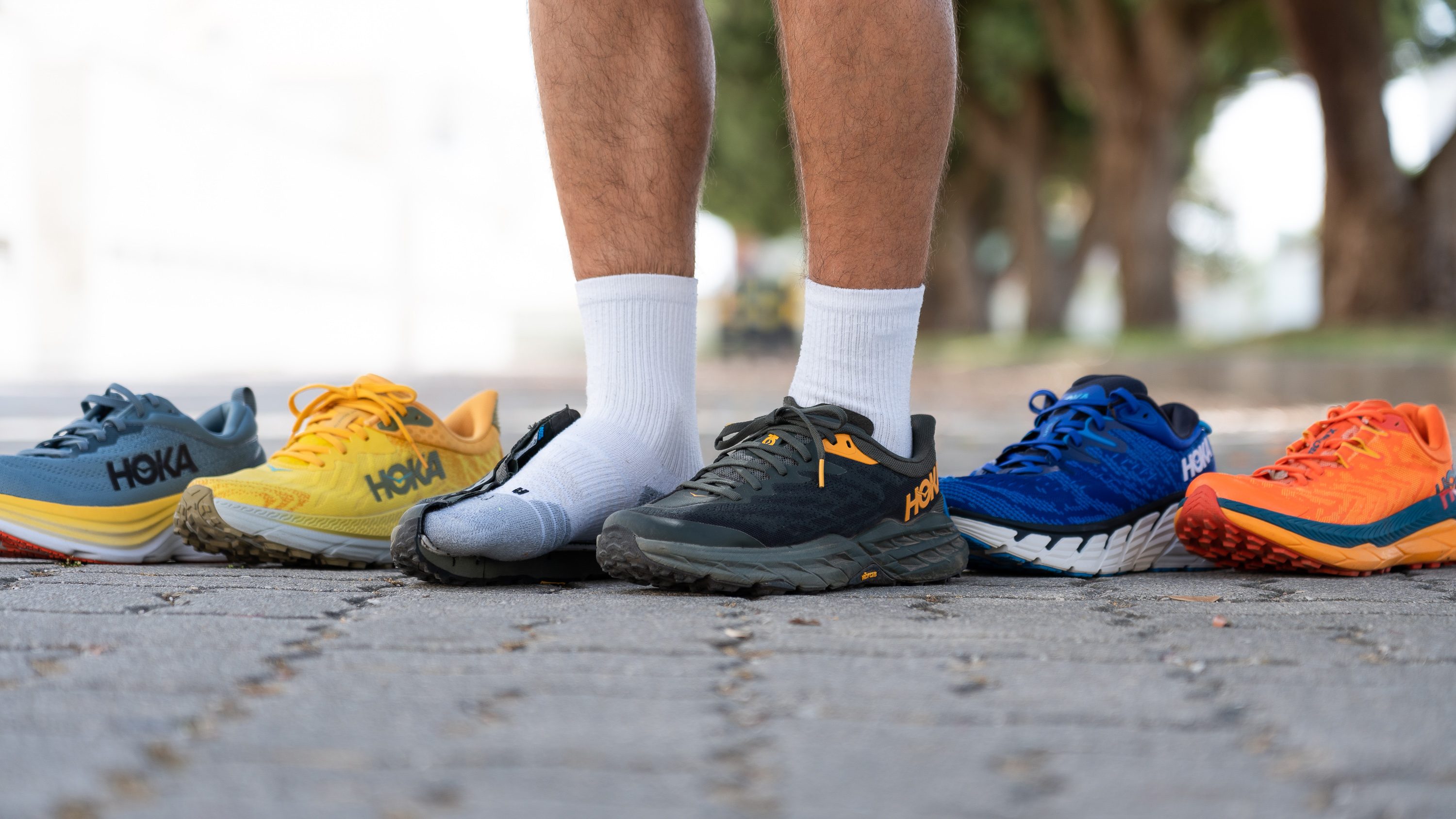
Investing in a quality pair of walking shoes is the beginning of a partnership. To maximize this relationship, understanding durability and care is crucial. The lifespan of a walking shoe is typically 300 to 500 miles, but this is heavily influenced by your weight, gait, and the surfaces you walk on. A key indicator of wear is not just the visible erosion of the outsole, but the compression of the midsole foam. You can perform a simple “twist test”: if you can easily twist the shoe, the midsole may be dead, losing its cushioning and support properties. As physical therapists often warn, worn-out shoes are a leading contributor to overuse injuries. To extend the life of your shoes, rotate between two pairs if possible, allowing the foam to decompress fully between wears. Avoid machine washing and drying, as the extreme heat and agitation can break down adhesives and deform materials. Instead, clean uppers with a soft brush, mild soap, and water. Stuff them with newspaper to absorb moisture and dry them at room temperature, away from direct heat. Furthermore, consider the purpose. A shoe designed for rugged trails, with a aggressive lug pattern and protective toe cap, will wear differently on pavement than a road-walking model. Matching the shoe to your primary activity is a form of preventative care. This mindful approach ensures your shoes remain a reliable source of comfort and style for their full intended lifespan.
:max_bytes(150000):strip_icc()/when-should-i-replace-my-walking-shoes-3436325-0801-7a1840d83573471092e0380f9e230ecc.jpg)
Making the Informed Choice: A Guide to Your Perfect Pair
With the science and style established, how do you select your ideal walking shoe? The process is personal and should be guided by intention. First, analyze your needs. Are you primarily on city sidewalks, forest paths, or a mix? For hard, even surfaces, focus on cushioning and flexibility. For uneven terrain, prioritize grip, stability, and a slightly more protective build. Second, fit is paramount. Shop in the afternoon when your feet are naturally slightly swollen. Wear the socks you intend to walk in. There should be about a thumb’s width of space between your longest toe and the end of the shoe. Your heel should be held firmly without slippage, and the widest part of your foot should align comfortably with the widest part of the shoe. Don’t be seduced by a “break-in period”; modern performance shoes should feel great from the first step. Third, consider specialized needs. Those with flat feet or overpronation may benefit from motion control or stability features, while neutral gaits can enjoy a wider range of neutral-cushioned models. Many specialty running stores offer gait analysis, a valuable service even for walkers. Finally, let style be your final filter. Once you’ve identified models that meet your technical criteria, choose the color and design that genuinely sparks joy and integrates with your wardrobe. This fusion of objective analysis and personal preference is the formula for finding a shoe you’ll love for every mile.
The journey to effortless style and all-day comfort is not about acquiring more, but about choosing better. The right walking shoe is a catalyst, quietly elevating your daily life by removing the friction of discomfort and the anxiety of inappropriate attire. It is an investment in your physical well-being and your personal presentation, a single decision that pays dividends with every step you take. In a world that often demands compromise, here is an area where you can—and should—demand excellence. Your feet, your style, and your day will thank you for it.
