

Step Into Style: The Ultimate Guide to Toe Walker Shoes
In the world of footwear, a specialized category exists not for fashion’s fleeting trends, but for a fundamental aspect of human movement. Toe walker shoes are more than just shoes; they are engineered responses to a distinct gait pattern. This guide delves beyond surface-level descriptions, merging scientific insight with practical considerations to explore the design, purpose, and impact of these unique shoes. Whether you’re seeking understanding for yourself, a child, or simply expanding your knowledge of biomechanics, this exploration aims to provide a comprehensive, evidence-based perspective.
The Biomechanics of Toe Walking: More Than a Habit
Toe walking, or equinus gait, is characterized by walking on the balls of the feet with minimal or no contact between the heels and the ground. While common in toddlers as they learn to walk, persistent toe walking beyond the age of two can be idiopathic (of unknown cause) or secondary to neurological, muscular, or orthopedic conditions such as cerebral palsy, muscular dystrophy, or autism spectrum disorder. From a biomechanical standpoint, chronic toe walking creates a shortened Achilles tendon and calf muscle complex, altering the body’s kinetic chain. This posture shifts the center of gravity forward, affecting balance and potentially leading to compensatory issues in the knees, hips, and lower back. The persistent strain on the metatarsal heads can also cause pain and callusing. Understanding this physiology is crucial, as it forms the foundational rationale for the design of specialized footwear. Toe walker shoes are not designed to accommodate the walk in a passive way; they are actively engineered to gently resist the upward pull of the heel, encourage a heel-to-toe rocking motion, and provide the stability the atypical gait pattern lacks.
Deconstructing the Design: Key Features of Effective Toe Walker Footwear
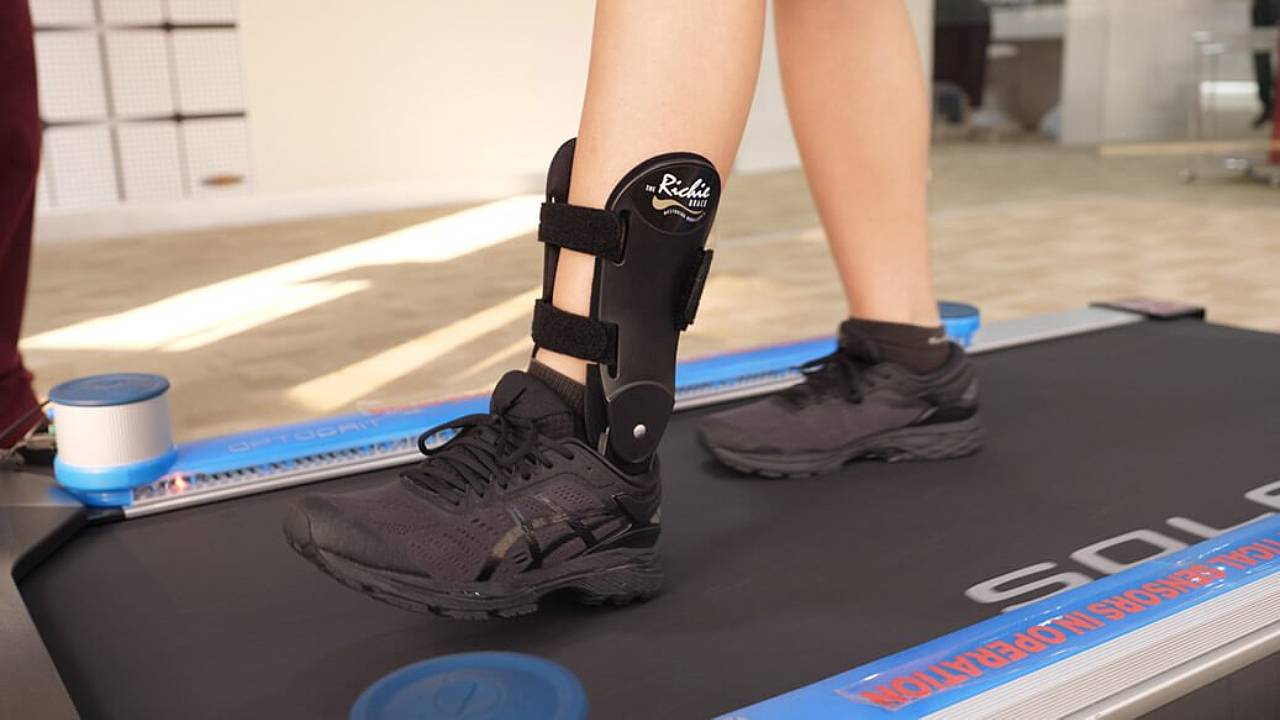
The efficacy of a toe walker shoe lies in its specific architectural elements, each serving a distinct therapeutic or supportive function. A rigid or semi-rigid heel counter is paramount. This reinforced back part of the shoe provides a firm cup around the heel, preventing it from lifting and offering a stable base against which the wearer can press down. This feature directly counters the primary biomechanical challenge. Secondly, a rocker-bottom sole is often incorporated. This curved profile reduces the effort required to initiate the forward roll of the foot from heel-strike to toe-off, facilitating a more natural gait cycle. Third, a toe-raising device or a pronounced upward curve at the front (toe spring) helps prevent tripping by ensuring the toe box clears the ground during the swing phase of gait. Additionally, these shoes typically feature full-length, rigid or high-torsional stability soles that limit flexion at the midfoot, promoting overall foot alignment. Materials are chosen for durability and support, often foregoing excessive cushioning in favor of structured control. It’s a holistic design philosophy where every component, from the lacing system that ensures a secure fit to the ankle collar that provides proprioceptive feedback, works in concert to guide the foot into a more plantigrade position.
Bridging Support and Style: The Modern Evolution
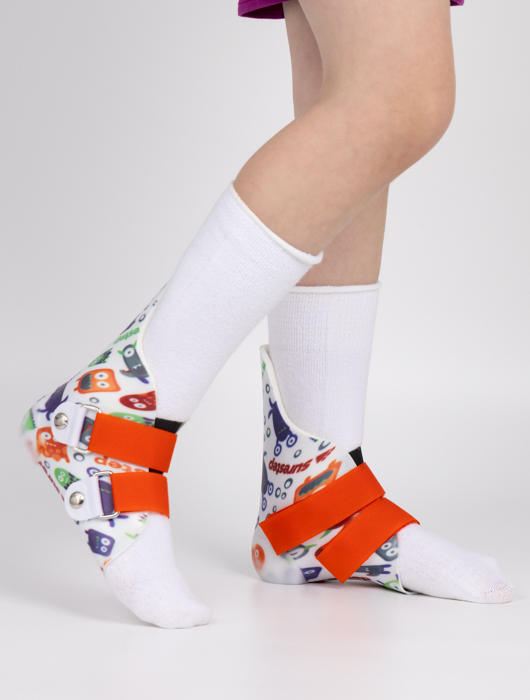
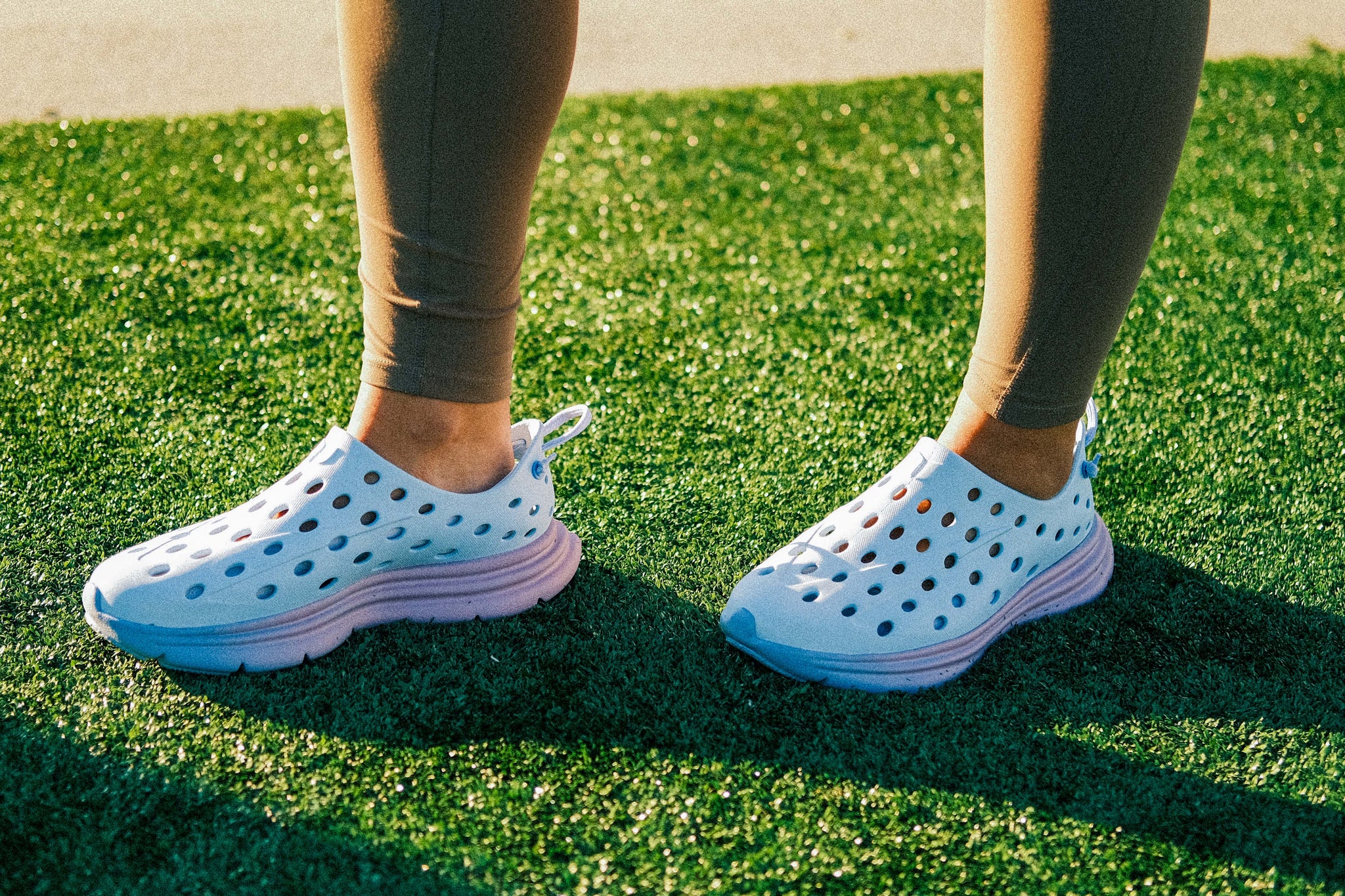
Historically, orthopedic footwear was synonymous with clunky, unattractive designs. The modern market for toe walker shoes has undergone a significant transformation, driven by the understanding that psychological comfort is intertwined with physical compliance. Brands now recognize that users, especially children and style-conscious adults, are more likely to wear shoes they feel good in. This has led to collaborations between podiatrists, orthotists, and designers. Today, you can find options that incorporate vibrant colors, popular character licenses, and silhouettes that mimic mainstream athletic or casual shoes. This evolution is critical. As noted by numerous pediatric therapists, a child’s willingness to wear therapeutic footwear consistently is half the battle. The integration of style does not compromise function; rather, it enhances the therapeutic outcome by promoting consistent use. The shoes must still meet all the rigorous structural criteria, but now they do so while allowing the wearer to step out with confidence, reducing the stigma sometimes associated with medical devices.
Professional Insights and Evidence-Based Perspectives
The development and prescription of toe walker shoes are grounded in clinical evidence and professional consensus. They are rarely a standalone solution but are typically part of a multidisciplinary approach involving physical therapy, stretching regimens, and sometimes orthotics or serial casting. A study published in the Journal of Pediatric Orthopaedics has explored the effectiveness of various interventions for idiopathic toe walking, noting that footwear modifications are a common first-line conservative management tool. Renowned pediatric orthopedic surgeons and developmental podiatrists frequently emphasize the “window of opportunity” in early childhood when the musculoskeletal system is more malleable, making interventions like specialized footwear particularly impactful. On platforms like YouTube, certified physical therapists such as Dr. Jo (Physical Therapy Video) often demonstrate stretches and exercises while discussing the supportive role of proper footwear. The consensus is clear: while not a cure for underlying neurological conditions, properly fitted toe walker shoes are a vital component in managing the gait pattern, preventing contractures, and fostering functional mobility. They provide the external structure needed while internal strength and flexibility are developed through therapy.
Making an Informed Choice: Fit, Function, and Investment
Selecting the right pair is a decision that warrants careful consideration and, ideally, professional guidance. A proper fit is non-negotiable; the shoe must be long enough, wide enough, and secure at the heel without restricting growth or circulation. Consulting a podiatrist, orthotist, or a certified pedorthist for a fitting is highly recommended. They can assess individual biomechanics and recommend specific brands or models, which may range from over-the-counter adaptive lines to custom-made footwear for severe cases. When evaluating options, scrutinize the key features: test the rigidity of the heel counter, examine the sole’s rocker profile, and check for quality construction. As for cost, these specialized shoes represent an investment in health and function. Prices can vary widely, from approximately \$80 for some adaptive sneaker styles to several hundred dollars for custom orthopedic pairs. It is advisable to check with your insurance provider, as many plans may partially cover these shoes if deemed medically necessary with a doctor’s prescription. Some manufacturers and non-profit organizations also offer assistance programs or periodic discounts, making this essential equipment more accessible.

The journey through understanding and selecting toe walker shoes reveals a landscape where medical science, innovative design, and human-centric care converge. These shoes stand as a testament to the idea that addressing a fundamental aspect of how we move can unlock greater comfort, stability, and participation in daily life. They are tools of empowerment, carefully crafted to meet a specific need without asking the wearer to sacrifice their sense of self or style. In stepping into a pair designed with such intention, one steps toward a more supported and confident stride.
