

Step Into Style: The Ultimate Guide to Toe Walker Shoes for Effortless Chic
Forget the notion that orthopedic footwear must be clunky or dull. Today, we’re redefining what it means to walk with both support and sophistication. The modern toe walker shoes are not just medical devices; they are a statement of intentional style, merging biomechanical science with contemporary design. This guide isn’t about compromise; it’s about discovering how specialized footwear can become the cornerstone of a confident, chic wardrobe. We’ll dissect the anatomy, celebrate the design evolution, and provide you with the knowledge to choose pieces that offer unparalleled comfort without sacrificing an ounce of your personal aesthetic. Let’s step beyond the conventional and into a world where every stride is both supported and stylish.
The Science of the Stride: Deconstructing Toe Walking
To truly appreciate the innovation behind modern toe walker shoes, one must first understand the condition they address. Toe walking, or idiopathic toe walking, is a gait pattern where an individual walks on the balls of their feet with no heel contact. While common in toddlers learning to walk, its persistence can lead to a cascade of musculoskeletal issues. According to research from institutions like the Mayo Clinic, prolonged toe walking can shorten the Achilles tendon, limit ankle dorsiflexion, and affect overall posture and balance. This isn’t merely a quirky habit; it’s a biomechanical event that demands a specific intervention. The traditional approach often involved rigid braces or corrective surgery, but the paradigm has shifted. Contemporary podiatry and orthopedics, as documented in resources from Wikipedia to academic journals, now emphasize dynamic, wearable solutions that encourage a natural gait while providing corrective support. This scientific foundation is what separates a mere shoe from a true gait-training tool, setting the stage for why the design of these shoes is so critically important.
Architectural Marvels: The Hidden Engineering Inside
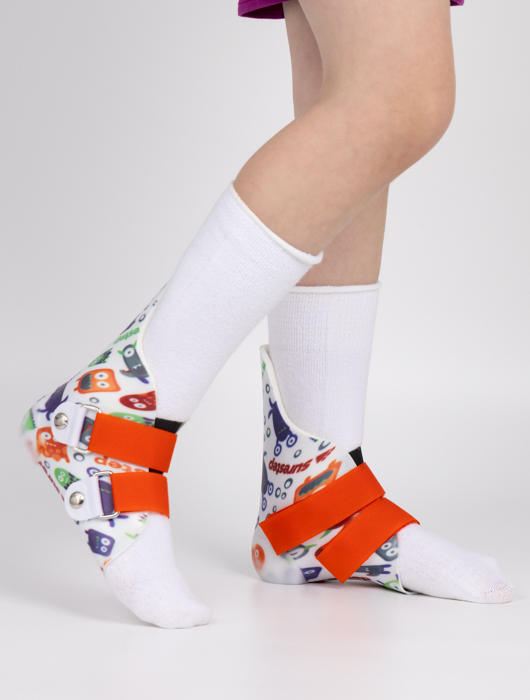
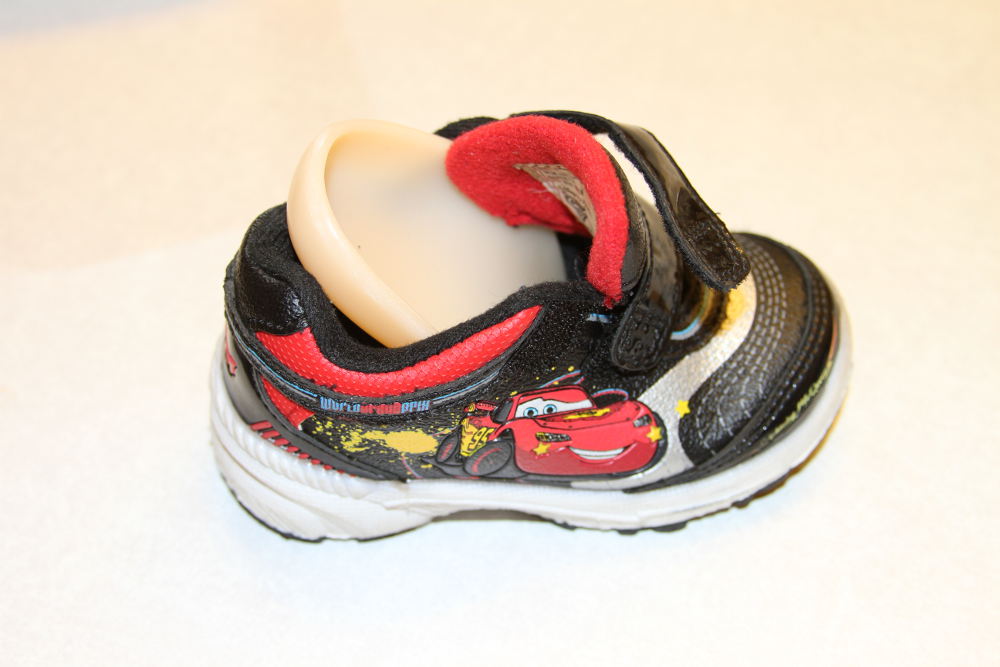
Peel back the stylish exterior of a premium toe walker shoe, and you’ll find an architectural marvel designed for human kinetics. The core innovation often lies in the footbed and the heel counter. Unlike standard insoles, these shoes frequently incorporate something known as a Supramalleolar Orthotic (SMO) or a dynamic response footbed. As illustrated in resources from orthotic manufacturers and clinical websites, an SMO is a custom-molded brace that cradles the foot just above the ankle bones. It provides subtle, flexible support that guides the heel into contact with the ground and stabilizes the midfoot, without the rigidity of older-generation braces. This concept is supported by principles from biomechanical engineering, which state that applying a gentle, corrective force at the right moment in the gait cycle can retrain muscle memory. Furthermore, the rocker-bottom sole—a feature highlighted in many therapeutic shoe designs—reduces the effort required to roll from heel to toe, promoting a smoother, more efficient stride. When you slip into a pair of these engineered toe walker shoes, you’re not just putting on footwear; you’re engaging with a system designed to interact intelligently with every step you take.
From Clinic to Catwalk: The Aesthetic Revolution
The greatest triumph of modern orthopedic design is its invisibility. The days of beige, bulky shoes that scream “medical device” are over. Leading brands have embraced a fundamental truth, one echoed by fashion thinkers from Coco Chanel to contemporary designers: true style is inseparable from comfort and function. This revolution is consumer-driven. Parents, adults, and style-conscious individuals demanded options that didn’t force a choice between well-being and appearance. The response has been a surge of designs that feature premium leathers, sleek silhouettes, and contemporary color palettes. You can now find toe walker shoes that resemble fashionable sneakers, elegant boots, or casual loafers. This shift isn’t superficial; it’s psychological. Wearing a shoe you love boosts confidence and adherence to wearing it, which is half the battle in any therapeutic regimen. As a style commentator might note on a platform like Quora or a fashion blog, the integration of high design into functional pieces represents the pinnacle of inclusive fashion—where design serves humanity without asking it to hide.
Curating Your Capsule: A Stylist’s Guide to Integration
So, how do you incorporate these specialized pieces into a wardrobe that exudes effortless chic? The key is to treat them as foundational staples. A premium pair of black leather toe walker shoes designed like a casual derby can anchor countless outfits. Pair them with cropped, tailored trousers and a crisp white shirt for an intelligent, polished look that works from a casual office to a weekend brunch. For a more relaxed vibe, combine a supportive sneaker-style pair with dark-wash jeans and a minimalist sweater. The principle here, often discussed by stylists on YouTube channels dedicated to capsule wardrobes, is intentionality. Choose neutral colors (black, navy, taupe, white) and classic shapes that communicate versatility. Look for details that align with current trends—like matte finishes, textured fabrics, or minimalist logos—without succumbing to fast-fashion extremes. Your footwear should be the reliable, comfortable base from which your personal style flourishes, not a distracting centerpiece you feel the need to explain or apologize for.

The Informed Investment: Navigating Quality and Value
Purchasing therapeutic footwear is an investment in your long-term well-being, but it need not be a financial blind spot. Knowledge is your most powerful tool. Start by seeking a professional assessment from a podiatrist or pediatric orthotist. A proper diagnosis ensures you’re investing in the right tool for the job—whether that’s a shoe with a built-in orthotic, a removable insert, or a specific sole geometry. Once you have the specifications, research brands that are transparent about their technology and materials. Reputable companies often publish white papers or collaborate with clinical institutions, lending scientific credibility to their claims. As for cost, while premium models from brands like SureStep, Billy Footwear, or Plae may carry a higher initial price tag (often ranging from $120 to $250), view them through the lens of cost-per-wear and therapeutic benefit. Furthermore, be proactive in seeking value: many orthotic providers work with insurance companies, and some shoe brands offer direct discounts for medical professionals, therapists, or through periodic sales. Signing up for newsletters or following brands on social media can alert you to flash sales or exclusive offers, making high-quality, stylish support more accessible.

A Community of Confidence: Voices from the Journey
You are not walking this path alone. The rise of functional fashion has fostered vibrant online communities where experiences and styling tips are shared openly. On platforms like Instagram and dedicated Facebook groups, parents post photos of their children’s colorful, supportive sneakers on the playground, while adults share how a particular boot allowed them to navigate a city vacation in comfort. These real-world testimonials are powerful. As one mother shared on a blog review, finding a pair of shoes that her child loved wearing was the breakthrough in their therapy journey. Similarly, a fashion influencer with Ehlers-Danlos syndrome might detail on YouTube how specific footwear has enabled her to maintain her active, stylish lifestyle. These narratives, more than any advertisement, underscore the transformative power of good design. They remind us that the goal is not to “fix” a person, but to empower them with tools that seamlessly integrate into the life they want to live—a life full of movement, style, and confidence.
The journey to effortless chic is paved with intention. It’s about choosing pieces that serve you deeply, both in body and spirit. The modern toe walker shoes represent this philosophy perfectly: they are silent partners in your daily life, offering scientific support wrapped in considered design. They ask you to redefine elegance not as ornamentation, but as intelligent harmony between form and function. When your foundation is solid, stable, and yes, stylish, every step you take becomes a declaration of self-care and sophisticated ease. This is the new standard. Step into it.
